

I remember a patient, let’s call her Sarah, who came to me shortly after her diagnosis. She felt overwhelmed by the physical toll and the constant anxiety. Her story isn’t unique, but her path forward was. We began integrating simple, daily mind-body therapies into her routine.
This shift didn’t cure her illness, but it transformed her experience. She found tools to manage her stress and perceive her pain differently. Her body felt more supported, and her mind found a new sense of calm amidst the storm.
Sarah’s experience reflects a broader movement. In 2022, there were approximately 54 million cancer survivors globally within the previous five years. The need for accessible, noninvasive care is immense.
Over the last two decades, these integrative practices have gained significant support. Research confirms they are safe and effective techniques for managing both physical and emotional symptoms. My professional view is clear: providing accurate information empowers every patient.
A diagnosis presents profound challenges. Focusing on the connection between mental and physical well-being can be a cornerstone of a more effective healing journey. For those seeking a structured path, exploring alternative cancer memberships can provide access to customized, holistic support.
Key Takeaways
- Integrative mind-body practices can significantly improve quality of life during and after cancer treatment.
- These techniques are backed by decades of research demonstrating safety and effectiveness.
- Managing stress and changing the perception of pain are key benefits of this approach.
- With millions of survivors worldwide, holistic, non-invasive care options are in high demand.
- Accurate, expert-guided information is crucial for safely incorporating these therapies into your daily practice.
- A personalized plan that addresses the whole person is often more effective than a one-size-fits-all approach.
- Exploring supportive memberships can provide structured guidance and community on your healing journey.
Understanding the Mind-Body Connection in Cancer Care
Modern healthcare is increasingly acknowledging the profound influence mental states have on physical recovery. This link is especially vital for individuals navigating a serious illness.
Defining Mind-Body Therapies and Their Significance
These practices, like meditation and mindfulness, focus on using the mind to support the body. Their significance is clear when we look at the data.
As of May 2025, an estimated 18.6 million survivors live in the U.S. About 70% have lived five or more years since their diagnosis. This highlights a great need for supportive care that addresses long-term symptoms.
Impact on Cancer Patients’ Healing Journeys
I often see how anxiety and stress follow a diagnosis. They can deeply affect a person’s quality of life. Learning to recognize the mind-body connection is a powerful first step.
These integrative therapies help patients manage chronic pain and sleep disturbances. They build better coping skills for the emotional challenges of the journey. This holistic approach is a key part of comprehensive healing.
Integrating “mind-body cancer treatments” Into Your Care Plan
The journey through illness is unique, and so should be the approach to managing its effects on your life. A well-structured plan that includes supportive therapies can make a profound difference.
This integration requires thoughtful design, personalized guidance, and a firm foundation in evidence.
Designing Holistic Treatment Programs
Effective programs address the whole person. They often include nutrition, mindfulness, gentle movement like qigong, and supervised exercise.
Centers like the CARE Center at the Penn State Cancer Institute model this comprehensive approach. Their services target both physical symptoms and emotional well-being.
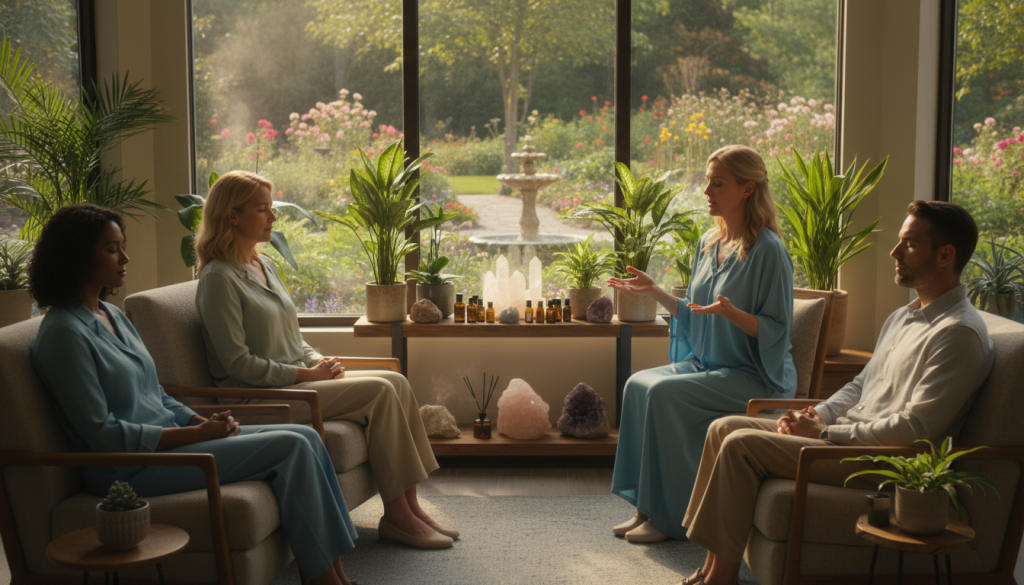
Such structured support is crucial for long-term survivors managing chronic pain or stress.
Personalized Guidance at Conner’s Clinic
At Conner’s Clinic, I provide tailored guidance. We bridge the gap between traditional medicine and integrative care.
Accessibility to supportive groups and therapy is a priority. This ensures every patient receives the comprehensive support they deserve.
Leveraging Clinical Trials and Evidence-Based Practices
Data from clinical trials informs our strategies. Dr. Kevin Rakszawski of the Penn State Cancer Institute emphasizes a key point.
Addressing the spirit and mind is essential for patients undergoing cancer treatment.
This philosophy guides our focus on long-term health and improved quality of life for survivors.
| Program Element | Primary Benefit | Evidence Source |
|---|---|---|
| Mindfulness Meditation | Reduces stress and improves sleep | Multiple clinical studies |
| Qigong | Enhances energy and manages pain | Exercise physiology research |
| Nutritional Counseling | Supports overall health during treatment | Oncology nutrition guidelines |
| Group Therapy Sessions | Builds community and coping skills | Psychosocial oncology data |
Evidence-Based Approaches: Acupuncture, Meditation, and Functional Medicine
The search for effective symptom management often leads to three well-researched pillars. These practices are supported by robust clinical data and can be integrated into a comprehensive plan.

Acupuncture for Chronic Pain Management
I often recommend acupuncture to manage persistent discomfort. A 2021 clinical trial showed electroacupuncture reduced pain severity by 1.9 points for survivors.
Participants in another study saw a 36% decrease in pain intensity after two months. This technique offers a significant, drug-free option for relief.
Meditation and Mindfulness for Stress and Sleep Improvement
For stress and sleep issues, meditation is a powerful tool. A meta-analysis suggests 45 minutes of formal practice daily improves sleep quality.
This is crucial, as 51% of long-term survivors experience insomnia. Incorporating mindfulness helps calm the nervous system and restore balance.
Enhancing Survivorship with Functional Medicine Strategies
My functional medicine approach personalizes strategies for long-term health. It incorporates breathing activities and other techniques to manage symptoms.
We use evidence-based information to guide each step. This focus can make a positive difference in a survivor’s quality of life for many years.
Embracing Whole-Person Healing: A Path Forward
Integrative approaches remind us that the person, not just the condition, must be at the center of all care. As Dr. Michael Hayes of the CARE Center at the Penn State Cancer Institute states, our focus must be on taking care of people.
I encourage every patient to continue their meditation and acupuncture practice. These methods offer proven relief from pain and stress, supporting a better quality of life for survivors.
My professional goal is to provide the necessary support and integrative medicine. Prioritizing emotional and spiritual well-being ensures the positive effect of holistic therapy is felt throughout the journey.
FAQ
Are mind-body therapies safe to use alongside my conventional oncology treatment?
I frequently integrate these supportive practices into patient care plans because they are generally very safe. Techniques like guided meditation and focused breathing are designed to complement, not replace, standard care. They can help manage side effects, reduce anxiety, and improve your overall quality of life during chemotherapy or radiation. I always recommend discussing any new activity with your primary oncology team.
How do I start incorporating these practices into my daily routine?
Begin simply. I advise patients to focus on one accessible technique, such as a daily 5-minute mindfulness breathing exercise. Consistency in your practice is more valuable than duration. At our clinic, we provide personalized guidance to build a sustainable program that fits your energy levels and addresses specific challenges like sleep or pain, making whole-person healing a practical part of your journey.
What does the scientific evidence say about the effectiveness of acupuncture or meditation?
Robust clinical research over decades supports their use. Studies show acupuncture can significantly ease chronic pain and nausea for adults undergoing treatment. Meditation and mindfulness are proven to lower stress hormones and improve emotional well-being. We leverage this evidence at our clinic, ensuring the strategies we recommend are grounded in solid scientific data to support your survivorship and health.
Can these approaches help with the emotional stress of a diagnosis?
Absolutely. The emotional toll can be profound. Mindfulness-based stress reduction and group support activities directly target feelings of anxiety and fear. These practices empower you by fostering a sense of control and calm, which can positively influence your entire healing process. Managing this psychological aspect is a critical component of comprehensive care.
Is functional medicine part of this integrative approach?
Yes, functional medicine is a key pillar. It looks at the root causes of symptoms and imbalances in the body. I use its principles to create personalized nutrition and lifestyle plans that support your immune function and energy levels. This strategy aims to optimize your overall wellness and resilience, working in tandem with other therapies you may be receiving.