

I remember sitting with a patient, a dedicated nurse named Maria, just days after her diagnosis. She was overwhelmed, not just by the medical details, but by the sheer weight of the journey ahead. Her story is one I’ve heard many times.
A cancer diagnosis is a pivotal moment. It changes everything. The path forward involves more than managing a disease; it’s about supporting the whole person through a profound life event.
At Conners Clinic, I see my role as a guide. I help people bridge the powerful tools of modern science with supportive, natural strategies. This integrative method aims to improve quality of life during standard medical protocols.
My goal is to provide a patient-centered strategy. We focus on nurturing the mind, body, and spirit to foster resilience and overall well-being. I want to equip you with evidence-based tools for your health journey, approached with confidence and compassion.
Key Takeaways
- A cancer diagnosis impacts every aspect of a person’s life, requiring comprehensive support beyond just medical treatment.
- Integrative oncology combines conventional medical protocols with supportive natural strategies to enhance patient well-being.
- Effective care addresses emotional and physical challenges with a personalized, patient-centered focus.
- Resources from experts, like those at Conners Clinic, can help bridge modern science and holistic healing principles.
- Building resilience involves nurturing mental, physical, and spiritual health throughout the recovery journey.
- Empowering patients with knowledge and compassionate support is crucial for navigating treatment with confidence.
Understanding the Principles of Holistic Cancer Care
True healing begins when we acknowledge the interconnected nature of our mental, physical, and spiritual states. This perspective forms the foundation of integrative oncology.
I believe the body possesses an innate ability to heal. Our role is to support that process with the right balance of treatments and lifestyle changes. This is central when facing a cancer diagnosis.
Integrating Mind, Body, and Spirit
Many people find that addressing all three aspects creates a stable foundation. It helps them manage the rigors of cancer therapy more effectively. Their overall well-being often improves.
The Role of Modern Science and Natural Healing
We combine advanced medical science with supportive natural strategies. This integration optimizes standard treatments while boosting the patient’s internal resilience.
This form of medicine focuses on the whole person. Every aspect of their health is considered during the cancer journey. We help people achieve better outcomes by honoring both worlds.
A Step-by-Step Guide to a Holistic Approach to Cancer Care
In my practice, I start every patient relationship with a comprehensive evaluation. This looks beyond the lab results to understand your physical, emotional, and spiritual landscape. This first step is crucial for treating cancer with a whole-person focus.
We then help people identify which supportive therapies are most appropriate. This is based on their specific stage of disease and personal health goals. These methods often aim to reduce stress, improve nutrition, and manage pain during conventional cancer therapy.
Developing a personalized plan is essential for those who want to help treat their illness. I guide patients in selecting evidence-based treatments that align with their values. This integrative treatment strategy combines the best of multiple healing traditions.
Consistent monitoring ensures the patient stays on the right path. We adjust the plan as needed to support improved vitality and long-term recovery from cancer. This ongoing partnership is key to navigating the journey with resilience.
Navigating Conventional and Alternative Treatments
One of the most common questions I receive from patients is how to safely combine standard medical treatments with supportive practices. This is the core of integrative oncology. It blends evidence-based conventional cancer treatments with complementary alternative therapies.
Balancing Chemotherapy and Integrative Oncology
Integrative oncology aims to maximize patient outcomes. It does not replace primary conventional cancer treatments like chemotherapy. Instead, it adds supportive strategies to manage side effects and improve well-being.
Always consult your healthcare team before starting any alternative therapies. This ensures safety and prevents negative interactions with your medications.
| Therapy Type | Primary Goal | Key Consideration |
|---|---|---|
| Chemotherapy | Destroy cancer cells | Can cause fatigue, nausea |
| Radiation Therapy | Target localized tumors | May affect skin and energy |
| Acupuncture | Manage pain, nausea | Requires a licensed practitioner |
| Herbal Supplements | Support immune function | Must check for drug interactions |
When to Seek a Second Opinion
I often advise people to seek a second opinion. This is crucial if they are unsure about their treatment plan or wish to explore clinical trials. It is a standard part of good medical practice.
The National Cancer Institute (NCI) provides extensive Physician Data Query (PDQ) information. This resource helps you make informed decisions about various therapies. For selecting a complementary health practitioner, the NCCIH guide “6 Things to Know” is invaluable.
Exploring Mind-Body Medicine in Cancer Treatment
I often introduce mind-body techniques early in a patient’s journey to build coping skills. This branch of medicine focuses on the powerful link between our thoughts, emotions, and physical health. It can be a vital support during cancer treatment.
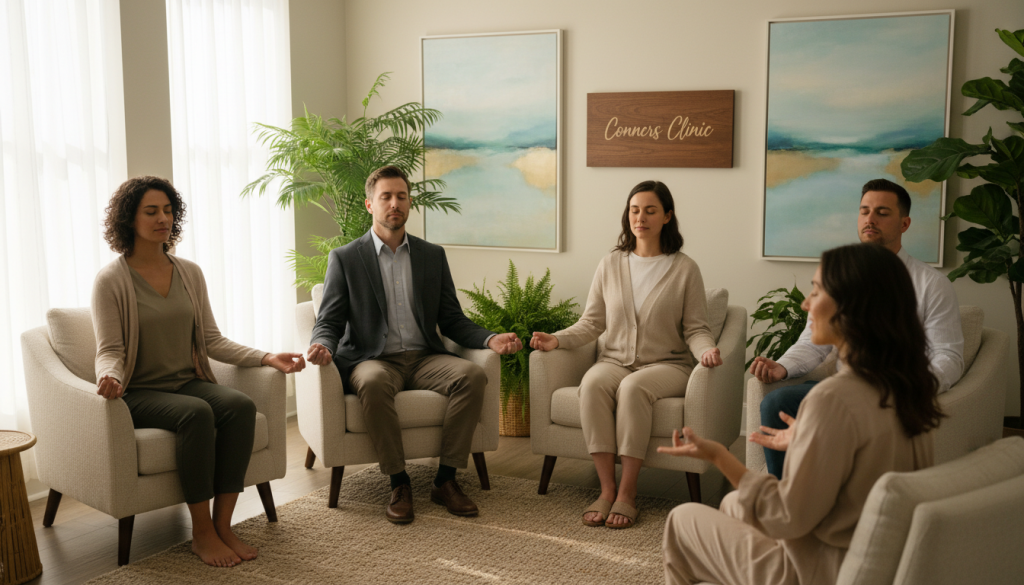
These practices empower people to actively participate in their healing. They address the stress and fear that often accompany a diagnosis. This supportive therapy aims to improve overall well-being.
Meditation and Guided Imagery Techniques
Meditation encourages deep relaxation and mental clarity. Simple deep breathing exercises are a great starting point. They help quiet a racing mind and reduce anxiety.
Guided imagery involves visualizing peaceful scenes or positive outcomes. This technique can shift focus away from pain or worry. Both methods are proven to help people manage the emotional strain of their cancer journey.
Using Yoga and Cognitive Behavioral Therapy
Yoga combines gentle movement with controlled deep breathing. It improves flexibility, strength, and a sense of control over one’s body. This can be especially valuable when feeling physically vulnerable.
Cognitive Behavioral Therapy (CBT) is another powerful tool. It helps patients identify and reframe negative thought patterns. Managing these thoughts can lessen the mental burden of treatment.
Together, these cancer treatments help alleviate symptoms like fatigue and pain. They strengthen the connection between mind and body for a more resilient recovery.
Nutritional and Herbal Support Strategies
Many patients ask me about specific foods and herbs that can complement their medical treatments. What we eat directly influences our body’s environment and its ability to heal.
This area requires a careful, evidence-based strategy. It’s about building a foundation of wellness, not replacing standard care.
Designing an Anti-Inflammatory Diet
Chronic inflammation can create conditions that support cancer cells. An anti-inflammatory diet focuses on whole, nutrient-dense foods.
I often recommend incorporating spices like turmeric and ginger. These have natural compounds studied for their protective properties. Green tea is another excellent choice, rich in polyphenols.
Some people explore an alkaline diet to help balance pH levels. While it can encourage healthier food choices, it is not a standalone cure. Always view dietary changes as supportive to your primary therapy.
Herbal Remedies and Their Safe Use
Herbs can be powerful, but safety is paramount. Some, like St. John’s wort, can interfere with how essential cancer drugs work. Others, such as kava kava, may pose risks like liver damage.
Detoxification methods aim to help the toxins body may accumulate. This can support energy levels during recovery. For guidance on integrating these strategies safely, I recommend reviewing resources on evidence-based holistic and natural medicine.
The key is open communication with your entire health team. This ensures all supportive treatments work together for your benefit.
Incorporating Movement and Energy Therapies
Gentle movement and energy-based practices offer profound support during cancer therapy, helping to restore balance and vitality. These methods address both physical and emotional challenges many people face.

Benefits of Tai Chi and Qigong
Tai Chi and Qigong are traditional Chinese practices combining slow movement with meditation. I often recommend them to help people improve balance and reduce stress.
These gentle exercises use deep breathing to foster a sense of control. They can significantly reduce fatigue and lift mood during recovery. Such movement-based cancer treatments help by enhancing resilience.
Acupuncture for Managing Side Effects
Acupuncture involves inserting fine needles into specific points to stimulate energy flow. It is a highly effective therapy for managing common side effects like nausea.
This technique can alleviate vomiting from chemotherapy. It also helps people manage cancer-related pain and improve sleep quality. Acupuncture can help treat cancer discomforts alongside standard care.
By integrating these therapies, patients often find a valuable complement to their primary cancer treatments. They support overall well-being throughout the journey.
Identifying and Managing Side Effects in Holistic Cancer Care
Patients frequently report that side effects like nausea and fatigue are among their most pressing concerns. Effectively managing these discomforts is a primary goal within a holistic approach to cancer care. It directly supports a patient’s quality of life and resilience.
I work closely with your healthcare team to ensure any complementary therapy used is safe. This collaboration prevents any strategy from exacerbating existing symptoms.
Managing Nausea, Fatigue, and Pain
Chemotherapy-induced nausea and vomiting can be debilitating. Acupuncture is a specific therapy I utilize to help people manage these reactions. It provides relief where conventional medicine may fall short.
For more targeted strategies on this issue, explore our resource on cancer and nausea help.
Addressing emotional well-being is crucial for reducing physical side effects. Stress and anxiety can amplify feelings of fatigue and pain. Integrating mind-body practices helps mitigate these effects.
We monitor all symptoms carefully. Patient comfort remains a priority as we continue to help treat cancer effectively. This vigilant oversight by your healthcare team ensures your plan adapts to your needs.
Final Reflections on Embracing a Holistic Journey
The journey through cancer treatment is profoundly personal. Yet it is universally enriched by a comprehensive support system. As Dr. Jeffrey D. White of OCCAM emphasizes, evidence-based integrative medicine is essential.
This path involves nurturing your immune system. It also addresses spiritual needs that often arise after a diagnosis. While no single diet can cure cancer, a well-rounded plan improves quality of life.
Creative outlets like music therapy provide necessary emotional release. They help people cope with the stress of ongoing treatments. Integrating conventional cancer care with supportive therapy empowers you.
I encourage open communication with your healthcare team. For insights on advocating for your health, explore Joe Coughlin’s holistic health journey. Your active engagement leads to more proactive care.
Remember, healing is a partnership. It involves you, your doctors, and your inner resilience. This is the most powerful way forward.
FAQ
What is integrative oncology, and how is it different from alternative therapy?
Integrative oncology is a medical field that combines conventional treatments like chemotherapy with evidence-based complementary therapies. I see it as a bridge. It uses tools like nutritional support, acupuncture, and meditation alongside standard care to manage side effects and improve a patient’s overall well-being during their journey. Unlike alternative therapies, which are used *instead of* conventional medicine, integrative methods are used *together with* them under the guidance of your healthcare team.
Can diet and herbs really help during cancer treatment?
Yes, strategic nutrition is a powerful support tool. I recommend an anti-inflammatory diet rich in plants to help strengthen the body and manage treatment-related fatigue. Certain herbs may also help with symptoms like nausea. However, it’s crucial to consult your oncologist or a qualified integrative practitioner before starting any herbal remedy, as some can interfere with your primary therapy or other medications.
How do mind-body practices like meditation help someone with a cancer diagnosis?
These techniques address the immense stress and anxiety that often accompany a diagnosis. From my professional experience, practices like guided imagery and deep breathing can significantly reduce fear and improve emotional resilience. They help calm the nervous system, which can, in turn, lessen the perception of pain and improve sleep quality, creating a better mental state for healing.
Are movement therapies like Tai Chi safe during chemotherapy?
Generally, yes, and they can be incredibly beneficial. Gentle movement systems like Tai Chi and Qigong are designed to enhance energy flow and balance without strain. I often suggest them to patients to help combat fatigue, maintain muscle strength, and reduce stress. Always get clearance from your doctor first, and work with an instructor experienced in adaptive techniques for people undergoing medical treatments.
When should I consider getting a second opinion about my treatment plan?
You should always feel empowered to seek a second opinion. I advise patients to consider it if they feel uncertain, if their diagnosis is complex, or if they want to explore all available options, including clinical trials or integrative approaches. A reputable oncologist will support this step. It ensures you are confident and fully informed about your path forward, which is vital for your peace of mind.