
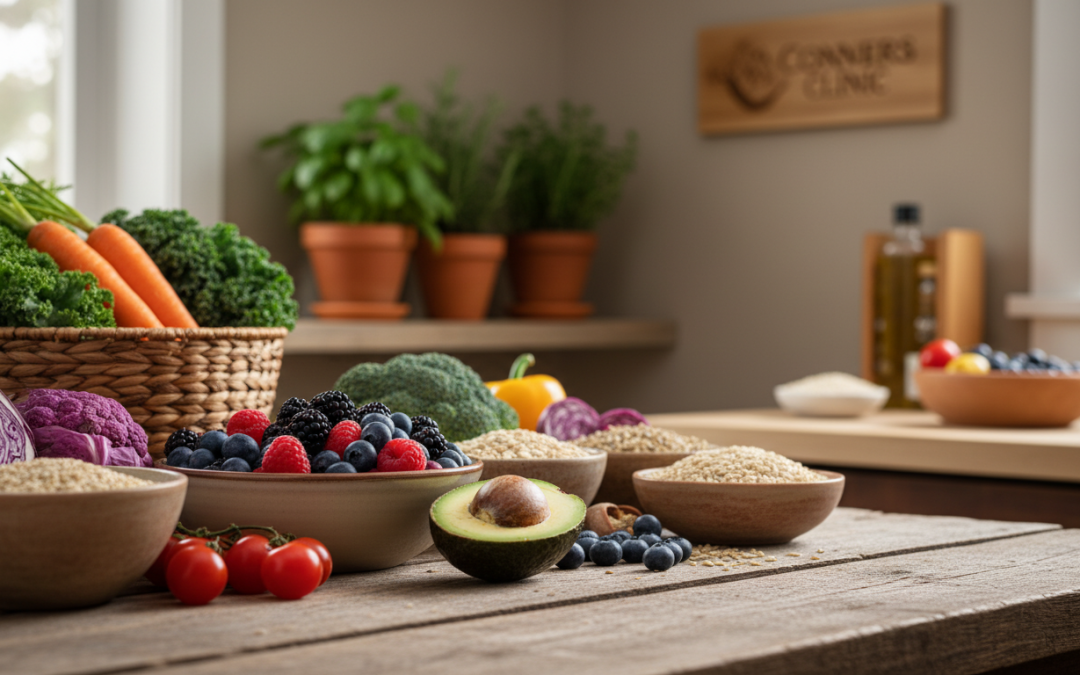
I remember a patient, Sarah, who came to me feeling overwhelmed. She had watched a loved one face a serious illness and wanted to take control of her own well-being. Her first question was simple: “What should I eat?” Like many, she believed there was one magic food. I explained that true resilience comes from a consistent pattern of choices, not a single ingredient.
As a professional, I emphasize that while no single food can prevent disease, adopting a balanced nutritional plan is a foundational step. The American Cancer Society suggests that making consistent, healthy choices over time is the best way to lower cancer risk for most adults. This means focusing on a variety of whole, plant-based foods.
Managing your body weight is critical. Excess fat is linked to more than 10 different types of cancers. By focusing on vegetables, fruits, and whole grains, you provide your body with essential nutrients and fiber. I also recommend limiting processed meats and alcohol, as these are well-documented factors that can increase your cancer risk. For a great list of specific foods that can help lower your cancer, I often refer patients to trusted resources.
Key Takeaways
- No single food guarantees protection, but your overall dietary pattern is powerful for long-term wellness.
- Maintaining a healthy body weight is one of the most significant actions you can take to reduce risk.
- Fill your plate with a colorful variety of vegetables, fruits, and whole grains.
- Limit intake of processed meats and alcohol, as they are linked to higher disease risk.
- Consistency over time is key; small, sustainable changes create lasting health benefits.
- Planning meals to include plant-based options supports weight management and provides essential nutrients.
- Be mindful of added sugar and refined grains, as they can impact overall health and inflammation.
Understanding Organic Diets and Their Role in Cancer Prevention
In my practice, discussions about food choices often center on the term ‘organic’ and what it truly means for wellness. Patients want to know if these options are a vital part of a protective strategy. Let’s clarify the modern definition and examine the direct connection between what we eat and our long-term health.
Defining Organic Diets in the Modern Context
Today, “organic” refers to how agricultural products are grown and processed. It emphasizes avoiding synthetic pesticides and fertilizers. Wellness dietitian Lindsey Wohlford explains that while these diets are popular, no single food can magically prevent disease.
The most important factor is the total amount of plant-based foods in your nutritional plan over time. While organic items may have slightly higher nutrient levels, your overall pattern is what truly matters.
The Relationship Between Diet and Cancer Risk
When we look at the link between nutrition and disease, studies show that consistent, healthy choices are more important than any specific superfood. I often tell my patients that the American Cancer Society supports a balanced diet rich in vegetables, fruits, and whole grains.
Understanding that your body weight and overall intake are linked to risk helps you make better decisions. We must consider how alcohol, sugar, and processed meat affect our long-term well-being.
By focusing on fiber and avoiding heavily processed items, you can better manage your body. This approach reduces the risk factors associated with modern eating habits. For a detailed plan, review my diet recommendations.
| Dietary Factor | Potential Impact on Risk | Practical Tip |
|---|---|---|
| Plant-Based Foods (Vegetables, Fruits, Legumes) | May help lower risk due to antioxidants and fiber. | Aim to fill half your plate with these items. |
| Processed Meat (e.g., bacon, sausage) | Associated with increased risk. | Limit consumption; choose lean, unprocessed proteins. |
| Alcohol | Linked to higher risk for several cancers. | If you drink, do so in moderation. |
| Added Sugar & Refined Grains | Can promote inflammation and weight gain. | Read labels and choose whole food sources. |
| Maintaining a Healthy Body Weight | One of the most significant actions to reduce risk. | Combine a balanced diet with regular physical activity. |
The Science Behind Diet, Phytochemicals, and Cancer Risk
At the core of modern nutritional science lies a fascinating world of plant compounds with significant protective potential. My approach is grounded in evidence-based studies that examine how these elements interact with our body.
Nutritional Studies and Evidence-Based Findings
Robust research consistently shows that your overall dietary pattern matters more than any single food. I rely on this information to guide recommendations. Long-term health is shaped by consistent choices over time.
These studies highlight how a diet rich in colorful vegetables and whole grains can help reduce risk. The synergy within whole foods is key to their power.
The Power of Phytochemicals in Plant Foods
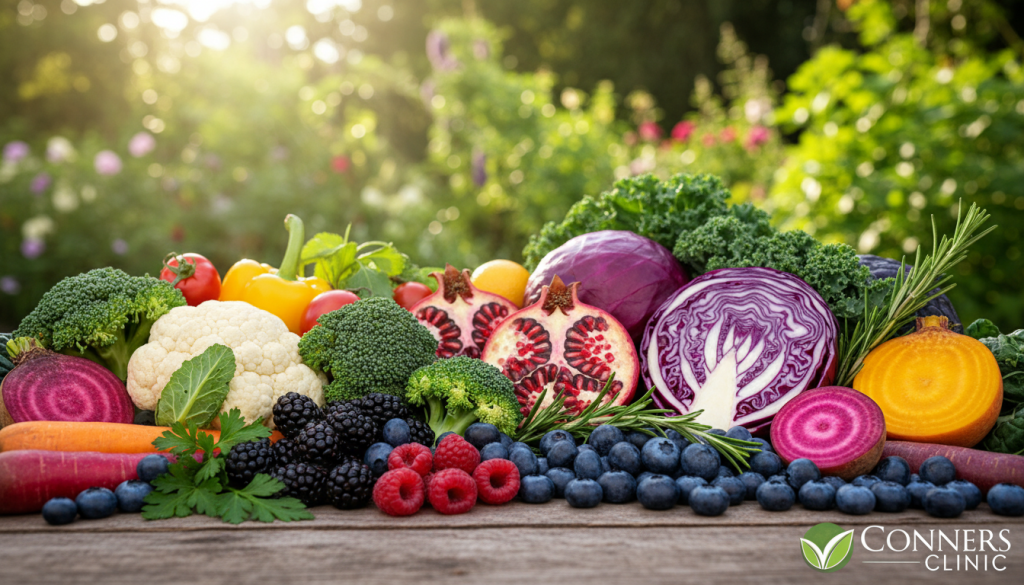
Scientists have identified over 4,000 phytochemicals in plant-based foods. These natural compounds offer unique benefits that help reduce risk of chronic diseases.
Consuming a wide variety of produce provides a spectrum of these compounds. This synergy is far more effective than isolated supplements. Prioritizing whole foods supports maintaining a healthy weight.
| Phytochemical Group | Common Food Sources | Research-Backed Potential Benefit |
|---|---|---|
| Carotenoids (e.g., Beta-carotene, Lycopene) | Carrots, tomatoes, spinach, sweet potatoes | May support cellular defense and reduce oxidative stress. |
| Flavonoids | Berries, citrus fruits, onions, tea | Associated with anti-inflammatory properties and may help lower cancer risk. |
| Glucosinolates | Broccoli, cabbage, kale, Brussels sprouts | Studied for their role in activating the body’s detoxification enzymes. |
| Polyphenols | Apples, nuts, seeds, whole grains | Linked to improved gut health and may contribute to risk reduction. |
Understanding this science allows for informed choices that support long-term wellness. A holistic view of your diet is essential for managing cancer risk.
Exploring Nutrient-Rich Foods and Cancer Prevention Strategies
The foundation of a protective eating pattern lies in understanding which foods to prioritize and which to limit. I guide patients to build their meals around core, nutrient-dense groups.
Plant-Based Foods: Vegetables, Fruits, and Legumes
Fill at least two-thirds of your plate with colorful vegetables, fruits, and legumes. This simple visual rule ensures you get a wide variety of protective nutrients and fiber.
These foods support a healthy body weight and provide compounds that may help reduce cancer risk.

Whole Grains, Fiber, and Their Benefits
Whole grains like oats, quinoa, and brown rice are essential. Their fiber content aids digestion and helps you feel full, which is crucial for managing weight over time.
I often pair grains with legumes for a complete plant-based protein source.
Avoiding Foods That May Increase Cancer Risk
Equally important is knowing what to limit. In 2015, processed meat was classified as carcinogenic. The American Cancer Society guidelines advise limiting red meat to about 18 ounces cooked per week.
Also, be mindful of added sugar and alcohol. For a detailed list of what to avoid, I provide specific resources.
| Food Category | Potential Impact on Health | Practical Recommendation |
|---|---|---|
| Processed Meats (bacon, sausage) | Classified as carcinogenic to humans (IARC, 2015). | Avoid or consume very rarely. |
| Red Meat (beef, pork, lamb) | Associated with increased risk when consumed in high amounts. | Limit to 18 ounces or less of cooked meat per week. |
| Whole Grains & Legumes | High in fiber; supports a healthy body weight and gut health. | Fill one-third of your plate with these items. |
| Colorful Vegetables & Fruits | Rich in antioxidants and phytochemicals with protective benefits. | Aim for a rainbow on half your plate at each meal. |
This balanced approach empowers you to make choices that support long-term wellness.
Implementing organic diets for cancer prevention in Everyday Life
The gap between knowing what to eat and actually eating it is where most plans fail. I see this challenge daily. Practical integration is the key to lasting change.
At Conner’s Clinic, we provide integrative nutrition strategies to support your health journey. Our goal is to make protective eating seamless and sustainable.
Integrative Nutrition Strategies from Conner’s Clinic
My approach starts with careful meal planning. This ensures your body gets the right balance of whole foods and nutrients. It’s a proven way to manage body weight and help reduce cancer risk.
I believe clear information is the first step. It empowers you to make better choices for your diet. We focus on simple, whole food selections.
This saves time and cuts the stress of complex changes. I work with patients to build habits that support their body over time.
Whether you need guidance on grains or other foods, my clinic offers the support you need. For additional information, patients can contact MD Anderson at 1-877-632-6789. This complements our personalized strategies.
Balancing Nutrition, Weight Management, and Lifestyle Choices
True wellness is built on a synergy of nutrition, activity, and daily habits. I guide patients to see their body weight and lifestyle as interconnected parts of a whole.
This holistic approach is the most effective way to reduce risk and support long-term health.
Managing Body Weight with Whole Foods
Maintaining a healthy body weight is a top priority. I advise focusing on whole foods like vegetables, fruits, legumes, and nuts.
These items provide essential fiber and protein. They help you feel full and manage your weight naturally.
Limiting processed meats and alcohol is also crucial. This simple shift in your diet can significantly reduce risk.
Lifestyle Adjustments: Exercise and Healthy Habits
Physical activity is non-negotiable. The American Cancer Society recommends 150 to 300 minutes of moderate exercise each week.
Combining this with a balanced food plan is powerful. Studies show it can cut the risk of all cancers by nearly 42%.
I also stress limiting added sugar and refined whole grains. These lifestyle tweaks support your body just as much as the foods you eat.
| Lifestyle Factor | Impact on Health | Weekly Recommendation |
|---|---|---|
| Moderate Exercise | Supports weight management and directly helps lower cancer risk. | 150-300 minutes |
| Whole Foods Focus | Provides nutrients and fiber to maintain a healthy body weight. | Base most meals on plants. |
| Processed Meat Limitation | Reduces exposure to compounds linked to higher cancer risk. | Avoid or consume rarely. |
| Sugar & Alcohol Moderation | Helps control inflammation and supports overall metabolic health. | Keep intake low. |
Wrap-Up: Your Roadmap to Better Health Through Informed Dietary Choices
A clear roadmap for better health starts with understanding how your diet impacts your well-being. To prevent cancer, focus on a consistent pattern rich in fruits, vegetables, and whole grains. Maintaining a healthy body weight is equally crucial.
The American Cancer Society suggests that planning meals with a variety of nutrients is the best way to support your body. Remember to limit alcohol, sugar, and processed meats to help reduce your risk.
I encourage you to prioritize protein and fiber each week. These informed choices can significantly lower your risk of breast and other serious cancers over time. The benefits of this approach create a strong foundation for a healthier future.
FAQ
What exactly is meant by an "organic diet" in the context of wellness?
In my practice, I view an organic diet as a focused approach to eating whole foods grown without synthetic pesticides, GMOs, or chemical fertilizers. It’s less about a rigid set of rules and more about choosing the cleanest, most nutrient-dense produce, grains, and legumes to reduce the body’s toxic burden and support its natural defenses.
How can the foods I eat actually influence my chances of developing illness?
Research consistently shows that our daily food choices directly impact inflammation, hormone balance, and cellular health—all key factors in disease development. Consuming a variety of colorful vegetables, fruits, and fiber-rich whole grains provides powerful nutrients and antioxidants that help protect cells from damage, thereby lowering one’s overall risk profile.
Are phytochemicals really that important, and where do I find them?
Absolutely. Phytochemicals are the active compounds in plants that provide major protective benefits. You’ll find them abundantly in berries, dark leafy greens, cruciferous vegetables like broccoli, and even in spices such as turmeric. I recommend “eating the rainbow” to ensure you get a wide spectrum of these powerful substances.
Which specific food groups are most beneficial for a protective eating plan?
I prioritize a plant-forward plate. Focus on a wide array of non-starchy vegetables, whole fruits, legumes (beans and lentils), nuts, seeds, and intact whole grains like quinoa and oats. These foods are rich in fiber, vitamins, and minerals that work synergistically to promote a healthy body weight and a resilient system.
What foods should I limit or avoid to support my long-term health?
To create a truly supportive internal environment, I advise clients to significantly limit processed meats, sugary drinks and snacks, and refined carbohydrates. It’s also wise to moderate alcohol intake. These items can promote inflammation and disrupt metabolic health, counteracting the benefits of your positive food choices.
How does Conner’s Clinic approach integrating nutrition into a wellness strategy?
At Conner’s Clinic, we don’t offer generic meal plans. We create personalized, integrative nutrition strategies that consider your unique biochemistry. We combine principles from traditional healing systems with modern nutritional science, focusing on food quality, proper digestion, and metabolic balance to build a solid foundation for vitality.
Beyond food, what other lifestyle factors are crucial for a proactive health approach?
Nutrition is a cornerstone, but it works best alongside other habits. Maintaining a healthy body weight through mindful eating and regular physical activity is paramount. Additionally, managing stress, prioritizing sleep, and avoiding tobacco are non-negotiable components of a comprehensive plan to build resilience and promote overall well-being.