
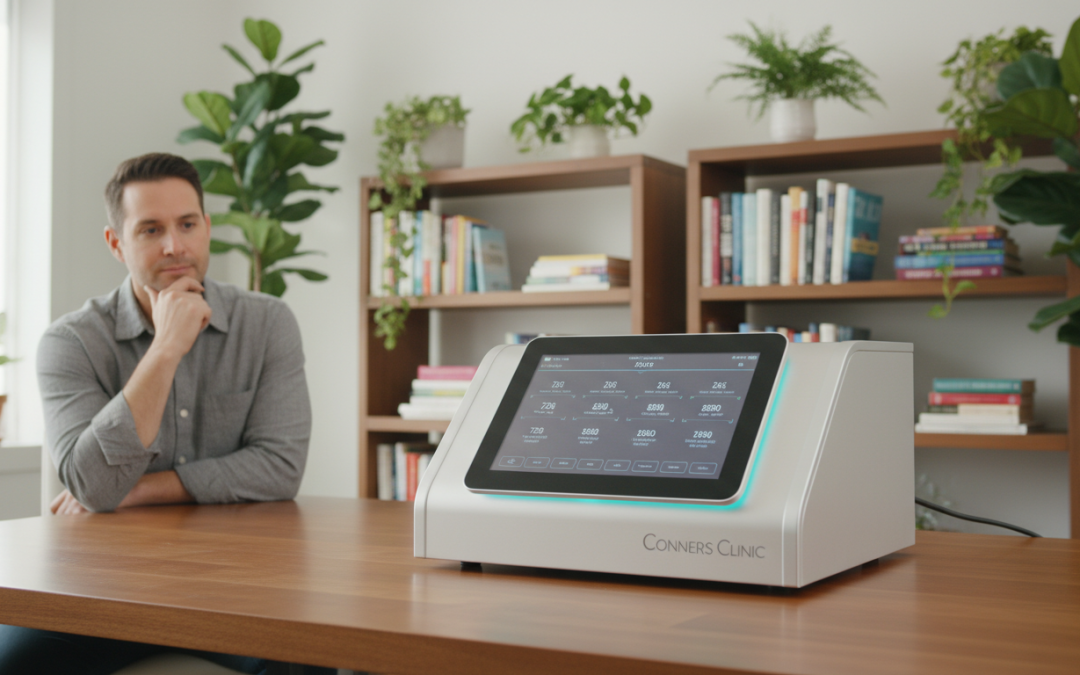
I recall a conversation with a woman managing a persistent health challenge. For years, she followed every standard treatment plan. Yet, her symptoms fluctuated, leaving her frustrated and searching for new answers. Her story is not unique.
Many individuals find themselves exploring supportive options beyond conventional medicine. This search often leads to questions about tools rooted in different scientific principles. One such approach involves using specific frequencies.
This concept isn’t new. In the 1920s, American scientist Royal Raymond Rife pioneered research into how electronic frequencies might interact with pathogens. His early work inspires modern frequency-based therapy discussions today.
My role is to guide you through this complex topic. I aim to provide clear, educational insights. Understanding the history and mechanics of these approaches is vital for anyone considering them.
Let’s explore whether this path could align with your personal wellness strategy and goals for better health.
Key Takeaways
- People often look into alternative options when standard medical care for a chronic disease doesn’t provide full relief.
- The foundation of frequency-based therapy dates back to the 1920s work of Royal Raymond Rife.
- Education about how these devices work is crucial for making informed health decisions.
- Integrating any new tool should be part of a personalized, holistic wellness plan.
- This article provides an objective look at the potential role of this form of therapy.
- Always discuss new approaches with your healthcare provider.
- Knowledge empowers you to take an active role in managing your health.
Understanding Rife Machines and Electromagnetic Frequencies
At the heart of this approach lies a simple yet profound idea. Every living entity resonates at a specific frequency. This concept forms the basis for using electromagnetic frequencies in supportive care.
I find it essential to explore these foundational principles. In the 1920s, the American scientist Royal Raymond Rife developed the original device. His pioneering work sought to identify unique resonances for various organisms.
Royal Raymond Rife’s Legacy
Raymond Rife termed these the electromagnetic frequencies of each entity. Royal Raymond believed that by matching a pathogen’s frequency, it could be neutralized. His aim was to target harmful agents without damaging healthy tissue.
The Role of Electromagnetic Frequencies in Therapy
The core premise of this therapy is frequency matching. Specific frequencies are thought to disrupt unwanted cells. This method aims to support the body’s natural balance and internal harmony.
Rife Machine for Autoimmune Diseases: How It Works
Understanding the practical application of this technology begins with its personalized delivery system. A session is straightforward and non-invasive.
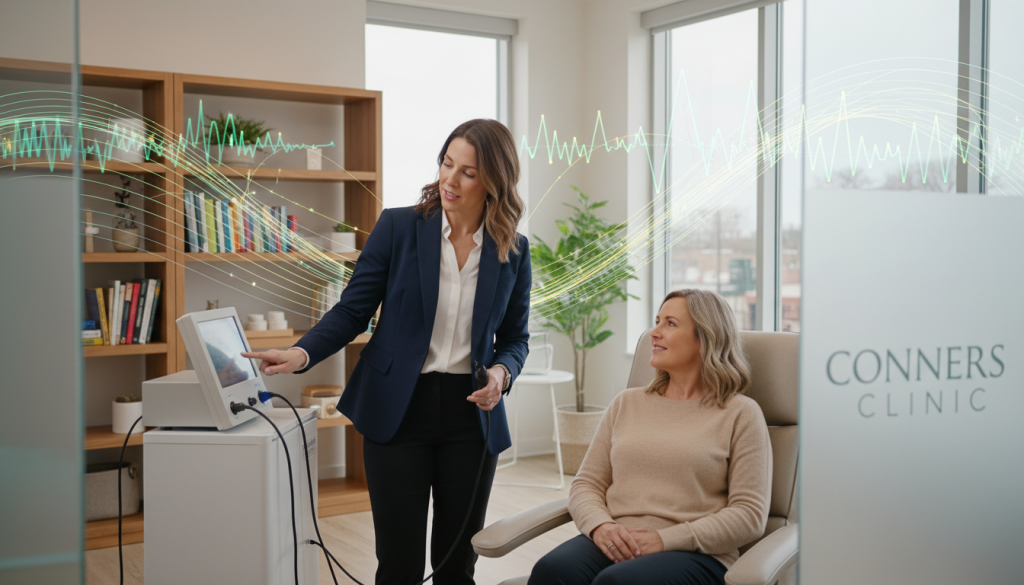
The device delivers low-energy electrical energy. This is done through hand-held plasma tubes or pads placed on the hands or feet.
Users typically engage with it for just a few minutes each day. Sessions are repeated several times a week for consistency.
Custom Programmed Settings at Conners Clinic
At our clinic, we do not use a one-size-fits-all protocol. I utilize a custom programmed device for each individual.
This allows us to deliver specific electrical impulses. They are tailored to the unique needs of the person.
I emphasize that the precision of the frequency settings is vital. It is central to the potential efficacy of the sessions you undergo here.
Mechanism of Frequency Targeting for Diseased Cells
The mechanism of this rife therapy is based on a principle of resonance. Every cell type, including harmful ones, has a specific energetic signature.
By applying low-energy impulses, the device aims to match the frequency linked to a disease state. The goal is to disrupt the integrity of the unwanted cells.
This approach to treatment is designed to support your overall health. It addresses underlying energetic imbalances that may contribute to illness.
| Aspect | Method | Purpose |
|---|---|---|
| Delivery | Conductive pads on hands/feet or plasma tubes | Transmit low-energy electrical impulses into the body. |
| Session Frequency | Several times a week | Maintain consistent exposure for potential support. |
| Duration | A few minutes per session | Allow for efficient application without discomfort. |
| Core Principle | Frequency matching | Aim to disrupt unwanted cellular activity. |
This form of rife therapy is a supportive tool. For a deeper explanation of its foundations, you can learn more about the Rife machine on our site.
Exploring the History and Evolution of Rife Technology
Our understanding of frequency applications today is built upon a foundation laid by controversial yet influential figures. This historical context is essential for a balanced view.
From Early Discoveries to Modern Adaptations
The evolution of the rife machine is deeply rooted in early 20th-century thought. Royal Raymond Rife held a specific belief about the origin of many illnesses.
He proposed that bacteria were a primary cause of various conditions, including cancer. His original technology was designed to address these pathogens directly.
Modern adaptations have continued to explore this field. However, the core principles remain connected to those early discoveries.
Influence of Albert Abrams and Frequency Research
A key predecessor was Albert Abrams, a pioneering scientist. His work on electromagnetic frequencies significantly influenced Rife’s own research.
While some researchers have continued to study frequency-based devices, mainstream science has often been skeptical. For instance, the American Cancer Society published a review debunking many early marketing claims for the machine.
I believe understanding this complex history is vital. It allows you to maintain a realistic perspective when considering modern frequency-based technology for your health.
Potential Benefits for Autoimmune Conditions
Many patients I work with seek not just treatment, but a meaningful improvement in their daily well-being. They are looking for supportive strategies that address the root of their discomfort.
Exploring the potential benefits of frequency-based approaches is a common part of this search. I aim to outline what individuals often hope to achieve.
Support for a Healing Journey
Managing a complex condition is a personal journey. The goal is to foster an internal environment conducive to repair.
This form of therapy is frequently explored for its supportive role. It may help modulate the body’s response patterns.
I have observed that patients often experience a reduction in their symptoms. This can lead to a better quality of life and renewed hope.
Impact on Immune Function and Chronic Pain Relief
A primary reported benefit is relief from persistent chronic pain. This is a major concern for those with inflammatory conditions.
By potentially calming an overactive immune response, the approach supports systemic balance. This can influence the behavior of specific cells involved in the disease process.
Effective management of chronic pain and other symptoms directly contributes to overall health. It allows for greater engagement in life and other healing practices.
Always monitor your body’s response to any new treatment. Adjust your plan with your healthcare provider to support your long-term health goals for your condition.
Safety Considerations and Reported Side Effects
A crucial part of exploring any health tool is understanding its safety profile. I believe informed decisions are the foundation of responsible wellness.
This requires looking at both user experiences and regulatory perspectives. Balancing hope with caution is my professional duty.
What Users Have Reported
Many individuals describe this form of therapy as safe and gentle. However, documented side effects do exist and must be acknowledged.
These can include minor electrical shocks or skin rashes. Such reactions are typically linked to improper device use or individual sensitivity.
Listening to the body’s signals during any new treatment is essential. Noting any discomfort allows for timely adjustments.
Guidelines for Safe Usage
A paramount point is regulatory status. The FDA has not approved the rife machine for diagnosing, curing, or treating any condition, including cancer.
I strongly advise you to never replace your standard cancer care or professional medical treatment with it. This device should only be considered a complementary approach.
For example, some explore its use as a complementary approach alongside chemotherapy. Always ensure your primary doctor is fully aware of any complementary care you use.
| Consideration | Details | Action Step |
|---|---|---|
| Reported Side Effects | Skin irritation, minor electrical sensation. | Discontinue use and consult a professional if these occur. |
| Regulatory Status | Not FDA-approved for medical treatment. | View it as supportive, not a primary cure. |
| Key Guideline | Integration with Standard Care | Maintain all conventional treatments and keep your doctor informed. |
Being mindful of potential side effects is necessary for responsible use. Your safety and informed consent guide every recommendation I make.
Scientific Research and Evidence in Frequency Therapy
When examining the evidence behind frequency therapy, we must distinguish between laboratory findings and clinical applications. The field of bioelectronic medicine continues to evolve, with research exploring how specific waves interact with living systems.
Laboratory Studies and Initial Findings
In controlled studies, low energy electromagnetic waves have shown intriguing effects. For instance, one study on hepatocellular carcinoma found that certain frequency waves could inhibit cancer cells without harming normal cells.
This suggests a potential to selectively target unhealthy cells. Other researchers have investigated pulsed electromagnetic field (PEMF) therapy as a non-invasive approach.
A comprehensive review of the literature indicates these methods might help kill cancer cells in a lab setting. However, translating these results into an effective human treatment for cancer or other disease requires much more research.
The mechanisms differ from approaches targeting bacteria. Current studies offer promise, but they do not prove this therapy can kill cancer in the body.
Custom Programmed Rife Machines at Conners Clinic
Personalization forms the cornerstone of effective supportive care at our clinic. At Conners Clinic, we provide custom programmed rife machines. They are designed to address the specific needs of your health condition.
This tailored philosophy is central to our methodology. I believe a one-size-fits-all protocol cannot account for individual biological variations.
Personalized Frequency Settings
The primary advantage of our approach is adjustable frequency settings. Each patient receives a program calibrated to their unique energetic profile.
This precision allows the machine to deliver impulses that resonate with your specific state. It is a fundamental aspect of effective rife therapy.
Advantages of a Tailored Approach
A customized program aims for greater precision in supportive therapy. It seeks to address the root imbalances contributing to a chronic disease.
This form of rife therapy integrates seamlessly into your broader wellness strategy. It works alongside other modalities you may be using.
| Approach | Frequency Setting | Primary Target | Intended Outcome |
|---|---|---|---|
| Standardized | Fixed, general programs | Broad symptom categories | General support |
| Customized (Our Clinic) | Adjusted per individual assessment | Your unique energetic signature | Precise, personalized treatment support |
Cost, Accessibility, and Practical Considerations
A key question I often hear from patients revolves around affordability and access to alternative therapies. Understanding the financial and logistical aspects is essential for realistic planning.
This section addresses the practical side of integrating these tools into your wellness strategy. Let’s examine what you might expect.

Investment in Alternative Therapies
The price of a quality device can vary widely. You may encounter costs ranging from several hundred to multiple thousands of dollars.
This represents a significant personal investment in alternative therapies. It’s crucial to budget accordingly.
Most insurance plans do not cover this expense. These tools are not recognized as standard medical equipment for treatment.
When comparing options, consider the price against conventional approaches like chemotherapy. Each path has different financial implications.
This page offers educational insights into the practical use of such technology. It is not a substitute for professional medical advice.
I encourage you to carefully evaluate the cost and potential benefits of these alternative therapies. Make an informed decision that aligns with your health goals and resources.
Looking Ahead: Embracing Future Trends in Frequency Therapy
Looking forward, I see tremendous potential in the continued refinement of frequency-based wellness strategies. The integration of rife therapy into modern integrative medicine remains a key area of interest.
I am optimistic that ongoing studies will better define its supportive role. This is especially true for managing difficult symptoms of a complex condition.
We must maintain realistic expectations regarding claims about a cure for cancer. Research into frequency-based therapy for cancer is still evolving.
My mission is to provide clear education on how rife therapy and this machine can be used safely. They should complement conventional cancer care, not replace it.
We will monitor new developments closely. Our approach to your health must always be both evidence-based and deeply compassionate.
FAQ
What is the connection between Royal Raymond Rife’s work and modern frequency therapy?
Royal Raymond Rife was a pioneering scientist who theorized that specific electromagnetic frequencies could resonate with and disrupt harmful microorganisms. His legacy forms the historical foundation for contemporary frequency-based devices. Today’s technology builds upon his early concepts with more precise and programmable equipment.
How does a frequency device theoretically target unhealthy cells without harming healthy ones?
The core concept is based on the principle of resonance. The theory suggests that different cells and pathogens vibrate at unique electromagnetic frequencies. A programmed device aims to emit a frequency that matches and amplifies the resonance of a targeted diseased cell or invader, potentially leading to its destabilization, while leaving healthy cells unaffected.
Can this approach help manage symptoms like chronic pain associated with autoimmune conditions?
Some individuals and practitioners report that integrating this therapy into a broader wellness plan can support symptom management. While not a standalone cure, it may contribute to a sense of relief and improved well-being for some users when used as part of a comprehensive strategy that addresses diet, stress, and other foundational health factors.
What are the common side effects or safety considerations I should know about?
Reported effects are generally mild and temporary, often described as a “detox” response. These can include mild fatigue, headache, or flu-like feelings. It’s crucial to use these devices under guidance, start with lower intensities, and stay well-hydrated. Always consult with a healthcare provider, like our team at Conners Clinic, to ensure safe integration with your care.
Is there scientific evidence supporting the use of frequencies for health conditions?
Research in this field is evolving. Early laboratory studies, including some of Rife’s own observations, suggested specific frequencies could affect microorganisms. The broader scientific community calls for more robust, large-scale clinical trials. Current use is often based on historical theory, anecdotal reports, and its application within integrative medicine practices.
Why does Conners Clinic emphasize custom-programmed settings for its devices?
We believe in a personalized approach because every individual’s health profile is unique. Custom programming allows us to tailor the electromagnetic frequencies based on a person’s specific needs and wellness goals. This tailored strategy aims to enhance the potential relevance and support of the therapy within your personalized health plan.
What is the typical cost and commitment for integrating this therapy?
Investing in alternative therapies like this varies. Costs can include device access, professional consultation fees for personalized programming, and time commitment for sessions. At our clinic, we view it as an investment in a comprehensive, integrative approach, focusing on creating a sustainable, long-term plan for health rather than a quick fix.
What future trends are emerging in the field of frequency-based wellness?
The field is moving towards greater technological precision and integration. We see trends in more sophisticated, digitally programmable devices, and a growing interest in combining frequency applications with other bioenergetic and holistic modalities. The future lies in personalized, data-informed wellness strategies that bridge traditional wisdom with modern technology.