
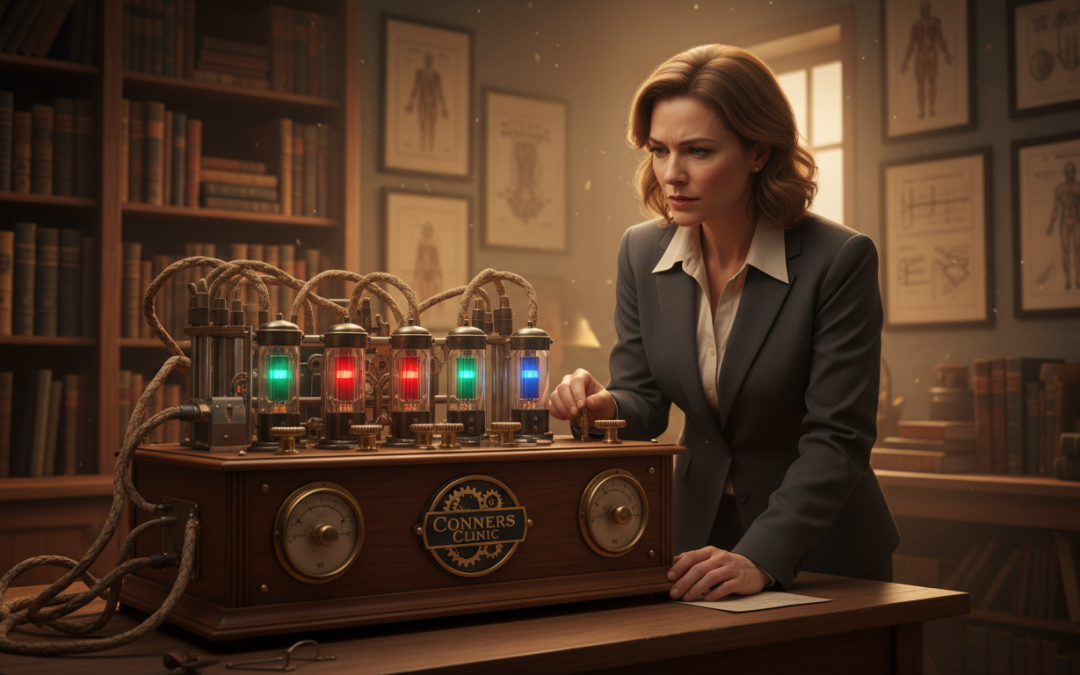
I often speak with individuals who feel overwhelmed by their online search for healing. A recent conversation with a patient stays with me. She was desperate for clarity after reading bold claims that a certain device could cure her condition.
This device, invented by American scientist Royal Raymond Rife in the 1920s, is promoted across many websites. These sites claim it can cure cancer without presenting solid scientific research. Navigating this landscape requires careful discernment for your personal health.
My goal here is to cut through the noise. I will explore these complex claims to give you a balanced perspective. It is vital to prioritize evidence-based information when making any medical decision.
Understanding the potential for misinformation is a critical step. This is true for any patient evaluating alternative therapies for their personal cancer journey. We will also examine theories on its use with standards of.
Key Takeaways
- The Rife device was developed in the 1920s by Royal Raymond Rife.
- Many online sources make strong curative claims that lack scientific backing.
- A balanced, evidence-based approach is essential when considering any therapy.
- Patients should be aware of the potential for misinformation in alternative health.
- Understanding the history and controversy helps in making informed personal choices.
- Integrating any alternative approach with conventional care requires professional guidance.
Introduction to Rife Machines and Their Origins
The story of modern frequency therapy begins with two pioneering figures whose ideas sparked a century of debate. To understand these devices, we must examine their scientific roots and the theories that inspired them.
The Legacy of Royal Raymond Rife
American scientist Royal Raymond Rife created his famous device in the 1920s. He aimed to target what he termed the “mortal oscillatory rate” of pathogens. Raymond Rife believed specific energy waves could destroy unhealthy cells.
His claims about visualizing microbial auras were never accepted by mainstream researchers. The original machines lacked support from rigorous clinical trials. Yet, the legacy of Royal Raymond persists in alternative circles today.
The Influence of Dr. Albert Abrams
Dr. Albert Abrams pioneered the field of radionics in the early 20th century. He theorized that every illness resonated at a unique electromagnetic frequency. This concept directly influenced the work of Royal Raymond Rife.
Abrams’ idea suggested that delivering the correct wave could disrupt disease. This foundation is key to understanding many contemporary frequency-based therapies. It framed illness as a matter of energetic imbalance within the body.
Together, these innovators laid a controversial groundwork. Their concepts continue to fuel discussions, despite a clear need for more scientific evidence.
Understanding rife machine benefits and risks
Patients exploring frequency-based treatments often encounter a mix of hopeful testimonials and concerning reports. I guide individuals to look beyond personal stories. A balanced view requires examining both perceived advantages and documented dangers.
Exploring Potential Health Benefits
Many users share stories of improved well-being after using these devices. They describe feeling more energy or reduced discomfort. It is vital to distinguish these anecdotal health benefits from verified clinical outcomes.
Proponents often claim the device can cure cancer. These assertions lack backing from reputable scientific organizations. No peer-reviewed data supports such definitive claims for cancer treatment.
Some people report feeling better subjectively. This does not equate to evidence-based efficacy. Robust research from clinical trials is missing for most conditions.
Identifying Possible Side Effects
Documented user reports include instances of electrical shocks and skin rashes. The lack of standardized quality in these machines poses significant safety risks. Not all side effects are widely reported.
This underreporting makes it difficult to assess the true safety profile. Potential harms may be more common than anecdotal accounts suggest. I emphasize caution and professional consultation before starting any new therapy.
How Custom Programmed Rife Machines at Conners Clinic Work
At Conners Clinic, we tailor frequency delivery to align with each patient’s unique health profile. This personalized method moves beyond generic settings found online.
Overview of Custom Programming
Our custom programmed systems are configured for individual needs. We select specific frequencies based on a comprehensive assessment.
This process is part of a broader integrative strategy. It is not a standalone cure for any condition.
“Personalized frequency adjustment made me feel seen in my care journey. It was one part of a larger plan.”
The table below highlights key differences between common approaches and our clinic’s method.
| Feature | Generic Devices | Conners Clinic Custom Programmed |
|---|---|---|
| Frequency Settings | Pre-set, one-size-fits-all programs | Individually selected based on patient evaluation |
| Integration with Care | Often used in isolation | Fully integrated into a comprehensive wellness plan |
| Safety Protocols | Variable, often lacking oversight | Administered with professional guidance and monitoring |
| Patient Support | Limited or no clinical support | Ongoing support from our integrative medical team |
We view this technology as a supportive tool within holistic cancer care. Our goal is to enhance overall well-being, not replace conventional treatments.
Learn more about our integrative approach at Conners Clinic.
Electromagnetic Frequencies and Their Role in Therapy
Low-energy waves, similar to those used in AM radio broadcasts, form the core mechanism of many alternative frequency devices. I find it helpful to explain their role by starting with basic physics.
Mechanism Behind Low Energy Waves
These devices emit specific electromagnetic fields. The energy level is very low, akin to the radio waves that carry music to your car.
This energy is generally too weak to reach deep into the body’s tissues. It differs from the high-power waves used in standard radiotherapy.
Comparisons to Radio Waves and Other Treatments
It’s a common error to equate these with high-energy medical treatments. Modern oncology uses powerful radio frequency energy to destroy tumors.
The output from alternative frequency devices is significantly lower. They are distinct from the electromagnetic frequency therapy being studied in labs today.
Understanding this physics is crucial for setting realistic expectations about any therapy.
Evaluating Claims: Can Rife Machines Cure Cancer?
The central claim that certain frequency devices can eliminate cancer requires a clear-eyed analysis of the evidence. I guide patients to weigh hopeful personal stories against the rigorous standards of medical science.
This distinction is vital for making safe, informed health decisions.
Anecdotal Evidence Versus Scientific Research
Many websites feature powerful testimonials from individuals. These personal stories describe remarkable recoveries attributed to specific therapies.
While these accounts are emotionally compelling, they do not constitute scientific proof. Anecdotal reports lack the controls of formal clinical trials.
Relying on them for serious cancer treatment can be dangerous. It may lead people to delay or abandon proven, life-saving care.
Insights from Clinical Studies and Reviews
Formal research tells a different story. A comprehensive 2013 review concluded no scientific evidence supports using these devices to treat cancer.
The American Cancer Society classifies them as unproven alternative medicine. Independent researchers have consistently failed to replicate the original curative claims.
Without validation from peer-reviewed studies, these assertions remain unsupported. My professional stance prioritizes therapies with robust data for patient safety.
Assessing Safety and Risk Factors
Two tragic cases from medical literature starkly illustrate the gravest danger of forgoing conventional oncology care. In 1997, a patient passed away four months after choosing a specific frequency device over chemotherapy. Another case in 2004 involved a 32-year-old man who died from testicular cancer after refusing surgery.

Reports of Electrical Shocks and Skin Reactions
Beyond the critical risk of delaying proven cancer treatment, users report physical side effects. These include mild electrical shocks and skin irritation from contact pads.
Such issues often stem from variable device construction. A lack of standard regulation means quality and safety controls are inconsistent. This increases the potential for burns or electrical failure during use.
The paramount concern remains postponing evidence-based care. Robust clinical trials support conventional therapies for a reason. Relying on unproven devices can have fatal consequences.
| Type of Risk | Description | Documented Case/Evidence |
|---|---|---|
| Delay of Conventional Care | Choosing unproven therapy over surgery, chemo, or radiation. | 1997 & 2004 patient fatalities. |
| Physical Side Effects | Localized reactions like skin irritation or minor shocks from pads. | User reports and anecdotal accounts. |
| Device Quality & Safety | Variable construction due to lack of manufacturing standards. | Risk of burns or electrical malfunction. |
I urge anyone considering these therapies to consult their oncology team first. Patient safety must be built on solid evidence, not hope alone.
Research on Electromagnetic Frequency Therapy
When examining the scientific literature, I find a distinct separation between experimental electromagnetic studies and the devices marketed to patients. It is vital to understand what genuine research reveals about this field.
Laboratory Studies and Early Clinical Trials
A 2012 study showed specific electromagnetic frequencies could stop cancer cell growth in test tubes. This in vitro work is intriguing but occurs in a controlled lab environment.
These findings do not equate to a proven therapy for the human body. The frequencies used in such studies differ from those in commercial devices.
A 2016 review noted promise in animal models. However, a critical lack of human clinical trials remains. Robust evidence for cancer treatment is still missing.
| Research Stage | Key Finding | Clinical Relevance |
|---|---|---|
| In Vitro (Test Tube) | Specific frequencies inhibit cancer cell proliferation. | Preliminary; not directly applicable to human treatment. |
| Animal Studies | Some positive effects observed in controlled settings. | Requires validation through human clinical trials. |
| Human Clinical Trials | Severely lacking for electromagnetic frequency therapy. | Essential before any therapeutic claims can be made. |
Alternative Treatments and Complementary Approaches
Cancer Research UK provides clear guidance on the dangers of substituting unproven devices for established care. I see many patients who seek additional support during their journey. It is vital to distinguish between complementary methods and unverified alternatives.
Comparing Rife Machines to Conventional Cancer Treatments
Conventional oncology treatments undergo rigorous clinical trials. This process ensures safety and efficacy for patients. The same level of evidence does not exist for rife devices.

Always discuss any new therapy with your primary oncology team. This step protects your health. Some complementary therapies, like meditation, have more research for managing symptoms.
Delaying proven cancer treatment can increase the risk of disease progression. Prioritize your conventional care plan. Explore supportive options that do not interfere with it.
Patient Experiences and Real-Life Applications
Marketing often leans on emotional narratives, a tactic clearly seen in the promotion of certain frequency-based devices. During the 1990s, multilevel marketing schemes sold many units primarily through powerful personal testimonials.
These stories created a compelling, but scientifically unsupported, sales pitch. It is vital to examine this history to understand the landscape of patient reports today.
Testimonials and Observations
I listen to many personal accounts in my practice. Individuals often share feelings of empowerment and improved well-being.
Taking control of one’s health journey is a positive step. However, this feeling should not replace safety and evidence-based care.
Positive observations from people do not validate a medical treatment. Relying on them for serious cancer decisions can be dangerous.
It may lead to delaying proven, life-saving conventional therapy. The table below clarifies the fundamental differences between anecdotes and science.
| Aspect | Anecdotal Evidence | Clinical Evidence |
|---|---|---|
| Source | Personal stories, testimonials, online reviews. | Peer-reviewed studies and controlled clinical trials. |
| Regulatory Oversight | Often has none, especially online. | Rigorous review by institutional boards and journals. |
| Purpose | To share an individual experience; often used for promotion. | To objectively test safety and efficacy for populations. |
| Role in Decision-Making | Should inspire questions, not provide answers. | Forms the foundation for safe, effective cancer treatment plans. |
Always look for peer-reviewed studies rather than personal stories. Reputable sources like Cancer Research UK provide crucial information based on evidence.
Discuss all options with your oncology team. This ensures your choices are informed by clinical trials, not marketing.
Debunking Myths and Addressing Misinformation
The history of these devices is intertwined with controversy, including early condemnation from medical authorities. The American Medical Association formally criticized Royal Raymond Rife’s experiments during his lifetime. They noted a complete lack of substantiated evidence for his bold claims.
Many myths persist today. One common falsehood suggests bacteria or viruses are the sole cause of all cancer. This is scientifically inaccurate. Cancer involves complex genetic and environmental factors.
It is vital to address the misinformation spread by promotional websites. These sites often present these devices as a viable alternative to conventional medical care. This can be dangerously misleading for people seeking health solutions.
No reputable cancer organization supports the use of these therapies. Patients should rely on information from verified medical institutions. Robust clinical trials form the foundation of safe cancer treatment.
By debunking these myths, I help patients make informed decisions. Prioritizing long-term health and safety over unproven trends is essential. Always consult your oncology team before exploring any alternative therapy.
Final Reflections on Rife Machine Benefits and Risks
Your journey toward wellness deserves a foundation built on rigorous science and professional medical guidance. I must reiterate that no robust evidence supports using these devices as a standalone cancer treatment.
Delaying proven conventional care for unverified therapies carries significant health risks. Always maintain an open dialogue with your oncology team about any complementary approach.
Prioritize clinical trials and peer-reviewed research when evaluating new technologies. This is the best way to protect your well-being.
At our clinic, we view specific frequencies as one supportive tool within a broader plan. Learn more about our perspective on Rife therapy and its integrative role.
Your health is precious. Making informed, evidence-based decisions ensures the most positive outcomes for your care journey.
FAQ
What is the history behind this type of frequency therapy?
This approach stems from the work of Royal Raymond Rife in the 1930s. He theorized that specific electromagnetic frequencies could target pathogens. His concepts, along with earlier ideas from Dr. Albert Abrams, form the historical basis for modern devices, though his original claims are not supported by contemporary science.
How do these devices purportedly work to support health?
Proponents believe they emit low-energy electromagnetic waves, similar to radio waves, set to specific rates. The theory is that these frequencies can disrupt harmful microorganisms or resonate with unhealthy cells without damaging surrounding tissue. At our clinic, we use custom programming to tailor these sessions to an individual’s needs.
What are the potential side effects or safety concerns?
A> While generally considered low-risk, some users report minor skin irritation, temporary fatigue, or headaches—often termed a “healing crisis.” A primary safety concern involves improper device use, which could lead to electrical shock. It is crucial to use equipment under professional guidance and never as a sole treatment for serious conditions like cancer.
Is there scientific proof that this therapy can cure diseases?
Currently, there is no robust scientific evidence from clinical trials to support claims that it can cure cancer or other major illnesses. While some laboratory studies on electromagnetic frequency effects exist, they do not validate the specific curative claims made by early pioneers. Anecdotal patient testimonials are not a substitute for validated medical research.
How does this approach compare to conventional cancer care?
It is not a replacement for proven oncology treatments like chemotherapy, radiation, or surgery. In an integrative model, it might be explored as a complementary therapy for overall wellness support. Always discuss any alternative treatment with your primary oncologist to ensure it does not interfere with your standard care plan.
What should I look for in a reputable provider?
Seek a licensed healthcare professional experienced in integrative therapies. A reputable provider will not promise cures, will fully explain the lack of conclusive evidence, and will emphasize its role within a broader wellness plan. They should conduct a thorough health assessment and never discourage you from continuing conventional medical treatments.