

I remember sitting with a new client, Maria, shortly after her diagnosis. She was determined to fight her illness with every tool available. Alongside her standard medical plan, she asked about gentler, holistic approaches that had been used for centuries. Her question is a common one in my practice.
This practice, developed over two hundred years ago, remains a popular complementary path. Many individuals, like Maria, look for additional information on how such methods can support their overall health journey.
As a practitioner, I see this search for understanding firsthand. My role is to provide clear context. People deserve to know how different strategies might fit into a broader plan for managing their disease.
This guide aims to bridge that gap. I want to offer balanced insights to help you evaluate all your options with clarity and confidence.
Key Takeaways
- Homeopathy is a complementary therapy with a history spanning more than two centuries.
- Many patients explore it to support their overall wellness during a health challenge.
- It is crucial to understand its role within a comprehensive management strategy.
- Primary care should always be grounded in evidence-based medical science.
- Informed decisions are empowered decisions when navigating any treatment plan.
- This resource provides context to help you discuss options with your healthcare team.
Understanding the Principles of Homeopathy
The core philosophy behind this practice rests on two central tenets developed centuries ago. It originated from the work of Dr. Samuel Hahnemann, a German physician. He sought a gentler, more holistic system for managing illness over two hundred years ago.
This medical system’s history is fascinating. Remedies are derived from natural substances like plants, minerals, and animal products. In large amounts, these same materials would produce specific symptoms in healthy people.
The Concept of ‘Like Cures Like’
The first principle is similia similibus curentur, or “like cures like.” It suggests a substance that causes certain reactions in a well person can, in a highly diluted form, treat similar reactions in someone who is unwell. This idea forms the bedrock of the entire methodology.
The Law of the Smallest Dose
The second tenet involves extreme dilution, known as potentization. Practitioners believe this process removes any toxic effects while retaining a therapeutic “memory” of the original substance. The goal is to stimulate the body’s own self-healing mechanisms with minimal intervention.
Understanding these ideas is crucial. It helps explain why some individuals consider this approach as part of a broader, integrative health strategy. It emphasizes a personalized view of the patient and their unique symptoms.
Homeopathy for Cancer Treatment: An Overview
In my clinical experience, a significant number of people seek additional methods to bolster their sense of agency during medical challenges. This approach is one of the most common complementary therapies used for this purpose.
Integrative Approach at Conners Clinic
At Conners Clinic, I advocate for an integrative model. Our priority is safe, evidence-based management for every individual under our care. This strategy bridges traditional medical science with supportive, holistic strategies.
Complementing Conventional Care
It is vital to understand that this therapy is a complementary alternative. It should never replace primary conventional protocols. Many patients find that integrating such options helps them feel more in control while undergoing rigorous medical plans.
My professional perspective is that effective care requires this bridge. I provide this information so individuals can navigate their choices safely. The goal is to support wellness without compromising the efficacy of primary interventions. Always discuss any new therapy with your oncology team.
How Homeopathic Remedies Are Prepared and Administered
One of the most common questions I receive from individuals in my practice is about how these gentle remedies are actually made and taken. The process is distinct from conventional pharmaceutical manufacturing.
Understanding this journey from source material to finished product provides crucial context. It helps people make informed decisions about the products they may consider.
From Plant, Mineral, and Animal Substances to Remedies
The starting point is always a natural source. These substances can include plants like arnica, minerals like sulfur, or animal products.
Manufacturers use a specific method called potentization. They repeatedly dilute the original material in water or alcohol and vigorously shake it. This continues until very little of the initial substance physically remains.
This defines the highly personalized nature of this medicine. The goal is to create a therapeutic signal for the body’s self-regulation.
Forms and Methods of Administration
These remedies come in several user-friendly forms. Patients may receive them as small tablets, sweet granules, powders, liquid tinctures, or topical creams.
This variety makes them easy to incorporate into a daily routine. However, sourcing is a key safety point.
I always advise patients to seek information from reputable suppliers. Not all homeopathic products are held to the same standards.
Proper use is a focus during consultation. I ensure every person understands how and when to take their specific homeopathic remedies.
| Form | Description | Typical Use |
|---|---|---|
| Tablets & Granules | Small, sweet pellets that dissolve under the tongue. | Most common for systemic support; easy to dose. |
| Liquid Tinctures | Alcohol or water-based solutions, often taken by dropper. | Flexible dosing; can be added to water. |
| Topical Creams/Ointments | Applied directly to the skin. | Used for localized symptoms or skin support. |
| Powders | Fine medicinal powders in single-dose packets. | Less common; dissolved in water before use. |
Integrative Insights into Conners Clinic’s Approach
When individuals walk into my clinic, they often seek more than just a standard protocol. They look for a partnership in healing. My integrative model is built on this foundation of collaborative, personalized care.
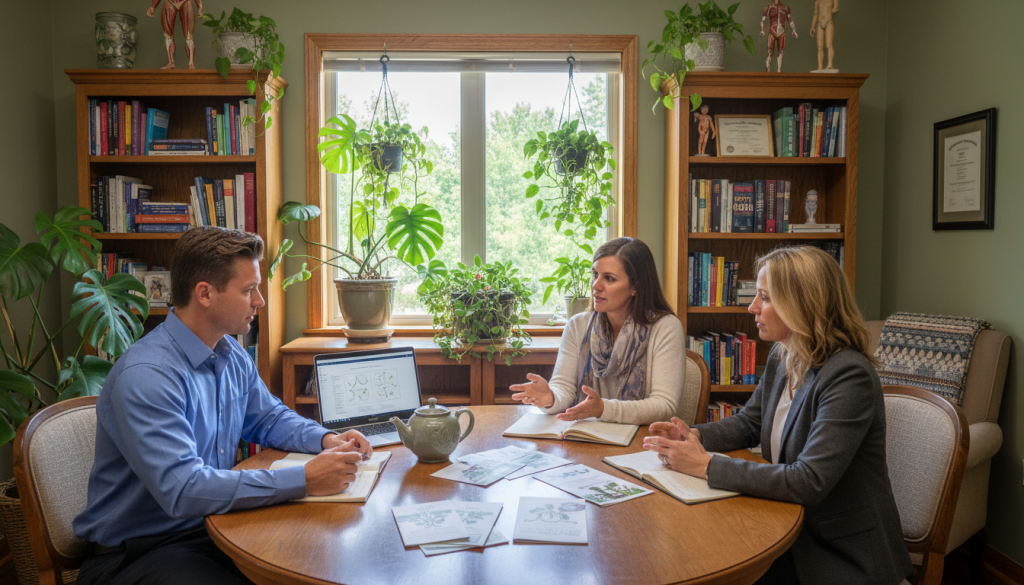
Personalized Consultations and Care
Every journey here begins with a detailed conversation. A typical session lasts about 45 minutes. We discuss your complete health history, lifestyle habits, and diet.
This deep dive provides the information needed to tailor a plan. The investment for this initial consultation can vary, reflecting the personalized attention given.
My goal is to understand you as a whole person. This understanding directly shapes the supportive therapies we consider.
| Consultation Focus | Key Details | Primary Goal |
|---|---|---|
| Health History | Comprehensive review of past and present health. | Identify unique patterns and needs. |
| Lifestyle & Diet | Analysis of daily habits and nutritional intake. | Create supportive environmental strategies. |
| Personalized Planning | Development of an integrative support plan. | Address the individual, not just the diagnosis. |
| Investment Range | Costs align with the depth and duration of care provided. | Ensure accessible, personalized attention for all patients. |
Supporting the Healing Journey
This approach extends far beyond a single appointment. I focus on creating a sustained, supportive environment for all patients. This holistic view is central to managing any serious illness.
Integrating gentle modalities like homeopathy can be part of this support. It is designed to complement your primary medical treatment.
For those seeking a structured path, our alternative cancer memberships offer ongoing guidance. We aim to enhance quality of life for every person under our care.
Scientific Research, Evidence, and Controversies
A critical part of my practice involves reviewing clinical research to separate hope from evidence. This area is filled with passionate debate. People deserve clear information about what studies actually show.
Study Findings and Placebo Considerations
Many investigations face a core challenge: the placebo effect. Individuals often feel better because they believe a therapy works. It’s a powerful part of healing.
A 2016 systematic review analyzed 41 different trials. It found these remedies had no more side effects than placebos. This is important for safety discussions.
Some specific applications show promise in early research. For example, Arnica montana is sometimes used after breast surgery. Calendula ointment can help with skin issues from radiotherapy. These are supportive uses, not cures.
Limitations of Current Research
However, major health bodies have raised concerns. In 2010, a UK committee found no strong proof these methods work beyond a placebo for any disease. They recommended stopping public funding.
Many studies are too small to give definitive answers. Research on anxiety or breast cancer symptoms often lacks scale. A 2017 paper highlighted a serious risk: patients might delay proven care.
We need larger, higher-quality clinical trials. Current evidence does not support using these products as a primary solution. My role is to help patients understand these gaps.
| Report / Study | Year | Key Finding | Implication for Patients |
|---|---|---|---|
| UK Science and Technology Committee | 2010 | No evidence of efficacy beyond placebo for any condition. | Public health systems may not support this approach. |
| Systematic Review of 41 Studies | 2016 | No significant difference in side effects compared to placebo. | Highlights safety but not proven therapeutic effect. |
| Study on Treatment Adherence | 2017 | Risk of abandoning conventional therapy. | Emphasizes the danger of replacing standard care. |
| Research on Arnica & Calendula | Various | Potential supportive benefits for specific symptoms. | May be considered for comfort alongside primary treatment. |
Addressing Patient Concerns and Safety Considerations
Patient safety is the cornerstone of any discussion about integrating additional wellness strategies. In my practice, I prioritize clear, honest conversations about potential risks. This ensures every individual can make empowered choices for their health.
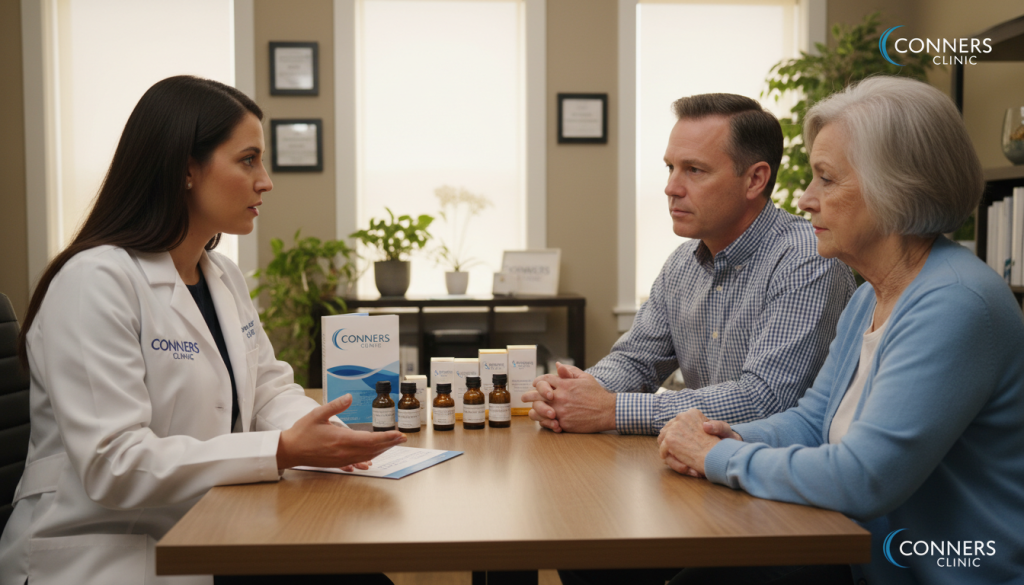
Potential Side Effects and Interactions
A critical warning comes from the NIH. Some homeopathic products may contain heavy metals or are not properly diluted. This can lead to severe side effects.
Always inform your oncology team about any remedies you are using. This prevents dangerous drug interactions with your primary treatments. I advise patients to keep a simple log of any new symptoms.
Ensuring Quality and Proper Use
Not all homeopathic medicines are created equal. Selecting a reputable practitioner is vital for quality assurance. They should provide transparent information about their products.
While some people use these therapies for anxiety or breast cancer-related discomfort, they must never replace conventional cancer care. Proper use means working alongside your medical team. For authoritative guidance, consult resources from reputable medical institutions.
My commitment is to help you navigate these complementary alternative options safely while managing your disease effectively.
Real-World Experiences and Clinical Insights
The consultation room is where theoretical evidence meets the lived reality of managing a serious illness. Here, patient narratives provide a depth of information that controlled trials sometimes cannot capture. These stories shape my clinical understanding profoundly.
Patient Case Observations
Over the years, I have seen many patients incorporate supportive remedies into their plan. A common goal is managing anxiety or physical symptoms. This choice is profoundly personal.
Each case offers a lesson. It shows how people perceive the benefit of their chosen medicines. Is it the placebo effect or the substance itself? Often, the distinction blurs in practice.
Formal study results may show limited evidence for these products. Yet, individual reports frequently highlight better quality of life during disease management. This contrast is crucial for holistic treatment.
I have observed individuals use such approaches to cope with side effects from breast cancer care. My role is to acknowledge this while emphasizing caution. Safety must always guide integration.
| Reported Symptom | Supportive Approach Used | Patient-Reported Outcome |
|---|---|---|
| Treatment-Related Anxiety | Integrative consultation & selected remedies | Improved emotional coping and sleep quality |
| Minor Discomfort from Therapy | Topical applications alongside standard care | Enhanced local comfort and skin tolerance |
| General Quality of Life Concerns | Personalized holistic support plan | Increased sense of agency and well-being |
My responsibility is clear. I synthesize these real-world observations with the latest scientific evidence. This synthesis guides each patient toward their safest, most informed path forward.
Next Steps on Your Holistic Healing Journey
Navigating health decisions requires a balance of personal insight and professional guidance. Your path is unique. I encourage you to keep seeking information that empowers your choices.
Always talk with your medical team first. Discuss any new remedies or products before adding them to your plan. This open communication is vital for safety.
Remember, many people find comfort in complementary approaches. Yet, the foundation of your care must stay rooted in proven evidence. This is especially true when managing a serious disease.
I am here to support you. If you have questions about integrating holistic practices, please reach out. For a deeper look at one supportive path, explore holistic support options. Let’s ensure every step you take is informed and safe.
FAQ
Is this approach a replacement for my standard oncology care?
Absolutely not. At Conners Clinic, we view our methods as strictly complementary. Our goal is to support your body’s own healing processes and help manage symptoms or side effects from conventional therapies like chemotherapy. You should always continue working with your primary oncologist.
How does the ‘like cures like’ principle apply to a serious diagnosis?
This core principle guides remedy selection based on your unique symptom picture. For instance, a substance that might cause fatigue in a healthy person could be used in a highly diluted form to address extreme tiredness from treatment. It’s about finding a personalized match for your specific experience.
What does the research actually say about its effectiveness?
Current scientific evidence is mixed. Some studies show benefits for improving quality of life and reducing anxiety, while others point to a strong placebo effect. A major limitation is that large-scale, rigorous clinical trials are scarce. We believe more robust research is needed, but many patients report valuable subjective benefits.
Are these natural products safe to use with my other medicines?
A> While generally considered safe due to high dilution, it is crucial to coordinate all your care. Some remedies could theoretically interact with conventional drugs. We insist on a full review of your current medications during your consultation to ensure a completely integrated and safe plan.
Can it help with the side effects I’m experiencing from chemotherapy or radiation?
This is one of the most common applications in an integrative setting. We often see it used to help manage nausea, mouth sores, skin reactions, and anxiety. The aim is to make your conventional treatment journey more tolerable and support your overall wellness.
What is the first step if I’m interested in exploring this at Conners Clinic?
The first step is a comprehensive consultation. We will review your full medical history, diagnosis, current treatments, and personal health goals. This allows us to create a truly personalized strategy that complements your existing care and supports your holistic healing journey.