

I remember meeting Sarah, a vibrant woman in her fifties, shortly after her diagnosis. She was determined to fight, but the side effects of her initial treatment were overwhelming. She felt weak and had little appetite. “How can my body heal if I can’t even eat?” she asked me, her frustration palpable.
This is a common story. What Sarah discovered, and what I’ve seen repeatedly in my practice, is that targeted food strategies can be a powerful ally. Good nutrition provides the essential building blocks—vitamins, minerals, proteins, and more—that your body desperately needs to maintain strength.
Many people facing cancer actually require more protein and calories than the average person. Your body is working overtime. A personalized approach to eating isn’t just about sustenance; it’s about supporting your resilience and improving your quality of life during this challenging journey.
This guide shares evidence-based strategies. My goal is to help you understand how the right foods can support your recovery and overall health.
Key Takeaways
- Proper food intake is crucial for maintaining strength during medical care.
- Individuals often need increased protein and calories when managing illness.
- A personalized eating plan can significantly improve well-being.
- Food provides essential building blocks like vitamins and minerals for healing.
- Strategic nutrition supports the body’s resilience against treatment side effects.
- Evidence-based dietary strategies are a key part of a comprehensive care approach.
Understanding the Importance of Nutrition During Cancer Treatment
Many individuals are surprised to learn that their dietary needs can shift dramatically during periods of intense bodily stress. When you are undergoing medical therapy, your system requires specific fuel to repair tissues and maintain function.
This isn’t about following a standard diet. Your body is engaged in a significant battle, and its resource demands are higher.
Impact on Strength and Recovery
I see proper food intake as a direct investment in your resilience. Adequate calories and protein help prevent muscle loss and fatigue.
This support is vital for preserving your quality of life. Malnutrition can severely hinder your ability to tolerate and recover from aggressive interventions.
Role of Calories, Protein, and Nutrients
Your plan should prioritize energy-dense foods. Think beyond standard guidelines.
Key building blocks include:
- Protein: Essential for healing. Sources like meat, fish, eggs, and dairy are often emphasized.
- Healthy Fats: Provide concentrated energy for your body’s increased demands.
- Micronutrients: Vitamins and minerals from fruits and vegetables support immune function.
By focusing on these nutrients, you give your body the tools it needs to withstand the physiological stress of treatment.
nutritional counseling for cancer patients
A common question I receive in my practice is, “How do I know what to eat when everything seems to affect me differently?” This uncertainty is precisely where specialized support becomes invaluable.
General advice often falls short during complex medical journeys. A tailored approach is essential.
Benefits of Expert Guidance
Working with a specialist provides clarity and confidence. You gain a plan designed for your unique physiology and treatment phase.
Key advantages include:
- Personalized Strategies: Moving beyond generic tips to address your specific symptoms.
- Side Effect Management: Learning food-based techniques to help manage nausea or taste changes.
- Evidence-Based Focus: Ensuring every recommendation is grounded in current oncology nutrition science.
How a Registered Dietitian Can Help
A registered dietitian (RD) brings critical expertise to your care team. They translate complex needs into practical daily steps.
This professional collaborates directly with your doctors. Together, they create a cohesive plan that supports your body’s healing processes.
I strongly advise scheduling a consultation. A dietitian specializing in this field can make a profound difference.
For direct access to a board-certified expert, you can call 847-509-9595. This connects you with specialized support tailored to your journey.
Exploring Alternative Cancer Treatment Approaches
The landscape of oncology care is evolving, with many seeking integrative strategies that address the whole person. When facing a serious diagnosis, standard medical protocols are crucial. Yet, a growing number of individuals look for additional layers of support.
I often discuss these options with clients. They aim to enhance their body’s innate healing capacity during their cancer treatment journey.
Overview of Complementary Methods
Complementary approaches work alongside conventional medicine. They do not replace it. Instead, they focus on supporting overall well-being and managing symptoms.
Common methods include targeted nutrition, stress reduction techniques, and herbal supplements. The goal is to build resilience from multiple angles.
| Aspect | Conventional Focus | Complementary Approach |
|---|---|---|
| Primary Goal | Eradicate disease | Support the whole person |
| Common Methods | Surgery, chemotherapy, radiation | Nutrition, mind-body practices, detoxification |
| Philosophy | Target the illness directly | Enhance the body’s resilience and healing environment |
Highlight: Conners Clinic and Its Offerings
For those interested in a structured integrative plan, Conners Clinic provides specialized alternative cancer treatment options. You can learn more at https://www.connersclinic.com.
Their team integrates various modalities. This creates a cohesive strategy to support your body during cancer treatment.
I believe exploring such treatments can add valuable support. Always discuss any new approach with your primary care team first. This ensures safety and coordination across all your therapies.
Managing Common Nutrition-Related Side Effects
One of the most frequent challenges my clients face involves navigating the uncomfortable side effects that can accompany their medical journey. These symptoms can directly impact your ability to consume the food your body needs.
Addressing Nausea, Vomiting, and Appetite Loss
When dealing with nausea vomiting, I recommend a gentle, soothing mouth rinse. Mix 1/4 teaspoon baking soda and 1/8 teaspoon salt in a cup of warm water. This can help calm irritation.
For dry mouth, hydration is essential. Aim to drink eight or more cups of water daily. This keeps tissues moist and makes swallowing easier.
I always advise a dental check-up at least two weeks before starting therapy. This proactive step helps prevent serious mouth sores or infections down the line.
To combat unintentional weight loss, shift to smaller, more frequent meals. This ensures a steady supply of energy without overwhelming your system.
If food tastes metallic, try using plastic or wooden utensils instead of metal. This simple swap can make a big difference in your meal enjoyment.
Managing these side effects empowers you to support your body more effectively. Every small adjustment contributes to your overall well-being.
Nutritional Strategies During Chemotherapy and Radiation Therapy
Strategic meal planning becomes a cornerstone of resilience when undergoing intensive medical therapies like chemotherapy. Your body works hard with rapid cell turnover, making careful food planning essential to avoid common side effects.
Meal Planning for Treatment Days
I advise focusing on soft, easy-to-digest meals you can prepare in advance. This proactive step is a form of self-care.
Having gentle foods ready ensures your nutritional support remains steady, even on days when fatigue from treatment makes cooking feel impossible.
Adjusting Diet to Manage Side Effects
It’s important to know that radiation therapy side effects often begin two to three weeks after your treatment starts. Early preparation is key for maintaining your health.
I always tell my clients to sit upright for at least 30 minutes after eating. This simple habit helps manage reflux and improves your body‘s ability to digest food.
Adjusting your diet during chemotherapy can help mitigate the impact on your digestive system. Consider these practical shifts:
- Opt for smaller, more frequent meals to maintain energy.
- Choose bland, soothing foods if nausea is present.
- Stay well-hydrated with water throughout the day.
Handling Weight Changes and Preventing Cancer Cachexia
Cancer cachexia, a complex wasting syndrome, underscores why preventing weight loss is a top priority in supportive care. This condition involves more than just a number on the scale. It leads to severe weakness and muscle wasting in the body, directly impacting your strength and resilience.
I monitor my clients’ weight closely because even small, steady changes can be an early signal. They may indicate that the body is not absorbing the necessary nutrients to fight the disease effectively.
Recognizing Signs of Malnutrition
Tracking your weight weekly is a simple yet powerful tool. Report any significant drop to your doctor promptly.
Other signs include persistent fatigue, reduced muscle mass, and a lack of appetite. Early recognition is essential for your long-term health.
Tips to Maintain Healthy Weight
If you are struggling with weight loss, focus on energy-dense foods. Add extra calories to meals through healthy fats like avocado, olive oil, or nut butters.
Prioritize high-protein options. These provide the building blocks your system needs to repair itself during cancer treatment.
Consuming smaller, frequent meals can also help maintain a stable weight and ensure a steady supply of vital nutrients.
Emphasizing the Role of a Registered Dietitian in Cancer Care
The expertise of a registered dietitian often becomes the missing link between standard medical care and optimal personal resilience. This professional focuses on how food interacts with your body’s unique physiology during this critical time.
A registered dietitian provides the scientific foundation to optimize your quality of life. They ensure your eating plan directly supports your specific treatment goals for cancer.
Collaborative Approach with Medical Teams
Your dietitian does not work in isolation. They are an integral member of your care team, collaborating closely with your oncologists and nurses.
This partnership allows your nutrition strategy to adapt in real-time to your treatment phases. It creates a cohesive plan that manages complex side effects more effectively.
Personalizing Your Nutrition Plan
Generic advice rarely suffices. Your dietitian personalizes every recommendation based on your symptoms, lab results, and personal preferences.
This tailored approach translates complex research into actionable daily steps. It empowers you to maintain strength and improve your overall quality of life.
Your entire care team relies on this expertise. For expert guidance, you can call 646-926-0945 to make an appointment with the nutrition services team at Memorial Sloan Kettering.
Navigating Food Safety During Cancer Treatment
Maintaining strict food safety protocols is a non-negotiable aspect of supportive care during medical therapy. Your immune system can be weakened, increasing your risk of foodborne illness.
I always stress that what you eat must be as safe as it is nourishing. This vigilance protects you from additional side effects.
Safe Grocery Shopping and Meal Preparation
Start by choosing fresh, high-quality items. Avoid products near their expiration date.
Use separate cutting boards for raw meats and fresh produce. This simple step prevents cross-contamination.
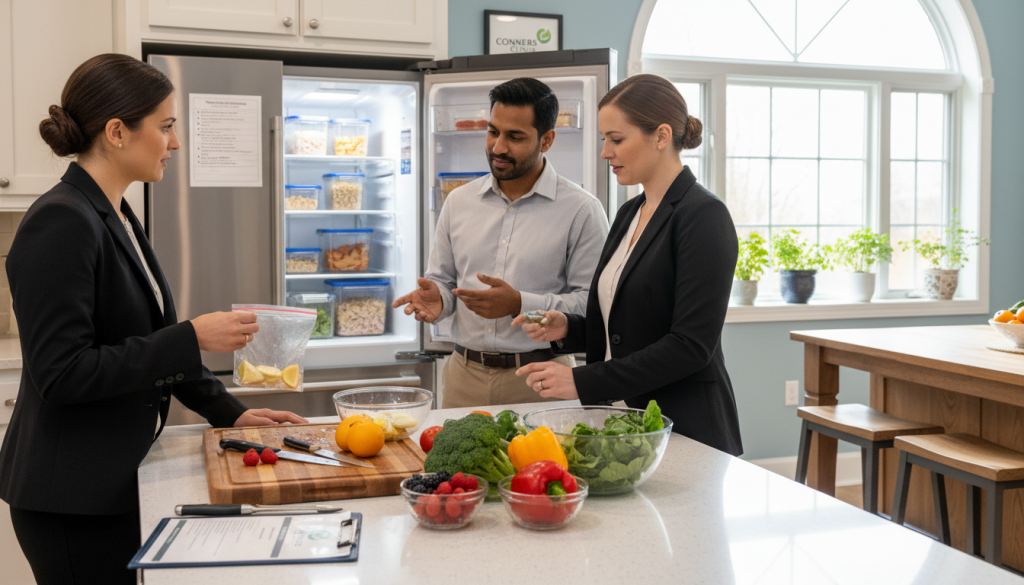
Adhering to core safety principles minimizes your risk. Here is a quick reference table for key practices.
| Practice | Safe Method | Potential Risk if Ignored |
|---|---|---|
| Grocery Selection | Choose fresh items, inspect packaging | Exposure to spoiled food |
| Meat & Produce Handling | Use separate utensils and surfaces | Cross-contamination and illness |
| Temperature Control | Keep fridge below 40°F; cook thoroughly | Harmful bacterial growth |
Guidelines for Handling and Storing Food
Keep all food at safe temperatures. Refrigerate leftovers promptly.
Proper storage is a critical part of your care. It ensures meals remain safe for your body.
If you are unsure about handling specific ingredients, consult your care team. They provide guidelines tailored to your treatment phase.
Adapting Diets for Specific Cancer Types
When cancer affects the head neck region, everyday acts like eating and swallowing can become significant hurdles. The location of your tumor directly shapes the side effects you experience and the dietary strategies needed.
Cancers of the head neck, esophagus, stomach, pancreas, liver, or colon often cause unique eating problems. Your treatment plan must account for these anatomical challenges to protect your quality of life.
Considerations for Head, Neck, and Gastrointestinal Cancers
I see that tumors in the head neck area frequently lead to trouble swallowing. This can severely impact nutritional status and overall comfort.
For gastrointestinal cancer, issues like early satiety or malabsorption are common. Your body may struggle to get the fuel it needs from standard meals.
Customized Diet Modifications
I work with individuals to create tailored food plans. For those with head neck tumors, the focus is on soft, nutrient-dense options that are easy to swallow without pain.
Adapting your diet to your specific cancer type is vital. It helps maintain your strength throughout treatment and improves your quality of life.
By addressing regional needs, we support your body‘s resilience. For comprehensive nutritional support strategies, refer to expert resources.
Personalized modifications manage side effects and empower you. This approach is a cornerstone of sustaining your quality of life during recovery.
Integrating Physical Activity to Enhance Nutritional Outcomes
Incorporating movement into your daily routine is a powerful, yet often overlooked, component of holistic care. The right physical activity works in synergy with your food plan.
Regular movement can help stimulate your appetite. This improves your body’s overall response to medical treatment.
I recommend calling 847-562-4981. This connects you to a specialized survivorship program intake. The program emphasizes how activity and eating strategies work together to improve your quality life.
Before choosing specific exercises, consider your current energy level. The goal is supportive movement, not strain.
Selecting Suitable Exercises
Choose a physical activity you enjoy and can sustain. Consistency matters more than intensity during recovery.
Even light activity, like walking, boosts mood. It helps maintain muscle mass for a better quality life.
This table compares suitable options based on your recovery phase.
| Exercise Type | Key Benefit | Suitability During Recovery |
|---|---|---|
| Gentle Walking | Boosts circulation & appetite | Ideal for most phases |
| Seated Stretching | Maintains flexibility | Safe when energy is low |
| Tailored Strength | Preserves muscle mass | With professional guidance |
Combining good nutrition with physical activity is a proactive step. It enhances your long-term health and overall quality life.
Practical Meal Planning and Recipe Inspiration
Having a well-stocked kitchen with simple ingredients can transform your daily routine during medical therapy. I find that planning ahead reduces stress. It ensures your body gets consistent fuel for healing.
Quick, Nutritious Snacks
Keep easy-to-digest options like crackers or pretzels within reach. These can help manage sudden side effects. You won’t need to prepare a full meal.
| Snack Type | Key Benefit | Preparation Time |
|---|---|---|
| Whole-grain crackers | Provides steady energy | Instant |
| Greek yogurt | High in protein for strength | 2 minutes |
| Nut butter on apple slices | Healthy fats & fiber | 5 minutes |
Easy-to-Prepare Meals for Busy Days
I suggest using online grocery shopping services. Save your list for easy reordering. This makes it simpler to maintain your nutrition during busy treatment days.
Prepare small portions of your favorite food in advance. Freeze them for later. Your body will always have access to the fuel it needs.
Focus on simple, nutrient-rich recipes. This ensures your daily food intake remains a priority. It supports your overall quality life during cancer care.
Implementing Medical Nutrition Therapy (MNT)
Implementing a precise nutrition strategy is a proactive step toward managing the complex demands of treatment. Medical nutrition therapy (MNT) combines specialized dietary planning with expert guidance.
This structured approach ensures your food intake directly supports your healing. It moves beyond general advice to a targeted plan.

Tailored Therapy Plans for Better Outcomes
I believe MNT allows your care team to create a plan tailored to your body’s unique needs. This therapy focuses on issues like weight changes or digestion problems.
A well-executed plan leads to better outcomes. It helps you maintain strength and improve your overall quality life.
Utilizing Clinical Expertise in Nutrition
This form of therapy relies on deep clinical knowledge. Your care team uses this expertise to address specific challenges during cancer care.
By utilizing MNT, you ensure your nutrition is treated with the same importance as other medical therapy. It’s a cornerstone of comprehensive support.
Overcoming Barriers to Maintaining a Healthy Diet
In my work, I see that the biggest hurdles to consistent eating aren’t about willpower. They are about managing very real physical and emotional roadblocks.
Emotional and physical challenges can make sticking to a good diet during treatment feel impossible. It’s a significant part of your journey.
Addressing Emotional and Physical Challenges
Fatigue and stress are common. They make it hard to plan meals or even want to eat.
I often help individuals find simple ways to manage this. When you feel overwhelmed, simplify your diet.
Focus on foods your body tolerates best. This is a valid and smart strategy.
Addressing these issues early helps a lot. It can prevent the side effects of poor nutrition from making your treatment harder.
This table breaks down common barriers and practical responses.
| Barrier Type | Common Challenge | Practical Response |
|---|---|---|
| Emotional | Stress, feeling overwhelmed | Simplify meals; accept help with cooking |
| Physical | Extreme fatigue, nausea | Keep easy snacks handy; eat smaller amounts more often |
| Combined | Loss of appetite due to low mood | Focus on favorite, tolerable foods first |
Remember, your diet does not need to be perfect. The goal is to give your body the support it needs to heal and protect your overall health.
Resources and Diet Guides for Cancer Nutrition
Navigating your diet during medical therapy can feel overwhelming. Having the right resources at your fingertips makes a significant difference.
I find that a wealth of reliable information exists to guide you. Specialized diet plans provide clear frameworks for daily meals.
Utilizing Available Diet Plans and Meal Prep Tips
Structured guides like the Bland Diet or Low-Fiber Diet are incredibly useful. They help manage specific digestive side effects from your treatment.
These plans offer practical meal prep strategies. They turn complex nutrition science into simple, actionable steps for your kitchen.
Using these tools empowers you to make informed food choices. This directly supports your body’s resilience and overall health.
Accessing Virtual Counselling and Workshops
I strongly encourage attending virtual “Ask the Dietitian” Q&A sessions. These live events connect you with experts who provide reliable information.
Online workshops are another excellent resource. They deliver the latest nutrition strategies tailored to your cancer journey.
Staying connected with these educational programs ensures you have ongoing support. It helps you manage your diet effectively throughout your care.
Real Patient Stories and Nutrition Successes
Personal accounts from those who have walked this path offer more than just hope; they provide practical wisdom. Many individuals find that sharing their experiences helps others navigate the complex challenges of medical therapy.
Inspirational Testimonials and Lessons Learned
Reading real stories can provide the inspiration you need to stay committed to your eating plan during your journey. I have seen how learning from the successes of others helps people find new ways to nourish their body and improve their quality of life.
These testimonials often highlight the importance of patience and persistence. When you are trying to maintain your health through difficult times, hearing how others overcame similar hurdles can be empowering.
Every person’s journey is unique. Yet the lessons learned about the power of nutrition are universal. They can benefit anyone in treatment.
By sharing these experiences, we create a supportive community. This community values the role of smart eating in achieving better outcomes for cancer care.
I often share patient stories in my practice. They illustrate how small, consistent changes in diet can lead to big improvements in energy. One client found that blending nutrient-rich soups helped her maintain weight during aggressive therapy.
Her story reminds us that adaptability is key. It shows how targeted nutrition supports the body through each phase of treatment.
Final Thoughts on Elevating Your Nutritional Journey
Your journey with food is deeply personal. The strategies we’ve discussed are tools to help you reclaim a sense of control.
I view your dietary path as a vital component of your overall cancer treatment plan. By focusing on key nutrition and collaborating with your care team, you can profoundly impact your quality of life and long-term health.
Every positive adjustment, no matter how small, strengthens your body’s innate ability to heal. I encourage you to continue seeking expert guidance.
Utilize the resources available to support your ongoing wellness. You have the power to elevate this aspect of your care.
I am here to support your commitment to better health every step of the way.
FAQ
Why is focusing on my diet so important during chemotherapy or radiation?
During these treatments, your body needs more energy and specific nutrients to repair healthy cells, maintain strength, and better tolerate therapy. Proper intake helps preserve muscle mass, supports your immune system, and can significantly improve your overall quality of life.
How can a registered dietitian help me specifically?
A dietitian is a vital part of your care team. They create a personalized plan to manage side effects like nausea or taste changes, ensure you get enough calories and protein to prevent unhealthy weight loss, and provide practical strategies for meal prep that fit your daily life.
What are some quick ways to add calories and protein when I have no appetite?
Focus on small, nutrient-dense snacks. Try adding nut butter to smoothies, using olive oil in cooking, or choosing full-fat dairy. Nutritional supplement drinks can also be helpful between meals to meet your body’s increased demands without feeling overly full.
Are there integrative approaches that support conventional cancer care?
Yes. Many patients explore complementary methods under their doctor’s guidance. For example, clinics like Conners Clinic offer programs that combine advanced testing with holistic strategies, aiming to support the body’s resilience alongside traditional treatments.
How does physical activity relate to my nutrition during treatment?
Gentle, regular movement can stimulate appetite, help maintain muscle mass, combat fatigue, and improve mood. Even short walks can make a difference. It’s best to discuss a safe physical activity plan with your medical team.
What food safety steps should I take while my immune system is compromised?
Practice extra caution. Avoid raw or undercooked foods, unpasteurized products, and buffets. Wash fruits and vegetables thoroughly, cook meats to safe temperatures, and practice good kitchen hygiene to reduce infection risk.