

I remember sitting with a patient, let’s call her Maria, shortly after her diagnosis. The clinical details were clear, but the fear in her eyes spoke of a deeper need. She wasn’t just asking about treatment schedules; she was searching for a path forward for her whole life.
That moment is why I believe in a holistic approach. True healing extends beyond the clinic. It involves addressing the emotional weight, the practical worries, and the search for hope that every individual faces.
My experience has shown me the power of dedicated resources. Through initiatives like Hopeline and community groups, we’ve provided over 106,699 hours of compassionate assistance. This isn’t just a number; it represents countless conversations that lightened a burden.
Immediate help is also critical. Our oncology social workers have answered 41,956 calls on dedicated helplines. This offers a lifeline for people struggling with the sudden changes a health journey brings.
These specialized services bridge a vital gap. They connect clinical care with the human need for understanding and guidance. The goal is always a better quality of life, ensuring no one walks this road without professional and compassionate care.
Key Takeaways
- Holistic support addresses emotional and practical needs alongside medical care.
- Dedicated helplines staffed by experts provide immediate, confidential assistance.
- Integrating these resources significantly improves a person’s overall quality of life.
- Data shows the profound impact of thousands of hours of support and answered calls.
- Professional guidance is available to help navigate every step of the journey.
- Compassionate care ensures no one has to face their health challenges alone.
Understanding Cancer Wellness Programs
The journey through a health challenge extends far beyond medical procedures into the realm of emotional and practical adaptation. I’ve seen how a diagnosis can feel isolating. It reshapes daily routines and future plans in an instant.
Every individual experiences this path in a deeply personal way. That’s why supportive resources are essential. They help manage the unexpected changes that arise during treatment.
Our care teams have walked beside thousands of patients on their journeys. We provide tools aimed at improving overall quality of life. This approach focuses on treating the whole person, not just the disease.
Emotional and social needs are prioritized alongside medicine. My goal is to help you navigate health complexities. I offer clear information about how these initiatives function in practice.
The table below outlines core components of comprehensive support:
| Aspect of Support | Description | Primary Benefit |
|---|---|---|
| Emotional Counseling | One-on-one sessions to process feelings and reduce anxiety | Builds coping strategies and mental resilience |
| Nutritional Guidance | Personalized plans to maintain strength during treatment | Supports physical health and energy levels |
| Social Connection | Group meetings and peer networks for shared experiences | Reduces isolation and fosters community |
| Practical Assistance | Help with logistics, finances, and daily tasks | Alleviates stress from non-medical burdens |
Integrating these elements creates a safety net. It empowers people to face their health journey with greater confidence and support.
Integrative Approaches: Blending Modern and Alternative Cancer Treatments
Modern medicine offers powerful tools, yet many find that integrating complementary therapies creates a more complete healing journey. This blended framework respects both clinical science and the body’s innate wisdom.
I believe this strategy provides a more robust foundation for health. It moves beyond symptom management to support the whole person.
Benefits of a Combined Approach
A combined strategy creates a personalized and multidimensional plan. It addresses root causes while bolstering the body’s natural resilience during treatment.
This approach often reduces side effects from conventional protocols. Patients typically report better energy levels and emotional balance.
How Alternative Treatments Complement Conventional Care
Natural therapies work alongside standard medical care. They can help manage stress, improve nutritional status, and enhance overall quality of life.
These modalities provide supportive tools that empower individuals in their healing process. For those exploring this path, I recommend reviewing the integrative services at Conners Clinic.
Their work demonstrates how blending diverse healing traditions creates stronger outcomes. This collaborative model represents the future of compassionate, comprehensive care.
Tailored Support for Cancer Diagnosis and Beyond
A new health diagnosis can feel like a sudden storm, reshaping your world in an instant. The path forward requires more than clinical plans.
I believe support must be as unique as the individual receiving it. This is why I emphasize a tailored approach from the very beginning.
Individualized Counseling Services
Processing complex emotions is a critical first step. My one-on-one counseling provides a confidential space for this work.
A licensed professional guides you through the emotional landscape. For immediate connection to resources, you can contact a medical social worker at WMCC by calling 269.373.7446.
Customized Support Groups for Unique Needs
Shared experience holds immense power. I facilitate groups that cater to specific situations and stages.
This ensures every person feels heard and understood. The goal is to build a community that addresses your distinct needs.
Together, these services create a customized plan. They empower you to navigate your journey with greater confidence and clarity.
Navigating the Challenges of a Cancer Diagnosis
The initial period after learning about a health condition is often marked by uncertainty and a whirlwind of feelings. This phase requires a compassionate roadmap to guide you through the complex adjustments ahead.
Managing Emotional and Physical Changes
Emotions can shift rapidly, from fear to determination, sometimes within the same hour. I help individuals understand that every reaction is valid. There is no single correct way to feel during this time.
Managing the physical aspects of your condition demands a proactive stance. This includes working closely with your medical team and integrating supportive practices. These steps help maintain your strength and comfort.
The table below outlines common challenges and strategies I recommend:
| Challenge Type | Common Experiences | Supportive Strategies |
|---|---|---|
| Emotional | Anxiety, sadness, mood swings | Professional counseling, mindfulness exercises |
| Physical | Fatigue, changes in appetite, discomfort | Tailored nutrition plans, gentle movement |
| Practical | Logistical overload, financial stress | Access to resource navigation, assistance programs |
| Social | Feelings of isolation, relationship strain | Peer support groups, family communication workshops |
We address daily stresses by providing concrete tools. My clinical focus is on building your resilience. The goal is to empower you through this personal experience.
Personalized Programs for Patients, Caregivers, and Families
When a health crisis enters a home, it doesn’t just affect one person; it touches every member of the family. I design initiatives that address the distinct needs of each individual involved in the healing journey.
This holistic framework ensures no one is left navigating complex emotions alone.
Support for Loved Ones and Caregivers
The role of a caregiver is both a profound privilege and a significant challenge. I provide dedicated resources to help every loved one maintain their own well-being.
You can learn about volunteer opportunities by calling 269.373.8611. This connects you with meaningful ways to support a patient.
My guidance helps caregivers find balance and resilience. This is essential for sustaining compassionate care over time.
Family-Focused Workshops and Group Sessions
Our workshops create healthy ways for children and parents to process emotions together. These sessions strengthen family bonds during difficult times.
Specialized group meetings allow each person to share their unique perspective. Participants receive support from others in similar situations.
These services are a cornerstone of the comprehensive support resources available. They foster a shared understanding that empowers the entire family unit.
Comprehensive Services Under One Roof
Centralizing essential resources transforms the experience of managing a serious health condition. It reduces stress and confusion during an already difficult time.
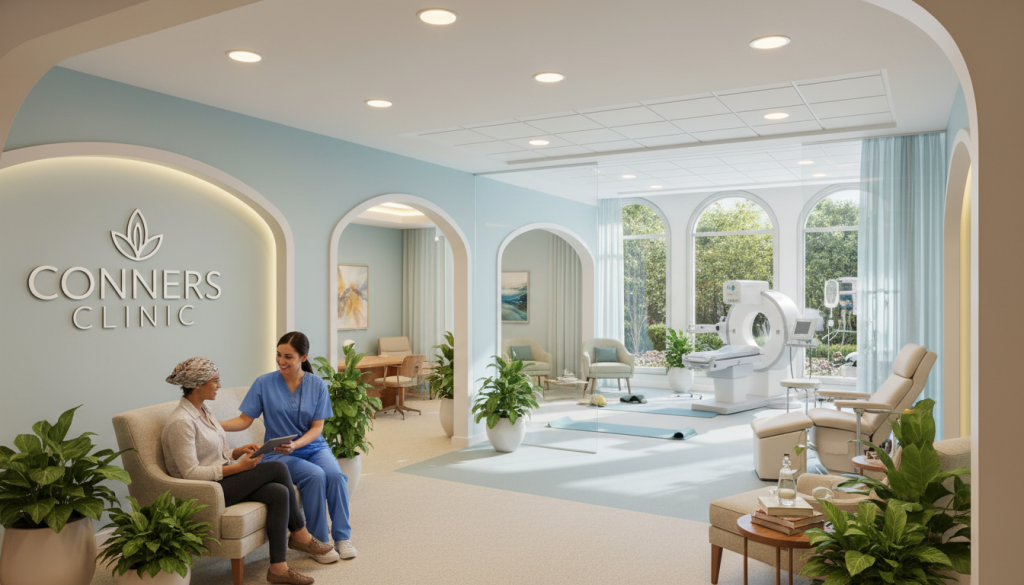
I believe streamlined access is a cornerstone of effective support. Having key experts available in one location removes a major logistical hurdle.
In-House Nutritional and Wellness Consultations
Proper nourishment is fundamental to maintaining strength. Our registered dietitians create personalized plans that align with your specific medical needs.
You can contact a dietitian at WMCC by calling 269.373.0109. This direct line connects you with expert guidance tailored to your journey.
Financial concerns should never block access to vital care. Last year, we helped 25,609 people with financial or co-payment assistance for treatment costs.
Our financial counselors are ready to navigate insurance and other options. Reach them at 269.382.2500. This service is a critical resource for patients and families.
Integrating these supports under one roof allows you to focus on healing. It alleviates the administrative burden that often accompanies complex care.
Embracing Mindfulness and Stress Management
Learning to cultivate inner calm is not a luxury; it’s a vital component of navigating a health journey. I guide individuals in using their awareness to build resilience. This practice directly supports the body’s natural healing processes.
Chronic stress can feel overwhelming. My approach provides concrete ways to regain a sense of control and peace.
Evidence-Based Relaxation Techniques
I teach methods grounded in clinical research. These tools are proven to help manage the intense stress associated with medical treatment.
Mindfulness is one of the most effective strategies. It improves your quality of life and supports immune function during recovery.
Our classes offer holistic care for your mind and body. You learn to find peace amidst the challenges of a diagnosis.
| Technique | Method | Primary Benefit |
|---|---|---|
| Guided Imagery | Using mental visualization to create calming scenes | Reduces anxiety and promotes mental escape |
| Progressive Muscle Relaxation | Systematically tensing and releasing muscle groups | Relieves physical tension and improves sleep |
| Breath Awareness | Focusing on the rhythm of inhalation and exhalation | Anchors the mind, calming the nervous system |
By practicing regularly, you develop new skills. These techniques help handle emotional weight and maintain balance in daily life. This scientific foundation ensures you receive the most effective support.
Building a Community of Healing and Support
Merry J. found that her support group was the only environment where she could openly share her emotions with others who genuinely understood. This sentiment highlights a universal need for connection during a difficult health journey.

I facilitate peer-led and therapist-guided initiatives designed to meet this need. These gatherings create a safe space where you can bond with friends facing similar realities.
Peer Support and Group Therapy Initiatives
My goal is to foster a supportive community where every member feels heard. Shared experiences within these group settings provide unique validation.
You gain access to a network of friends who offer the emotional support necessary for long-term healing. Connecting with others reduces isolation and builds collective strength.
| Group Type | Format | Key Benefit |
|---|---|---|
| Peer-Led Meetings | Informal gatherings facilitated by members | Builds authentic connections based on shared experience |
| Therapist-Led Sessions | Structured guidance from a licensed professional | Provides clinical tools for processing complex emotions |
| Topic-Specific Circles | Focus on particular challenges or stages | Offers targeted advice and highly relevant peer insight |
These programs empower you through the shared experience of your peers. A strong community becomes a cornerstone of emotional recovery and resilience.
Empowering Lives Through Cancer Wellness Programs
Education transforms fear into power, and I’ve witnessed this shift firsthand through our workshops. These initiatives provide more than information; they build confidence for the journey ahead.
My goal is to equip you with knowledge that directly supports your healing process. This approach turns complex science into practical, daily steps.
Integrative Nutrition Support and Physical Wellness
Proper nourishment and gentle movement are pillars of resilience. I design guidance that aligns with your unique treatment phase and personal needs.
These strategies help maintain strength and improve overall well-being. They are a core part of a holistic plan.
| Workshop Component | Primary Focus | Direct Benefit |
|---|---|---|
| Integrative Nutrition | Food choices that support treatment and recovery | Optimizes energy and supports immune function |
| Physical Wellness | Safe, adaptable movement and restorative practices | Enhances mobility and reduces treatment-related fatigue |
| Research Updates | Latest evidence translated into actionable advice | Empowers informed decision-making for ongoing care |
Workshops Designed Around the Latest Research
I am proud that 36,614 people have joined our Connect Education Workshops. These sessions are built on current scientific findings.
We translate new data into clear, useful strategies. This makes a real difference in how individuals manage their health.
You gain tools to actively improve your quality of life after a diagnosis. My commitment is to provide knowledge that empowers every step.
Looking Ahead: Your Journey to Healing and Care
Finding dedicated help can be a turning point, as Jerry M.’s experience clearly shows. He was pleasantly surprised to discover our center as a vital resource. This moment can make a significant difference for anyone who has been diagnosed.
For additional support in your ongoing care, I encourage you to reach out. The American Cancer Society is available at 800.227.2345.
Your path toward healing is a personal journey. I am here to provide the counseling and community you need.
Whether you are a patient or a caregiver, our programs offer the care and resources to help you thrive. We address the unique needs of all people involved.
We remain dedicated to building a strong, supportive community. Every person can find the strength to move forward with hope and resilience.
FAQ
What is an integrative approach to cancer care?
An integrative approach blends conventional medical treatments with complementary, evidence-based therapies. I recommend this model because it addresses the whole person—body, mind, and spirit. It combines tools like chemotherapy or surgery with supportive services such as nutritional counseling and acupuncture. This comprehensive strategy aims to enhance your quality of life and support your body’s innate healing capacity throughout treatment.
How can support groups help after a diagnosis?
Connecting with others who truly understand your experience can be profoundly healing. These groups provide a safe space to share fears, triumphs, and practical advice. They combat the isolation that often accompanies a diagnosis, fostering a sense of community. From my perspective, this peer support is invaluable for emotional resilience, helping both patients and their loved ones navigate the journey ahead.
What kind of services are available for caregivers and family members?
Caring for a loved one is demanding, and your well-being is essential. We offer dedicated resources, including counseling and educational workshops. These sessions provide tools for managing stress, understanding treatment side effects, and practicing effective communication. Supporting the caregiver ultimately creates a stronger, more compassionate network for the person receiving treatment.
How do mindfulness and stress management techniques aid healing?
Chronic stress can negatively impact physical health. I incorporate evidence-based techniques like guided meditation and breathwork to help manage anxiety and improve sleep. These practices empower you to cultivate a calmer mind, which can positively influence your body’s response to treatment and improve overall well-being during recovery.
Why is personalized nutrition important during treatment?
Your nutritional needs are unique and can change dramatically during therapy. Individualized consultations focus on foods that support immune function, manage treatment-related side effects, and maintain strength. Proper nourishment provides the foundational energy your body needs to heal and cope with the demands of medical care.
How do these programs create a lasting difference in someone’s life?
These initiatives empower you with knowledge, practical skills, and a supportive community. They move beyond just managing illness to actively enhancing your quality of life. By addressing emotional, physical, and social needs, they help you reclaim a sense of control and hope, making a meaningful difference in your daily experience and long-term outlook.