
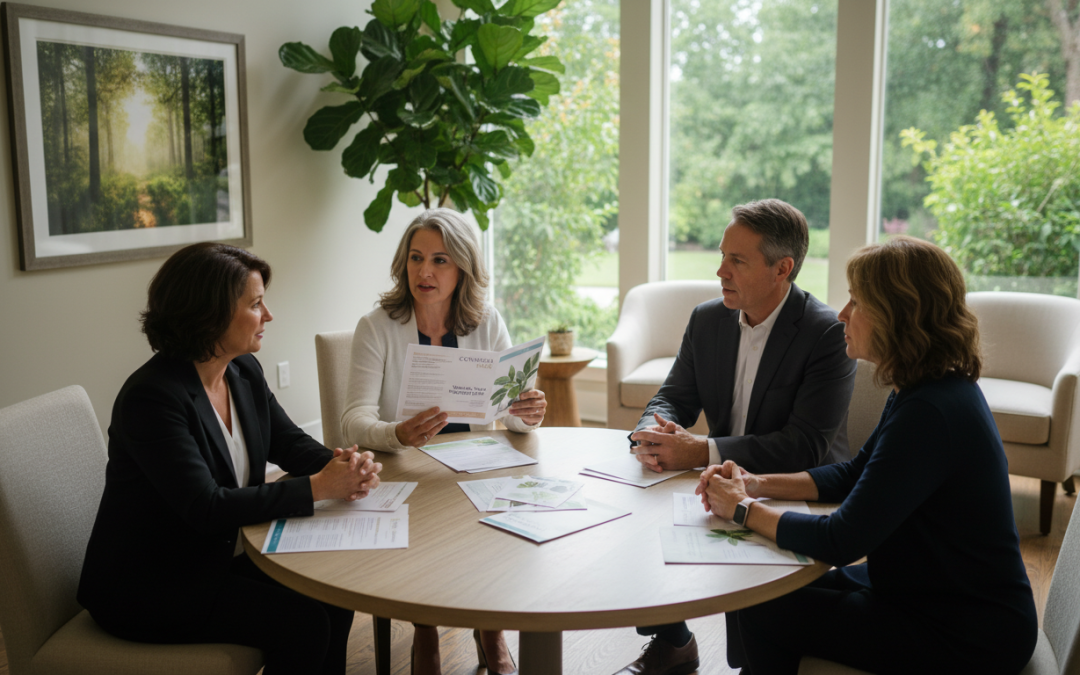
Imagine sitting across from a new client, a person recently diagnosed. They feel lost in a sea of conflicting advice. I’ve guided many through this moment. My role is to provide a clear path forward using trusted, evidence-based support.
The Society for Integrative Oncology (SIO) is the leading multi-disciplinary organization in this field. They set the standard for combining modern medicine with holistic practices. Another vital tool is CancerChoices. It offers access to over 23,000 hours of vetted research.
I provide these integrative cancer care resources to help you navigate a complex landscape. My goal is to empower you with reliable information. This knowledge helps in making informed decisions about your long-term health.
By aggregating high-quality sources, I aim to bridge a common gap. This connects conventional oncology treatments with evidence-based complementary practices. Navigating a diagnosis requires access to verified data. I prioritize this professional guidance for every person I serve.
Key Takeaways
- Leading organizations like the Society for Integrative Oncology (SIO) provide authoritative, evidence-based frameworks.
- Platforms such as CancerChoices aggregate thousands of research hours for patient education.
- Reliable information is crucial for making empowered decisions about your treatment journey.
- A holistic approach seeks to combine the best of conventional and complementary medical practices.
- Professional guidance can help simplify complex information and reduce feelings of overwhelm.
- Your long-term wellness is supported by credible data and a clear understanding of all options.
Overview of Integrative Cancer Care and Alternative Treatment Options
Expert practitioners like Dr. Ben Pfeifer have pioneered collaborative models for patient support. With 47 years of medical experience, he leads an International Virtual Tumor Board. This platform provides expert diagnostic recommendations to people worldwide.
This model reflects a broader shift in modern oncology. It moves beyond treating just the disease to supporting the whole person.
Understanding the Integrative Approach
This philosophy focuses on the entire body, mind, and spirit. The goal is to improve overall survival and quality of life.
Key elements of this method include:
- Addressing the person, not just the illness.
- Combining standard medical treatments with complementary therapies.
- Aiming to reduce the side effects of intense protocols.
It is a patient-centered framework that values individual wellness.
How Alternative Cancer Treatments Complement Conventional Care
These supportive therapies work alongside standard oncology. They help manage symptoms like pain, fatigue, and stress.
Our team of specialists at leading institutions provides access to advanced diagnostic methods. Empowering individuals with clear information about their options is crucial. It fosters a more dignified and informed healing journey.
Exploring Alternative Cancer Treatment at Conners Clinic
At the heart of our philosophy is a commitment to tailoring therapies to each person’s unique needs. Our protocols prioritize your physiological and emotional state. This creates a foundation for true healing.

Expert Guidance and Holistic Care Practices
I guide individuals through personalized strategies. Our team examines root causes, not just symptoms. This approach integrates seamlessly with your existing medical plan.
We believe in a comprehensive model. It includes nutritional support and stress management. These elements foster resilience during your journey.
| Therapy Type | Primary Focus | Common Benefits |
|---|---|---|
| Nutritional Counseling | Diet & Metabolic Support | Improved energy, reduced inflammation |
| Mind-Body Techniques | Stress Reduction | Better emotional balance, less anxiety |
| Physical Modalities | Pain & Mobility | Enhanced comfort, increased function |
Enhancing Quality of Life through Complementary Therapies
Supportive therapies help manage physical and emotional side effects. They aim to improve your daily experience. This is key for long-term wellness.
I invite you to explore alternative cancer treatment options at our clinic. We provide the information necessary for empowered decisions. Taking control of your path is possible.
Integrative Cancer Care Resources: Evidence and Best Practices
The cornerstone of effective patient support lies in accessing rigorously vetted research and guidelines. I prioritize platforms that translate complex data into clear, actionable insights. This ensures every recommendation is grounded in real science.
Research-Backed Therapies and Clinical Insights
CancerChoices represents a monumental effort in this field. Their team has dedicated over 23,000 hours to analyzing studies. This work creates evidence-based summaries on botanicals, mind-body practices, and repurposed drugs.
Another critical resource is the Society for Integrative Oncology (SIO). Their clinical practice guidelines are hosted on the National Institutes of Health website. These are the only comprehensive, evidence-based frameworks for adding complementary therapies to standard oncology.
I rely on these authoritative sources daily. They provide the latest clinical insights needed for sound recommendations. This approach helps people understand how different treatments can affect their long-term health outcomes.
Access to reliable information is non-negotiable. It allows individuals to make choices that align with their personal wellness goals. Using this data, we can build a treatment plan that supports both the body and mind.
Lifestyle Practices and Managing Side Effects in Cancer Care
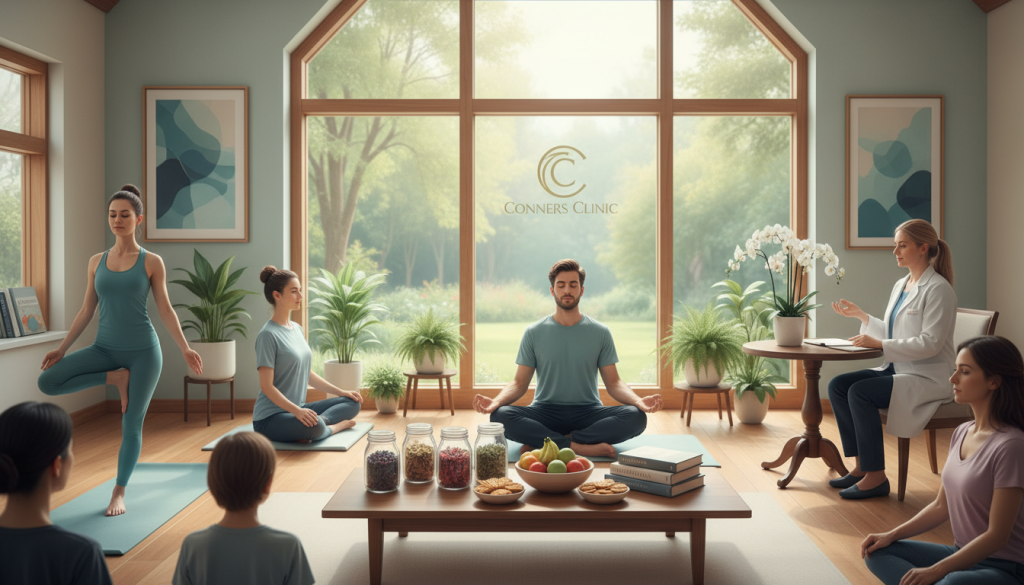
Small, consistent actions can significantly influence your comfort and resilience throughout your treatment experience. Daily habits are powerful tools for improving your quality of life.
Simple Lifestyle Choices to Improve Wellness
On January 27, 2026, Laura Pole, MSN, RN, presented vital evidence on nutrition. Her work shows how food choices can make the body less hospitable to illness.
For example, Dr. Alissa Huston shared specific recommendations on January 21, 2026. She focuses on lifestyle practices that help reduce the risk of breast cancer recurrence.
Key choices include:
- Mindful Nutrition: Eating to support your body’s natural defenses.
- Regular Movement: Gentle activity to maintain strength and energy.
- Stress Management: Techniques to foster emotional balance and reduce anxiety.
Practical Guides for Relieving Treatment Side Effects
Managing the side effects of treatment is a top priority for many patients. I provide evidence-backed guides to help find relief from common symptoms like pain and fatigue.
These practical resources offer the support needed to navigate the physical and emotional challenges of the journey. For reliable, actionable information, I often direct people to CancerChoices.
Insights from Leading Experts in Integrative Oncology
Conferences like the upcoming SIO event serve as critical hubs for sharing clinical breakthroughs. The SIO 2026 International Conference in Detroit will gather global leaders this September. I follow these forums closely to stay at the forefront of patient-centered methods.
Dr. Andrew Weil, founder of the Arizona Center for Integrative Medicine, offers a key perspective. He describes platforms like CancerChoices as invaluable sources of balanced and thoughtful information. This endorsement highlights the need for reliable data in this field.
CancerChoices is an invaluable source of balanced and thoughtful information.
Perspectives from International Tumor Boards and Integrative Clinicians
International Tumor Boards create a collaborative platform for specialists. Clinicians share diverse perspectives to enhance standard treatment efficacy. This model helps tailor strategies for complex individual needs.
These discussions translate research into practical clinical recommendations. They focus on improving long-term health outcomes for people. I integrate these shared insights into my own professional approach.
How Complementary Therapies Enhance Standard Treatments
Leading experts increasingly recognize supportive therapies as essential tools. They are vital for improving the quality of life during a treatment journey. These methods help manage side effects like pain and stress.
This expert consensus guides my work. It helps me refine how I support individuals seeking a holistic path. My goal is to combine the best options for total wellness.
Embracing Your Holistic Journey to Healing and Wellness
True healing unfolds when you feel empowered to direct your own journey. It is supported by reliable knowledge and compassionate guidance.
Embracing this path requires a commitment to blending the best of modern medicine with evidence-based supportive therapies. This integration aims to improve your overall quality of life.
Your path to wellness is unique. Seeking expert guidance is a vital step in managing your health effectively.
I encourage you to utilize the tools and information discussed. They can empower you and your team throughout your process.
Remember, focusing on your mind, body, and spirit builds resilience. For continued support and community, I invite you to explore welcoming you to your healing journey.
My goal is to ensure you navigate this experience with confidence. You have the strength to move forward with clarity and hope.
FAQ
What exactly is integrative oncology?
Integrative oncology is a patient-centered model that thoughtfully combines conventional medical treatments, like chemotherapy, with evidence-informed complementary therapies. I recommend this approach because it aims to treat the whole person—addressing physical symptoms, emotional stress, and nutritional needs—to improve overall quality of life during and after treatment.
How do complementary therapies work alongside my standard oncology plan?
These therapies are designed to support your body and mind, not replace your primary treatments. For instance, acupuncture at a clinic like Conners Clinic can help manage nausea from chemotherapy, while guided meditation may reduce anxiety. Think of them as tools to help you better tolerate your medical regimen and enhance your personal wellness journey.
What are some practical ways to manage common treatment side effects?
A> Focusing on nutrition and gentle movement can be profoundly helpful. I often suggest anti-inflammatory foods to combat fatigue and mindfulness practices for pain relief. Simple lifestyle adjustments, such as staying hydrated and practicing good sleep hygiene, provide foundational support that can lessen the burden of side effects and aid your recovery.
Are these alternative approaches supported by scientific research?
Yes, many are. The field is growing, with studies published in journals like *Integrative Cancer Therapies* showing the benefits of specific modalities for symptom control. Reputable centers base their recommendations on this evolving clinical evidence, ensuring the therapies offered have a demonstrated rationale for improving patient outcomes and daily comfort.
Where can I find reliable information and professional support for this holistic path?
Start with established institutions like the Conners Clinic or the Society for Integrative Oncology. Their resources are grounded in medical expertise. I also advise consulting with your oncology team about your interest in complementary practices; a collaborative approach ensures all your care is safely coordinated and tailored to your unique health situation.