

I remember a patient, let’s call her Maria. After her diagnosis, she felt overwhelmed by the clinical routine of her cancer treatment. She longed for a sense of personal agency in her health journey. Like many people, she began researching supportive options she could use at home.
Her curiosity led her to turmeric, a vibrant spice from the ginger family common in Asian cuisine. She read about its studied properties and wondered if it could help. This is a common starting point. I believe exploring supportive, complementary approaches can be a valuable addition to your primary medical plan.
My goal is to share evidence-based insights to help you make informed choices. It is crucial to understand that these options are supportive and should never replace conventional medical interventions for cancer.
This guide will show you how to safely integrate such therapies into your routine. Always consult your oncology team before starting any new supplement to ensure it aligns with your specific care.
Key Takeaways
- Complementary approaches can provide supportive care during a cancer journey.
- Always discuss any new therapy with your oncology team first.
- Evidence-based information is essential for making safe, informed decisions.
- Natural supports are meant to complement, not replace, standard medical treatment.
- Integrating supportive practices can help you feel more engaged in your own care.
- Substances like turmeric have been studied for their potential supportive properties.
- Personalizing your integrative plan requires professional medical guidance.
Introduction: Embracing a Natural Path for Cancer Symptom Relief
Herbal medicine operates on the principle of supporting the body’s intrinsic capacity to regulate and heal itself. This whole-body perspective forms the foundation of many complementary strategies. I see patients seeking a greater sense of agency alongside their primary medical plans.
This path is about integration, not substitution. It focuses on enhancing your overall well-being during a challenging time.
Overview of Natural Remedies and Their Benefits
Many individuals find that adding gentle, supportive practices helps them feel more engaged. These methods can address physical discomfort, emotional stress, and nutritional needs simultaneously.
The core benefit is empowerment. You become an active participant in your own cancer care journey.
| Aspect | Goal | Example Practice |
|---|---|---|
| Physical Well-being | Manage fatigue and discomfort | Gentle movement like walking |
| Emotional Support | Reduce stress and anxiety | Mindfulness or meditation |
| Nutritional Support | Nourish the body effectively | Personalized dietary adjustments |
Understanding the Role of Alternative Cancer Treatment
It is vital to recognize these methods as supportive allies. They are not standalone cures for cancer. Their role is to potentially improve quality of life and help manage certain side effects.
Modern research, including a review of botanical agents, helps us understand how specific compounds might work. Always discuss any new therapy with your oncology team first.
“The art of medicine consists of amusing the patient while nature cures the disease.” This old adage hints at the body’s powerful self-healing mechanisms.
I provide this information to clarify how traditional systems function. By focusing on the whole person, we explore a compassionate approach to health.
Discovering Alternative Cancer Treatment at Conners Clinic
Navigating the landscape of supportive care options can lead individuals to specialized centers. Conners Clinic stands out as a destination for those seeking a structured, complementary path.
Conners Clinic’s Integrative Oncology Approach
The clinic utilizes an integrative oncology framework. This approach deliberately bridges conventional medical protocols with evidence-based complementary treatments.
Their specific protocols aim to bolster the body’s innate defense systems. I often suggest patients review their website to see how these plans are designed.
What Sets Their Treatment Apart
Their methodology prioritizes personalized care that addresses root causes. Each doctor focuses on ensuring patients understand the scope of each therapy.
By merging modern science with holistic wisdom, they provide comprehensive support. This blend is crafted for those navigating complex health journeys.
You can explore their detailed philosophy and patient-centered resources at Conners Clinic.
natural remedies for cancer symptoms
Let’s examine some of the most studied herbs and how they might function. In supportive care, certain plant-derived substances have shown promise in laboratory settings.
Key Herbs and Natural Compounds
Curcumin, from turmeric, is a primary example. Laboratory research indicates it may affect cancer cells by slowing their growth.
Other compounds like gingerol and EGCG are also examined. I help patients identify which have the strongest scientific backing for support during treatment.
Mechanisms Behind Their Therapeutic Effects
These substances often work through anti-inflammatory and antioxidant effects. They may support the body’s own defense systems.
Understanding these ways of action is crucial for safety. It explains how they might help manage the side effects of conventional therapies.
| Botanical Source | Active Compound | Proposed Supportive Mechanism | Important Consideration |
|---|---|---|---|
| Turmeric | Curcumin | May influence cell signaling pathways in cancer cells | High doses can cause digestive side issues |
| Ginger | Gingerol | Possesses anti-nausea and anti-inflammatory properties | Can interact with blood-thinning medications |
| Green Tea | EGCG | Acts as a potent antioxidant | Excessive intake may stress the liver |
While lab studies on cancer cells are promising, results in humans can differ. Always discuss any new supplement with your oncology team.
My focus is on evidence-based guidance to complement your primary cancer care plan safely.
Exploring Herbal Medicine: Benefits, Research, and Risks
Translating early research findings into safe clinical practice requires careful interpretation and professional guidance. I help patients understand this critical bridge between laboratory evidence and real-world application.
Laboratory Studies and Ongoing Research
Initial studies provide valuable information. A 2013 international investigation suggested curcumin with chemotherapy might work better against bowel cancer cells than chemo alone.
Another 2019 study found topical curcumin delayed mouth sores in people having radiation. These findings highlight potential supportive benefits.
Ongoing research into lung cancer treatments explores how plant-based medicines might influence aggressive disease. This work is promising but preliminary.
It is essential to remember lab studies are not substitutes for large human trials. Some herbal drugs can interact dangerously with conventional cancer treatments.
Always consult your oncologist about any new supplement. For comprehensive safety guidelines, review authoritative resources on herbal remedies. Staying informed helps you navigate lung cancer research safely.
Integrating Natural Remedies with Conventional Cancer Care
The most effective support plans I’ve seen always involve a careful blend of conventional and complementary approaches. This integration is not about choosing one over the other. It’s about creating a synergistic plan where each element supports the whole.
Safe Combination Strategies for Effective Treatment
I believe safe combination strategies are vital. Timing and dosage of any new supplement must be coordinated with your primary cancer treatment schedule. This helps avoid potential conflicts and enhances overall efficacy.
Many people find that working with a doctor who understands both realms leads to better outcomes. Your physician can provide crucial information on how botanicals might interact with chemotherapy or radiation.
The Importance of Medical Guidance
Never stop your prescribed cancer care in favor of unproven medicines. Some herbs can alter the metabolism of standard therapies, reducing their effectiveness or increasing side effects.
My advice is to maintain open communication with your oncology team. Discuss all supplements, vitamins, and herbal medicines you take. This ensures your comprehensive cancer care strategy addresses both symptoms and overall health.
Managing Side Effects and Ensuring Safe Usage
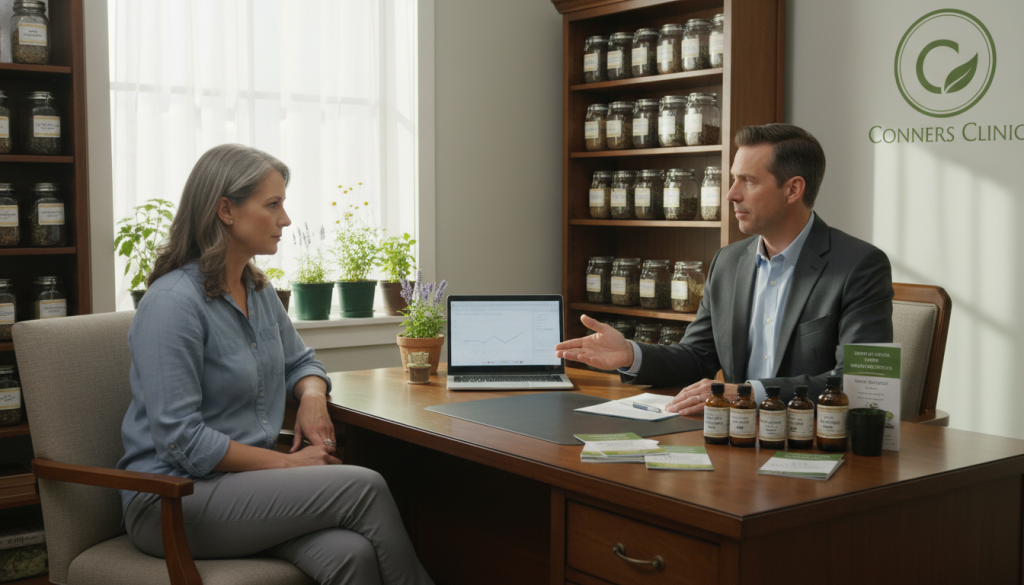
Understanding the potential risks of herbal supplements is just as important as knowing their benefits. Even botanical products can cause significant side effects or interact with your primary cancer therapies. I guide patients to view safety as a non-negotiable part of their integrative plan.
Identifying Potential Side Effects and Interactions
Specific drugs hidden in supplements pose real dangers. For example, Fortodol is a turmeric-based product containing nimesulide, which can cause severe liver damage. Regulatory bodies like the MHRA issue warnings about such items.
St. John’s Wort is another well-known herb that interferes with chemotherapy. It can reduce the effectiveness of your primary treatment. Some botanical medicines may also cause skin irritation or other adverse reactions.
If you notice yellowing of the skin or dark urine, contact your doctor immediately. These could be signs of liver stress, a serious side effect.
Guidelines for Safe Herbal Supplementation
Always verify the quality of any supplement you use. Look for third-party verification marks, like the USP seal, which indicates testing for contaminants. This is a reliable way to protect yourself.
There is no reliable evidence that herbal teas or supplements can cure cancer. Please avoid any product making such claims. Discuss all complementary therapy options with your oncology team for personalized information.
By following these steps, people can minimize risks. You become an empowered partner in your care, safely integrating supportive options.
A Practical Guide to Incorporating Natural Remedies into Your Routine
Creating a structured daily plan is the first step toward safely integrating supportive botanicals into your lung cancer care. This approach transforms a complementary idea into a manageable, personalized practice. I believe a systematic method helps you feel in control while prioritizing safety.
Step-by-Step Instructions for Daily Integration
Begin by scheduling a conversation with your doctor. Share a complete list of every supplement and herbal medicine you use or plan to use. This review is a non-negotiable part of safe integration.
Next, select high-quality products. Look for third-party verification seals. For lung cancer patients, purity is paramount to avoid impurities that could interact with primary drugs.
Introduce one new supportive therapy at a time. Gentle practices like meditation can be a safe way to manage the side effects of conventional treatments. This allows you to clearly observe your body’s response.
Monitoring Personal Responses and Adjustments
Your personal reaction is the most critical data point. Keep a daily journal. Note any changes in your skin, energy levels, or mood after starting new supplements.
Review this log with your doctor regularly. Clinical trials provide the gold standard for evidence, but your individual experience is invaluable. It helps tailor your plan.
If you’re interested in lung cancer clinical trials involving botanical research, ask your care team how to find relevant studies. This proactive way ensures your integrative therapies are informed by rigorous science.
By taking this measured approach, you support your care without compromising your primary cancer treatments. My goal is to equip you with the tools for informed, adaptive self-care.
Success Stories and Clinical Insights in Alternative Cancer Treatment
A significant 2025 survey revealed that nearly half of mesothelioma patients utilize complementary approaches to manage their journey. This trend highlights a growing desire for integrative cancer care. I find patient stories and formal research together paint the clearest picture.
Patient Experiences and Real-World Testimonials
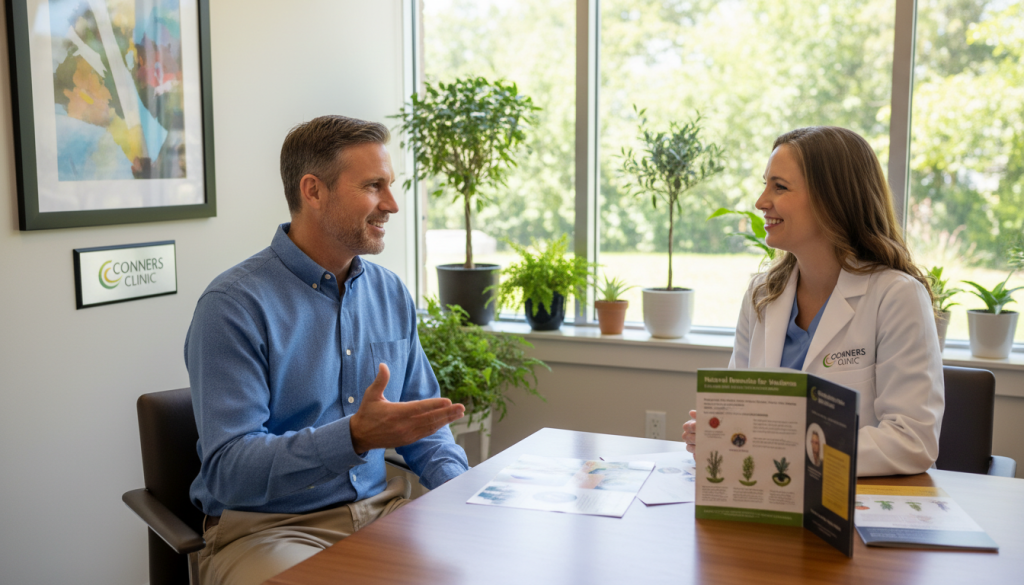
Listening to people provides crucial context. Many report that supportive therapies help them tolerate conventional treatments with fewer harsh side effects. These personal accounts are powerful, but they are anecdotal.
It’s vital to distinguish inspiring stories from clinical data. Your doctor can help you evaluate which supplements or practices might be safe for your unique situation.
Highlights from Recent Clinical Trials and Studies
Formal studies offer a different kind of insight. A 2018 cohort research project suggested Chinese Herbal Medicine might help prevent a second primary cancer in esophageal patients.
Ongoing clinical trials continue to explore how specific botanicals interact with standard drugs. This research is essential for developing safe, effective integrative protocols.
| Source of Insight | Key Benefit | Important Consideration |
|---|---|---|
| Patient Testimonials | Show real-world impact on quality of life and side effects. | Individual results vary; not a substitute for medical evidence. |
| Clinical Trials | Provide controlled data on safety and efficacy of new treatments. | Results may take years and apply to specific populations. |
My mission is to share these insights so you can discuss all options with your care team. Combining approaches can be powerful, especially when managing difficult effects like pain. Exploring strategies for pain control is a key part of a comprehensive care plan.
Embracing a Holistic Journey Toward Enhanced Cancer Care
As you move forward, remember that your active participation is the cornerstone of effective care. Embracing a holistic approach to your health means listening to your body and working closely with your doctor.
While no single method can cure cancer, integrating supportive therapies can improve your quality of life. I encourage you to seek evidence-based information and be wary of products making unscientific claims.
Focus on your body’s innate potential to heal. This can help mitigate the side effects of prescribed drugs. Your journey is unique, and the best treatments are personalized.
Stay committed to your path. Always prioritize safety when you use any complementary therapy. You have the power to take an active role in your long-term care.
FAQ
What is a holistic approach to managing cancer symptoms?
A holistic approach looks at your entire well-being, not just the disease. I recommend combining supportive therapies like specific herbs, dietary changes, and stress-reduction techniques with conventional oncology. This integrative method aims to improve your quality of life, help manage side effects from treatments like chemotherapy, and support your body’s own resilience during care.
How does Conners Clinic integrate natural compounds with standard oncology?
At Conners Clinic, we practice integrative oncology. This means we carefully blend evidence-based complementary therapies with traditional Western treatments. Our team creates personalized plans that may include targeted supplements and lifestyle modifications to support your primary therapy, aiming to enhance efficacy and minimize adverse effects.
Which herbs are commonly studied for supportive cancer care?
A> Several botanicals show promise in research. Turmeric (curcumin), green tea extract (EGCG), medicinal mushrooms like Turkey Tail, and ginger are frequently examined. These compounds are studied for their potential to modulate inflammation, support immune function, and improve patient comfort, but they are used as complements, not replacements, for conventional treatment.
Is there clinical evidence supporting herbal medicine in oncology?
A> Yes, ongoing laboratory studies and clinical trials are exploring this area. For instance, research published in journals like *Cancer Research* and *Integrative Cancer Therapies* investigates how specific plant compounds interact with cellular pathways. While findings are promising for symptom management, more large-scale human trials are needed to firmly establish protocols and dosages.
Can I use these supplements while undergoing chemotherapy or radiation?
A> This requires extreme caution and direct medical guidance. Some compounds can interact with prescription drugs, potentially altering their effectiveness or increasing toxicity. I cannot overstate the importance of full transparency with your oncologist and a qualified integrative practitioner before adding any new supplement to your regimen during active treatment.
What are the potential risks or side effects of herbal supplements?
A> While often well-tolerated, botanical products can cause digestive upset, allergic reactions, or liver interactions. The most significant risk is their potential to interfere with chemotherapy agents or blood thinners. Quality control is also vital, as supplements are not regulated like pharmaceutical drugs. Always choose products from reputable brands that undergo third-party testing.
Have patients reported benefits from integrative oncology approaches?
A> Many individuals in our care report improved management of fatigue, nausea, and emotional well-being when supportive therapies are integrated. These personal testimonials, combined with insights from ongoing clinical studies, help inform our practices. However, patient experiences vary, and these approaches are part of a comprehensive, supervised care plan.