
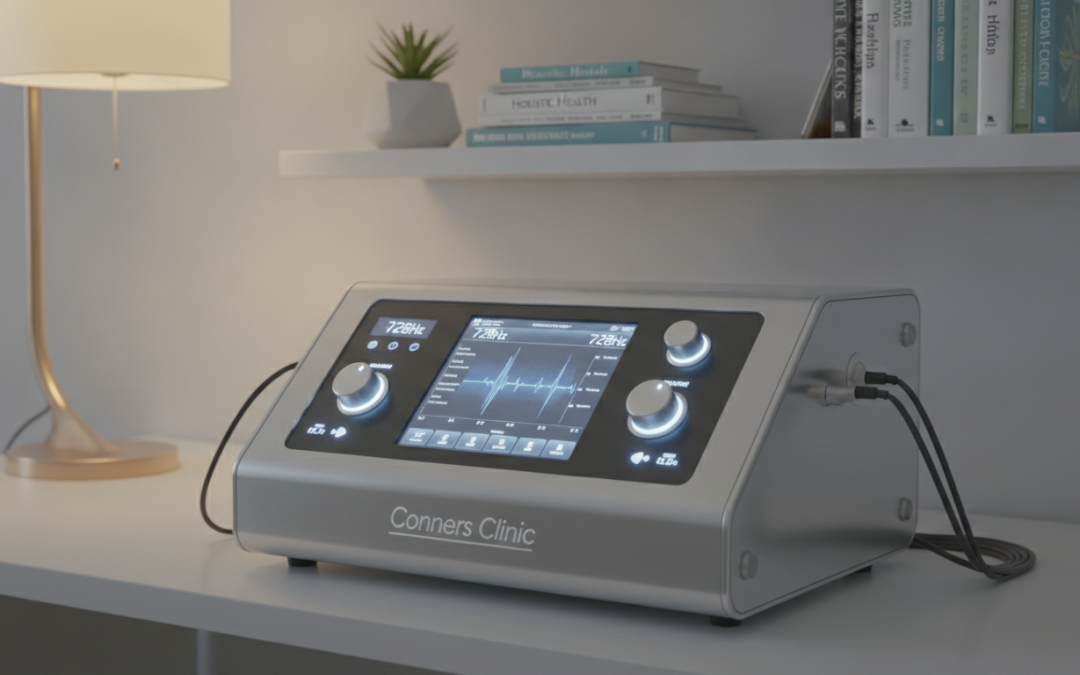
In a world where health is often a complex puzzle, many seek alternative solutions. One such solution is the device created by Royal Raymond Rife in the 1920s. His invention has sparked intrigue and debate for decades, particularly regarding its potential role in treating serious conditions like cancer.
As I explore this topic, I want to emphasize the importance of informed choices. The American Cancer Society classifies these devices as a form of alternative medicine, which means they are not supported by rigorous scientific validation. This raises questions about their efficacy and safety.
My aim is to guide you through the maze of information surrounding these devices. Together, we will uncover the history, examine scientific research, and discuss the potential risks associated with using such technology. By doing so, I hope to empower you to make decisions that align with your health goals.
Key Takeaways
- This guide offers an expert perspective on alternative health solutions.
- Rife’s device has been a topic of debate since its inception in the 1920s.
- The American Cancer Society views these devices as unproven.
- Understanding the difference between anecdotal claims and evidence-based practices is crucial.
- We will explore the history and risks of using these devices for personal wellness.
Getting Started with Royal Rife Machine Reviews
Navigating the realm of health solutions can often lead to exploring unconventional therapies. One such option is the use of a Rife machine, which is designed to produce low energy electromagnetic waves. Proponents believe these waves can interact with the body to address various medical conditions.
Typically, these machines deliver electrical impulses through pads placed on the hands or feet. This method requires careful consideration of safety protocols to ensure effective use.
When exploring alternative cancer therapy, it is vital to understand that these methods often operate outside the established framework of conventional medical treatment. The core concept involves finding a specific frequency to target diseased cells. However, this theory remains unproven by any reputable scientific organization today.
I encourage you to approach these devices with a critical eye. The energy emitted is often too weak to penetrate deep tissue effectively.
Origins and History of the Rife Machine
The journey of health solutions often leads to intriguing inventions from the past. One such innovator was Royal Raymond Rife, an American scientist who dedicated his career in the 1920s to developing advanced optical microscopes. These devices allowed him to visualize microbes that he believed were responsible for various diseases, including cancer.
Rife’s work was notably influenced by Dr. Albert Abrams, who introduced concepts related to radionics and specific electromagnetic frequencies. Rife theorized that by pinpointing the mortal oscillatory rate of a microbe, he could disable it using a specialized frequency generator. This idea laid the groundwork for what would eventually evolve into the various models of the Rife machine available today.
Despite the historical significance of Rife’s contributions, it is essential to note that independent researchers have struggled to replicate his findings in controlled laboratory settings. The evolution of this technology continues to spark interest among those seeking alternative health solutions.
| Aspect | Details |
|---|---|
| Inventor | Royal Raymond Rife |
| Era | 1920s |
| Influence | Dr. Albert Abrams |
| Theory | Mortal oscillatory rate |
| Current Status | Unproven by independent research |
Scientific Research and Evidence Behind Rife Machines
As we delve into alternative therapies, it’s essential to examine the research supporting their use. Understanding the scientific evidence can help clarify the potential effects of these devices on health.
Several studies have explored the impact of specific frequencies on cancer cells:
- A 2012 study demonstrated that specific frequencies could inhibit the growth of cancer cells in test tubes. However, this does not equate to human clinical trials.
- In a 2016 review, authors noted that electromagnetic frequencies might modulate the immune system, yet they cautioned that further research is strictly required.
- It is important to note that the frequencies used in these laboratory studies are distinct from the output of a standard device.
- While these results appear promising in a controlled environment, they have not yet translated into a proven, effective treatment for patients with active disease.
- We must demand rigorous evidence before accepting that these specific frequencies can safely and reliably eliminate cancer cells within the human body.
Examining Claims: Can Rife Machines Cure Cancer?
In the quest for effective cancer treatments, many turn to alternative therapies that promise healing. However, it is crucial to scrutinize these claims carefully. While some websites promote the idea that these devices can cure cancer, no reputable scientific organization supports these bold assertions.
When analyzing the scientific validity, we find that the evidence provided by proponents is almost exclusively based on personal testimonials rather than clinical data. The American Medical Association has historically condemned these experiments, emphasizing that the underlying theory of using a device to cure cancer lacks a sound basis.
Prioritizing unproven claims over established medical treatment can be dangerous. This approach may lead to the progression of the disease, putting patients at greater risk. I urge you to seek high-quality evidence, as the body of scientific literature currently shows no benefit for these devices in oncology.
| Claim | Scientific Support |
|---|---|
| Cure cancer | No reputable support |
| Effectiveness | Based on testimonials |
| AMA Stance | Condemned experiments |
| Risks | Potential disease progression |
| Literature Evidence | No proven benefits |
Benefits and Risks of Using a Rife Machine
Exploring the potential benefits and risks of alternative therapies is crucial for informed health decisions. Many users claim to experience various benefits from using these devices, but it’s important to approach these claims with caution.
Potential Benefits and Reported Results
While some users report perceived benefits, there is no clinical data to suggest that a Rife machine can alleviate physical symptoms of cancer. Anecdotal evidence often highlights positive experiences, yet these results lack scientific backing.
Safety Considerations and Reported Side Effects
Safety considerations are paramount. Users have reported experiencing electrical shocks and painful rashes, particularly when using adhesive pads on the body. Additionally, low-quality machines may pose risks of burns or electrical safety hazards.
The most significant risk is the delay of conventional care, which can allow the disease to worsen and become harder to treat. If you choose to use these devices, remember that the results are anecdotal and do not represent a proven medical intervention.
Where to Buy a Rife Machine
Finding the right source for alternative health devices can be a daunting task. Many individuals seek these devices for their potential benefits, but it’s crucial to approach this process with care.
When looking for where to buy a Rife machine, you can visit the Conners Clinic website at this link to view their specific offerings. The cost of these devices can range from hundreds to thousands of dollars, making it a significant financial investment for any patient.
I advise you to exercise extreme caution, as there is no standard regulation for these devices, meaning quality control is virtually non-existent. Before purchasing, ensure you understand that these machines are not approved by the FDA for the treatment of any specific medical condition.
Always prioritize your financial and physical safety by consulting with your primary care team before investing in expensive, unproven technology. Remember, informed decisions lead to better health outcomes.

The Controversy Behind Alternative Cancer Treatments
Patients often seek alternatives to conventional cancer treatments, driven by personal stories and testimonials. However, this journey is fraught with controversy. The effectiveness of alternative therapies often remains unproven due to a lack of rigorous clinical trials.
In 2005, the Australian NHMRC conducted a review and found no high-quality evidence supporting microwave therapy for cancer patients. Similarly, large-scale trials, such as the 2007 GERAC study involving 1162 patients, showed that many alternative therapies performed no better than a placebo.
It is heartbreaking to see patients forsake proven medical treatments for unproven technology, often due to a lack of empathy in the conventional system. We must empower people with the truth, ensuring they understand that true medical progress is built on peer-reviewed research and regulatory oversight.
- The controversy surrounding alternative cancer treatments often stems from a lack of rigorous clinical trials.
- Many alternative therapies perform no better than a placebo.
- Patients may delay seeking proven medical care, risking their health.
- Peer-reviewed research is essential for validating any treatment.
- Regulatory oversight ensures safety and efficacy in medical practices.
royal rife machine reviews: Insights from Users and Experts
Many individuals seeking health solutions often turn to testimonials about alternative therapies. In the case of the Rife device, users frequently share emotional experiences that lack scientific validation. This can lead to confusion for those searching for reliable information.
As an expert, I encourage patients to be cautious when interpreting online reviews. Social media can misrepresent the reality of cancer care. It’s common for these machines to be marketed to vulnerable individuals who are desperate for hope when conventional treatments have not yielded results.
Before considering any alternative device, it is vital to discuss it with your oncology team. This ensures that it does not interfere with your current treatment plan. Ultimately, the decision to use these devices should be informed by accurate information rather than persuasive marketing tactics.
- Many emotional testimonials lack scientific evidence for medical validation.
- Be wary of information found on social media; it may misrepresent cancer care.
- These machines are often marketed to vulnerable patients seeking hope.
- Consult your oncology team before using any alternative device.
- Make decisions based on accurate information, not marketing hype.
| Aspect | Details |
|---|---|
| Emotional Testimonials | Lack scientific validation |
| Social Media | Can misrepresent reality |
| Target Audience | Vulnerable patients |
| Consultation | Discuss with oncology team |
| Decision Making | Base on accurate information |
Final Thoughts on Navigating Your Rife Machine Journey
Choosing the right health solutions requires careful consideration and a commitment to informed choices. It’s essential to prioritize evidence-based therapy, ensuring that every treatment you explore is backed by rigorous scientific validation.
While the device remains a popular topic, I urge you to prioritize your safety by avoiding any device that claims to cure cancer without proof. Your body deserves the best possible care, which means relying on proven medical treatments rather than unverified electromagnetic frequencies and energy waves.
Always maintain open communication with your medical team, as they are your best resource for interpreting the complex information surrounding alternative cancer therapies. By focusing on proven technology and clinical results, you can make informed decisions that truly support your long-term health and well-being.
FAQ
What is a Rife machine and how does it work?
A Rife machine is a device that uses specific electromagnetic frequencies to target and potentially disrupt harmful cells in the body. It operates on the principle that each type of cell vibrates at a unique frequency, and by applying the correct frequency, it may help in alleviating symptoms and promoting healing.
Are there any scientific studies supporting the use of Rife machines for cancer treatment?
While some laboratory studies suggest that certain frequencies may have an effect on cancer cells, comprehensive clinical trials are limited. It’s essential to approach the claims with caution and consult healthcare professionals before considering such treatments.
What are the potential benefits of using a Rife machine?
Users have reported various benefits, including reduced pain, improved energy levels, and enhanced overall well-being. However, individual experiences can vary widely, and more research is needed to validate these claims.
Are there any risks associated with using a Rife machine?
Some users may experience mild side effects, such as fatigue or discomfort during treatment. It is crucial to consult with a healthcare provider to ensure safety and proper use, especially for individuals with existing health conditions.
Where can I purchase a Rife machine?
Rife machines can be found through various online retailers and specialized health equipment suppliers. It is advisable to research trusted sources and read reviews to ensure you are making an informed purchase.
How do Rife machines compare to conventional cancer treatments?
Conventional treatments like chemotherapy and radiation have extensive clinical backing and are widely accepted in the medical community. In contrast, Rife machines are considered alternative therapies, and their effectiveness is still under investigation. It’s important to weigh the options and consult with healthcare professionals.
What should I consider before using a Rife machine?
Before using a Rife machine, consider your overall health, consult with a medical professional, and ensure you understand the potential benefits and risks. Additionally, it’s essential to maintain realistic expectations regarding treatment outcomes.