
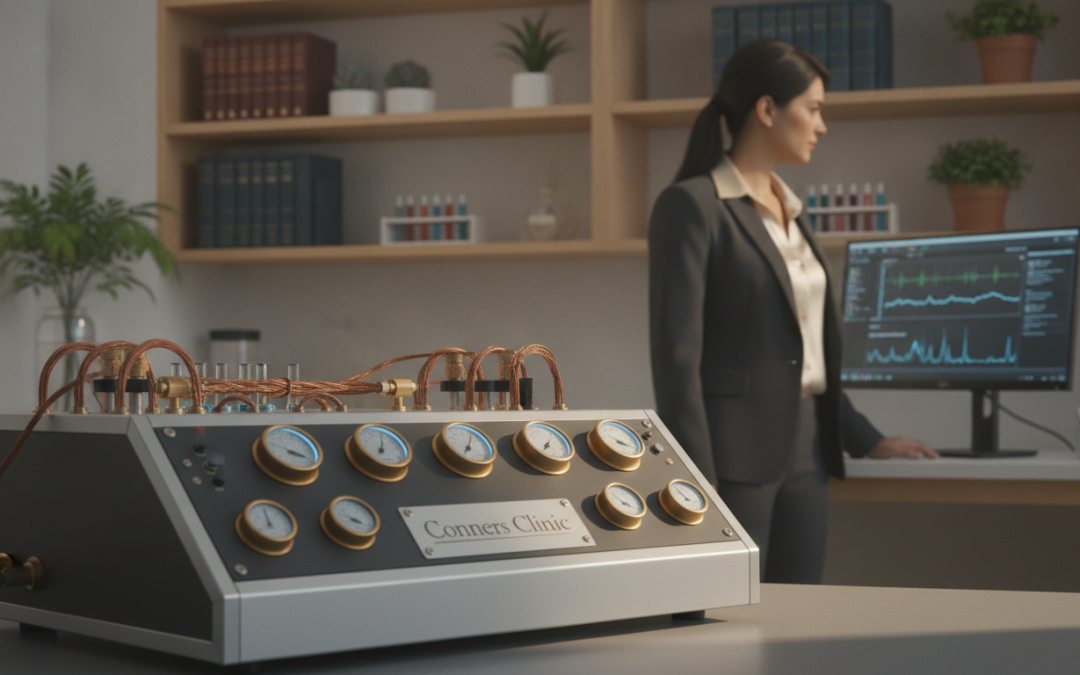
In the quest for health and wellness, many individuals find themselves exploring various treatment options. It’s a journey filled with hope, yet often clouded by uncertainty. Imagine standing at a crossroads, seeking a solution that could change your life. This is where the topic of the Rife machine comes into play, a device that has sparked both interest and skepticism.
As someone deeply invested in understanding alternative health solutions, I invite you to delve into the intricate world of Rife machine insights. It’s crucial to approach this subject with a discerning eye. While many people yearn for a cure for cancer, the American Cancer Society does not endorse the claims surrounding this device.
My aim is to equip you with balanced information, enabling you to evaluate the evidence before making any decisions about your treatment. Navigating through anecdotal reports and clinical data can be challenging, but it is essential for your safety and well-being.
Key Takeaways
- Explore the complex landscape of Rife machine insights.
- Understand that the American Cancer Society does not support claims of curing cancer with this device.
- Evaluate the evidence critically before deciding on treatment options.
- Recognize the difference between anecdotal claims and scientific validation.
- Make informed choices for your health journey.
Understanding the Royal Rife Machine Research Landscape
In today’s health-conscious society, individuals frequently seek out unique therapeutic approaches. The exploration of frequency therapy is one such area, rooted in a rich history that dates back to the 1920s.
American scientist Royal Raymond Rife pioneered the original device, marking the inception of what we now recognize as rife machines. His work aimed to uncover the electrical impulses associated with various diseases.
Current trends in frequency therapy reflect a resurgence of interest in these early methods. Many people are curious about how these devices have evolved over the last hundred years, particularly in relation to chronic disease treatment.
While modern medicine has made significant strides, the discussion surrounding the use of specific frequencies to influence health remains vibrant. I believe it is essential to recognize that despite their long history, these machines are still viewed as alternative medicine by the broader medical community.
Deep Dive into royal rife machine research
Exploring new avenues for health, many individuals are intrigued by the potential of alternative therapies. The mechanism behind these devices suggests they may target specific frequencies of diseased tissue cells, potentially offering a novel approach to treatment.
However, it is crucial to approach these claims with caution. While some patients are drawn to these devices as a gentler alternative to conventional medicine, the evidence supporting their efficacy remains limited. As I have observed, many reports of positive outcomes lack the rigorous clinical proof necessary to validate such claims.
Here are key points to consider:
- The proposed mechanism of action indicates that these machines could cure cancer by affecting the frequency of diseased cells.
- Comparative analyses show that evidence for the effectiveness of these methods is currently sparse.
- It is essential to differentiate between anecdotal reports and scientifically validated results.
- While some individuals claim success, these experiences often do not reflect the broader patient population.
“The difference between standard treatments and alternative methods is a critical distinction for patients.”
I encourage you to look closely at the evidence before making any decisions about your health. Understanding the complexities of these devices can empower you to make informed choices in your treatment journey.
The Science Behind Electromagnetic Frequencies and Cancer
Many patients today are curious about how innovative therapies might influence their health outcomes. The science behind these devices relies on the use of low energy waves, which are distinct from the high energy radiation used in standard cancer treatment.
Unlike X-rays, which are high energy, the electromagnetic frequencies produced by these devices are designed to interact with cancer cells at a lower intensity. Many studies have investigated how these low energy waves might affect the behavior of cancer cells without causing the damage associated with traditional radiation.
I find it fascinating that researchers are exploring how specific frequencies can influence the body, even if the clinical evidence for these devices is still emerging. For patients considering this path, understanding the physics of these waves is a vital step in evaluating the potential effects on their health.
We must remain cautious, as the use of these electromagnetic frequencies is still being evaluated to see if they can safely support the treatment of cancer.
Evaluating Clinical Trials and Research Findings
As we delve into the world of alternative therapies, it’s essential to examine the clinical trials and research findings related to these devices. This exploration provides valuable insights into their effectiveness and safety.
One notable study conducted by Barbault et al. identified tumor-specific frequencies in 163 patients. This foundational research utilized 27.12 MHz radiofrequency, which has shown promising results in clinical settings. However, further large-scale studies are needed to confirm these benefits.
When we assess the available information, it becomes clear that while some studies indicate an effect on cancer cells, these findings differ significantly from the claims surrounding unproven devices. For instance, the FDA-approved NovoTTF-100A is a distinct technology that has undergone rigorous evaluation.
Many patients find hope in clinical trials, yet it is crucial to rely on rigorous evidence to guide treatment choices. Ongoing research into electromagnetic frequencies continues to evolve, shedding light on potential advancements in therapy.
| Study | Findings | Implications |
|---|---|---|
| Barbault et al. | Identified tumor-specific frequencies | Foundation for further research |
| FDA NovoTTF-100A | Approved for recurrent glioblastoma | Demonstrates rigorous evaluation |
| General Research | Effects on cancer cells | Need for more large-scale studies |
“The pursuit of evidence-based treatment is essential for patient safety and well-being.”
For more detailed information, you can explore this study that discusses the clinical implications of electromagnetic therapies.

How the Rife Machine Operates: Mechanisms and Methodologies
In their quest for better health, individuals often investigate a range of treatment modalities. One such option is the use of Rife machines, which deliver low energy electrical impulses through hand-held plasma tubes or electrical pads placed on the hands or feet.
The operation of these devices is rooted in the pioneering work of Royal Raymond Rife, who designed his original device to target the electrical impulses associated with disease. This methodology continues to influence modern machines today.
Patients typically use these devices for a few minutes each day, hoping that the specific frequencies will positively affect their cancer cells. While the user experience is often described as straightforward, the underlying mechanisms are complex and require careful study.
I have observed that many find the operation of these devices manageable within their daily routines. However, it is crucial to remember that these devices should not replace standard medicine without professional guidance.
Where to Buy Your Rife Machine at Conners Clinic
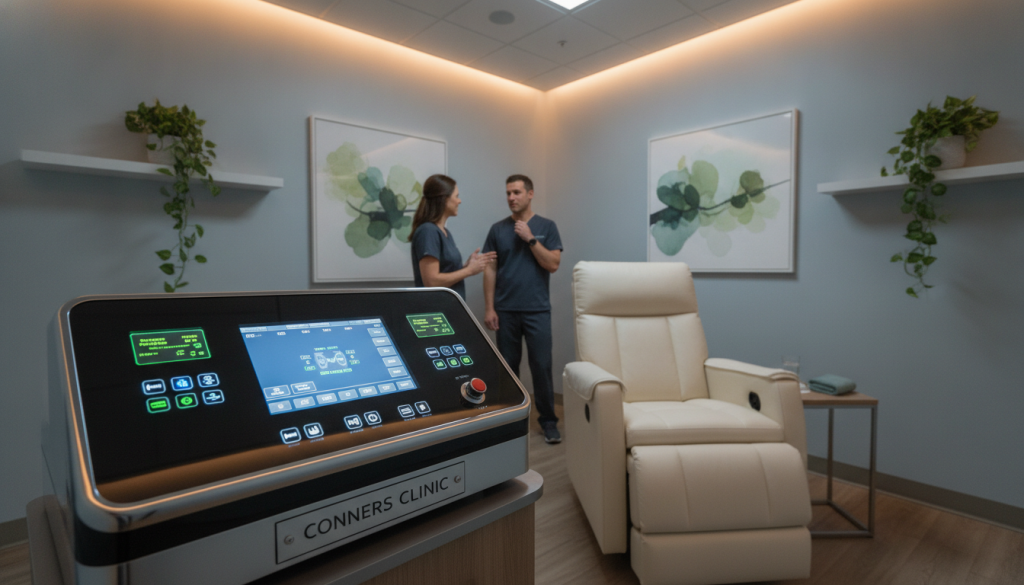
As individuals navigate their health journeys, they often look for unique therapeutic devices. If you are interested in exploring frequency therapy, you can find a programmed Rife machine at the Conners Clinic shop.
This specific device is designed to assist patients in their health exploration. I recommend reviewing the product overview carefully to ensure it aligns with your specific needs and health goals.
Many patients appreciate having access to these machines at home, as it empowers them to take a more active role in managing their wellness. When you choose to buy from a reputable source like Conners Clinic, you ensure that you receive a quality device for your health journey.
Always remember that while this machine can be a valuable tool, it is not a substitute for the comprehensive care provided by your medical team.
Integrating Rife Machines into Complementary Cancer Therapy
Navigating the landscape of cancer treatment can lead patients to explore complementary therapies. One such option is the use of Rife machines, which some individuals consider as an adjunct to their standard care.
However, it’s essential to approach this integration with caution. Here are some key considerations:
- Integrating a Rife machine into your cancer therapy requires careful consideration and should always be discussed with your primary oncology team.
- While some people report benefits, there is no consistent body of high-quality evidence to show that these devices work as claimed for the treatment of cancer.
- Safety is paramount, and I urge you to be aware that some users have reported side effects like electrical shocks or rashes when using these machines.
- When you look at the clinical trials and studies, it becomes clear that we need more rigorous data to understand the true effect of these methods on cancer.
- I believe that patients should be empowered with information, allowing them to ask their doctors, “show me the evidence that what you say is true.”
- Using these devices as a complementary therapy means you must remain vigilant about your health and never abandon proven treatments for unproven methods.
As you consider your options, remember that informed decisions are crucial in your treatment journey.
Final Reflections on Royal Rife Machine Research for Today
As we reflect on the evolving landscape of alternative therapies, it’s vital to assess their validity. While the technology behind these devices is intriguing, it lacks the endorsement of the American Cancer Society.
I hope this guide has equipped you with the necessary information to weigh potential benefits against the current lack of clinical evidence. For patients navigating the difficult path of cancer, prioritizing treatments proven effective through rigorous clinical trials is essential.
As the study of frequencies and their effects on cells continues, we must remain grounded in the reality of what modern medicine offers. I encourage you to continue your research and consult with your medical team before adding any new device to your health regimen.
Ultimately, the choice of how to manage your disease is yours. I support you in seeking the most informed and safe path forward.
FAQ
What is the purpose of frequency therapy in cancer treatment?
Frequency therapy aims to target cancer cells using specific electromagnetic frequencies, potentially disrupting their growth and promoting healing in surrounding tissues.
Are there any clinical trials supporting the effectiveness of these devices?
While some studies suggest positive outcomes, the evidence remains mixed. It’s essential to review clinical trials for comprehensive insights into their efficacy and safety.
How do these devices work to affect cancer cells?
These devices operate by emitting low-energy electromagnetic waves that may resonate with the cellular structure of cancer cells, leading to their disruption or destruction.
Can I use frequency therapy alongside conventional cancer treatments?
Yes, many patients explore integrative approaches. However, it’s crucial to consult with healthcare professionals to ensure safety and compatibility with ongoing treatments.
What are the potential benefits of using frequency therapy?
Users often report benefits such as reduced pain, improved energy levels, and enhanced overall well-being, though individual experiences can vary significantly.
Where can I find reliable information about these therapies?
Trusted sources include medical journals, reputable cancer organizations, and consultations with healthcare providers knowledgeable in integrative medicine.
Is frequency therapy safe for all patients?
While generally considered safe, individual health conditions and treatment plans should be evaluated by a medical professional before starting any new therapy.
How long does it typically take to see results from using these devices?
Results can vary widely based on individual circumstances, treatment frequency, and the specific condition being addressed. Some may notice changes within weeks, while others may take longer.