

When exploring health options, many of us find ourselves at a crossroads. We want to make informed choices, especially when it comes to serious conditions like cancer. This journey can feel overwhelming, filled with countless treatments and theories. It’s crucial to understand what is out there and how it might impact our health.
One such option is the method developed by Royal Raymond Rife in the 1920s. His invention, often referred to as a frequency-based device, has sparked both interest and skepticism. Many claim it offers alternative health benefits, particularly in cancer treatment. However, the American Cancer Society labels these devices as unproven, urging caution.
In this guide, I aim to shed light on the royal rife machine protocol. We will examine its historical claims and the current medical consensus. My goal is to help you navigate this complex landscape with clarity and care, ensuring you prioritize proven medical advice while exploring alternative options.
Key Takeaways
- This guide covers the royal rife machine protocol and its historical context.
- We discuss the rife machine’s claims regarding cancer treatment.
- Understanding the health implications is essential for informed decisions.
- We aim to clarify how this device works and its controversies.
- Readers will learn to approach frequency-based wellness with caution.
Introduction to Rife Machines and Their Health Applications
Navigating health choices can often feel like a daunting task. One such option is the rife machine, a device designed to deliver low energy electromagnetic waves into the body. These waves, similar to radio waves, are undetectable to the human ear and are said to interact with the body’s cells.
Proponents of this therapy claim it can cure cancer, but it is essential to note that the American Cancer Society has stated these devices lack scientific validation. While many users incorporate these machines into their wellness system, hoping to alleviate chronic conditions, the mechanisms by which they operate remain unproven.
Here are some key points to consider:
- A rife machine delivers electromagnetic waves through hand-held plasma tubes or electrical pads.
- Despite claims of curing cancer, no clinical trials support these assertions.
- These therapies aim to interact with the body at a cellular level.
- Many users seek to address health issues through targeted electromagnetic energy.
- Reputable cancer organizations do not endorse these machines as a primary treatment option.
The Historical Journey of the Rife Machine
Choosing the right health treatment can be a challenging journey. One pivotal figure in this exploration is Royal Raymond Rife, an American scientist who developed the original rife machine in the 1920s. His goal was to target what he believed were harmful microorganisms responsible for various diseases.
Rife’s legacy is intertwined with his invention of optical microscopes. He claimed these devices could visualize the auras of microbes, offering a new perspective on disease. Rife theorized that specific electromagnetic frequencies could destroy these microbes, particularly those linked to cancer.
Despite his ambitious claims, the American Medical Association condemned Rife’s experiments. Independent researchers struggled to replicate his findings, leading to skepticism about his methods. Today, while the rife machine remains a topic of historical interest, its scientific validity in treating cancer has been largely debunked.
Understanding Frequency-Based Therapies
Making decisions about health treatments can often feel overwhelming. One area that has garnered attention is the use of electromagnetic frequencies in various therapies. These frequencies, which are low-energy waves, aim to interact with the body in specific ways.
The core of this therapy involves the use of electromagnetic frequencies, which are similar to those used in radio broadcasting. Unlike high-energy radiotherapy that targets cancer, these fields are much weaker and often do not penetrate the skin effectively.
Here are some important points to consider:
- Proponents argue that these electromagnetic frequencies can help rebalance the body.
- However, there is no substantial evidence that they can cure cancer or other diseases.
- Research on various electromagnetic fields exists, but it does not utilize the same frequencies emitted by frequency devices.
- It is crucial to differentiate between experimental energy research and the unproven claims made by manufacturers of at-home devices.
The Science Behind Rife Machine Frequencies
Exploring the mechanisms of health devices can illuminate their effectiveness. The theory behind these devices posits that every cell has a specific frequency that can be targeted for destruction. Rife theorized that harmful microbes could reside within tumor cells and could be eliminated by applying a specific vibrational frequency.
While some laboratory studies indicate that certain frequencies might inhibit the growth of cancer cells, these findings do not translate effectively to human applications. The energy produced by these devices is often too low to impact living cells, raising questions about their theoretical foundations.
Key insights include:
- Research has shown that the frequencies used in legitimate studies differ significantly from those emitted by typical devices.
- Without rigorous clinical trials, claims that a specific frequency can selectively destroy cancer cells remain unverified.
- Many experts caution against relying on these unproven methods for cancer treatment.
| Aspect | Rife Theory | Scientific Consensus |
|---|---|---|
| Cellular Frequency | Every cell has a specific frequency. | Not proven in human studies. |
| Microbe Targeting | Microbes inside tumor cells can be destroyed. | Evidence is lacking. |
| Energy Levels | Low energy can impact cells. | Energy levels are often insufficient. |
Exploring the royal rife machine protocol
Delving into alternative health methods can reveal a spectrum of options. The royal rife machine protocol involves daily sessions where users apply electrical impulses to their hands or feet. This approach aims to target diseased cells effectively.
However, a 2013 review of existing research concluded that there is no credible evidence supporting the use of these devices for treating cancer. While some studies have shown that specific electromagnetic frequencies can prevent cancerous cells from growing in test tubes, these findings cannot be applied to human patients.
Here are some critical points to consider:
- The mechanisms proposed by the protocol remain purely theoretical and unsupported by the medical community.
- Patients should be cautious of claims that cite laboratory evidence as proof of effectiveness.
- The lack of peer-reviewed studies highlights the need for skepticism regarding these treatments.
| Study Year | Findings | Conclusion |
|---|---|---|
| 2012 | Electromagnetic frequencies prevented some cancerous cells from growing in test tubes. | Results not applicable to human patients. |
| 2013 | No scientific evidence shows these devices can treat cancer. | Credibility of the protocol is questionable. |
Rife Machines in Complementary and Alternative Medicine
The landscape of health treatments is filled with choices that can leave patients confused. Within the field of complementary and alternative medicine, the Rife machine is categorized as an unproven therapy by organizations like the American Cancer Society.
Many patients seek these therapies when they feel their current medical system is not providing the results they desire for their condition. However, it is crucial to recognize that these machines are not regulated. This means the quality of each device can vary significantly across different manufacturers.
Relying on alternative therapies instead of conventional cancer treatment can lead to a dangerous delay in receiving life-saving medical care. My professional recommendation is to always discuss any new therapy with your oncology team to ensure it does not interfere with your primary treatment.
Potential Health Benefits of Rife Machine Therapy
In the realm of alternative health, many are curious about the potential benefits of various therapies. One area of interest is how specific frequencies may influence the body’s immune system and overall vitality.
Proponents of these devices often highlight the following potential benefits:
- Increased cellular energy: Some users report feeling more energetic after sessions.
- Immune system support: Certain frequencies may enhance the body’s ability to combat cancerous cells.
- Placebo effect: Many individuals feel better, but this could be due to psychological factors rather than actual changes in their cells.
- Lack of clinical validation: Claims about boosting the immune system through vibrations lack scientific support.
- Critical evaluation: It’s essential to be skeptical of devices that promise to cure cancer simply by providing energy.
While some research suggests that specific frequencies might modulate the immune system, these studies do not involve the use of these devices. Therefore, it is crucial to approach these claims with caution and rely on proven medical advice.
Risks and Safety Considerations
Understanding the risks associated with alternative therapies can guide better health choices. While some users of frequency-based devices report positive experiences, it is crucial to be aware of potential side effects and safety precautions.
Reported side effects of using these devices include:
- Painful electrical shocks.
- Skin rashes from adhesive pads.
- Skin irritation due to electrical contact.
The most significant risk involves delaying conventional cancer treatment. This delay can allow the disease to spread throughout the body, worsening the patient’s condition.
Additionally, because these machines are not regulated, low-quality devices may pose safety risks. Users might experience burns or other physical harm due to faulty equipment.
The American Cancer Society emphasizes that there is no evidence supporting the effectiveness of these machines in treating cancer. Therefore, their use should not replace standard medical care.
If you choose to use a frequency-based device, it is essential to be aware of these safety risks. Ensure that your primary medical team is fully informed about your treatment choices.
| Risk Factor | Description | Precaution |
|---|---|---|
| Electrical Shocks | Users may experience painful shocks during use. | Ensure proper device handling and follow instructions. |
| Skin Reactions | Rashes or irritation from adhesive pads are common. | Monitor skin condition and discontinue use if severe. |
| Delayed Treatment | Relying on these machines can delay essential cancer care. | Consult with healthcare providers before starting therapy. |
Rife Machines Compared to Conventional Treatments
Assessing treatment options can often lead to confusion and uncertainty. Many individuals explore alternative methods, such as frequency-based devices, in hopes of finding relief. However, it is vital to compare these options with conventional cancer treatments.
Conventional cancer treatments undergo a rigorous process of development and testing. This ensures they are safe and effective before being approved for public use. In contrast, the devices in question have not undergone the standard scientific testing required to validate their use as legitimate medical treatments.
Choosing these machines over proven therapies can be life-threatening. Cancer may continue to grow while patients rely on ineffective methods. Here are some key points to consider:
- Conventional treatments are subjected to clinical trials to prove safety and efficacy.
- No reputable cancer organization supports the use of these devices as substitutes for standard medical care.
- Professional medical systems prioritize treatments that have been proven to extend life.
- Relying on unproven alternatives can lead to a dangerous delay in necessary care.
| Aspect | Conventional Treatments | Rife Machines |
|---|---|---|
| Testing | Rigorous clinical trials | No standard scientific testing |
| Effectiveness | Proven to extend life | Unproven claims |
| Regulation | Highly regulated | Not regulated |

Integrative Wellness: Combining Rife Therapy with Other Practices
In the quest for holistic health, many individuals seek ways to enhance their wellness. Integrative wellness practices often combine therapies like acupuncture, massage, and chiropractic care to support the body’s natural healing processes. Some practitioners suggest that combining these treatments with frequency therapy can help regulate the nervous system and improve overall patient outcomes.
Many integrative wellness clinics offer frequency therapy alongside various complementary treatments. This approach provides a more holistic method to patient health. However, it is crucial to remember that these treatments are not substitutes for conventional cancer care.
- While these therapies can help manage stress and improve physical comfort, they do not eliminate cancer cells.
- Combining practices may help the body feel more relaxed and balanced.
- Patients should ensure that any integrative care plan is coordinated with their primary oncology team.
- The goal of integrative wellness is to support the whole body, but this must never come at the expense of proven, life-saving medical interventions.
| Therapy Type | Benefits | Considerations |
|---|---|---|
| Acupuncture | May reduce pain and improve relaxation. | Should complement, not replace, cancer treatments. |
| Massage | Can enhance physical comfort and reduce stress. | Consult with healthcare providers before starting. |
| Chiropractic Care | Supports spinal health and overall well-being. | Must be integrated with conventional care plans. |
Practical Guidance on Using a Rife Machine
Knowing what to expect during therapy can help you feel more prepared and confident. Sessions typically last a few minutes each day, several times a week. Many clinics offer these appointments as standalone options for around $25.
Here are some key points about the experience:
- A typical session involves using the device for a few minutes daily, targeting specific conditions.
- Many clinics provide these sessions as an add-on to other treatments, sometimes costing as little as $10 for a brief session.
- During therapy, you might feel a mild tingling sensation in your body, though many users report feeling nothing at all.
- It’s important to manage your expectations, as there is no scientific evidence that these sessions will produce measurable results for cancer.
- Always keep a log of your experiences and discuss any changes in your health with your doctor to ensure your treatment remains safe.
| Session Aspect | Details | Cost |
|---|---|---|
| Duration | Typically a few minutes each day | $25 for standalone appointments |
| Frequency | Several times a week | As low as $10 for brief sessions |
| Sensation | Mild tingling or no sensation | N/A |
Where to Buy a Rife Machine
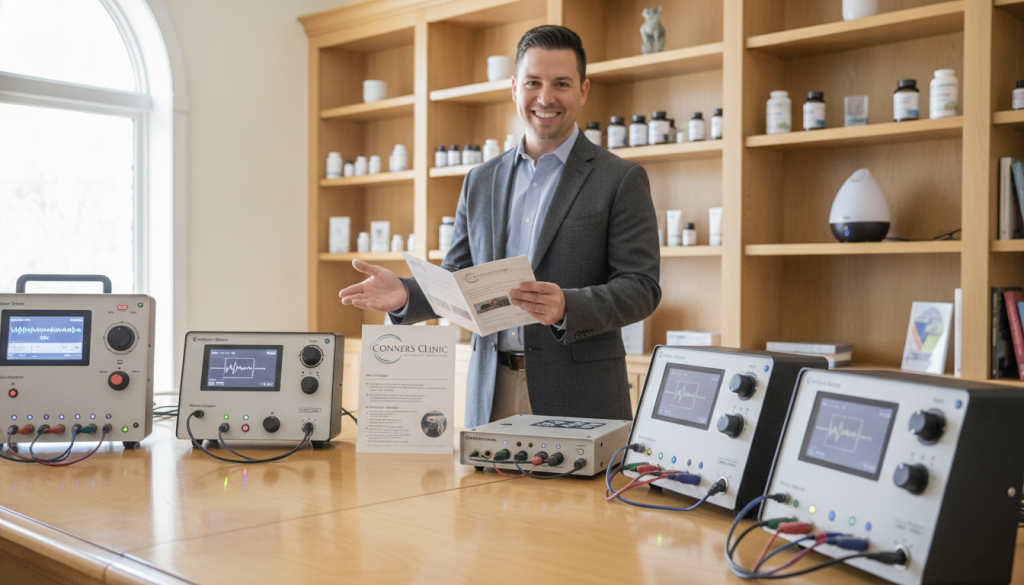
Finding the right device for your health journey can be a significant decision. If you are interested in purchasing a device, you can visit the Shop Conners Clinic website to view their programmed Rife machine options.
The device available at this shop is designed for a wide range of uses, though it is not a substitute for professional medical treatment. When selecting a machine, consider the quality of construction, as there is no standard for these devices, and many are not electrically safe.
Raymond Rife would likely be surprised by the wide range of modern devices now available for purchase by the general public today. Always remember that a living, breathing patient requires more than just a device to manage complex health conditions.
The fields of electromagnetic therapy are still evolving. Therefore, you should research the specific frequencies offered by any device before making a purchase. Ensure the device you choose is built to high standards, as low-quality units may pose risks to your skin and overall safety.
Before buying, consult with your healthcare provider to ensure that adding this device to your home is a safe approach for your needs. The number of available devices is high, but only a few are built with the necessary safety features for home use.
Always verify the reputation of the seller, as many websites make misleading claims about the capabilities of their specific frequencies. Investing in a device is a personal decision, but it should never replace the proven treatments recommended by your oncology team.
The specific frequencies emitted by these units are often unverified, so proceed with caution when integrating them into your daily routine.
An Overview of the Current Research Landscape
Understanding the landscape of health research can open new avenues for treatment. The current research on electromagnetic frequencies reveals a complex picture. Some studies indicate that specific frequencies may block new cancer cells from forming and inhibit tumor growth. A 2016 review noted these promising results, yet it emphasized the need for further human studies.
Here are some key insights:
- Research shows potential in animal models for inhibiting cancer cells.
- Despite promising results, there is a significant lack of human studies to confirm safety and efficacy.
- It is vital to distinguish between the controlled laboratory research and the unproven devices sold online.
- While the number of studies is growing, evidence does not support claims that these machines can cure disease or replace standard treatments.
- We must continue to support rigorous scientific research to determine if these therapies can be safely integrated into modern health care.
- The effect of these frequencies on the immune system is a key area of interest, but definitive answers are still lacking.
| Study Year | Findings | Conclusion |
|---|---|---|
| 2016 | Specific frequencies blocked new cancer cells and inhibited tumor growth in animal studies. | Promising but requires more human research. |
Final Thoughts on Embracing Frequency-Based Health Approaches
Embracing frequency-based health approaches requires a careful balance between curiosity and reliance on proven medical science for treating cancer. While the history of these devices is fascinating, the lack of clinical evidence means they should never replace standard, life-saving medical interventions.
Always prioritize your relationship with your oncology team. Ensure that any complementary practice is safe and supported by your doctor. The future of medicine may involve new ways to support the body, but these must be validated through rigorous, transparent, and peer-reviewed research.
Your health is your most valuable asset. Make decisions based on reliable data rather than unverified claims found on the internet. By staying informed and cautious, you can navigate your health journey more effectively.
FAQ
What is a Rife machine and how does it work?
A Rife machine is a device that utilizes specific electromagnetic frequencies to target and potentially disrupt unhealthy cells, including cancer cells. It is based on the principle that every cell in the body vibrates at a specific frequency, and by using the right frequencies, it may be possible to restore balance and promote healing.
Are there any proven benefits of using a Rife machine for cancer treatment?
While some users report positive experiences, scientific evidence supporting the effectiveness of Rife machines for cancer treatment is limited. Research is ongoing, and it is essential to consult with a healthcare professional before considering this therapy as part of a treatment plan.
What are the potential risks associated with Rife machine therapy?
Potential risks may include discomfort during sessions or interactions with other treatments. It is crucial to discuss any concerns with a qualified healthcare provider to ensure safe use and integration with other therapies.
How often should I use a Rife machine for optimal results?
The frequency of use can vary based on individual health conditions and goals. Many practitioners recommend starting with shorter sessions a few times a week and adjusting based on personal experience and guidance from a healthcare professional.
Can Rife machines be used alongside conventional cancer treatments?
Yes, many individuals explore the use of Rife machines as a complementary therapy alongside conventional treatments. However, it is essential to coordinate with healthcare providers to ensure a cohesive approach to treatment.
Where can I find reputable Rife machines for purchase?
Reputable Rife machines can be found through specialized health clinics, online retailers, and manufacturers. It’s advisable to research and choose devices that have positive reviews and come from credible sources.
What should I expect during a Rife machine session?
During a session, you may experience various sensations, such as tingling or warmth, as the machine emits frequencies. Sessions typically last from 30 minutes to an hour, and many users find them relaxing.
Is there ongoing research regarding the efficacy of Rife machines?
Yes, research is being conducted to explore the effects of electromagnetic frequencies on various health conditions. However, more comprehensive studies are needed to establish definitive conclusions regarding their efficacy and safety.