
In the face of a cancer diagnosis, many individuals embark on a journey filled with uncertainty and hope. It’s a time when the search for answers often leads to exploring various options for support. Understanding the landscape of the Rife machine and its claims is crucial for anyone considering this path. I aim to provide clarity on this topic, shedding light on the complexities involved.
As a professional in the field, I recognize the emotional weight that comes with seeking alternative solutions. While some believe in the potential benefits of this device, it’s essential to note that the FDA has not approved it for any medical use. This guide will help you navigate the nuances of the Rife machine and its role in modern wellness.
My goal is to equip you with accurate information so you can make informed decisions about your health journey. Let’s delve into the history and the current understanding of this controversial device together.
Key Takeaways
- The Rife machine has not received FDA approval for treating diseases.
- Many patients seek additional support when facing cancer.
- Understanding the history of the Rife machine is essential.
- This guide aims to clarify the treatment’s perception in the medical community.
- Accurate information is vital for making informed health decisions.
Introduction to the Royal Rife Machine Alternative Treatment
A cancer diagnosis can lead many to seek out diverse options for healing and comfort. One such option is the Rife machine, which is often marketed with bold claims. Proponents suggest that it can cure cancer by targeting specific frequencies. However, these assertions lack rigorous scientific validation.
Many patients turn to various therapies, including Rife machines, when conventional cancer treatments do not meet their individual needs. It’s essential to recognize that the FDA has not approved any Rife machine for the treatment of cancer or any other medical condition.
While some believe these machines can restore health, there is no consistent body of high-quality evidence supporting the efficacy of these alternative therapies. I encourage you to look beyond the marketing claims and consider the lack of peer-reviewed research when evaluating this type of cancer treatment.
- The Rife machine is marketed with claims of curing cancer through frequency targeting.
- Patients often seek alternative therapies when traditional treatments fall short.
- The FDA has not approved any Rife machine for medical use.
- There is no reliable evidence supporting the effectiveness of these machines.
- Consider the absence of peer-reviewed research when evaluating these therapies.
Historical Origins and Development
The history of medical innovation often reveals fascinating stories of pioneers and their groundbreaking ideas. One such figure is Royal Raymond Rife, an American scientist who developed his namesake device in the 1920s. Rife believed that bacteria were the primary cause of many diseases, including cancer.
His legacy remains a topic of debate. Early in his career, the American Medical Association condemned his experiments, questioning their validity. Rife claimed that his frequency generator could identify and eliminate pathogens responsible for cancer, yet these assertions lack modern scientific support.
When exploring the history of the Rife machine, it’s crucial to recognize the absence of rigorous scientific testing that is typically required for legitimate medical devices. Many individuals seeking to treat cancer with these historical machines may not realize that the methods were rejected by the American Medical Association nearly a century ago.
“Science progresses by questioning and testing; Rife’s work remains a cautionary tale.”
- Royal Raymond Rife developed his machine in the 1920s, believing in bacterial causes of diseases.
- His legacy is debated due to condemnation from the American Medical Association.
- Claims of eliminating cancer pathogens remain unproven by modern standards.
- The history of the Rife machine highlights the need for rigorous scientific testing.
- Many seeking to treat cancer may be unaware of the AMA’s rejection of these methods.
For more insights into alternative medicine modalities, consider exploring this resource.
Scientific Foundations Behind Electromagnetic Frequency Therapy
Navigating a cancer diagnosis can lead to a quest for different therapeutic options. One such area of interest is electromagnetic frequency therapy. This therapy utilizes low energy electromagnetic fields, which are different from high-energy radiation like X-rays.
Researchers have explored how these frequencies might impact cancer cells. However, it’s important to note that laboratory studies do not always translate to success in human clinical settings. Understanding this distinction is crucial.
While some experimental research suggests that specific electromagnetic frequency patterns can influence cells, this does not guarantee effective cancer treatment in the human body. I must emphasize that there is currently no evidence that the electromagnetic waves produced by these devices can kill bacteria or halt tumor growth in patients.
- The therapy relies on low energy electromagnetic fields.
- Laboratory studies may not reflect clinical success.
- It’s vital to differentiate between experimental waves and those claimed by proponents.
- No evidence supports the efficacy of these devices in treating cancer.
- Research is ongoing, but results remain inconclusive.
Technology Behind the Rife Machine
The quest for effective cancer therapies often leads individuals to explore various technological innovations. One such innovation is the Rife machine, which operates on the principle of electromagnetic wave therapy. This technology aims to influence the body at a cellular level using specific frequencies.
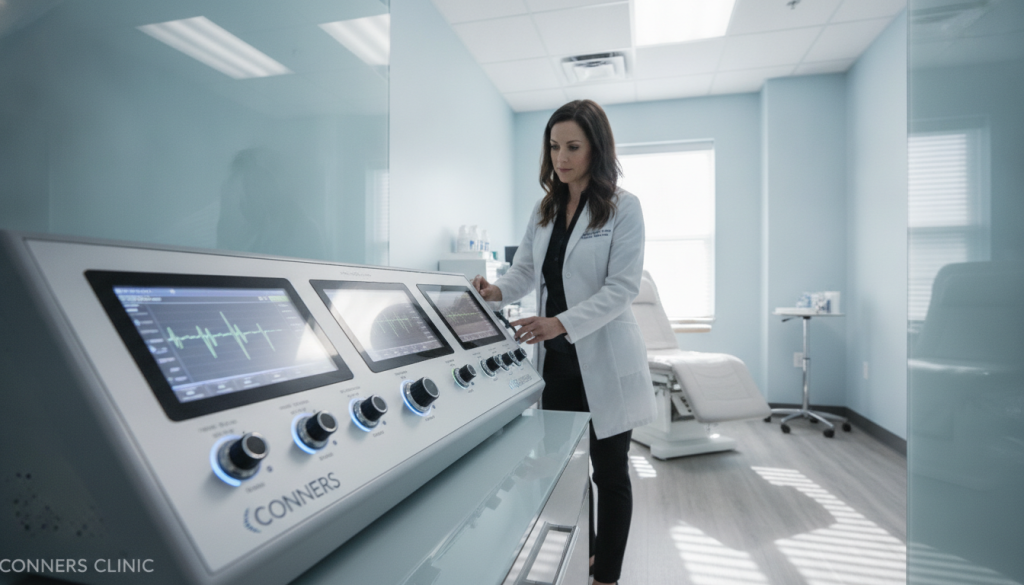
The device typically functions by delivering low energy electrical impulses through pads placed on the hands or feet for a short time each day. While proponents assert that this method is safe, there have been reports of adverse effects, including electrical shocks and skin rashes during use.
It’s important to note that while some studies investigate pulsed electromagnetic frequency therapy, these devices differ significantly from the commercial Rife machines available online today. I advise caution, as the lack of standardized safety measures means users may be exposed to unpredictable electrical energy.
- The device operates by delivering low energy electrical impulses.
- Reported side effects include electrical shocks and skin rashes.
- Electromagnetic fields are tuned to specific frequencies to influence cells.
- Many studies explore electromagnetic frequency therapy, but devices vary.
- Caution is advised due to unpredictable safety measures.
For further insights into the implications of these devices, you can read more about it here.
royal rife machine alternative treatment: Benefits, Claims, and Critiques
The journey through a cancer diagnosis can lead individuals to consider multiple paths for healing. One such path involves the Rife machine, which is often touted for its purported benefits. However, it’s crucial to examine these claims critically.
The benefits of the Rife machine are primarily found in anecdotal testimonials rather than in the rigorous clinical research required for medical validation. Many websites promote these devices as a way to cure cancer, yet these claims are often dressed in pseudoscientific jargon to impress vulnerable patients.
When we subject these alternative therapies to scientific scrutiny, the reported benefits often disappear, suggesting that the placebo effect plays a significant role. It is heartbreaking to see patients spend their time and money on a device that has no proven ability to treat cancer or improve health outcomes.
I urge you to demand evidence before believing that any machine can alter the frequency of your body to eliminate disease.
Clinical Studies and Analysis of Treatment Effects
In the quest for healing, many individuals look into different therapeutic avenues when confronting a cancer diagnosis. Clinical studies play a vital role in understanding the effectiveness of various treatments, including those involving electromagnetic frequency.
While some laboratory studies suggest that electromagnetic fields can influence cancer cells, these findings have not been consistently replicated in human clinical trials. For instance:
- A study involving 1,162 patients with back pain found that sham acupuncture was as effective as real acupuncture, highlighting the significant role of the placebo effect.
- Despite some promising laboratory results, no published clinical trials support the efficacy of these devices for treating cancer.
- The rife machine is often promoted through testimonials, but these do not provide the high-quality evidence necessary to validate its effectiveness.
- It is crucial to differentiate between controlled laboratory environments and the complexities of treating real patients.
“Evidence-based medicine requires rigorous testing to ensure safety and efficacy.”
Comparative Overview: Conventional vs. Alternative Cancer Treatments
Confronting a cancer diagnosis can lead to a search for different healing avenues. Many patients find themselves weighing conventional treatments against alternative therapies. Understanding the differences between these options is crucial for informed decision-making.
Conventional cancer treatments are developed through rigorous phase I, II, and III clinical trials to ensure they are both safe and effective for patients. In contrast, many alternative devices are sold with claims of success that are not backed by any published research in respected medical journals.
Unfortunately, I have seen cases where patients were victims of fraud, having been sold expensive machines that were completely ineffective against their cancer. Established therapies focus on evidence-based medicine, while alternative practitioners often rely on the patient’s desire for a gentle, holistic approach to cancer care.
It is vital to understand that choosing an unproven device over standard cancer treatments can lead to tragic outcomes and the loss of precious time. Below is a comparison of the two approaches:
| Aspect | Conventional Treatments | Alternative Therapies |
|---|---|---|
| Research Support | Extensive clinical trials | Limited or no research |
| Safety Standards | Regulated by health authorities | Often unregulated |
| Effectiveness | Proven efficacy | Anecdotal evidence |
| Cost | Insurance coverage available | Often high out-of-pocket costs |
Where to Buy and Evaluate Rife Machines
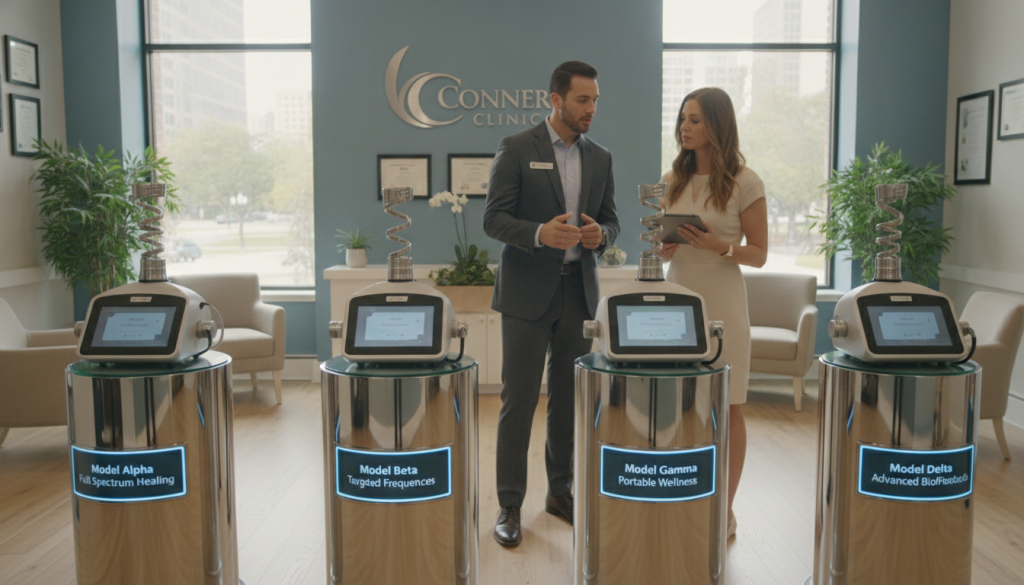
Individuals dealing with a serious illness often explore different options for recovery and support. If you are researching where to buy a Rife machine, you may encounter sites like the Conners Clinic, which offers the Atelier Robin F-122 generator.
However, before investing thousands of dollars in these machines, consider that there is no scientific evidence to support their use in treating cancer. Many sellers employ aggressive marketing tactics that prey on the desperation of patients seeking alternatives to conventional cancer therapies.
I strongly advise you to consult with your oncologist before purchasing any device. These machines are not a substitute for professional medical care. Be wary of any company that claims their machine can cure cancer, as such statements are often a hallmark of medical fraud.
- Rife machines can range from hundreds to thousands of pounds in cost.
- Treatment with these devices is not covered by insurance.
- Research thoroughly before making any purchase.
- Look for verified dealers to ensure you are not falling victim to scams.
- Consider the lack of scientific backing for these devices.
Empowering Your Health Journey and Informed Decisions
Receiving a cancer diagnosis can spark a quest for diverse healing modalities and supportive therapies. Empowering your health journey means making decisions based on verified evidence rather than the promises of unproven therapies.
Royal Raymond Rife and his followers have long promoted the idea that frequency can cure cancer, but modern science has not validated these claims. I encourage you to focus on proven cancer treatments and supportive care, such as yoga or mindfulness, which can help manage side effects.
Always ensure your medical team is aware of any devices you are considering, as they can help you understand the potential risks. True empowerment comes from asking for the evidence and choosing a path that is supported by rigorous clinical trials and professional medical expertise.
FAQ
What is the Rife machine and how does it work?
The Rife machine is a device that claims to use electromagnetic frequencies to target and destroy cancer cells. It operates by emitting specific energy waves that proponents believe can disrupt the cellular structure of harmful cells.
Are there any scientific studies supporting the effectiveness of this therapy?
While some studies have explored the use of electromagnetic frequency therapy, the scientific community remains divided. Many claims lack rigorous clinical trials, and more research is needed to validate the effectiveness of these devices.
What are the potential benefits of using this type of therapy?
Advocates suggest that using electromagnetic frequency therapy may help reduce tumor size, alleviate pain, and improve overall well-being. However, these benefits are often based on anecdotal evidence rather than conclusive scientific proof.
Are there any side effects associated with this treatment?
Generally, users report minimal side effects, but there is a lack of comprehensive research on long-term effects. It is crucial to consult with a healthcare professional before starting any new therapy.
How does this therapy compare to conventional cancer treatments?
Conventional cancer treatments, such as chemotherapy and radiation, are backed by extensive research and clinical trials. In contrast, electromagnetic frequency therapy is still considered experimental and should not replace standard treatments.
Where can I find reputable sources to purchase these devices?
It is essential to research and buy from verified dealers or trusted sources. Look for customer reviews and check for certifications to ensure you are purchasing a legitimate product.
Can this therapy be used alongside traditional cancer treatments?
Some patients choose to use this therapy as a complementary approach. However, it is vital to discuss any alternative therapies with your healthcare provider to ensure they do not interfere with conventional treatments.