
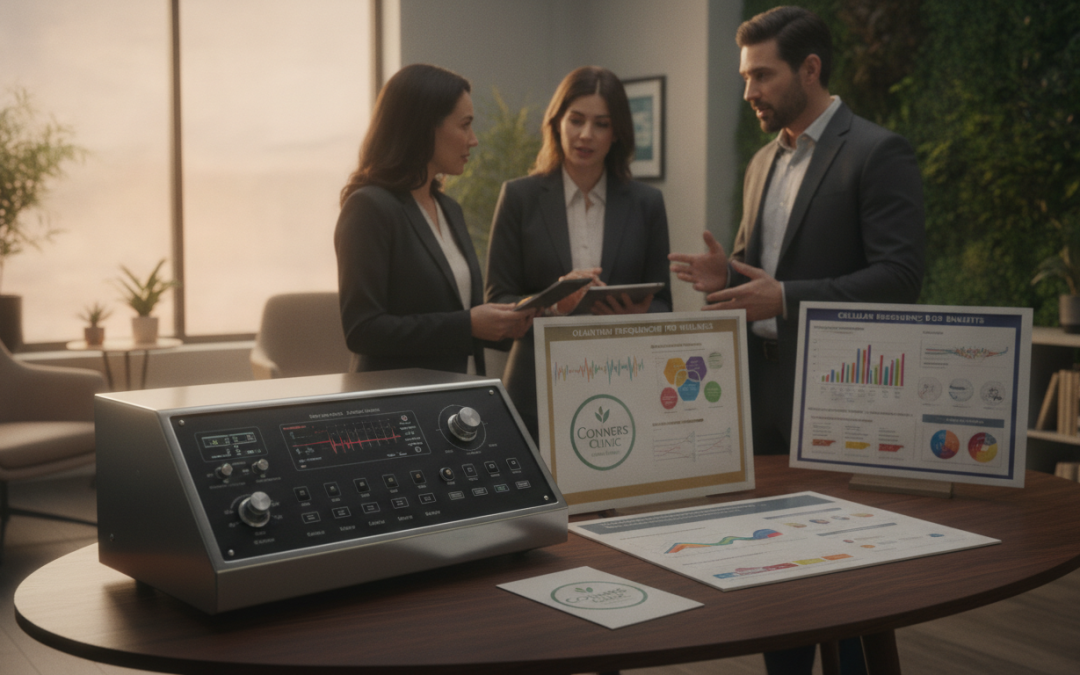
In a world where health choices can feel overwhelming, I invite you to explore the intricate landscape of the rife machine and its potential benefits. This journey is not just about technology; it’s about hope, healing, and the pursuit of wellness. Many individuals turn to this device in their quest for better health, driven by stories of success and personal testimonials.
However, it’s essential to tread carefully. The scientific community remains skeptical, with organizations like the American Cancer Society publishing studies that question the efficacy of these devices in treating serious conditions like cancer. As we delve into this topic, my goal is to provide a balanced perspective, examining both the history of the rife machine and the ongoing debate surrounding its use.
Understanding the difference between anecdotal evidence and rigorous clinical trials is crucial for anyone considering this path. Let’s navigate this complex world together, blending personal stories with scientific inquiry to empower your health journey.
Key Takeaways
- Exploring the rife machine involves understanding both hope and scientific evidence.
- No reputable organization endorses its use for cancer treatment.
- Personal stories can be compelling but should be balanced with scientific scrutiny.
- The history of the device reveals much about its controversial status.
- Clinical trials are essential for evaluating treatment efficacy.
Understanding the “royal rife machine alternative medicine” Concept
As people explore their health options, some turn to therapies that claim to provide natural healing solutions. This concept is often marketed to those who feel that conventional cancer treatments are too impersonal or aggressive. Practitioners of these therapies often assert that they can restore health through natural methods, despite a lack of verifiable explanations.
Many individuals find themselves drawn to these treatments when they believe that standard medical care has not met their needs. It’s essential to consider the following points:
- Proponents often make bold claims that the machine can target specific pathogens.
- These assertions frequently lack the consistent bodies of high-quality evidence required by science.
- While marketed as gentle healing methods, these machines often lack the rigorous testing found in standard treatments.
- Understanding these claims helps us grasp why individuals may choose alternative options, even in the absence of scientific support.
Historical Background and Origins
The journey into the history of health technologies reveals fascinating stories, particularly that of the inventor behind the Rife device. Royal Raymond Rife was an American scientist who made significant contributions in the 1920s. He developed his namesake technology to identify pathogens through electromagnetic frequencies.
Rife’s innovative ideas were heavily influenced by Albert Abrams, who proposed that diseases emitted specific electromagnetic frequencies. Rife believed he could not only see but also eliminate diseased cells by tuning into their electrical impulses. This perspective was revolutionary at the time.
Despite the potential he saw, the American Medical Association condemned Rife’s experiments. However, the concept persisted and evolved, leading to a resurgence in interest during the 1990s. Marketers often relied on Rife’s legacy to support their claims, even as scientific scrutiny continued.
| Year | Event | Significance |
|---|---|---|
| 1920s | Development of Rife technology | Introduced the concept of using frequencies to target pathogens |
| 1930s | Influence of Albert Abrams | Set the foundation for Rife’s electromagnetic theories |
| 1990s | Modern marketing of Rife devices | Revived interest in Rife’s work despite lack of scientific backing |

How the Rife Machine Works and Its Proposed Mechanism
Understanding how certain devices claim to influence our health can be enlightening. The proposed mechanism of the Rife device revolves around the use of electromagnetic frequencies that are said to match those of specific cancer cells. This matching frequency is believed to disable or destroy these harmful cells.
These devices generate low energy waves, which are distinct from the high-energy methods used in traditional treatments like radiotherapy. Patients typically engage with the device by attaching electrical pads to their hands or feet, delivering electrical impulses for several minutes each day.
While some studies have explored pulsed electromagnetic frequencies in laboratory settings, the parameters often differ from those of a standard Rife device. It’s important to note that, although charged molecules in cells may respond to external fields, there is currently no conclusive evidence that these specific frequencies can effectively destroy cancer cells.
For more insights on the effectiveness of these devices, you can refer to this resource.
Examining Claims: Cancer Treatments and Clinical Evidence
The quest for effective cancer treatments often leads individuals to explore unconventional therapies. Many websites assert that these machines can cure cancer, but these claims are often based on personal testimonials rather than rigorous clinical trials.
In a notable study involving 1162 patients, researchers discovered that the placebo effect frequently mimics the perceived benefits of unproven therapies. This highlights the importance of skepticism when evaluating such claims.
The American Cancer Society has explicitly debunked the notion that these machines can cure cancer, stating that the energy levels produced are insufficient for any biological impact. While some laboratory studies on cancer cells suggest potential for low energy waves, these results have not been replicated in human clinical trials.
We must demand that any treatment intended to cure cancer undergo the same level of scrutiny as conventional medicine to ensure patient safety. As we navigate this complex landscape, it’s essential to base our decisions on solid evidence rather than hopeful assertions.

Safety, Side Effects, and Regulatory Concerns
When considering any health device, understanding safety is crucial. Many people have questions about the potential side effects of using these devices. Reports indicate that while some claim no adverse effects, others have experienced issues like electrical shocks and skin rashes. This highlights the need for caution.
The FDA has not approved these devices for any medical use, stating that opting for them instead of conventional cancer treatments can be dangerous. It’s essential to weigh the risks against any potential benefits.
Furthermore, a 2005 review by the Australian National Medical and Health Research Council found no high-quality evidence supporting the effectiveness of similar radio waves in treating cancer. This lack of evidence raises significant concerns.
Sadly, I have encountered cases where individuals fell victim to fraud, losing substantial amounts of money on unproven devices while their cancer symptoms worsened without proper care.
Professor Edzard Ernst has pointed out that many of these devices are part of a broader spectrum of pseudoscience, which can lead to severe health outcomes.
| Concern | Description | Evidence |
|---|---|---|
| FDA Approval | Not approved for any medical use | FDA statements |
| Side Effects | Reported shocks and skin rashes | Patient testimonials |
| Fraud Cases | Patients losing money on unproven devices | Personal accounts |
| Research Review | No high-quality evidence for effectiveness | 2005 Australian review |
Where to Buy and Integrate the Rife Machine into Health Practices
Finding trustworthy sources for health devices is crucial for those exploring their treatment options. If you are interested in exploring this technology, you can buy the Rife machine here: https://shop.connersclinic.com/products/programmed-rife-machine-atelier-robin-f-122-generator-crystal-hammer-bulb-copy.
Before purchasing, keep in mind that these machines can be quite expensive, often costing thousands of dollars. Unfortunately, they are not covered by standard health insurance plans.
I strongly advise that you maintain open communication with your primary oncologist regarding any complementary therapy you choose to integrate into your care. Prioritizing proven treatments for cancer is essential, as relying solely on unproven machines can delay life-saving medical interventions.
Always conduct your own research and look for evidence-based benefits rather than relying on the marketing claims of vendors selling these devices.
Final Thoughts on the Benefits and Controversies of Alternative Medicine
When it comes to health, the choices we make can significantly impact our well-being, especially during challenging times like facing cancer. Navigating the world of alternative therapies requires a commitment to truth and evidence. While the desire to explore additional benefits through devices is understandable, it is vital to prioritize treatments supported by rigorous scientific research.
I encourage you to seek out proven therapy options, such as yoga or mindfulness, to help manage your symptoms. True empowerment comes from being informed and asking practitioners for evidence that their methods work for cancer patients. Ultimately, your health is your most valuable asset, and it should be protected by relying on the best available medical care.
FAQ
What is the concept behind the Rife machine technology?
The technology claims to use specific electromagnetic frequencies to target and eliminate cancer cells, promoting healing and wellness.
Are there any scientific studies supporting the use of this device for cancer treatment?
While some anecdotal evidence exists, rigorous clinical trials are lacking, making it essential to approach such claims with caution.
What are the potential side effects of using this technology?
Reported side effects can vary, with some users experiencing discomfort or other symptoms. It’s crucial to consult with a healthcare professional before use.
How does the FDA view the use of this device in cancer care?
The FDA has not approved this technology for cancer treatment, and it is classified as an unregulated device, which raises safety concerns.
Where can I find reputable vendors to purchase this device?
It’s important to research and find trusted vendors, ensuring they provide transparent information about the device and its intended use.
Can this technology be integrated with conventional cancer treatments?
Integrating this device with conventional treatments should be done under the guidance of a healthcare provider to ensure safety and effectiveness.
What should I consider before trying this alternative treatment?
Consider consulting with medical professionals, reviewing scientific evidence, and understanding the potential risks and benefits associated with the device.