
Living with a chronic condition can feel like an endless battle. Many patients find themselves searching for solutions that offer hope and relief. When you’re faced with persistent symptoms, it’s natural to explore every avenue available. The quest for healing often leads individuals to alternative therapies, including the use of specific devices that claim to alleviate discomfort.
In this guide, I aim to provide a balanced overview of these options. We will delve into the history of the technology and its current scientific standing. Understanding the potential benefits and limitations is crucial for making informed decisions about your health.
As someone who has worked closely with patients seeking alternatives to standard medical care, I know how important it is to approach your healing journey with both hope and a clear understanding of what is realistic. My goal is to help you navigate this complex landscape and find the path that is right for you.
Key Takeaways
- Many patients seek alternative solutions to manage chronic symptoms.
- Exploring various therapies can provide a sense of control over health.
- Understanding the history and claims of these devices is essential.
- Hope and realistic expectations are vital in the healing process.
- This guide aims to clarify the complexities of alternative treatments.
Understanding Frequency Therapy and Rife Machines
Navigating the complexities of chronic health issues can often feel overwhelming. Many patients are turning to alternative therapies to find relief. One such option is frequency therapy, which utilizes specific machines to address various health concerns.
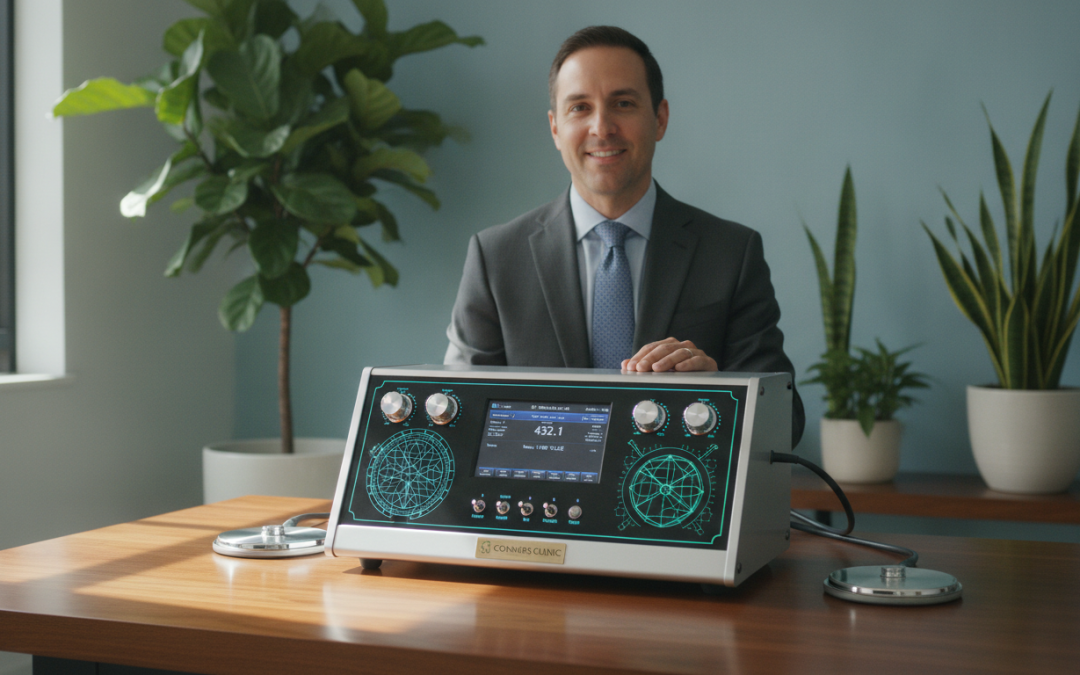
A rife machine operates by producing low energy radio frequency electromagnetic fields. These fields are distinct from high-energy treatments like x-rays or radiotherapy. The core concept involves delivering specific electrical impulses through hand-held plasma tubes or electrical pads.
Unlike conventional treatments that rely on pharmaceuticals, these therapies focus on the theoretical resonance of cells and microorganisms. This approach allows many patients to integrate the use of a rife machine into their daily wellness routines easily.
It is crucial to distinguish between these experimental frequency tools and standard medical treatments prescribed by healthcare professionals. Understanding this difference can help patients make informed decisions about their health.
| Feature | Rife Machines | Conventional Treatments |
|---|---|---|
| Energy Level | Low energy radio frequencies | High energy (e.g., x-rays) |
| Application Method | Hand-held plasma tubes or pads | Pills or injections |
| Focus | Cell resonance | Biological pathways |
| Invasiveness | Non-invasive | Varies (can be invasive) |
A Brief History and Evolution of the Rife Machine
The journey through chronic health challenges can often feel like a daunting path. Understanding the origins of the rife machine provides valuable context for its use today. Developed in the 1920s by an American scientist, this device aimed to target specific microorganisms effectively.
Royal Raymond Rife’s early innovations sparked significant interest in how frequency could interact with diseased cells. This interest continues to resonate with many patients seeking alternative therapies. The original device was groundbreaking, but modern iterations have evolved into advanced tools used in integrative wellness practices.
Recognizing the historical significance of this machine helps us appreciate why so many individuals remain curious about its potential application in managing chronic conditions. As we explore this journey, it’s essential to balance hope with realistic expectations.
royal rife machine for lyme disease: Mechanism and Scientific Insights
Dealing with persistent health issues may create a sense of confusion. Understanding how a rife machine operates can shed light on its potential role in symptom management. The theoretical basis suggests that specific frequencies might disrupt diseased cells.
In laboratory studies, researchers observed that low frequency waves could affect cancer cells, as seen in hepatocellular carcinoma. Notably, these waves did not damage normal cells, indicating a targeted approach.
However, despite this preliminary evidence, large-scale research confirming the effectiveness of these frequencies in eradicating Lyme disease remains absent. The concept often revolves around finding a pathogen’s resonant frequency to disable it, yet this remains unproven for Lyme disease.
As we explore these insights, it’s essential to critically evaluate the available evidence. This ensures we maintain realistic expectations about the capabilities of this experimental machine. For more detailed information, visit this link.
Current Research and Evidence on Rife Machine Applications
Managing chronic health issues can be a perplexing experience. The conversation surrounding the machine’s applications often centers on anecdotal reports rather than robust clinical research. Many patients share positive stories, yet these personal accounts do not provide the scientific evidence necessary to validate treatment claims.
It is crucial to differentiate between individual experiences and the data obtained from controlled studies conducted by medical institutions. Without large-scale human trials, we cannot definitively conclude that this machine offers a cure for the complex symptoms associated with Lyme disease.
As a practitioner, my role is to help you interpret this research. Prioritizing your health and safety is paramount, and understanding the difference between anecdotal evidence and scientific findings is essential for making informed decisions.
| Aspect | Anecdotal Reports | Clinical Research |
|---|---|---|
| Evidence Type | Personal experiences | Controlled studies |
| Validation | Not scientifically validated | Peer-reviewed |
| Patient Stories | Varied outcomes | Standardized results |
| Reliability | Subjective | Objective |
Safety Considerations and Potential Risks for Lyme Patients
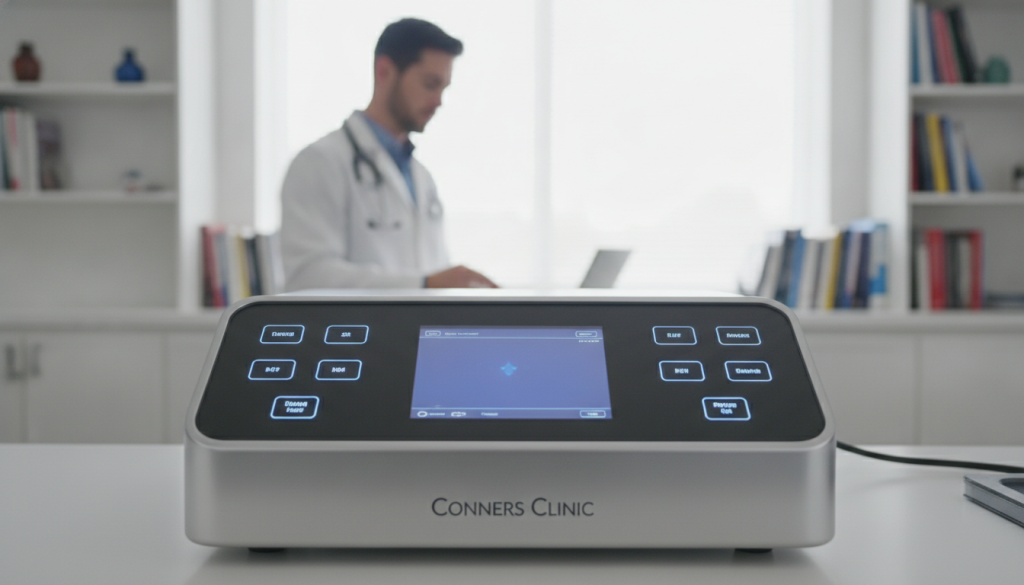
Navigating health challenges can often leave patients feeling uncertain. It’s important to understand the potential risks associated with using frequency devices. While some individuals may find relief, others report adverse effects.
Here are some common experiences:
- Some patients report side effects such as electrical shocks, rashes, or increased fatigue after using a rife machine.
- Individuals with electromagnetic sensitivity may find that the machine exacerbates their symptoms, leading to headaches or a feeling of being wired.
- It is critical for patients with pacemakers or those who are pregnant to avoid these devices due to potential interference with health.
- If you experience a worsening of your symptoms, it is a clear sign that you should stop the therapy immediately.
- Always prioritize your long-term health by consulting with a professional before introducing new electrical devices into your recovery protocol.
Understanding these safety considerations is vital. Remember, each patient’s experience is unique, and what works for one may not work for another.
Integrating Rife Machine Therapy with Comprehensive Lyme Care
Finding effective solutions for chronic conditions can be a complex journey. Integrating various therapies is essential for managing symptoms effectively. At my clinic, My Lyme Doc in Centennial, Colorado, we emphasize that a rife machine should only be an adjunct to comprehensive care.
Effective treatment requires a holistic approach that addresses co-infections, immune system dysregulation, and gut health alongside any chosen therapy. This ensures a well-rounded strategy that supports overall well-being.
Lyme-literate practitioners play a crucial role in this process. They can help you determine if this therapy fits into your broader plan without compromising your primary medical treatments. Many patients find that integrating this machine with other modalities, such as nutrition and nervous system support, yields better results for their health.
Working with qualified practitioners ensures that your journey through chronic health challenges is supported by evidence-based strategies rather than just experimental tools.
| Aspect | Rife Machine Therapy | Comprehensive Care |
|---|---|---|
| Purpose | Adjunct therapy | Holistic treatment |
| Focus | Specific symptom relief | Overall health |
| Practitioner Role | Supportive | Guiding treatment |
| Integration | Complementary | Coordinated |
Patient Experiences and Reported Benefits
Patients dealing with long-term health issues frequently look for effective solutions to ease their symptoms. Many individuals have shared their experiences with a specific device known as a rife machine. They often report short-term benefits, such as temporary relief from symptoms associated with Lyme disease.
However, it’s important to note that these benefits may not last. Symptoms can return once therapy stops, indicating that the machine may offer modulation rather than a permanent cure. Maintaining realistic expectations is vital. The relief some patients feel could be linked to nervous system calming or even the placebo effect.
I encourage you to track your symptoms over time. This practice will help you determine if the machine is genuinely providing a benefit for your Lyme disease. Do not let the promise of quick benefits distract you from the necessary, long-term work required to manage a complex disease.
Navigating the Debate: Facts, Risks, and Scientific Scrutiny
The search for clarity in health can often lead to confusion. The debate surrounding the rife machine often involves bold claims that lack support from reputable scientific organizations. It’s crucial to scrutinize the marketing language used by manufacturers to ensure that patients are not misled by promises of a cure.
Scientific scrutiny reveals that while some individuals may feel better, there is no solid evidence that this device can eradicate Lyme disease. It is my responsibility to provide you with the facts so you can avoid spending thousands on devices that do not deliver.
Always prioritize evidence-based research when making decisions about your treatment. This approach is essential to protect both your financial and physical health.
- Many claims about the rife machine lack scientific backing.
- Patients should be cautious of marketing tactics that promise quick fixes.
- While some report feeling better, the evidence does not support a definitive cure.
- Understanding the facts helps in making informed decisions about treatment.
Practical Tips for Incorporating Frequency Therapy into Your Wellness Routine
The quest for effective health solutions often presents numerous challenges. If you are considering integrating frequency therapy into your routine, it’s essential to approach it safely and thoughtfully.
Start by experimenting with low settings on the device. This allows you to gauge how your body responds to the therapy.
How to Start a Frequency-Based Approach Safely
- Begin with the lowest settings to see how your body reacts.
- At centers like Calm Spirit, you can add frequency therapy to other treatments for just $10.
- Keep a journal to track your symptoms and determine if the therapy is beneficial.
Tracking Your Symptoms and Adjustments
- Change only one variable at a time in your wellness routine to assess the impact accurately.
- If you notice a worsening of your symptoms, stop using the device immediately and consult your healthcare provider.
By following these tips, you can make informed decisions about using frequency therapy in your journey towards better health. For additional insights, consider exploring holistic healing approaches.
Where to Buy a Rife Machine and Additional Resources
Finding the right resources and tools can be overwhelming for those seeking relief. If you are considering a specific device, it’s essential to know where to find reliable options.
You can find purchase information for a programmed rife machine at the Conners Clinic Shop: Conners Clinic Shop.
My Lyme Doc has helped thousands of patients in states like Colorado, Texas, Wisconsin, New Jersey, Pennsylvania, and Wyoming restore their health. Here are some key points to consider:
- Ensure you are buying from a reputable source that provides clear information about the device’s capabilities.
- There are thousands of resources available for managing chronic conditions, but always verify the credibility of the organization providing support.
- Thousands of people have navigated this path before you, and finding the right support is key to effectively managing your health.
Your Journey to Symptom Relief and Ongoing Healing
Embarking on a healing journey can often feel like navigating a winding road. Your path to recovery from chronic conditions involves more than just one device or therapy. While alternative therapies can be beneficial, they should complement comprehensive treatments essential for your immune system.
I have witnessed many patients enhance their overall function by addressing chronic fatigue and immune health through a multi-faceted, evidence-based approach. Regularly reviewing your progress is crucial. Collaborate closely with your practitioners to ensure your treatments are effective.
Remember, your health is a long-term project. The way you manage your conditions today will shape your future results. By focusing on your immune system and overall function, you can find a sustainable path that supports your body’s natural healing.
FAQ
What is frequency therapy?
Frequency therapy involves using specific electromagnetic frequencies to target and support the body’s healing processes. It aims to promote wellness by addressing various health conditions through vibrational energy.
How does frequency therapy work?
This therapy works by delivering precise frequencies to the body, which may help to restore cellular function and improve overall health. It is believed that these frequencies can influence cellular behavior and enhance the immune response.
Is frequency therapy safe for everyone?
While many patients report positive experiences, it is essential to consult with a healthcare professional before starting any new treatment. Some individuals may experience electromagnetic sensitivity or adverse reactions.
Can frequency therapy replace conventional treatments?
Frequency therapy should not be seen as a replacement for conventional treatments. Instead, it can be integrated into a comprehensive care plan alongside traditional medical approaches for better results.
What should I expect during a frequency therapy session?
During a session, you may feel a gentle sensation as the frequencies are applied. Many patients report relaxation and a sense of well-being, while others may experience temporary changes in symptoms.
How do I choose a practitioner for frequency therapy?
Look for practitioners who are experienced in integrative health approaches and have a solid understanding of frequency therapy. Checking credentials and reading patient reviews can also help in making an informed choice.
Are there any clinical studies supporting frequency therapy?
While there are anecdotal reports of success, more rigorous clinical studies are needed to establish the efficacy of frequency therapy. Research is ongoing to better understand its potential benefits and applications.
How can I track my progress with frequency therapy?
Keeping a journal of your symptoms, treatment sessions, and any changes in your health can help you and your practitioner assess the effectiveness of the therapy and make necessary adjustments.