
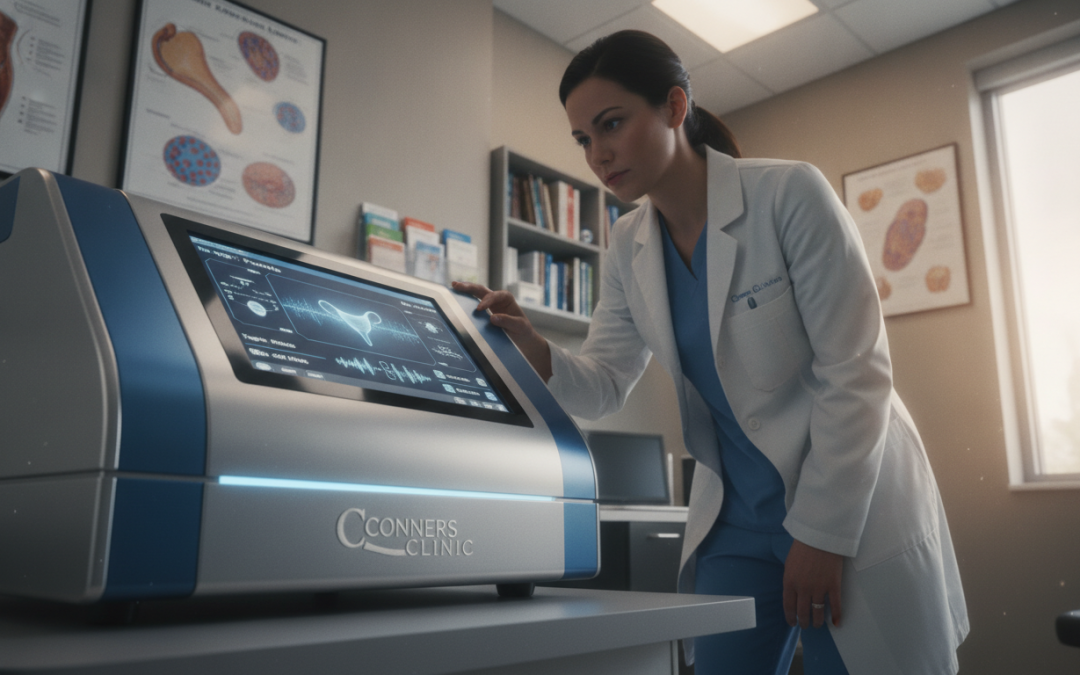
Every journey through health challenges is unique. When faced with a diagnosis, it’s natural to seek answers and hope. I understand the weight of these moments, and it’s essential to explore all avenues that might support your well-being. This is why I’m here to discuss the potential role of the royal rife machine in your health journey.
While many people are drawn to alternative therapies, it’s crucial to approach them with care. This machine, developed by Royal Raymond Rife in the 1920s, has sparked interest for decades. I aim to shed light on how this technology interacts with the body and its possible influence on your overall health.
As we navigate this topic together, I will provide insights into the balance between traditional medical treatments and innovative approaches. Understanding the difference between unproven methods and established care is vital, especially when dealing with a diagnosis.
Key Takeaways
- Exploring alternative therapies can be a part of your health journey.
- Approach all treatment options with caution and informed decision-making.
- The history of the rife machine offers insights into its potential benefits.
- Understanding your treatment options is crucial for informed health choices.
- Balancing traditional and alternative therapies may enhance overall well-being.
Overview of Rife Machines and Their Development
Facing health obstacles can feel overwhelming, but knowledge is empowering. Understanding the historical context of Rife machines provides valuable insights into their development and use. The pioneering work of Royal Raymond Rife in the 1920s set the stage for these innovative devices.
Rife aimed to create machines that targeted specific electrical impulses in diseased tissue. His approach was influenced by earlier inventors:
- Albert Abrams – Developed machines based on the theory that diseases emit unique electromagnetic frequencies.
- Georges Lakhovsky – Created the Radio-Cellulo-Oscillator, designed to enhance cell oscillations at approximately 150 MHz.
These early machines operated on the belief that correcting the body’s internal energy fields could help address various diseases. Today, the legacy of Royal Raymond continues to inspire research into how electromagnetic frequencies interact with the human body.
Despite the American Medical Association’s condemnation of Rife’s experiments, interest in these devices persists among alternative medicine enthusiasts.
Exploring the Royal Rife Machine for Prostate Cancer
Understanding your health options is crucial when facing difficult diagnoses. The proposed mechanism of action for this device centers on the idea that specific frequencies can disrupt disease processes. This concept is rooted in the belief that each condition has a unique electromagnetic signature.
Here are some key points regarding how this therapy is theorized to work:
- The device aims to identify the specific frequency of a disease and transmit an impulse to disable affected cells.
- Proponents believe that by matching the frequency of cancer cells, the device can neutralize them without harming healthy tissue.
- Users often hope that a few minutes of daily use can disrupt disease growth at a fundamental level.
- It’s important to recognize that this mechanism remains theoretical and lacks validation from mainstream scientific research or clinical trials.
Understanding how this therapy is intended to work is the first step in evaluating whether it aligns with your personal approach to healing. For further insights, you can explore this research article.
| Aspect | Description | Current Status |
|---|---|---|
| Frequency Identification | Targeting specific frequencies of diseases | Theoretical |
| Cell Neutralization | Neutralizing cancer cells without harming healthy cells | Unproven |
| Daily Usage | Using the device for a few minutes each day | Recommended by proponents |
https://www.youtube.com/watch?v=6xAhr1rzrr8
Electromagnetic Frequency Therapy in Cancer Treatment
Uncovering the science behind cancer therapies can provide hope and clarity. Recent studies delve into how low-energy electromagnetic waves might impact cancer cells. This research is quite distinct from traditional methods, yet it opens new avenues for understanding treatment options.
In a significant study by Barbault et al., researchers identified specific frequencies that appear to modulate the growth of cancer cells in laboratory settings. Notably, these frequencies include:
- 1,873.477 Hz
- 2,221.323 Hz
- 6,350.333 Hz
- 10,456.383 Hz
Additionally, the TheraBionic device utilizes a 27.12 MHz carrier frequency, modulated at these tumor-specific frequencies. This innovative approach has shown promising results in clinical trials, particularly for patients with advanced hepatocellular carcinoma.
It is essential for people to differentiate between these controlled scientific studies and the unproven claims often circulating online. While the energy levels used in these studies are low, they are precisely calibrated to target the disease effectively without harming the body.
Advantages and Limitations of Alternative Cancer Therapies
Navigating the landscape of cancer treatment options can be challenging. Many patients explore alternative therapies, seeking hope and better outcomes. While these therapies may offer unique benefits, they also come with limitations.
One of the primary advantages is that some patients report positive experiences with these therapies. For instance, in a feasibility study by Barbault et al., 28 patients with advanced cancer showed some stable disease for over 34 months. Similarly, Costa et al. documented an antitumor effect in 48.8% of 41 patients with advanced hepatocellular carcinoma.
However, it’s crucial to understand that anecdotal success stories do not replace rigorous scientific evidence. Many people turn to these therapies when conventional treatments offer limited options, hoping for improved quality of life over time.
While some studies report positive effects, the lack of large-scale, randomized studies remains a significant limitation. These results are often specific to the devices used in clinical trials, and the evidence may not apply broadly to all patients.
| Study | Patient Group | Outcome |
|---|---|---|
| Barbault et al. (2009) | Stage IV breast cancer | Complete response lasting 11 months |
| Costa et al. (2011) | Advanced hepatocellular carcinoma | Antitumor effect in 48.8% of patients |
| Feasibility Study | 28 patients with advanced cancer | Stable disease for over 34 months |
For more insights on the intersection of alternative therapies and cancer treatment, you can visit this resource.

Evaluating the Safety and Side Effects of Rife Machines
Understanding the safety of any treatment is a fundamental step in your health journey. While exploring alternative therapies, it’s vital to consider potential risks. The American Cancer Society classifies these devices as unproven, warning that relying on them may increase the risk of cancer progression.
Quality and regulation of these devices can vary significantly. I often advise patients that the construction and safety standards for these machines are not consistent. Some users have reported experiencing electrical shocks or skin irritation, particularly when using adhesive pads to deliver frequencies.
While proponents may claim these devices can cure cancer, there is no scientific evidence to support such assertions. It’s essential to recognize that low-quality machines may not be electrically safe, potentially causing burns or other adverse effects on the skin.
Before you decide to use these machines, please consider that delaying standard medical care for your condition can significantly impact your long-term health outcomes.
The Role of Complementary Approaches in Cancer Care
The journey through cancer care is often filled with complex choices. Many patients seek to explore various options that can complement their standard treatments. Integrating electromagnetic therapy with conventional cancer treatment is a topic of ongoing interest for those looking for a comprehensive approach.
Some studies suggest that combining specific energy therapies with chemotherapy may not increase adverse effects and could potentially offer synergistic benefits for patients. Here are a few key points to consider:
- Discuss any complementary therapies with your oncology team to ensure safety and effectiveness.
- Monitor your response over time to ensure that additional therapies do not interfere with primary treatments.
- While some people find comfort in these approaches, they should always supplement proven medical care.
My mission is to help you bridge the gap between traditional and alternative approaches, focusing on evidence-based care that supports your body’s healing. For more insights into alternative therapies, visit this resource.

Where to Buy a Rife Machine
When considering new health technologies, it’s essential to know where to find reliable options. Rife machines can vary significantly in price, ranging from hundreds to thousands of dollars. This cost can be a considerable investment, so thorough research is necessary.
If you are looking to purchase a device, you can find a programmed rife machine at the Conners Clinic shop.
Here are some important points to consider before making a purchase:
- Exercise extreme caution when buying these machines; many online claims about their ability to cure cancer are misleading.
- Verify the source and ensure the device meets basic safety standards for home use.
- Many people are drawn to these devices due to potential benefits, but remember that no reputable organization supports their use.
- Research thoroughly before making a purchase, as costs can be significant.
- Always remember that a rife machine is not a substitute for professional medical advice or standard treatment for serious health conditions.
| Aspect | Description | Considerations |
|---|---|---|
| Price Range | Hundreds to thousands of dollars | Research thoroughly before buying |
| Source Verification | Check the reliability of the seller | Ensure safety standards are met |
| Claims | Beware of misleading claims | Seek evidence-based information |
Future Opportunities in EMF-Powered Cancer Treatments
The future of cancer treatment is bright, filled with innovative possibilities. Ongoing research is crucial in understanding how specific electromagnetic frequencies can effectively target cancer cells without harming healthy tissue.
Clinical trials, such as NCT01686412, are vital for gathering the evidence needed to validate these innovative cancer treatments. These studies focus on biofeedback responses in patients with various conditions, including hepatitis B and breast cancer.
I am optimistic that as we learn more about frequency generator technology, we will uncover how to harness these waves for better health outcomes. While the rife machine remains a controversial device, the broader field of electromagnetic therapy is evolving with more rigorous scientific studies.
It is an exciting time for cancer research, as scientists explore how these therapies might one day offer new benefits for various disease conditions. By supporting high-quality clinical trials, we can move toward a future where electromagnetic treatments are safe, regulated, and effective for all people.
Final Reflections on Rife Machine Therapy for a Better Tomorrow
The path to health is often paved with questions and choices. I hope this overview has provided you with a clearer understanding of the rife machine and its place in the world of cancer care. Always prioritize evidence-based treatments and consult with your medical team before integrating any new therapy into your personal health journey.
While the history of this technology is fascinating, it is the future of rigorous scientific research that will truly define the next generation of cancer treatments. I encourage you to remain informed, skeptical of unproven claims, and proactive in seeking the best possible care for your body and your future.
Thank you for allowing me to share this knowledge with you as we continue to explore the intersection of technology and healing for all patients.
FAQ
What is a Rife machine?
A Rife machine is a device that uses electromagnetic frequencies to target and potentially disrupt harmful cells in the body. It is based on the theories of Royal Raymond Rife, who believed that specific frequencies could heal various ailments.
How does electromagnetic frequency therapy work?
This therapy works by emitting specific frequencies that resonate with certain types of cells. The idea is that these frequencies can help restore balance and promote healing within the body, particularly in conditions like cancer.
Are there any scientific studies supporting the use of Rife machines?
While some preliminary studies and anecdotal evidence suggest potential benefits, comprehensive clinical trials are still needed to validate the effectiveness of these devices in treating cancer and other serious conditions.
What are the potential side effects of using a Rife machine?
Some users may experience mild side effects such as skin irritation or discomfort. It is essential to consult with a healthcare professional before starting any new therapy to understand the risks involved.
Can Rife machines be used alongside conventional cancer treatments?
Many patients explore the use of Rife machines as a complementary therapy alongside conventional treatments. However, it is crucial to discuss this with a healthcare provider to ensure a safe and coordinated approach.
Where can I purchase a Rife machine?
Rife machines can be purchased from various online retailers and specialized health stores. It is important to research and choose reputable sources to ensure quality and safety.
What should I consider before using a Rife machine?
Before using a Rife machine, consider consulting with a healthcare professional, understanding the device’s capabilities, and reviewing any available research on its effectiveness for your specific health condition.
What is the future of electromagnetic frequency therapy in cancer treatment?
The future of this therapy may involve ongoing research and clinical trials aimed at better understanding its potential applications and effectiveness in cancer treatment, as well as its integration with conventional therapies.