
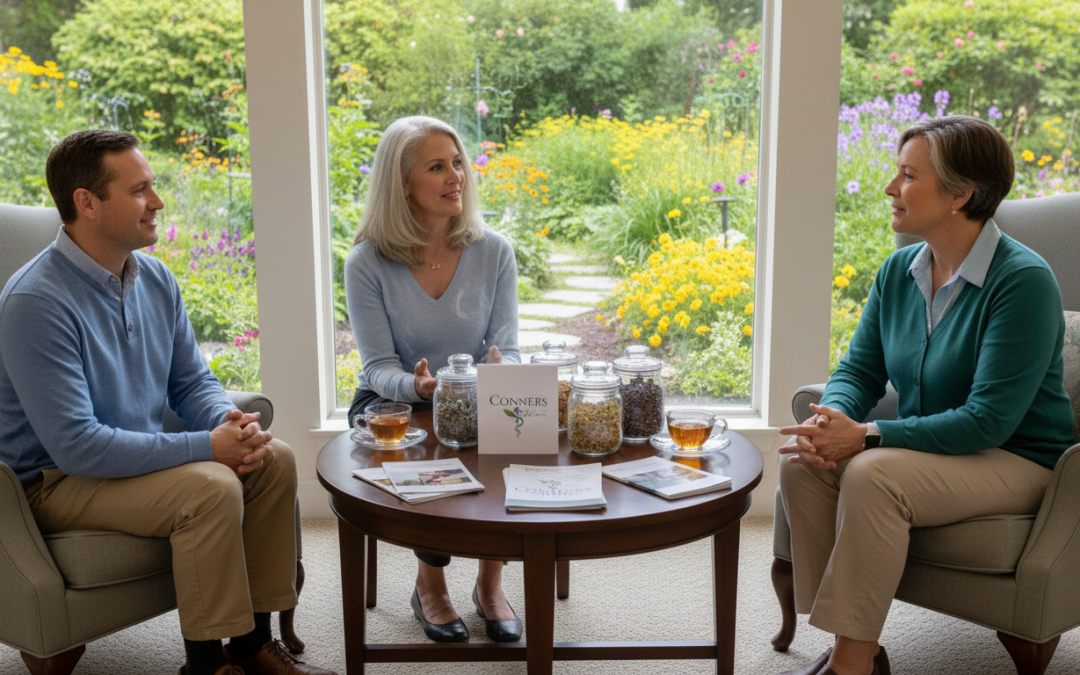
I remember a patient, let’s call her Sarah, sitting in my office last year. She had just received a difficult diagnosis. Her first question wasn’t about chemotherapy drugs. It was, “How do I stay strong in my body and spirit through all of this?” Her question revealed a deep truth. Navigating this path requires more than a single solution.
At my practice, I focus on a comprehensive strategy. It blends modern medical science with holistic wellness practices. This approach aims to improve a person’s overall health outcomes during their journey. My goal is to address the unique needs of every individual who walks through our doors.
Many people seek safe ways to add complementary modalities to their existing plans. They want to enhance their daily quality of life. I guide them in integrating these options with their standard oncology regimen.
I empower people by sharing evidence-based insights. These insights bridge the gap between conventional medicine and natural, supportive strategies. Understanding this complex situation requires a dedicated method.
This method must prioritize physical, emotional, and spiritual well-being. It supports the whole person throughout the entire healing process. For more on our specialized approach, visit Conners Clinic.
Key Takeaways
- A comprehensive healing strategy combines advanced medical treatments with holistic wellness practices.
- Personalized plans are essential to address the unique needs of each individual facing a diagnosis.
- Integrating complementary modalities can safely enhance daily quality of life and overall well-being.
- Evidence-based guidance helps bridge conventional medical approaches with natural support strategies.
- True healing involves caring for the physical, emotional, and spiritual aspects of a person.
- Empowering patients with knowledge and options is a cornerstone of effective, compassionate care.
- A dedicated expert can help navigate the complexities of a treatment journey for better health outcomes.
Understanding Supportive Integrative Cancer Therapies
The National Cancer Institute provides a clear definition. It states that integrative medicine includes any medical practice or product outside the realm of standard care.
I believe people deserve to understand how these options work alongside conventional treatment. This knowledge helps support the body during a difficult health journey.
Exploring these practices offers additional ways to manage well-being. It is particularly helpful while undergoing rigorous medical protocols.
It is essential to recognize their role. These strategies are meant to complement, not replace, the standard care from your primary oncology team.
| Standard Care | Integrative Practices | Primary Goal |
|---|---|---|
| Chemotherapy, Radiation, Surgery | Nutrition, Mindfulness, Acupuncture | Target the Disease Directly |
| Prescribed by Oncologists | Guided by Various Wellness Practitioners | Manage Symptoms & Side Effects |
| Evidence-Based Clinical Protocols | Often Focus on Whole-Person Wellness | Enhance Quality of Life |
My professional view is that integrating diverse modalities creates a more holistic experience. For a deeper look, the American Cancer Society offers an authoritative resource on integrative medicine.
The Role of Integrative Oncology in Modern Cancer Care
The landscape of cancer management now includes a vital partnership between different healing disciplines. Leading centers, like the Cleveland Clinic Cancer Institute, have established dedicated programs. These programs focus on the whole person to promote optimal outcomes.
Mind-Body Practices and Lifestyle Modifications
When a diagnosis becomes a long-term health journey, managing daily well-being is crucial. I see mind-body practices as essential tools. They help individuals cope with the rigors of ongoing medical protocols.
These modalities aim to reduce the burden of intense treatments. They improve quality of life by addressing common symptoms like stress and fatigue. This holistic focus is a core part of modern supportive care.
Bridging Conventional and Complementary Treatments
My role often involves serving as an extension of a person’s primary care team. I help navigate complex questions about health and side effects. The goal is to create a cohesive plan that addresses both physical and emotional needs.
It is vital to ensure any added strategy does not interfere with primary treatment. This collaborative approach is key. For a deeper perspective on navigating complex health decisions, explore our resource between a rock and a hard.
Insights from Conners Clinic: Expert Perspectives
Collaboration across disciplines forms the bedrock of effective modern oncology. At Conners Clinic, I provide expert perspectives on how integrative oncology can be tailored to meet the specific goals of individual patients.
This philosophy is echoed by leading specialists. Dr. Naoki Umeda of the Center for Integrative Medicine highlights that focusing on the whole person is essential for achieving the best outcomes. His work underscores a fundamental truth in managing a cancer journey.
Similarly, Dr. Patrick Richard at the RMCC Boulder Clinic advocates for a whole-body approach. He emphasizes considering the long-term implications for patients. This forward-thinking view is crucial for sustainable well-being.
My professional experience confirms that a multidisciplinary method is necessary. It addresses the complex needs arising from a difficult diagnosis and its standard treatment. This comprehensive approach is not an extra layer. It is a core part of thoughtful care.
I encourage anyone on this path to seek providers who collaborate. A team-oriented plan ensures safety and efficacy. For a deeper look at our expert-led programs, visit Conners Clinic.
Key Components of Comprehensive Cancer Treatment
A truly effective plan for managing a serious illness combines several essential pillars of modern medicine. The foundation is built on standard interventions like surgery, chemotherapy, radiation, and biological therapy. These powerful tools are designed to target the disease directly.
I advocate for a broader strategy. This approach incorporates supportive therapies to help the body recover and maintain strength. Many patients find combining these standard treatments with other modalities provides a more balanced path.
It is crucial to understand the distinction. Standard medical care targets the illness. Added strategies focus on a person’s overall quality of life and resilience. My experience shows a well-rounded plan must address the physical, mental, and emotional aspects of the whole body.
Nutritional Guidance and Culinary Medicine in Cancer Care
What we eat directly fuels our body’s ability to heal and withstand demanding medical protocols. I view food as a foundational form of support during this time.
Targeted dietary strategies help maintain strength and improve tolerance for intensive interventions. My guidance focuses on practical meal planning to reduce daily stress.
Interactive Culinary Medicine Classes
The Taussig Cancer Institute runs a standout program. Chefs from the Center for Integrative and Lifestyle Medicine collaborate with their nutritionists.
These hands-on classes teach people how to prepare healthy, appealing meals. A key focus is managing taste changes that often accompany treatment.
One-on-One Dietician Consultations
I always recommend personalized sessions with a licensed dietician. Every person’s needs are unique, especially regarding nutrient intake.
A tailored plan ensures the ideal nutritional support for your specific journey. This addresses individual symptoms and promotes overall resilience.
| Program Feature | Culinary Medicine Classes | Dietician Consultations |
|---|---|---|
| Primary Focus | Hands-on cooking skills & recipe adaptation | Personalized nutrient analysis & meal planning |
| Key Benefit | Manages treatment-related taste changes practically | Ensures ideal dietary intake for individual patients |
| Expert Guidance | Chefs and institutional nutritionists | Licensed, clinical dieticians |
Proper nutrition is a cornerstone of effective care. For comprehensive program details, contact the Taussig Cancer Building at 216-445-2273.
Acupuncture, Massage, and Complementary Therapies
The Cleveland Clinic’s innovative pilot program demonstrates how complementary modalities can be integrated directly into standard care settings. This initiative introduces individuals to acupuncture during their infusion sessions. It helps them become comfortable with this practice for managing cancer treatment-related symptoms.
Benefits of Acupuncture in Symptom Relief
I often recommend acupuncture to help manage specific challenges like nausea, vomiting, and discomfort. Research indicates it may also alleviate hot flashes.
It is crucial that practitioners use sterile, single-use needles to minimize any infection risk.
Massage Therapy for Pain and Stress Reduction
Massage is another effective tool for reducing stress and physical tension. It offers a way to find comfort during a cancer treatment journey.
Many people report improved well-being and reduced pain after sessions.
These approaches are designed to work alongside standard medical plans. They aim to improve the overall experience for patients undergoing rigorous protocols.
My professional advice is to always discuss these options with your primary oncology team. This ensures they are appropriate for your specific situation.
Mindfulness and Yoga for Stress, Anxiety, and Sleep Improvement
Managing the psychological impact of a serious diagnosis is as crucial as addressing physical symptoms. I often guide individuals toward mind-body practices that build resilience. These techniques can significantly improve daily well-being during a challenging health journey.
Scientific research supports the value of these approaches. Studies show meditation can ease anxiety, fatigue, and sleep problems for people with a cancer diagnosis. It offers a way to find mental calm amidst uncertainty.
Meditation and Mindfulness Techniques
Mindfulness involves paying attention to the present moment without judgment. Simple practices include focused breathing or guided imagery. Even a few minutes daily can help reduce stress and improve sleep quality.
I encourage patients to explore these methods. They help manage the emotional burden of their journey. As one mindfulness teacher noted, “Cultivating inner awareness allows us to respond to difficulty with greater clarity and less reactivity.”
Yoga is an ancient practice combining physical postures with breath control. It can help relieve anxiety and depression. Gentle forms are often suitable during treatment.
Always check with your provider before starting a new yoga class. Some poses may need adaptation for your safety. My goal is to help people integrate these calming routines for lasting peace.
| Practice | Primary Technique | Key Benefit for Patients |
|---|---|---|
| Meditation | Focused attention, breath awareness | Reduces anxiety, improves sleep onset |
| Mindful Movement | Gentle stretching with breath sync | Lowers stress, enhances body awareness |
| Restorative Yoga | Supported poses using props | Promotes deep relaxation, eases tension |
Integrating these practices fosters mental clarity. It supports overall care by addressing the mind-body connection. Many find it empowers them through their cancer experience.
Integrative Approaches: Merging Standard Care with Alternative Therapies
At the heart of modern medicine lies a powerful concept: shared decision-making between provider and patient. I believe this partnership is essential when merging standard cancer treatment with complementary therapies.
Open communication ensures all strategies are safe and beneficial. Patients become active partners in their health journey.
Together, we create effective, personalized plans for managing a cancer diagnosis. These methods address needs from multiple perspectives.
Integrative approaches are not meant to replace standard care. They enhance it by supporting the whole person.
My role is to help individuals navigate these options. This builds confidence in decisions regarding recovery.

A collaborative approach transforms the healing process. Consider the differences in decision-making models:
| Aspect | Traditional Model | Integrative Model |
|---|---|---|
| Decision Authority | Primarily provider-led | Shared between provider and patient |
| Communication Style | One-way, directive | Two-way, open dialogue |
| Primary Focus | Disease-targeting intervention | Whole-person wellness enhancement |
| Plan Scope | Standard protocol adherence | Personalized combination of modalities |
This model fosters a stronger healing alliance and better health outcomes.
Evidence and Studies Supporting Integrative Therapies
When I advise individuals, I ground my suggestions in published medical literature and observed outcomes. This evidence-based approach ensures recommendations are both safe and effective.
Multiple studies demonstrate that specific modalities can alleviate common challenges. For example, tailored nutrition advice and gentle exercise have been shown to reduce chemotherapy-induced nausea and fatigue.
Acupuncture is another area with strong clinical support. Research indicates it may help manage vomiting and improve overall well-being for people with a cancer diagnosis.
The body of evidence supporting these strategies continues to grow. This provides patients with more options to manage symptoms during their treatment journey.
I rely on this research to guide my professional recommendations. It is crucial that any added therapies are backed by credible science and clinical observation.
I always encourage patients to review available data with their primary care team. Understanding how a specific modality might benefit your unique situation is key.
My commitment is to provide information rooted in the latest studies. This empowers people to make informed, confident choices about their health path.
Addressing Chemotherapy Side Effects with Integrative Strategies
Effective management of chemotherapy side effects is a cornerstone of maintaining quality of life during a health journey. My approach focuses on providing a range of options to help patients manage difficult symptoms that often accompany this treatment.
It is vital to address these issues proactively. This allows people to maintain their strength and continue their necessary medical care.
Managing Nausea and Fatigue
I often suggest using ginger alongside standard anti-nausea medicines. This can help patients better tolerate the physical challenges of their chemotherapy.
Ginger may help ease nausea when used with standard anti-nausea drugs. Managing side effects like nausea and fatigue is a primary goal of these strategies.
Reducing Anxiety and Pain
Acupuncture and massage therapy are effective tools for reducing anxiety and pain. They help individuals feel more comfortable during their recovery process.
Research shows these modalities can relieve anxiety, nausea, pain, and depression associated with cancer treatment.
| Symptom Group | Primary Strategy | Key Benefit |
|---|---|---|
| Nausea & Fatigue | Ginger supplementation | Enhances tolerance of treatment |
| Anxiety & Pain | Acupuncture sessions | Promotes relaxation and comfort |
| General Discomfort | Therapeutic massage | Reduces physical tension and stress |
Patient Empowerment Through Collaborative Cancer Care
Dr. Patrick Richard’s perspective highlights a critical shift in modern oncology: placing the patient at the center of decision-making. I believe this collaborative model fundamentally transforms the healing journey. It moves individuals from a passive role to an active partnership in their own health.
Shared Decision Making in Treatment
Shared decision-making allows people to take control of their health. They become informed partners rather than passive recipients of care. This process involves open dialogue about all available options.
Together, we weigh the benefits and risks of each strategy. This collaborative approach leads to more confident choices and better health outcomes. It ensures the plan aligns with a person’s values and lifestyle.
Personalized Care Approaches
Every individual’s journey with a diagnosis is unique. A tailored strategy is therefore essential for effective management. I focus on understanding each person’s specific needs and goals.
Personalized plans consider physical, emotional, and practical factors. This method fosters a supportive environment where people feel heard and empowered. My goal is to provide the tools and knowledge for confidence throughout the entire experience.
This shift towards collaboration is best understood by comparing care models:
| Aspect | Traditional Care Model | Collaborative Care Model |
|---|---|---|
| Patient Role | Passive recipient of instructions | Active partner in decision-making |
| Communication Flow | One-way, from provider to patient | Two-way, open and ongoing dialogue |
| Plan Focus | Standardized protocol application | Individualized strategy tailored to the person |
| Primary Outcome | Disease-focused intervention success | Enhanced patient well-being and satisfaction |
By fostering this environment, we help individuals make the best decisions for their long-term health. Empowerment through collaboration is the cornerstone of modern, compassionate care.
Navigating Integrative Medicine: Provider Tips and Safety Guidelines
Navigating the world of complementary medicine requires careful guidance and clear communication. My first priority is always your safety when considering new approaches.
Open dialogue with your providers forms the foundation of effective, personalized care.
Checking Practitioner Credentials
I advise people to always verify the licenses of any practitioner they consider. Checking credentials ensures you receive professional guidance.
Look for proper training and relevant experience in their field. This step minimizes potential risk and builds trust in your care team.
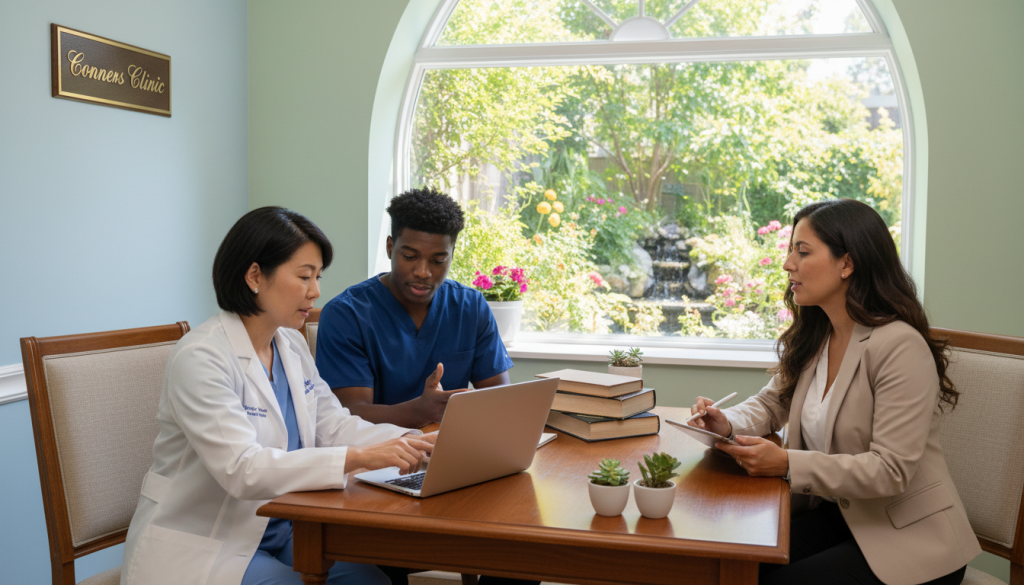
Discussing Complementary Treatments with Your Doctor
You must talk to your health care provider before using any integrative medicine. This includes all vitamins and supplements.
Some substances can interfere with standard treatment. For example, St. John’s wort can affect cancer drugs.
High doses of vitamin C may impact how well radiation and chemotherapy work. Full transparency prevents negative interactions.
My guidance is to share every therapy you are using with your entire medical team. This collaborative approach prioritizes your well-being throughout the journey.
Enhancing Quality of Life Throughout the Cancer Journey
A primary aim in modern oncology is to help individuals live well during their health journey. I focus on improving daily well-being as a core part of any plan. This holistic view looks beyond physical symptoms to support the whole person.
My professional mission is to ensure people do not just survive their diagnosis. They should maintain a high quality of life throughout their treatment. Every aspect of care is designed to boost this overall sense of wellness.
We identify specific needs for each person. This provides care that truly enhances their daily experience. Strategies range from nutrition to mindfulness practices.
Enhancing the quality of life for patients is central. It helps them better navigate the challenges they face. Consider the different dimensions we address:
| Dimension of Life | Common Challenge | Supportive Strategy |
|---|---|---|
| Physical | Fatigue, pain | Gentle exercise, acupuncture |
| Emotional | Stress, anxiety | Mindfulness, counseling |
| Social | Isolation | Support groups, family inclusion |
| Functional | Daily task difficulty | Occupational therapy, ergonomic aids |
By improving quality of life, we foster resilience. This integrative approach promotes optimal outcomes. It empowers individuals to live fully, even during difficult times.
The Future of Integrative Oncology in the United States
The trajectory of cancer care in America is increasingly embracing a more holistic model. I see this shift as a fundamental evolution in how we support individuals facing a diagnosis.
My optimism is rooted in tangible advancements and growing institutional support. The field is moving toward a unified approach that values the whole person.
Innovative Research and Clinical Studies
Rigorous scientific inquiry is driving this progress forward. The National Cancer Institute plays a pivotal role by funding critical programs.
For instance, Dr. Patrick Richard completed the Integrative Oncology Scholars Program at the University of Michigan. This initiative is funded directly by the National Cancer Institute.
Such programs fuel the evidence base needed for modern care. Ongoing studies explore how complementary strategies improve outcomes for patients.
Growing Acceptance in Conventional Care
More medical providers now recognize the value of a combined approach. This acceptance is integrating these strategies into standard treatment protocols.
Future developments will provide even more evidence to guide clinical practice. My work is dedicated to staying at the forefront of these advancements.
I ensure that patients receive the most current and effective support available. The goal is a seamless blend of science and compassionate healing.
Implementing a Whole-Body Approach to Patient Care
Adopting a whole-body philosophy begins with recognizing that daily habits profoundly influence health outcomes. I focus on building a foundation where lifestyle becomes a central part of the healing journey.
Lifestyle Adjustments and Nutritional Support
I work closely with patients to identify the most impactful changes they can make. This often starts with nutrition and physical activity. These elements provide the fuel and strength needed during and after treatment.
Nutritional support is a key component of this approach. It helps the body recover and maintain resilience. Simple dietary changes can make a significant difference in how a person feels.
Regular exercise, tailored to individual ability, is equally important. Gentle movement supports overall care by improving energy and mood. My goal is to help people integrate these healthy habits sustainably.
By focusing on these foundational elements, we create a more resilient individual. This whole-body approach equips patients to better handle the rigors of their cancer journey. It empowers them to take an active role in their long-term health.
Reflections on a Holistic Journey to Enhanced Cancer Care
The evolution of care I’ve witnessed centers on a fundamental shift—from treating a disease to supporting a human life.
This journey reaffirms that combining the best of modern medicine with compassionate therapies is essential. It transforms the treatment experience for patients, providing tangible hope.
My commitment is to guide individuals with confidence and dignity. I encourage you to seek knowledge and advocate for a model that prioritizes both survival and a meaningful quality of life.
The future lies in comprehensive, multidisciplinary strategies that honor the whole person. This is the heart of modern oncology.
FAQ
What exactly is integrative oncology?
Integrative oncology is a patient-centered model of care. It thoughtfully combines conventional medical treatments, like chemotherapy, with evidence-informed complementary practices. The goal is to manage side effects, reduce stress, and improve a person’s overall quality of life throughout their journey.
How can acupuncture help someone undergoing conventional treatment?
I often recommend acupuncture as a powerful tool for symptom relief. Research and clinical practice show it can be very effective in managing nausea, reducing pain, and alleviating fatigue. It works by helping to restore the body’s natural balance, offering a drug-free option for comfort.
Is it safe to use dietary supplements during therapy?
This is a critical question I discuss with every patient. While some supplements may be beneficial, others can interfere with your primary treatment’s effectiveness or safety. You must always review all vitamins and herbs with your oncology team and a knowledgeable practitioner, like those at Conners Clinic, to ensure a coordinated and safe approach.
What role does nutrition play in a holistic care plan?
Nutrition is a cornerstone of supporting the body during this time. Personalized dietary strategies can help maintain strength, support immune function, and better manage treatment-related side effects. We focus on whole-food, anti-inflammatory eating patterns through one-on-one consultations and culinary medicine classes to empower patients.
How do mind-body practices like yoga and meditation help?
These practices are vital for addressing the emotional and physical toll of illness. Meditation and mindfulness techniques directly reduce anxiety and improve sleep quality. Gentle yoga can help lessen fatigue, ease pain, and restore a sense of control and calm, which is essential for healing.
Should I tell my oncologist about the complementary therapies I’m using?
Absolutely. Open communication with your entire care team is non-negotiable for safe, integrated care. I advise my patients to provide a complete list of all therapies, including massage, supplements, or mind-body work. This allows your doctors to provide the best, most coordinated care possible and avoid any potential interactions.
How does this approach empower a patient?
This model shifts the dynamic from passive recipient to active participant. Through shared decision-making and personalized care plans, patients gain tools and knowledge to influence their well-being. Managing stress, nutrition, and symptoms proactively significantly enhances one’s sense of agency and quality of life during and after treatment.