

My life changed at 41 with a stage I breast cancer diagnosis. The medical road ahead seemed daunting. I soon realized that standard procedures were only part of the answer.
Managing this experience demanded more than doctor appointments. I sought a community of people who shared my journey. Reliable information became my tool for better health.
Groups like Breastcancer.org offered essential resources and advocacy. Their support gave me inspiration during low moments. This access positively impacted my daily life.
I embraced an integrated approach to my recovery. It combined different treatments for my body and mind. This method was vital for me as a mother moving forward.
Everyone on this path deserves a complete care plan. Such a plan merges clinical skill with kind guidance. It builds a stronger foundation for long-term wellness.
Key Takeaways
- A cancer diagnosis involves more than just medical appointments.
- Finding a supportive community is crucial for emotional well-being.
- Trusted resources, like Breastcancer.org, provide key information and advocacy.
- An integrated recovery plan addresses both physical and emotional needs.
- A comprehensive care strategy should blend clinical expertise with compassionate support.
- Advocating for your own health is a powerful step in the journey.
- Sharing personal stories can help others access strength and resources.
Alternative and Integrative Cancer Treatment Options
Exploring treatment options became a pivotal part of my journey. I learned the crucial distinction between alternative and integrative medicine. This understanding shaped my entire approach to care.
My own diagnosis showed me that managing appointments and chemotherapy required a solid plan. I needed more than just standard procedures to feel whole.
Insights from Conners Clinic and Alternative Cancer Treatments
Facilities like Conners Clinic offer specialized alternative cancer treatment programs. It’s vital to know the difference between these and integrative therapies.
Research is clear. Using unproven methods instead of standard treatment for curable cancers raises the risk of dying. The American Cancer Society states integrative medicine is used alongside surgery and chemotherapy.
Evidence-Based Research and Personal Journeys
Reviewing the latest studies helps you make informed choices. You can decide which integrative therapies fit your specific needs and quality of life goals.
In my experience, adding practices like massage and acupuncture helped manage tough symptoms. Seeking a second opinion also boosted my confidence in the chosen path.
Practical steps matter. Check your insurance for coverage of a range of practices, like yoga. Connecting with a survivor community provides immense emotional support. For reliable information, I often refer to the NCI’s resource on complementary and alternative.
Understanding Holistic Healing for Cancer Survivors
The concept of whole-person care transformed my perspective on getting well. It moves beyond targeting illness alone.
This philosophy considers your entire being. It weaves together physical, emotional, and mental strands of health.
Defining the Core Concepts of Holistic Healing
Major medical groups call this integrative or functional medicine. The American Cancer Society defines it as methods used with standard treatment to relieve symptoms.
Its goal is whole body health care. Every aspect of your well-being gets attention during your journey.

For many people, this includes gentle practices like massage. These therapies support the body as it recovers from stress.
Balancing Conventional Medicine with Complementary Therapies
Safety is paramount. A thoughtful approach prioritizes evidence-based practices alongside primary care.
Always gather accurate information. Verify which integrative approaches are safe with your oncologist.
You should also check your insurance coverage. Some plans include provisions for these supportive services.
Programs like alternative cancer memberships can provide structured guidance. They help blend different modalities effectively.
| Aspect of Care | Conventional Medicine Role | Complementary Therapy Role |
|---|---|---|
| Symptom Management | Uses pharmaceuticals and surgery | Employs acupuncture or massage for relief |
| Emotional Well-being | May refer to counseling | Incorporates mindfulness and support groups |
| Physical Recovery | Focuses on clinical rehabilitation | Uses nutritional therapy and gentle yoga |
| Long-term Wellness | Provides monitoring and scans | Promotes lifestyle changes and stress reduction |
Exploring Integrative Therapies and Complementary Practices
Managing the physical and emotional toll required more than just medication. It demanded a toolkit of integrative therapies. These practices work alongside standard medical care to improve your daily comfort.
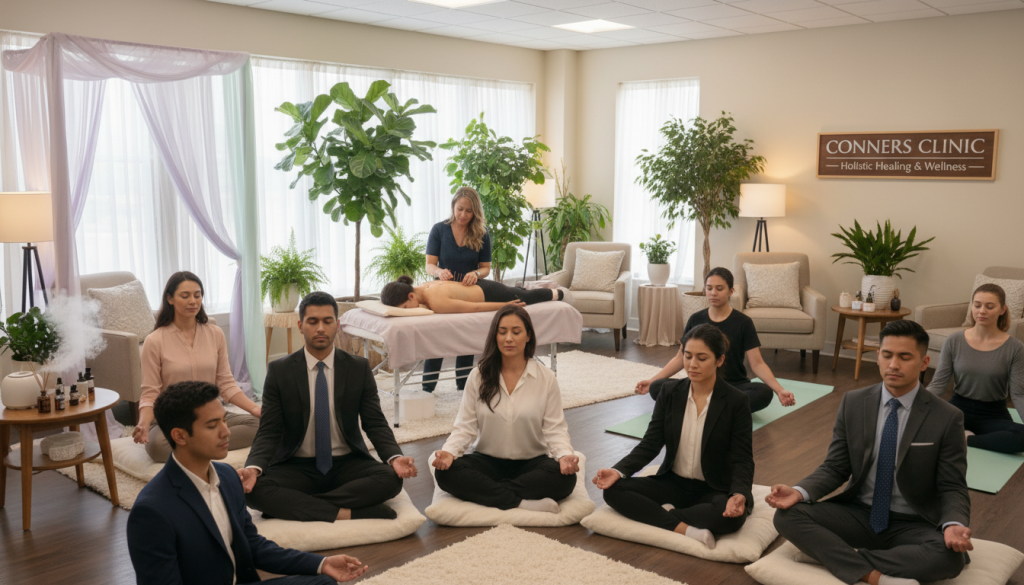
Services like MSK Integrative Medicine recommend specific approaches. They highlight the value of mind-body techniques for reducing stress.
Mind-Body Techniques: Meditation, Yoga, and Mindfulness
Meditation and mindfulness are powerful for calming the body and mind. They help manage the anxiety that often accompanies a serious diagnosis.
Regular yoga practice builds strength and enhances quality of life. Many people find it supportive during intensive medical treatments.
Acupuncture, Massage, and Music Therapy for Symptom Relief
Acupuncture and massage are highly effective for tough symptoms. Research shows they relieve pain, nausea, and sleep issues.
I found music therapy uniquely grounding. It improved my brain health and emotional resiliency without any musical skill.
Managing Side Effects and Enhancing Quality of Life
Controlling side effects is a critical part of your care plan. Discuss these therapies with your doctor to address your specific needs.
Always check your insurance policy. Many companies cover acupuncture or massage if deemed medically necessary.
This range of options empowers you to enhance your daily experience. You can better manage stress and improve your overall well-being.
Looking Ahead: Empowering Your Continued Journey
Your path forward is built on the knowledge and strength you’ve gained. I encourage you to see yourself as the leader of your own wellness plan.
Advocating for personalized care is a powerful step. It ensures your body and mind receive the support they need.
Seek reliable information and resources continually. This habit helps you thrive long after initial treatment ends.
Connecting with a community provides ongoing encouragement. Shared experiences foster resilience and hope.
Integrating various therapies into your life reflects your commitment to living well. Remember, you are more than any diagnosis.
For ongoing education, consider the Conquering Cancer Summit. It shares evidence-based approaches from top medical minds.
FAQ
What are the most common side effects after treatment, and how can integrative approaches help manage them?
Many people experience fatigue, neuropathy, pain, and anxiety after conventional treatments like chemotherapy. I recommend a personalized plan that may include acupuncture for nerve pain and nausea, mindfulness meditation for stress, and therapeutic massage to ease muscle tension. These complementary practices work with your body to improve daily function and overall well-being.
How do I find a qualified practitioner for therapies like acupuncture or therapeutic massage?
Start by asking your oncology team for referrals, as many major centers now have integrative medicine departments. Look for licensed professionals with experience in oncology care—for instance, a board-certified acupuncturist (Dipl. Ac.) or a massage therapist certified in oncology massage. Always verify their credentials and discuss your full medical history during your first appointment.
Will my health insurance cover any complementary therapies?
Coverage varies greatly by plan. Some insurers may cover acupuncture for certain conditions, like chronic pain, if prescribed by your doctor. It’s crucial to call your insurance provider directly, ask specific questions about codes for each therapy, and get pre-authorization in writing. Many clinics, including Conners Clinic, can provide the necessary documentation to support your claim.
Can mind-body practices like yoga or meditation really impact my physical health?
Absolutely. Research shows these practices are powerful tools. Meditation can lower cortisol levels, reducing systemic inflammation. Gentle yoga can improve flexibility, reduce pain, and enhance lymphatic flow. By calming the nervous system, these techniques help your body’s natural resilience, supporting recovery and improving your quality of life.
Is it safe to combine these therapies with my ongoing conventional treatments or medications?
Safety is the top priority. You must create an integrated care plan in partnership with your primary oncologist or doctor. Share all the complementary therapies you are considering. For example, some supplements can interact with medications. A coordinated approach ensures all aspects of your care work together safely to meet your unique needs.
Where can I find reliable information and support communities for this journey?
I advise starting with reputable organizations like the Society for Integrative Oncology or the National Cancer Institute. For community support, look for local or online groups specifically for survivors. These resources provide evidence-based information and a network of people who understand your experience, which is invaluable for emotional health.