
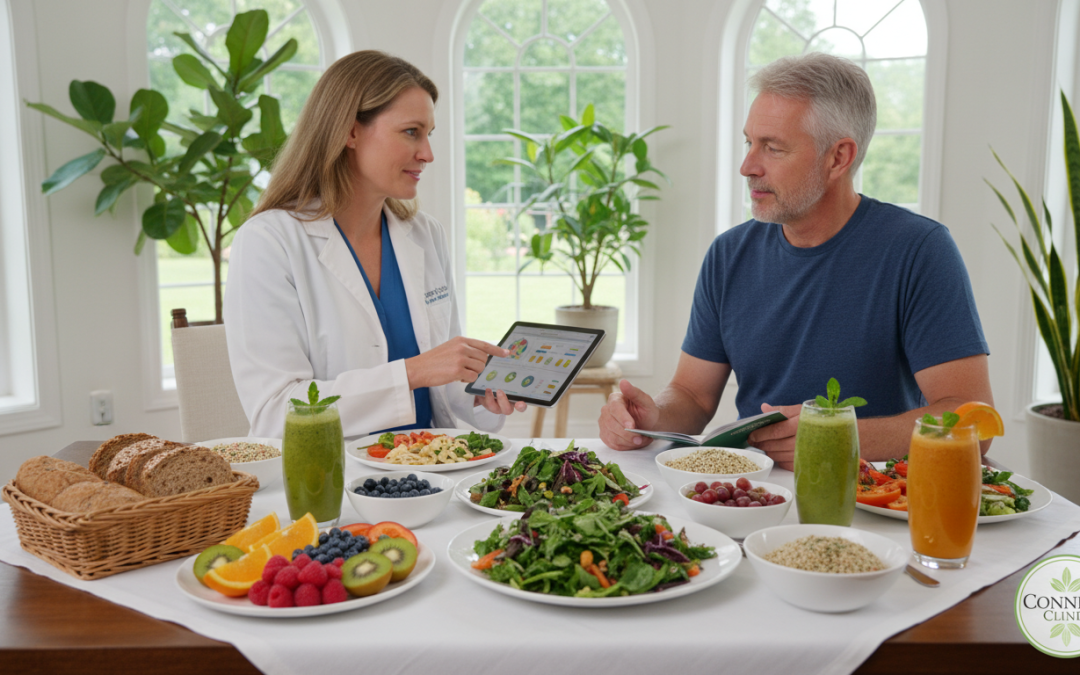
I remember a patient, Maria, sitting across from me shortly after her diagnosis. She felt overwhelmed by the medical jargon and the sheer physical toll of her new reality. Her biggest worry wasn’t just the therapy itself, but how she would find the strength to get through it. Food became a source of anxiety instead of comfort.
Like Maria, many individuals facing this journey find that standard medical advice doesn’t always address the day-to-day challenge of eating well. This is where a thoughtful approach to eating can make a profound difference. The right fuel helps your body withstand the rigors of therapy and maintain its vital functions.
Organizations like the American Cancer Society offer a crucial lifeline. Their 24/7 helpline (1-800-227-2345) is a testament to the need for compassionate guidance during this time. Good eating isn’t just about calories; it’s the intentional intake of proteins, carbohydrates, and other essential elements your system requires to function optimally.
My role is to bridge that gap. I provide evidence-based strategies that complement your medical plan. Together, we can focus on building resilience from the inside out, ensuring your body has the energy it needs for the fight ahead.
Key Takeaways
- A cancer diagnosis often brings confusion about diet, but proper eating is a powerful tool for maintaining strength.
- Resources like the American Cancer Society helpline (1-800-227-2345) provide essential support for both physical and emotional needs.
- Optimal body function during therapy requires specific nutrients, including proteins and carbohydrates.
- Personalized eating strategies can significantly improve quality of life by working alongside standard medical care.
- An evidence-based approach to food ensures the body has the necessary energy to manage treatment effects.
- Bridging Eastern and Western perspectives on wellness can offer a more holistic path to healing.
- Focusing on what you eat is a proactive step you can take to support your overall well-being.
Understanding Nutritional Needs during Cancer Treatment
When undergoing cancer therapy, your body’s demands for specific nutrients can shift dramatically. I see this as a fundamental change that requires a tailored approach to eating. The goal is to provide the right building blocks for strength and healing.
Role of Protein, Calories, and Essential Nutrients
During cancer treatment, your system often needs more protein and calories than usual. This helps prevent muscle loss and maintains energy levels. I always prioritize nutrient-dense foods to meet these increased demands.
Think of protein as the repair crew for your tissues. Calories fuel your daily activities and the healing process. Together, they form the core of effective nutrition during cancer.
Impact of Cancer Treatment on Appetite and Digestion
Chemotherapy targets fast-growing cells, which unfortunately includes those lining your digestive tract. This can lead to side effects like nausea and a reduced desire to eat.
Many cancer patients experience significant changes in how they digest food. Your ability to absorb key nutrients may be compromised. Adapting your diet is essential to work with these new realities.
Key Principles of a Healthy Diet for Cancer Recovery
Diversity in your meals is more than just visual appeal; it’s a strategic approach to nourishment. The core principles of a healthy diet for recovery focus on providing comprehensive fuel. This means including whole grains, fruits, and vegetables as foundational elements.
However, I often see that individuals need to adjust these general guidelines. Specific medical needs and treatment side effects must guide your personal plan.
Balanced Meals and the Importance of Variety
A wide variety of whole grains, fruits, and vegetables delivers essential vitamins. I recommend prioritizing nutrient-dense foods to secure a proper balance of minerals. This approach ensures you get the necessary nutrients even when eating smaller amounts.
Incorporating different colors and food groups can help stimulate your appetite. This is especially helpful on difficult days. Remember, a one-size-fits-all diet does not work during this time.
Your plan must be tailored to your unique symptoms and tolerance. By choosing diverse foods, you supply the building blocks for tissue repair. This is a key principle for cancer recovery that empowers you in your journey.
Effective nutritional support for cancer patients
One of the most critical challenges during therapy is maintaining body mass and strength. Without a strategic eating plan, malnutrition can set in. This may lead to a severe condition called cachexia.
Cachexia involves profound weakness and the loss of both fat and muscle. It’s more than just weight loss; it’s a metabolic crisis. Early and proactive dietary management is your best defense.
I coordinate closely with your medical care team to monitor your intake. This ensures your plan adapts as your needs change. Specialists who understand these metabolic demands are vital members of your care team.
Individuals who receive this focused attention often experience better outcomes. Their quality of life during recovery is notably higher. A proactive approach helps you avoid the complications tied to poor nourishment.
Integrating a tailored supplement strategy can be a key part of this process. It works alongside whole foods to meet elevated needs. This collaborative model is central to effective sustenance during treatment.
Alternative Cancer Treatment Insights at Conners Clinic
Many seeking a more comprehensive healing journey discover value in the alternative cancer treatment insights provided by Conners Clinic. I explore these integrative health strategies that work alongside conventional medicine.

These alternative cancer treatments focus on the body’s natural healing processes. Targeted nutrition support and lifestyle changes are core components. This creates a holistic framework for recovery.
Integrating diverse approaches can address root causes of illness. It offers a path toward long-term wellness. The table below highlights key differences in focus.
| Aspect | Traditional Medical Focus | Integrative/Alternative Focus |
|---|---|---|
| Primary Goal | Eliminate cancer cells | Support innate healing while targeting disease |
| Methodology | Chemotherapy, radiation, surgery | Targeted nutrition, lifestyle modifications, mind-body therapies |
| Patient Role | Often passive recipient | Active participant in holistic plan |
Many cancer patients find this integrated model empowering. It provides a sense of agency during a challenging time. For specific insights, visit Conners Clinic to learn more.
Meal Planning & Practical Tips Before and During Treatment
A practical eating strategy begins long before your first therapy session. I view this preparatory phase as a form of logistical self-care. It directly addresses the fatigue that often accompanies cancer care.
Dedicating time to organize your kitchen and routine pays significant dividends later. This foresight makes it easier to eat well when your energy is low.
Pre-Treatment Meal Prep Strategies
I advise individuals to fill their pantry and freezer ahead of treatment. Focus on high-protein and high-calorie foods that require little effort to prepare. This simple step conserves your energy for healing.
Pre-cooking and freezing meals in single portions is a powerful tactic. You then have nutritious foods ready for days when cooking feels impossible. It’s also wise to keep bland, easy-to-digest items like crackers nearby.
These foods can help on days when your appetite is minimal. For many cancer patients, this preparation reduces daily decision fatigue.
Smart Grocery Shopping Tips for Treatment Days
Using online grocery delivery services is a game-changer during difficult periods. It ensures you have a supply of healthy foods without leaving home. This strategy is vital for maintaining good intake.
Stocking up on frozen vegetables, fruits, and pre-made soups is also smart. These foods retain their nutrients and are quick to use. They provide flexibility when your plans change unexpectedly.
This approach allows cancer patients to focus their energy on recovery. By planning ahead, you turn mealtime into a supported task, not a daily stressor.
Managing Treatment Side Effects through Nutrition
I often counsel individuals that managing side effects is not just about medication. It’s about clever adjustments to what and how you eat. This proactive approach can greatly improve your daily comfort during cancer treatments.
Overcoming Nausea, Vomiting, and Appetite Loss
Nausea and vomiting are common with chemotherapy. I recommend eating smaller, more frequent meals. This keeps your stomach settled and can prevent severe loss of nutrients.
If you suffer from appetite loss, try eating your largest meal whenever you feel your best. The timing of the day doesn’t matter. The goal is to get calories in when you can.
To combat weight loss, focus on adding extra protein and calories to your foods. Smoothies or nutrition shakes are excellent tools for this.
Alleviating Dry Mouth and Taste Changes
Radiation therapy to the head or neck often causes dry mouth and a sore throat. You can alleviate this by moistening foods with gravies, sauces, or broths. It makes swallowing much easier.
Certain chemotherapy drugs can cause a metallic taste. A simple trick is to use plastic silverware instead of metal. This can reduce the unpleasant taste change significantly.
These side effects are challenging, but practical steps give you control. Your foods and habits are powerful allies in your care.
The Role of Registered Dietitians in Cancer Nutrition
In the landscape of cancer care, a registered dietitian serves as a crucial navigator for your nutritional journey. I view this professional as an essential member of your health care team. Their expertise transforms generic advice into a powerful, personalized strategy.
For instance, Stanford Health Care oncology dietitians provide comprehensive, customized plans. This specialized focus helps individuals optimize their well-being throughout the entire treatment timeline.
Customized Nutrition Care Plans and Assessments
A registered dietitian begins with a thorough assessment. This includes reviewing lab tests and conducting a physical exam. The goal is to identify any risks of malnutrition early.
Your dietitian creates a nutrition cancer plan based on your unique medical history. This ensures the approach is scientifically supported and tailored to your symptoms. It’s a proactive form of care.
“Personalization is key. We don’t just follow a protocol; we listen to the person and their body’s signals.”
The table below outlines a typical initial assessment process.
| Assessment Area | Methods Used | Primary Purpose |
|---|---|---|
| Nutritional Status | Diet history, weight trend analysis | Identify calorie/protein deficits |
| Biochemical Markers | Blood lab tests (e.g., albumin, electrolytes) | Uncover hidden deficiencies |
| Physical Function | Muscle mass evaluation, symptom review | Assess impact of cancer on body |
I encourage anyone facing this illness to seek a referral to a registered dietitian. They help manage the complex dietary challenges of recovery. This collaboration strengthens your entire care team and enhances your health care experience.
Nutrition and Lifestyle Strategies to Boost Recovery
Moving beyond diet alone, your recovery journey is powerfully influenced by how you move and connect with your food. True healing involves a holistic blend of intentional habits.

I often see that incorporating gentle physical activity can significantly lift your energy. It also helps you better manage the common side effects of your therapy.
Mindful eating is another key strategy. It teaches you to listen to your body’s signals for hunger and fullness. This is especially crucial after the toll of intensive treatment.
Integrating Physical Activity with Mindful Eating
Find an activity you enjoy, like walking or gentle yoga. Staying active is an important part of your overall care plan. The American Cancer Society provides science-based guidelines for survivors.
These recommendations focus on maintaining a healthy weight. They also aim to reduce the risk of cancer returning. Combining proper nourishment with movement helps your body regain lost vitality and meet its needs.
This integrated approach supports your long-term health and quality of life. It turns daily choices into powerful steps forward.
Reflecting on the Journey to Healthful Recovery
Embracing a holistic view of recovery means recognizing food as fundamental medicine for your body and mind. I see this consistent approach as a cornerstone for long-term health after cancer. It empowers you to work effectively with your medical care team.
Your body is resilient. With the right nutrients and care, you can steadily improve your function and energy. This is true whether managing hormone therapy or late effects from radiation therapy.
Small, daily changes make a significant difference. Connecting with groups or your dietitian helps maintain progress. This ongoing support is vital for meeting your evolving needs during and after treatment.
FAQ
Why is protein so important during my therapy?
I emphasize protein because it’s crucial for healing and maintaining strength. Treatments like chemotherapy and radiation demand more from your body. Adequate protein helps repair tissue, support immune function, and prevent excessive muscle loss, which is common during this time.
What can I do if I have no appetite or feel nauseous?
This is a very common challenge. I recommend eating smaller, frequent meals instead of three large ones. Focus on bland, easy-to-digest foods like toast, yogurt, or broth. Sipping ginger tea or using prescribed anti-nausea medication can also provide significant relief and help you meet your calorie needs.
How can a registered dietitian help me?
A dietitian is a vital part of your care team. We create a personalized nutrition care plan based on your specific diagnosis, treatment side effects, and personal preferences. We provide practical strategies to manage symptoms, ensure you get key nutrients, and help maintain your weight and energy levels throughout your journey.
Are there specific foods I should avoid?
Yes, primarily foods that pose a higher risk of infection when your immune system is compromised. I advise avoiding raw or undercooked meats, fish, and eggs, as well as unpasteurized dairy and unwashed produce. During certain therapies, your care team may also recommend limiting other items to manage specific side effects.
What is integrative nutritional support at Conners Clinic?
At Conners Clinic, our approach blends modern science with holistic principles. We look beyond just food to address the root causes of metabolic dysfunction that can affect health. Our plans may include targeted dietary strategies, lifestyle adjustments, and specialized testing to support your body’s resilience alongside conventional treatments.
My taste has changed; food tastes metallic. What helps?
Taste changes are a frequent side effect. I suggest using plastic utensils instead of metal, and marinating proteins in citrus, sweet, or savory sauces. Experimenting with different temperatures—sometimes cold or room-temperature foods are better tolerated—can make a big difference. Keeping your mouth clean by brushing often also helps.