
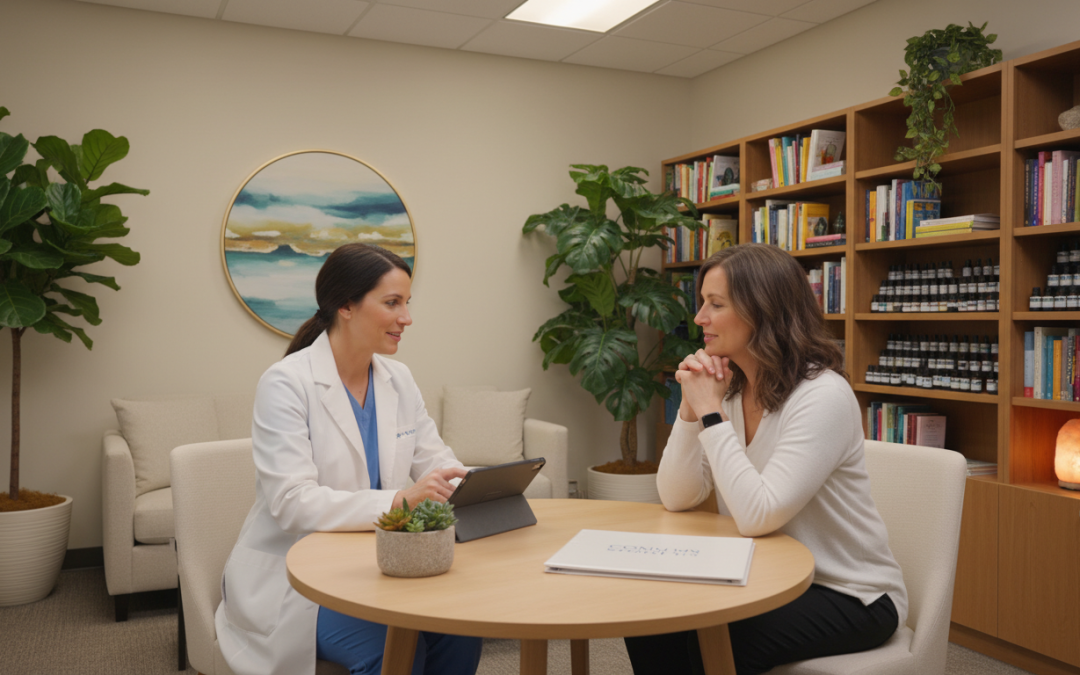
I remember sitting with a woman shortly after her diagnosis. She felt like just a patient, a collection of symptoms to be managed. When we talked about her life beyond the disease—her diet, her anxiety, her hope—something changed. She began to see herself as a whole person again, capable of participating in her own healing.
This experience underscores a powerful idea in modern medicine. Integrative oncology weaves together conventional cancer treatments with evidence-based complementary therapies. The goal is to treat the individual, not just the illness.
In this guide, I explore how this whole-person focus can transform the standard of care. My aim is to provide evidence-based insights that connect standard medical protocols with supportive, holistic practices.
We will look at how addressing physical, emotional, and mental needs can lead to better outcomes for people with cancer. I will share professional advice on navigating your treatment journey while prioritizing your long-term wellness.
By understanding these strategies, you can become an active, informed partner alongside your medical team.
Key Takeaways
- Integrative care combines standard medical treatments with supportive, evidence-based complementary therapies.
- This approach focuses on treating the whole person, not just the disease.
- It aims to bridge the gap between conventional cancer treatment and holistic healing methods.
- Addressing a patient’s overall well-being can contribute to better health outcomes.
- Patients are empowered to become active participants in their own treatment journey.
- Professional guidance can help navigate complex medical decisions while focusing on long-term wellness.
Introduction to Integrative Oncology Approaches
My practice is built on a simple, yet profound principle: treating the whole person, not just the tumor. This idea forms the bedrock of a growing movement in modern medicine.
It acknowledges that healing extends beyond a clinical diagnosis.
What Are Integrative Oncology Approaches?
This field combines standard medical treatments with supportive, complementary therapies. Conventional methods like surgery, chemotherapy, and radiation target the disease directly.
Integrative strategies add evidence-based practices to support the individual’s overall well-being during this challenging time.
The Shift from Conventional to Holistic Cancer Care
For decades, the primary model focused almost exclusively on eradicating cancer cells. Today, we are witnessing a meaningful shift.
The new model cares for the mind, body, and spirit simultaneously. According to the Society of Integrative Oncology, the goal is to help patients manage distress and side effects.
This transition empowers people to take an active role in their recovery. It addresses needs that standard protocols might not fully cover.
| Aspect of Care | Conventional Focus | Holistic Focus |
|---|---|---|
| Primary Goal | Eliminate cancer cells | Support the whole person |
| Treatment Scope | Surgery, chemotherapy, radiation | Integrates complementary therapies |
| Patient Role | Often passive | Active participant |
| Outcome Emphasis | Tumor response | Quality of life and healing |
These foundational principles guide my work every day. They help people navigate the complexities of modern cancer care with more confidence and support.
The Holistic Framework of Alternative Cancer Treatments
Research reveals a telling statistic: between 40% and 84% of people with cancer use complementary medicine. This shows a strong desire for a more complete care plan.
A holistic framework doesn’t replace standard cancer treatments. Instead, it builds a supportive structure around them. It aims to care for the mind, body, and spirit as one.
Exploring Evidence-Based Complementary Therapies
Evidence-based complementary therapies are key to this model. They are not unproven remedies. These are methods studied for safety and benefit alongside conventional care.
I have seen these practices help patients feel empowered. They become active in healing, not just passive. These therapies support the body’s own healing power during tough cancer treatments.
Highlighting Conners Clinic’s Role in Alternative Cancer Treatment
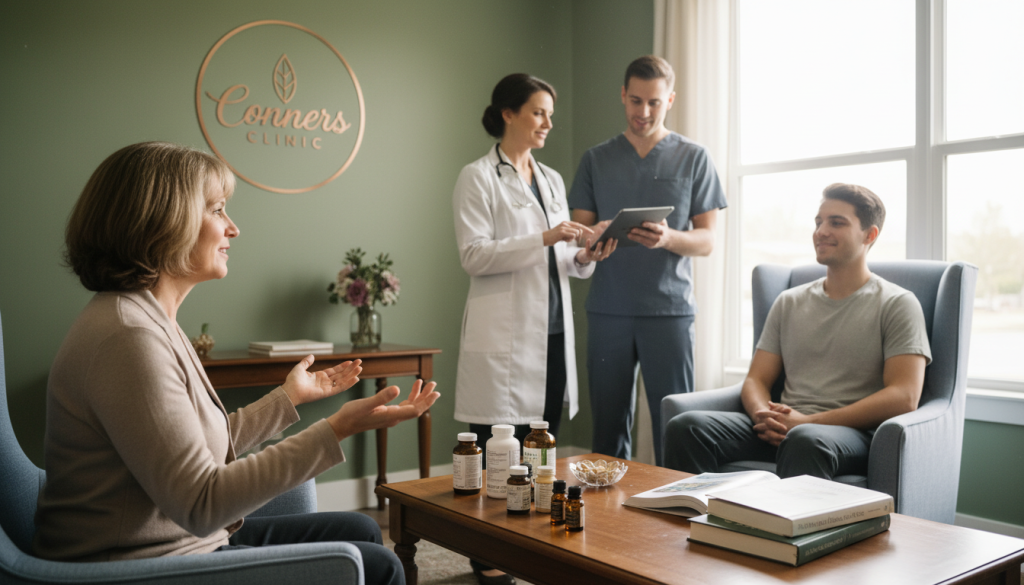
Centers like Conners Clinic specialize in this whole-person focus. Their protocols are tailored to each individual’s unique biological needs.
This personalized alternative medicine strategy is vital. It helps achieve lasting health during and after cancer. The clinic’s role is to be a collaborative partner in your care.
| Aspect of Care | Conventional Treatment Focus | Holistic Framework Focus |
|---|---|---|
| Primary Goal | Eradicate disease | Support the whole person |
| Therapeutic Scope | Pharmaceutical, surgical, radiological | Integrates diet, mind-body practices, targeted supplements |
| Patient Experience | Often standardized | Highly personalized and participatory |
True alternative cancer treatment is a team effort. It connects the patient with specialized providers for a unified plan. This is the core of modern integrative oncology.
Understanding the Principles of Integrative Medicine in Oncology
At the heart of effective cancer care lies a partnership built on trust and shared decision-making. This principle moves beyond just managing a disease. It focuses on supporting the entire person—mind, body, and spirit.
The core of this model is a collaborative relationship. I work with patients to create a plan that respects their unique journey. This empowers them to be proactive in their self-care, a concept supported by findings like the State of Self Care in Australia report.
By blending standard oncology with evidence-based complementary therapies, we optimize health throughout the treatment journey. This framework also uses advanced tools. These technologies help with early detection and monitoring how well a treatment is working.
My experience confirms that informed and supported patients handle challenges better. They feel more in control of their care. This whole-person focus is the true essence of integrative medicine in cancer care.
Navigating Conventional and Complementary Cancer Treatments
In my consultations, a common question arises: ‘Can I use other therapies with my chemo?’ This highlights the need to navigate two worlds of care.
Comparing Standard Medical Treatments and Integrative Therapies
Conventional cancer treatments like surgery, chemotherapy, and radiation are essential. They directly target the disease.
These powerful tools can leave gaps in managing side effects. This is where evidence-based complementary therapies provide crucial support.
How They Work Together for Enhanced Outcomes
I explain that these supportive methods are not meant to replace standard care. They work alongside it for better results.
Research supports this synergy. Jentzsch and colleagues concluded that for pancreatic ductal adenocarcinoma, combining gemcitabine chemotherapy with complementary medicines offers positive outcomes.
For instance, acupuncture helps manage nausea from chemotherapy radiation. Guided imagery can ease distress.
Coordinating both approaches helps patients maintain their quality of life. They can better endure rigorous medical treatment for their cancer.
Addressing Modifiable Risk Factors in Cancer Care
A crucial part of my work involves identifying and modifying the lifestyle factors that can influence cancer outcomes. These elements form the internal environment where healing occurs. Managing them is a cornerstone of supportive cancer care.
For example, a study of 9,247 women with breast cancer found socially isolated individuals faced a 1.43 times higher recurrence risk. This highlights how psychosocial risk factors directly affect health.
Stress, Nutrition, and Physical Activity
Chronic stress, poor nutrition, and lack of exercise create a terrain that can hinder treatment. I guide patients in adopting calming practices and balanced diets. Regular, gentle movement is also key.
These changes help patients feel more in control. They support the body’s resilience during rigorous cancer therapies.
Impact of Sleep and Vitamin D on Treatment Efficacy
Quality sleep and sufficient Vitamin D are often overlooked. Poor sleep disrupts immune function and recovery. Vitamin D deficiency is common and can weaken the body’s defenses.
I address both to optimize the treatment environment. Ensuring good sleep hygiene and checking Vitamin D levels can improve a patient’s response to cancer care.
Integrative Oncology Approaches: Evidence and Research
Behind every recommendation I make lies a body of rigorous scientific research. This evidence transforms supportive care from a hopeful idea into a powerful, reliable tool for people facing cancer.
Epidemiological Insights and Clinical Studies
I rely on population-level data and controlled trials to guide my strategies. These studies show how lifestyle and environment connect to disease outcomes.
Clinical research has proven that our nervous system can influence tumor biology. This is why modern protocols must address these neurobiological pathways.
| Research Domain | Primary Focus | Key Insight for Care |
|---|---|---|
| Epidemiological Studies | Population patterns and risk factors | Guides preventative and supportive lifestyle recommendations. |
| Clinical Trials | Efficacy of specific interventions | Validates which complementary therapies are safe and effective. |
| Psychoneuroimmunology | Mind-body-immune interactions | Explains the biological basis for stress management in healing. |
Understanding the Role of Psychoneuroimmunology
This field explores how the brain, immune system, and cancer interact. It provides a scientific basis for mind-body practices in comprehensive care.
Chronic stress can weaken immune defenses. Techniques that calm the nervous system help create a terrain less supportive of disease progression.
My practice is built on this understanding. It is a necessary evolution in how we support individuals through their treatment journey.
Lifestyle Interventions to Enhance Quality of Life
One of the most rewarding aspects of my work is witnessing how simple lifestyle changes can transform a patient’s journey. Enhancing the quality of life for those with cancer is my primary goal. Daily habits directly impact well-being during and after treatment.
These interventions empower patients to take an active role. They help manage side effects and improve overall health.
Mind-Body Practices and Stress Reduction Techniques
I often recommend meditation and yoga. Studies show these practices significantly reduce stress. For instance, practicing transcendental meditation for eight years was linked to a 49% decrease in cancer mortality rates.
Such techniques calm the nervous system. They improve emotional resilience and quality of life for survivors.
Nutritional Adjustments for Optimal Health
Diet is another cornerstone. A whole-foods, plant-based diet provides essential nutrients. It supports the body during cancer treatment.
The Ornish Lifestyle Program models this approach. It combines diet, exercise, and stress management. This program can lead to positive changes in gene expression for patients.
| Intervention Type | Specific Practice | Key Benefit for Quality of Life |
|---|---|---|
| Mind-Body | Transcendental Meditation | Reduces stress and may lower mortality risk |
| Mind-Body | Yoga | Improves flexibility and mental calm |
| Nutritional | Plant-Based Diet | Enhances energy and supports treatment |
| Nutritional | Whole Foods Focus | Boosts overall health and immunity |
By focusing on these pillars, we can significantly improve the quality of life for those navigating cancer recovery.
Managing Side Effects with Complementary Therapies
A frequent concern I address in my clinic is the management of difficult treatment side effects. Helping people endure their prescribed therapies with greater comfort is a central focus of my supportive care work.
Reducing Side Effects from Chemotherapy and Radiation
Debilitating symptoms like neuropathy and severe nausea are common. I utilize acupuncture and other body-based therapies to help reduce these side effects.
For example, acupuncture can manage chemotherapy-induced peripheral neuropathy and oral mucositis. This proactive support allows patients to better tolerate their primary cancer treatment.
| Common Side Effect | Conventional Challenge | Supportive Complementary Therapy |
|---|---|---|
| Peripheral Neuropathy | Numbness, pain from chemotherapy | Acupuncture for symptom relief |
| Nausea & Vomiting | Debilitating during treatment | Guided imagery, acupressure |
| Cancer-Related Fatigue | Persistent lack of energy | Gentle yoga, pacing activities |
| Oral Mucositis | Painful mouth sores | Specific acupuncture protocols |
Supporting Recovery Through Alternative Methods
These approaches provide a vital layer of support for recovery. They help restore a patient’s physical and emotional balance after intense chemotherapy.
By minimizing the severity of side effects, individuals are more likely to complete their full cancer treatment plan. This integrated strategy significantly improves their ability to benefit from care.
Addressing Stress and Its Impact on Cancer Progression
Managing stress is not just about feeling better—it’s about creating a physiological environment that supports healing. I see depression affect between 25% and 66.7% of people with cancer. This emotional burden can negatively impact survival and treatment outcomes.
Mechanisms of Stress-Induced Tumor Growth
Chronic stress activates the hypothalamic-pituitary-adrenal (HPA) axis. This leads to a release of hormones like cortisol. These substances can promote tumor growth and metastasis.
Research indicates that chronic stress impairs the immune system’s ability to perform surveillance. This is critical for controlling cancer growth. Stress is not just an emotional burden but a physiological factor that directly influences progression.
Effective Interventions for Stress Management
My interventions are designed to calm the nervous system. This reduces the impact of stress on the tumor microenvironment. I teach patients effective techniques like mindfulness and guided imagery.
By learning these methods, patients can mitigate the biological consequences of anxiety. This empowers them to take control of their internal environment and overall health.
Improving Sleep and Recovery in Cancer Patients
Restorative sleep is a non-negotiable pillar of healing, yet it remains one of the most common challenges for individuals undergoing cancer therapy. Studies show 20% to 75% of people face significant sleep disturbances during their treatment. Poor rest is linked to immune suppression and can hinder recovery.
My goal is to help patients establish healthy sleep patterns. This provides the energy needed to fight cancer and improves overall health.
Understanding Sleep Disturbances in Oncology
Insomnia can persist for years after initial treatment, affecting 23% to 44% of survivors. The root causes are often multifaceted.
Anxiety, pain, and side effects from medications disrupt the natural sleep-wake cycle. This circadian rhythm disturbance is a core issue in oncology.
| Common Sleep Challenge | Potential Root Cause | Supportive Strategy |
|---|---|---|
| Difficulty Falling Asleep | Treatment-related anxiety, racing thoughts | Evening meditation or guided imagery |
| Frequent Night Waking | Pain, discomfort, or hormonal fluctuations | Optimizing pain management before bed |
| Non-Restorative Sleep & Daytime Fatigue | Disrupted deep sleep cycles | Consistent sleep-wake schedule |
| Circadian Rhythm Disruption | Hospital stays, medication timing | Maximizing daylight exposure in the morning |
Tips and Techniques for Better Rest
I provide evidence-based techniques to improve sleep quality. The first step is creating a personalized plan for better rest.
Sleep hygiene is essential. This means a cool, dark room and avoiding screens before bed. A relaxing pre-sleep routine signals the body it’s time to wind down.
Relaxation practices like deep breathing calm the nervous system. Managing light exposure stabilizes your internal clock. Prioritizing sleep enhances the body’s natural ability to heal.
By focusing on rest, we directly support recovery and improve quality of life.
Nutritional Strategies for Cancer Survivors
After treatment ends, many survivors wonder how to best support their body’s long-term healing. I explain that nutrition becomes one of the most powerful tools they have. It helps prevent recurrence and maintains health well beyond the active phase of care.
My guidance is based on specific dietary guidelines. These emphasize whole, nutrient-dense foods. Vegetables, fruits, legumes, and whole grains form the foundation of a supportive eating plan.
Embracing Whole Foods and Dietary Guidelines
I help patients understand how their diet influences inflammation and metabolic health. This is crucial in the post-treatment phase. Chronic inflammation can affect recovery, so food choices matter.
Tailored strategies address each survivor’s unique needs. There is no one-size-fits-all diet for cancer survivors. I consider their treatment history, preferences, and overall goals.
By embracing these guidelines, individuals take an active role in their ongoing well-being. They build a strong nutritional foundation for lasting health after cancer.
Exercise and Physical Activity as Preventative Measures
I often tell survivors that movement is medicine, a powerful tool they can use every day. Regular physical activity is a key modifiable factor. It can improve quality of life and survival outcomes after cancer.
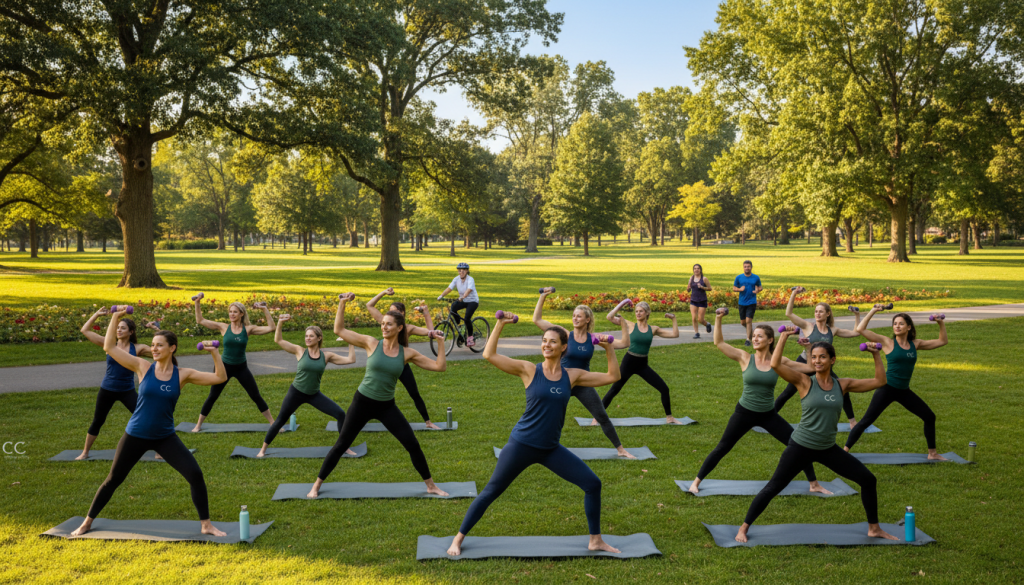
I advocate for regular exercise as a critical part of the recovery plan. Adapted workouts are essential for safety. They respect current physical limits and needs.
The Benefits of Regular, Adapted Workouts
Consistent exercise can reduce the risk of recurrence. It also improves overall health. My tailored plans help survivors regain strength and stamina depleted during treatment.
| Type of Exercise | Primary Benefit for Survivors | Key Adaptation for Safety |
|---|---|---|
| Aerobic (e.g., Walking, Swimming) | Boosts cardiovascular health and energy | Start low, go slow; monitor intensity |
| Strength Training | Rebuilds muscle mass and supports metabolism | Use light weights, focus on form |
| Flexibility & Balance (e.g., Yoga, Tai Chi) | Enhances mobility and reduces fall risk | Use supports, avoid over-stretching |
These activities significantly boost mood and long-term quality of life. Research strongly supports this.
Creating Tailored Exercise Plans for Survivors
Every patient’s journey is unique. A one-size-fits-all approach does not work. I create personalized plans based on individual health status and goals.
This personalization ensures exercise is both safe and effective. It empowers survivors to take control of their ongoing wellness. Integrating movement into daily routine builds resilience for the future.
Integrative Oncology at Leading Cancer Centers
Choosing the right place for care is a pivotal decision for anyone facing a cancer diagnosis. Specialized facilities are redefining what comprehensive support looks like. They blend advanced medical science with holistic, person-centered strategies.
I guide many individuals toward these leading centers. They offer a wider range of tools not always found in conventional settings. This access can be crucial for a patient’s journey.
Innovative Approaches at Conners Clinic
At Conners Clinic, the focus is on innovative, personalized care. The team creates plans that address each person’s unique biological needs. This is the core of their alternative cancer treatment philosophy.
Many people travel to this cancer center seeking a more holistic path. The clinic bridges the gap between traditional and alternative medicine. This provides patients with a unified and comprehensive strategy.
| Aspect of Care | Leading Integrative Center | Conventional Setting |
|---|---|---|
| Care Philosophy | Whole-person, personalized plans | Often disease-focused, standardized |
| Therapeutic Toolkit | Broad range of integrative modalities | Primarily pharmaceutical/surgical |
| Patient Role | Active collaborator in design | More passive recipient |
| Access to Alternatives | Direct, coordinated access | Limited or unavailable |
This model empowers patients. It makes them active partners in their treatment. A recent analysis highlights the growing importance of such centers in modern oncology.
I am proud of the work done at specialized facilities. They ensure every patient receives a plan tailored to their specific health needs. This is the future of compassionate cancer care.
Complementary Therapies: Mind-Body, Energy and Body-Based Practices
In my years of guiding patients through cancer care, I’ve seen how specific complementary therapies can profoundly shift their experience. These practices address the whole person, offering relief and empowerment during a challenging time.
Acupuncture, Massage, and Reflexology in Cancer Care
I frequently use acupuncture to manage pain and nausea. This technique provides real relief for many individuals undergoing tough regimens.
Body-based practices like massage and reflexology are also key. They ease physical tension that often builds up with a cancer diagnosis. This hands-on care helps patients feel more comfortable and supported.
Exploring Music, Art, and Movement Therapies
Creative approaches like art and music therapy are powerful tools. Studies show art therapy decreases anxiety, depression, and pain in people during treatment.
Music therapy is effective too. It reduces fatigue and improves overall mood. Movement therapies help individuals reconnect with their bodies during healing.
By offering this diverse range of complementary practices, I ensure every person has access to emotional and physical support. This holistic focus is central to my work.
Navigating the Safe Use of Alternative Medicines and Supplements
Navigating the world of supplements requires careful attention to safety and verification. My role is to ensure every addition to your plan supports your healing without risk.
I always advise caution. Supplements do not undergo the same rigorous FDA approval process as pharmaceuticals.
Understanding FDA and USP Verification
The FDA regulates drugs, but dietary supplements are treated differently. They do not require pre-market approval for safety.
This is where third-party verification becomes essential. The United States Pharmacopeial Convention (USP) is a non-profit organization. It tests vitamins and supplements for purity and label accuracy.
Choosing a product with the “USP Verified” seal is a crucial step. It ensures the contents match the label claims exactly.
| Regulatory Body | Primary Role in Safety | Key Patient Consideration |
|---|---|---|
| Food and Drug Administration (FDA) | Approves pharmaceuticals; monitors supplement safety post-market. | Does not guarantee supplement safety or efficacy before sale. |
| US Pharmacopeia (USP) | Provides voluntary verification for supplement quality and purity. | Look for the “USP Verified” mark as a trust signal. |
| Your Healthcare Team | Reviews for interactions with your conventional cancer treatment. | Always consult them before starting any new medicine or supplement. |
Consulting with Your Healthcare Team
This consultation is the safest path forward. I work closely with my patients to review their entire regimen.
We check that nothing interferes with their primary cancer treatment. This collaborative review helps prevent adverse interactions.
My goal is to help you make informed decisions about your health. Every medicine you use should be both safe and effective for your journey.
Closing Reflections on a Holistic Cancer Healing Journey
As we reach the end of this guide, I want to acknowledge the strength it takes to embark on a healing journey. It requires courage and a steadfast commitment to caring for your whole self.
My hope is that this information has given you clarity. You can now explore supportive strategies with your medical team confidently.
Remember, your health is a personal journey. You have the power to influence your outcomes through informed, proactive choices.
By blending the best of conventional treatment with evidence-based complementary care, patients can achieve a better quality of life. This path supports you during and after cancer.
Continue seeking knowledge and support. You are the most important advocate for your own long-term well-being and health.
FAQ
What exactly is integrative oncology?
Integrative oncology is a patient-centered model of care. It thoughtfully combines conventional medical treatments like chemotherapy with evidence-supported complementary therapies. The goal is to treat the whole person—body, mind, and spirit—to manage side effects, improve quality of life, and support the healing journey.
How can these approaches help with treatment side effects?
Many complementary therapies are excellent for managing side effects. For example, acupuncture at a clinic like Conners Clinic can significantly reduce nausea from chemotherapy. Mind-body practices and specific nutritional strategies can also help combat fatigue, improve sleep, and support the gut microbiome during treatment.
Can lifestyle changes really impact my cancer risk or recovery?
Absolutely. Modifiable risk factors play a crucial role. Maintaining a healthy body mass index (BMI), eating a diet rich in whole grains and plants, regular exercise, and managing stress are all powerful. These actions can help reduce risk, improve treatment efficacy, and enhance long-term wellness for survivors.
Is it safe to use supplements and alternative medicines during treatment?
Safety is paramount. You should never take supplements without consulting your oncology team. Some can interfere with treatments. I advise looking for products with USP verification for quality and always having an open conversation with your doctors at your cancer center to ensure everything works together safely.
What role does stress management play in cancer care?
Chronic stress can negatively impact the immune system and potentially influence cancer progression. Effective stress reduction through meditation, yoga, or counseling is a core part of holistic care. Managing stress helps improve your overall quality of life and may support better treatment outcomes.
How do leading cancer centers incorporate these methods?
Top-tier centers now often include integrative health services. They might offer acupuncture for pain, nutritional counseling, or mind-body therapies alongside conventional care. Clinics like Conners Clinic specialize in creating personalized, holistic plans that bridge the best of Western and complementary medicine for their patients.