

I remember Sarah, a vibrant teacher in her fifties, sitting across from me after her breast cancer diagnosis. She felt overwhelmed by the clinical protocols and asked, “Is there more I can do for my whole self, not just the disease?” Her question is why I do this work.
This illness is a complex, systemic condition. It involves both genetic susceptibility and environmental factors playing a role. Understanding this complexity is the first step toward a comprehensive care plan.
Integrative approaches aim to treat the whole person rather than just focusing on the illness. This philosophy respects the individual’s physical, emotional, and spiritual well-being. Many people find this perspective empowering during a difficult journey.
My goal is to provide a clear resource for those seeking to understand natural options. I always emphasize consulting your primary oncology team before starting any new regimen. Safety and personalized care must come first.
Key Takeaways
- Integrative methods focus on supporting the entire person, not just managing the disease.
- Accurate information helps you make decisions that align with your personal values.
- Natural approaches are designed to complement your existing medical care plan.
- Supporting your overall health can improve quality of life during this journey.
- Specific lifestyle adjustments may enhance the effectiveness of primary protocols.
- Always discuss new regimens with your oncology team to ensure safety.
Understanding Alternative Cancer Treatment at Conners Clinic
The landscape of care expanded significantly in 1999. This is when Memorial Sloan Kettering Cancer Center launched the nation’s first integrative oncology program. Dr. Jun Mao, who now leads their Integrative Medical Service, was part of this pioneering work.
It’s crucial to understand a key difference here. Alternative medicine seeks to replace conventional care. An integrative approach, however, is designed to work alongside your primary healthcare team. This distinction forms the foundation of a safe and effective plan.
At Conners Clinic, we focus on a personalized alternative cancer treatment philosophy. Our goal is to address your unique needs while you undergo standard medical procedures. Many patients find that having multiple options helps them feel more in control of their journey.
We prioritize strategies backed by research to support your body. I always recommend verifying the credentials of any clinic offering these services. Ensuring high safety standards is non-negotiable.
By integrating these resources, we aim to foster healing. The ultimate goal is to improve your overall quality of life during treatment.
The Integrative Approach: Merging Conventional and Natural Therapies
Clinical data reveals a significant trend: many individuals undergoing conventional care also seek complementary support. Research indicates between 40% and 84% of people with cancer utilize some form of complementary medicine alongside their standard medical care.
This is where an integrative approach becomes vital. It merges conventional medicine with evidence-based complementary therapies and lifestyle interventions. The goal is to treat the whole person, optimizing health and potentially improving outcomes.
I advocate for a collaborative relationship. Your oncologist and integrative practitioner should communicate to ensure your plan is safe and effective. These strategies are designed as adjuncts to primary treatment, not replacements.
Many studies suggest patients using this merged approach report better quality of life during recovery. My experience shows that when patients are empowered to participate in their own care, they often feel more resilient.
We must continue supporting research that validates these integrative medicines. This ensures they are accessible and safe for all patients.
Defining “holistic cancer therapies” for Enhanced Cancer Care
My definition of whole-person care starts with evidence-based interventions that manage both body and mind. This approach encompasses a wide range of supportive practices. They focus on nurturing your mental, physical, and spiritual well-being to bolster overall health.
I define these methods as any evidence-backed strategy that helps a person cope with the toll of a cancer diagnosis. The goal is to support you through the intensity of conventional treatment. It’s crucial to understand this care enhances standard medicine, it does not replace it.
Many people find incorporating these supportive therapies improves their daily life. My role is to provide clear information so you can identify options with scientific backing. This helps you avoid unproven claims and focus on what truly supports healing.
By addressing the whole person, we target underlying factors that can hinder recovery. I strongly encourage you to collaborate with your healthcare team. Together, you can determine which supportive therapy fits your unique situation.
True integrative care creates a supportive environment. It empowers you to take an active role in your own healing journey during cancer treatment.
Evidence-Based Reviews of Natural Cancer Treatments
One of the most common questions I receive is, “Which natural treatments actually have research behind them?” This is where a systematic review of the literature becomes invaluable. It helps separate options with solid evidence from hopeful claims.
These reviews analyze clinical data on modifiable factors like stress and diet. They give oncologists a clearer picture of what truly supports patients. For a deeper dive into this science, I recommend the podcast alternative cancer treatments from a leading center.
My goal is to provide accurate information so you can make safe decisions. Many people are surprised to learn some natural medicines are now recommended by top centers. It’s crucial to avoid “miracle cures” that lack validation.
The table below offers a snapshot of how different approaches are evaluated. This helps in building an integrative plan that works with your primary treatment.
| Natural Support Strategy | Primary Evidence Type | Common Integrative Use |
|---|---|---|
| Mindfulness Meditation | Randomized Clinical Trials | Managing stress and anxiety |
| Curcumin Supplementation | Systematic Reviews & Meta-Analyses | Supporting inflammatory response |
| Medical Cannabis | Observational Studies & Patient Reports | Addressing nausea and pain |
| Acupuncture | Clinical Practice Guidelines | Reducing treatment-related fatigue |
I always advise skepticism toward any therapy promising a cure without peer-reviewed research. Together, we can evaluate available treatments to find your best path forward. This collaborative review ensures your plan is both safe and scientifically sound.
Navigating Integrative Medicine for a Better Quality Life
Integrative medicine offers a pathway to enhance daily living while managing a serious health condition. Navigating this world can feel overwhelming at first. Yet, it is a powerful way to improve your overall well-being during medical care.
I guide my patients through this process by focusing on practices shown to reduce stress. These approaches aim to improve physical and emotional resilience. The goal is to build a supportive framework around your primary medical regimen.
Remember, your daily experience is just as vital as clinical outcomes. Many individuals find that integrating supportive methods helps them cope better. They report feeling more equipped to handle the challenges of a diagnosis.
My advice is to start slowly. Choose one or two approaches that resonate with your personal health goals. By prioritizing how you feel each day, you maintain the strength needed for your primary treatments.
I encourage you to seek professionals experienced in integrative medicine. They can provide safe, personalized guidance. Together, we can create a plan that supports your body and mind, helping you live more fully.
Managing Treatment Side Effects Through Natural Approaches
Successfully completing a therapeutic regimen often hinges on how well one manages its accompanying physical responses. These challenges, if unaddressed, can affect your daily well-being and commitment to care. My goal is to help you find relief so you can focus fully on your recovery.
In my practice, I’ve seen many people use supportive strategies to ease common issues. Fatigue, nausea, and discomfort are frequent concerns. Gentle movement practices or acupuncture, for example, can significantly reduce the severity of these effects.
Always discuss any new approach with your oncology team first. This step ensures safety and prevents interactions with your primary medications. Natural supports are designed to complement, not interfere with, your medical plan.
I encourage you to keep a simple journal of your symptoms. Tracking what helps allows you to personalize your care. With the right support, you can manage these challenges and maintain a better quality of life throughout your journey.
Stress Reduction Strategies for Cancer Patients
Finding moments of calm can be a powerful ally during medical treatment. Chronic stress is a major factor, with depression affecting between 25% and 66.7% of people with this diagnosis. Managing this emotional burden is essential for your overall well-being.
I recommend specific, research-backed strategies to support your body and improve your quality of life. These approaches are designed to work alongside your primary medical plan.
- Meditation: One long-term study found practicing Transcendental Meditation for eight years was linked to a remarkable 49% decrease in mortality rates among cancer patients.
- Mindful Movement: Practices like Tai Chi and Qi Gong show positive effects on cancer-specific fatigue and anxiety, enhancing daily life.
- Creative Arts: Incorporating art or music therapies has been proven to decrease pain and significantly improve mood during care.
- Animal Companionship: Pet treatment sessions are associated with a measurable drop in depression and even an increase in oxygen saturation levels.
These strategies help calm the mind and body, which is vital for supporting your immune system. By managing stress, you can better cope with the demands of your treatment. I encourage you to explore different options to find what brings you the most peace.
Addressing Disturbed Sleep and Its Role in Cancer Management
Restorative sleep is not a luxury; it is a critical component of effective health management. Insomnia and other sleep disturbances affect 23% to 44% of patients even years after completing their primary cancer treatment.
A meta-analysis reveals a sobering fact. Individuals with chronic insomnia face a 24% increased risk of developing this illness. This underscores why addressing sleep is crucial for long-term well-being.

Up to 75% of newly diagnosed people experience sleep problems. These issues can severely impact their ability to tolerate and benefit from their primary treatment plan.
I recommend implementing strict sleep hygiene practices. Maintaining a consistent schedule and reducing blue light exposure before bed helps your body recover more effectively each night.
Poor sleep leads to immune suppression. This makes it harder for your body to manage the side effects of therapies and maintain resilience during care.
Always discuss persistent sleep problems with your healthcare team. They may be related to your medications or other factors affecting your quality of life.
By prioritizing restorative sleep, you give your body the best chance to heal. I believe better sleep is one of the most effective natural supports for long-term health goals.
Optimizing Nutrition and Diet in an Integrative Cancer Regimen
I often tell my patients that their plate is one of the most powerful tools in their care plan. What you eat directly supports your body’s ability to heal and respond to medical treatment.
I advise focusing on a whole-foods, plant-based diet. Rich in vegetables, fruits, and legumes, this approach helps reduce systemic inflammation. This is a key goal for many people during their health journey.
Proper nutrition can help you manage the side effects of your cancer treatment more effectively. Issues like nausea or loss of appetite become easier to handle with the right dietary strategy.
It is crucial to work with a qualified nutritionist. They understand the specific caloric and nutrient needs during this time. This ensures you get enough energy to maintain your strength.
Research suggests that poor dietary habits can influence health outcomes. This makes your diet a key factor you can control. By fueling with high-quality foods, you support your immune system and improve daily energy.
| Food Group | Key Nutrients | Primary Support Function | Integrative Consideration |
|---|---|---|---|
| Cruciferous Vegetables | Sulforaphane, Fiber | Detoxification Support | Best lightly steamed |
| Omega-3 Rich Foods | EPA, DHA | Reducing Inflammation | Wild-caught fish, flaxseeds |
| Lean Proteins | Essential Amino Acids | Muscle & Tissue Repair | Vital during active therapies |
| Colorful Berries | Antioxidants, Vitamin C | Cellular Protection | Choose organic when possible |
I encourage you to avoid processed foods and added sugars. These can promote inflammation and may interfere with natural healing. Your dietary choices are a proactive way to support your overall well-being.
The Role of Exercise and Physical Activity During Treatment
Moving your body consistently can be a cornerstone of supportive care during medical treatment. I often see patients who feel more in control when they incorporate gentle movement into their days. This approach is about supporting your overall well-being, not just combating fatigue.
Regular activity is one of the most effective ways to reduce the profound tiredness associated with a cancer diagnosis. Even light walks or restorative yoga can lift your mood and help manage stress. These positive effects on your emotional state are just as important as the physical benefits.
It is vital to pay attention to how you feel and adjust your intensity accordingly. I encourage people to consult their oncology team to create a safe, personalized plan. This ensures your activity supports your primary treatment without causing strain.
Staying active supports immune function and can reduce systemic inflammation. By taking this proactive role, you help your body cope with the demands of various therapies. Exercise is a powerful, simple tool to maintain a sense of normalcy and strength during this journey.
Using Supplements and Herbal Remedies Safely
I approach discussions about botanical remedies with a focus on evidence and caution. The market is filled with products making bold claims, but safety must come first.
For example, cannabis oil, often called Rick Simpson’s oil, is frequently discussed. Current research does not support its use as a primary treatment for cancer.
High-dose vitamin C is another popular option. I urge people to wait for more clinical trials before relying on it for their care.
Ashwagandha may help lower stress hormones. However, product quality varies, and soil contamination is a real risk.
| Supplement | Common Use | Evidence Status | Key Safety Consideration |
|---|---|---|---|
| Cannabis Oil | Supportive symptom management | Controversial; lacks strong cancer treatment data | Can interact with prescription medications |
| High-Dose Vitamin C | Immune support | Insufficient evidence for widespread use | May affect kidney function during treatment |
| Ashwagandha | Stress and cortisol relief | Ayurvedic herb with supportive studies | Risk of heavy metal contamination in some products |
Your liver and kidneys work hard to process medical therapies. Adding supplements can increase the risk of toxic effects on your body.
Always consult your doctor before using any new herb or oil. I recommend checking the “About Herbs” database for reliable, research-based monographs.
Understanding Risk Factors: Interactions and Side Effects of Alternative Therapies
A common misconception I encounter is that ‘natural’ automatically equals ‘safe,’ especially when navigating a serious health condition. This belief can lead to dangerous choices. Understanding the potential for harmful interactions is essential for your safety.
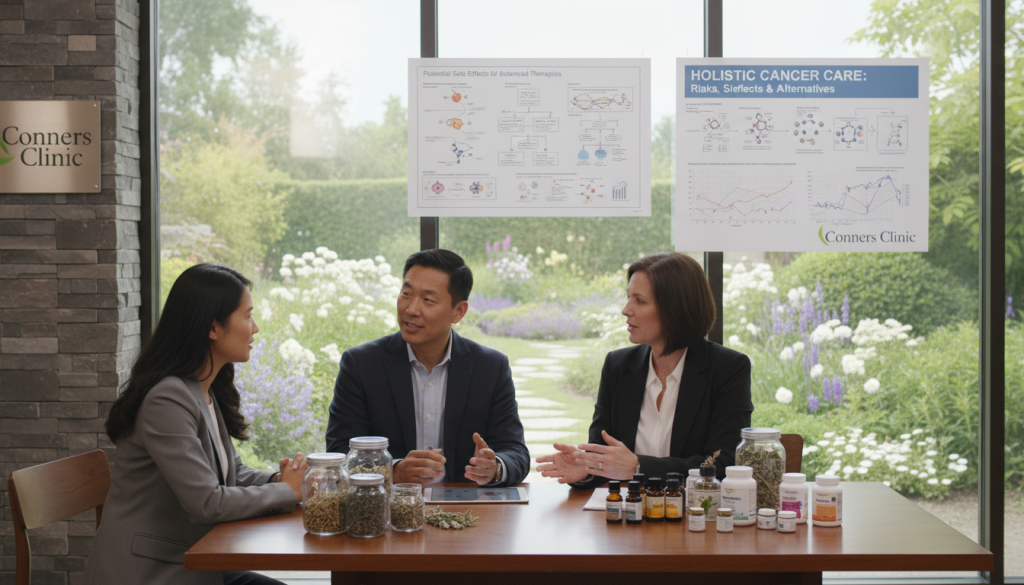
I warn people that some herbs can interfere with blood clotting. This is a major risk if you are on anticoagulant medications. The consequences of mixing these can be severe.
Your body is already working hard during intensive medical treatment. Adding unregulated supplements increases the stress on your liver and kidneys. This can worsen the side effects you experience.
Many complementary therapies lack rigorous testing when combined with conventional drugs. This creates unknown risks. Transparency with your healthcare team about every supplement is non-negotiable.
| Potential Risk | Example Substance | Primary Concern |
|---|---|---|
| Altered Drug Metabolism | St. John’s Wort | Can reduce effectiveness of many cancer medications |
| Bleeding Risk | Ginkgo Biloba, Garlic | Interacts with blood thinners and can increase bruising |
| Liver Stress | High-Dose Green Tea Extract | May cause liver toxicity alongside chemotherapy |
| Kidney Function | Certain Herbal Diuretics | Can strain kidneys already affected by treatment |
By being aware of these factors, you make safer choices. Your well-being is the priority. Informed decision-making is the best way to support your health without compromising your primary care plan.
Exploring Clinical Trials and Real-World Research in Integrative Oncology
Robust research databases now allow us to track outcomes for thousands of patients over many years. This real-world data is crucial for validating integrative approaches. For instance, a population-based study using the Taiwan health insurance database showed better outcomes for breast cancer patients using traditional Chinese medicine.
Exploring clinical trials is a vital way to access cutting-edge research that may benefit your specific diagnosis. I often point to this Taiwan study when discussing how integrated strategies can support conventional treatment.
It is important for people to consider participating in these trials. This helps gather more evidence on the effectiveness of various supportive methods. My goal is to help you find options proven in large-scale studies, not just anecdotal reports.
By supporting clinical trials, we contribute to a future where integrative care is standard. I encourage you to ask your oncologist about ongoing research relevant to your health goals.
Empowering Patients Through Integrative and Holistic Care
When you understand your options, you become a partner in your care rather than just a recipient. This active role is the core mission of integrative professionals. They aim to equip you with knowledge and tools.
I recommend using trusted resources like the “About Herbs” database. It provides 280 monographs on supplement safety. This reliable information helps you avoid risky interactions during treatment.
Guidance from experienced professionals is invaluable. They help you navigate complex online data. Their insight ensures your choices truly support your body’s needs.
Patient stories offer valuable insight. Yet, they must be balanced with scientific evidence. Always discuss anecdotes with your medical team.
Self-care techniques are powerful tools you control. Mindfulness and gentle exercise can improve daily life. These practices foster resilience.
Feeling supported by your healthcare team is a key factor. This connection positively impacts your overall recovery journey. It builds a foundation of trust.
When you are well-informed, you make better decisions. These choices align with your personal values and health needs. That sense of agency is profoundly empowering.
| Resource | Primary Purpose | Trusted Source |
|---|---|---|
| About Herbs Database | Supplement Safety & Interaction Checks | Memorial Sloan Kettering |
| Professional Consultations | Personalized Guidance & Plan Integration | Licensed Integrative Practitioners |
| Patient Support Groups | Shared Experience & Emotional Support | Hospital & Community Networks |
| Scientific Journals | Evidence-Based Treatment Updates | Peer-Reviewed Publications |
Together, we can build a care plan that makes you feel in control. This collaborative approach supports you throughout your entire experience. Empowerment leads to better engagement and outcomes.
Holistic Cancer Therapies: A Deep Dive into Natural Treatment Options
Delving into the science behind natural supports offers a clearer picture of how they can aid the body’s defenses. This exploration reveals how specific strategies work alongside your primary medical plan.
I analyzed a systematic review of the literature to understand their impact on breast cancer and other common malignancies. The findings highlight how certain natural compounds can influence the behavior of cancer cells.
It is fascinating to see these mechanisms in action, though more research is always needed. Many people find that integrating these therapies helps manage long-term side effects.
My goal is to provide a comprehensive look so you can make informed decisions about your health. Understanding the science builds confidence in using them alongside conventional treatment.
I encourage you to continue learning how these natural supports can help your body target unhealthy cells. For ongoing guidance, consider exploring our alternative cancer memberships.
This deep dive is designed to give you the knowledge needed to navigate your journey with clarity and purpose. A well-informed approach is a powerful part of your care.
Embracing a New Horizon in Integrative Cancer Management
We stand at a pivotal moment in healthcare. The integration of diverse healing therapies is reshaping how people experience care. I believe combining the best of conventional and natural medicine offers a more supportive path. This merged approach can help treat cancer more effectively.
These methods help treat cancer by supporting the body’s natural defenses. It is time to make integrative strategies a standard part of every treatment plan nationwide. By focusing on the whole person, we improve outcomes.
I am committed to helping you navigate with the latest information and compassionate care. Together, we create a path that honors your health and values. Thank you for trusting my guidance as you work toward healing.
FAQ
What is integrative oncology, and how is it different from standard care?
Integrative oncology merges the best of conventional medicine, like chemotherapy, with evidence-based natural approaches. I view it as a comprehensive strategy. It focuses on treating the whole person—addressing nutrition, stress, and sleep alongside the tumor to improve your quality of life during and after treatment.
Are natural treatments proven to help with the side effects of conventional therapies?
Yes, many are well-supported. For instance, studies reviewed in systematic analyses show ginger can significantly reduce chemotherapy-induced nausea and vomiting. Acupuncture is another powerful, evidence-based tool I recommend for managing pain and fatigue, helping patients better tolerate their primary treatments.
Is it safe to use herbal supplements while undergoing chemotherapy or radiation?
Safety is paramount. Not all supplements are safe during active treatment, as some can interact with medicines. I strongly advise against self-prescribing. Always discuss any supplement, like curcumin or medicinal mushrooms, with your oncology team to avoid potential interactions and ensure they support your specific care plan.
How does managing stress contribute to cancer management?
Chronic stress can negatively impact your body’s immune response and overall well-being. In my practice, I incorporate stress-reduction techniques like meditation and mindfulness. These strategies help modulate the body’s stress response, potentially improving treatment outcomes and enhancing your daily quality of life.
What role does diet play in an integrative treatment plan?
Nutrition is a cornerstone of care. I work with patients to create anti-inflammatory, nutrient-dense diets that support the body. This isn’t about a single “miracle” food but a sustainable eating pattern designed to strengthen your health, manage side effects, and provide optimal fuel during this challenging time.
Should I consider clinical trials for integrative therapies?
Absolutely. Participating in clinical trials for complementary approaches is a way to access new therapies under expert supervision and contribute to vital research. I encourage patients to explore options on reputable registries like ClinicalTrials.gov with their healthcare provider to find trials that match their diagnosis and interests.