

John stared at the news report. The numbers felt overwhelming. In 2023 alone, the National Cancer Institute reported that 2 million people in the United States heard the words, “You have cancer.” Another 610,000 lives were lost to this disease.
That moment was a wake-up call for him. It can be one for all of us. I see this reaction often. The sheer scale of the illness can make us feel powerless.
But here is what I know from my years of practice: power lies in understanding. While some risk factors are beyond our control, the choices we make every day are not. They are our most powerful tools.
You can help prevent cancer by making informed decisions about your well-being. It starts with knowledge and is sustained by action. A cornerstone of this is to get regular checkups. Early detection changes everything.
My goal is to walk with you. I want to provide clear, actionable steps that build a strong defense for your future. Together, we can reduce the impact of this disease.
Key Takeaways
- Grasping the current statistics is the first step toward taking control of your personal health.
- Your daily habits and choices have a profound influence on your overall disease risk.
- Consistent health screenings are vital for catching potential issues at their earliest, most treatable stages.
- Empowerment comes from combining reliable knowledge with practical, proactive measures.
- Small, sustainable changes to your routine can create a significant protective effect over time.
- Education forms the foundation of any effective long-term strategy for well-being.
The Connection Between Lifestyle and Cancer
Many people feel their genetic blueprint dictates their future, but science tells a different story. The power to influence your health is often in your hands.
How Daily Choices Impact Cancer Risk
I often share a pivotal statistic with my patients. Research indicates that more than 40% of cancer cases and nearly half of all cancer deaths are linked to preventable causes. This means your everyday habits directly shape your long-term well-being.
What you eat, how much you move, and other routine decisions are not small matters. They accumulate over time, creating a powerful effect on your body’s defenses.
To clarify this influence, consider the breakdown of common risk factors. The table below highlights where you have the most control.
| Factor Category | Examples | Level of Personal Control |
|---|---|---|
| Preventable (Modifiable) | Tobacco use, diet, physical activity, sun exposure | High |
| Partially Influenced | Environmental pollutants, certain infections | Moderate |
| Non-Preventable (Non-Modifiable) | Age, inherited genetic mutations, family history | Low |
Beyond Genetics: Embracing Change
Your family history is just one piece of the puzzle. I encourage you to look at the larger picture. Many cancers are influenced more by environment and behavior than by genes alone.
Embracing positive change is a powerful act. By acknowledging that many cancers are preventable, you empower yourself to take charge. You can minimize exposure to harmful triggers and build a stronger foundation for vitality.
lifestyle modifications for cancer prevention
In my practice, I’ve witnessed firsthand how deliberate, daily decisions can reshape a person’s long-term well-being. This shift from understanding to action is where real protection begins.
Key Measures to Help Prevent Cancer
The National Cancer Institute provides a robust framework for reducing disease burden. Their guidelines emphasize consistent, healthy habits as a cornerstone of defense.
I guide my patients to focus on a few powerful, evidence-based actions. These include maintaining a balanced diet, engaging in regular physical activity, and avoiding tobacco. Each choice builds a stronger shield against cellular damage.
Integrating Preventative Habits Into Daily Life
The most effective strategy is to weave these measures seamlessly into your routine. Small, consistent changes create a powerful cumulative effect on your health.
My approach simplifies complex advice into manageable steps. This makes it easier for people to stick with new routines and significantly lower their risk over time. Lasting wellness is built one day at a time.
Incorporating Alternative Cancer Treatment Insights
When patients seek a broader perspective on their health journey, I often introduce them to integrative care models. This approach looks at the entire person, not just a diagnosis. It combines the best of different healing traditions to support overall well-being.
Exploring all available resources is a powerful step. It helps you feel informed and in control of your path forward.
Exploring Options at Conners Clinic
I frequently point people toward the resources at Conners Clinic. Their philosophy centers on the individual. They provide specialized insights into protocols that address the root causes of imbalance.
Their work focuses on the whole person rather than just the disease. For those interested, you can learn more at Conners Clinic. Understanding these options is a key part of building a comprehensive plan.
Blending Lifestyle Changes With Treatment
A truly holistic strategy weaves together multiple threads. Evidence-based daily habits form a strong foundation. When combined with specialized therapeutic insights, they create a synergistic effect.
This blend better supports your body’s innate healing processes. It is crucial to discuss your personal situation with a knowledgeable professional. They can help integrate these diverse modalities effectively.
My mission is to guide you through these choices. You deserve to feel supported and empowered every step of the way.
Tobacco Cessation and Cancer Risk Reduction
The statistics surrounding tobacco and disease are sobering, but they also illuminate a clear path forward. I cannot stress this enough: tobacco use is linked to 30% of all cancer deaths. This affects various types of cancer, including lung and colon.
This data makes cessation a critical public health priority. It is also your most powerful personal intervention.
Benefits of Quitting Smoking
The National Cancer Institute highlights that stopping smoking is the single most effective step. It lowers your risk cancer profile immediately.
Your body begins to heal the moment you quit. Benefits extend far beyond reducing the chance of developing many types cancer. Your heart, lungs, and overall vitality improve significantly.
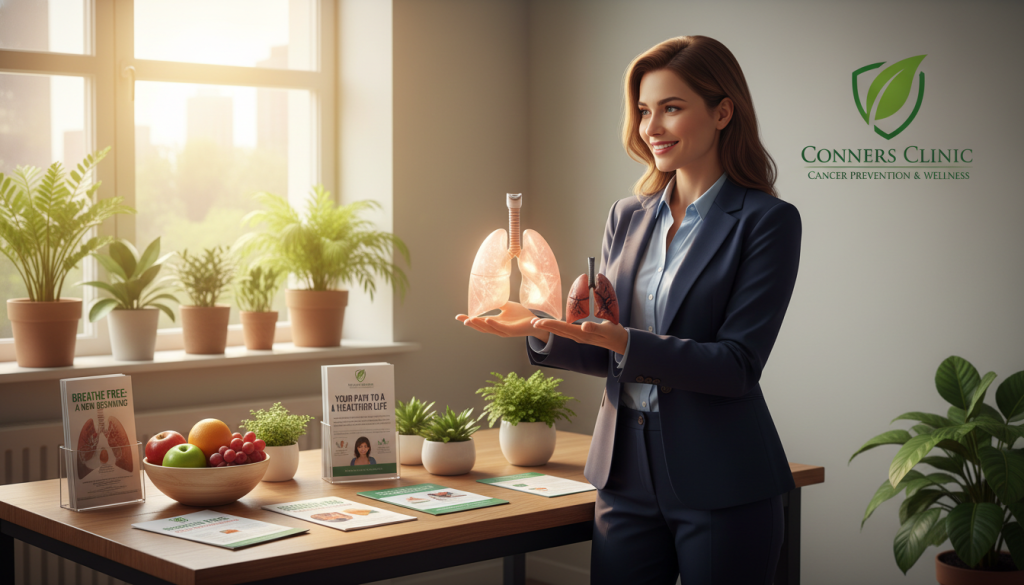
You are taking a definitive step to protect your body. This action shields you from the various types of this disease linked to combustible products.
Support Resources and Programs
You do not have to face this challenge alone. Seeking professional care to quit dramatically improves your success.
I encourage you to utilize dedicated support programs. These resources provide structured guidance and community. They are designed to help you prevent cancer and reclaim your health.
Your journey toward a tobacco-free life is a profound investment in your future well-being.
Sun Protection and Skin Cancer Prevention
The sun’s rays, while essential for life, carry a hidden danger that many underestimate. Every single day, over 9,500 Americans are diagnosed with skin cancer, according to The Skin Cancer Foundation. This startling number highlights why guarding your skin is not optional.
I guide my patients to view sun defense as a daily non-negotiable. It’s a straightforward practice with profound long-term benefits for your skin health and a key part of cancer prevention.
Effective Sunscreen Practices
Choosing the right sunscreen is crucial. I always recommend a broad-spectrum product with an SPF of 30 or higher. Apply it generously to all exposed skin 15 minutes before going outside.
Reapplication every two hours is key, especially after swimming or sweating. This habit creates a reliable shield against damaging UV rays.
Avoiding Harmful UV Exposure
Beyond sunscreen, smart behavior matters. Seek shade during peak sun hours, typically from 10 a.m. to 4 p.m. Wearing protective clothing and a wide-brimmed hat adds another layer of defense.
I must be clear: tanning beds are a significant hazard. These devices emit intense, concentrated UV radiation that directly harms skin cells. Avoiding tanning beds entirely is a critical step for reducing risk.
Together, these actions form a powerful strategy. They significantly lower your chance of developing this disease and are a cornerstone of sensible long-term health.
Healthy Diet: Fueling Your Body to Fight Cancer
The food on your plate is more than just fuel; it’s a powerful form of medicine. I guide my patients to see nutrition as a cornerstone of their defense strategy. What you eat directly influences inflammation and oxidative stress in your body.
Making informed dietary choices is a proactive step for long-term health. For detailed dietary guidelines, reputable institutions offer excellent resources.
Plant-Based and Whole Foods Benefits
The American Institute for Cancer Research suggests a plant-based diet is highly effective. It can help protect your cells from damage.
Foods like fruits, vegetables, and whole grains are rich in protective compounds. A diet centered on them may lower risk for specific cancers, including breast cancer, lung, and colon types.
Limiting Processed Foods and Red Meat
I consistently advise patients to limit red meat and processed items. Studies link high intake to increased risk cancer profiles.
Preparing meals at home lets you control ingredients. You avoid harmful additives found in many packaged foods.
| Food Type | Primary Benefit | Recommendation |
|---|---|---|
| Plant-Based Whole Foods | Reduces inflammation, provides antioxidants | Fill half your plate with vegetables and fruits |
| Processed Foods | Often high in unhealthy fats and additives | Limit consumption; read labels carefully |
| Red Meat | Source of protein but can promote inflammation | Enjoy in moderation, choose lean cuts |
This approach, supported by the cancer institute, empowers you. You build a strong nutritional foundation against cancer.
Regular Exercise and Maintaining a Healthy Weight
Movement is a fundamental pillar of health, one that directly influences your body’s internal environment. Pairing consistent activity with a healthy weight creates a powerful, proactive defense. This duo works synergistically to regulate your metabolism and hormonal balance.
Establishing an Active Routine
I guide my patients to view physical activity as non-negotiable. The American Institute for Cancer Research recommends at least 150 minutes of moderate movement each week. This consistent effort can help protect against several cancers, including breast cancer, lung, and colon types.
Many people find that a simple routine, like daily walking or cycling, is the most sustainable path. It’s not about intensity but consistency. For a deeper dive into building a supportive movement plan, explore our resource on regular exercise.
Strategies for Weight Management
Maintaining a healthy weight is crucial. Excess fat tissue can produce hormones that may encourage abnormal cell growth. This is a key reason why managing your weight is so vital for long-term health.
Staying active is one of the most effective tools for this management. It counters the metabolic changes linked to obesity. By prioritizing a healthy weight and regular movement, you take a definitive step to lower your risk and build resilience.
Alcohol Consumption and Cancer Risk Mitigation
A glass of wine with dinner is a common ritual, yet few pause to consider its precise impact on their cellular health. I guide my patients to look beyond the social custom. Understanding the relationship between drinking and disease is a key part of informed well-being.

Understanding the Risks of Overconsumption
When you drink alcohol, your body must metabolize it. This process creates a byproduct called acetaldehyde. This substance is a known carcinogen that can damage your DNA.
This damage contributes to a higher risk of developing certain illnesses. The American Cancer Society provides clear limits to help manage this. They advise men to have no more than two drinks daily and women to limit intake to one.
- Know the mechanism: Alcohol metabolism produces cell-damaging compounds.
- Adhere to limits: Strictly follow the one-drink (women) or two-drink (men) daily guideline to avoid a higher risk of various types of cancer.
- Recognize moderate risk: Understand that even consumption within these limits can elevate your risk profile.
By choosing to drink alcohol mindfully and within these boundaries, you take an active step. You work to lower your risk and protect your long-term health. This is a powerful form of self-care and disease prevention.
Screenings and Vaccinations: Early Detection Measures
Modern medicine offers two powerful shields against cancer: proactive detection and targeted immunization. I view these as essential components of a comprehensive health strategy. They work together to identify concerns at their earliest stages and block specific viral pathways.
Importance of Routine Cancer Screenings
I strongly advocate for routine assessments. Finding cancer early is the most effective way to ensure successful treatment. This approach may help many people achieve better outcomes.
It is essential to get regular checkups with your primary care provider. These visits ensure you are current on all necessary evaluations for your age and risk profile.
Vaccinations to Prevent Virus-Linked Cancers
Certain vaccines are vital tools that may help prevent cancer. The HPV vaccine protects against 90% of the infections that cause cervical cancer. It targets sexually transmitted viruses known to increase risk.
I remind my patients that immunization against Hepatitis B also lowers liver-related infection risks. These shots provide direct protection against viruses linked to specific cancers.
| Preventive Measure | Target Area | Primary Benefit | Recommended Schedule |
|---|---|---|---|
| Colonoscopy | Colorectal System | Detects precancerous polyps early | Every 10 years after age 45 |
| HPV Vaccine | Cervical & Other Cancers | Prevents 90% of HPV-linked cancers | Series starting age 11-12 |
| Mammogram | Breast Tissue | Identifies abnormalities for early care | Yearly after age 40-50 |
| Hepatitis B Vaccine | Liver | Reduces infection that increases risk | Three-dose series |
By staying informed about these measures, you can take control of your health. This proactive care may help catch potential issues before a serious problem develops. It represents a powerful step in long-term prevention.
Final Thoughts on Embracing a Healthier Future
Your commitment to well-being today shapes the quality of your life for decades to come. I hope this guide has given you the tools to make positive lifestyle changes that can help prevent cancer.
Remember, your daily decisions are powerful. They form the cornerstone of long-term wellness and cancer prevention. While we cannot control every factor, our choices significantly influence our risk.
I encourage you to share this knowledge with other people. Collective awareness is key to reducing overall risk in our communities.
By prioritizing your health and maintaining consistent habits, you build a resilient foundation. This will support you for years to come.
Thank you for investing in your well-being. I wish you the very best on your journey toward a vibrant, healthy future.
FAQ
Can changing my daily habits really lower my risk of developing cancer?
Absolutely. While genetics play a role, research from the National Cancer Institute shows that a significant portion of cancers are linked to lifestyle factors. Choices like maintaining a healthy weight, protecting your skin, and avoiding tobacco are powerful tools to help protect your long-term health.
How do alternative and integrative approaches, like those at Conners Clinic, fit into cancer prevention?
In my practice, I view prevention holistically. Integrative approaches focus on strengthening the body’s innate defenses. This means blending nutritional strategies, stress management, and detoxification support with an understanding of conventional risk factors. It’s about creating a resilient internal environment.
What are the most important steps I can take to help prevent skin cancer?
Consistent sun protection is key. I advise using broad-spectrum sunscreen daily, wearing protective clothing, and seeking shade during peak hours. Critically, avoid tanning beds entirely, as they significantly increase risk. Regular self-exams for new or changing moles are also vital for early detection.
What dietary changes have the biggest impact on reducing cancer risk?
Focus on a primarily plant-based diet rich in colorful fruits, vegetables, and whole grains. These foods contain compounds that may help prevent cellular damage. I recommend limiting processed meats and red meat, as studies link high consumption to a higher risk for certain types of cancer, like colon cancer.
Why are vaccinations mentioned as a tool for cancer prevention?
Some cancers are directly linked to viral infection. The HPV vaccine, for example, prevents infection from the sexually transmitted human papillomavirus, which is the primary cause of cervical cancer and others. The hepatitis B vaccine helps prevent liver cancer. These are proactive medical care measures.
How soon after quitting smoking does my cancer risk begin to decrease?
The benefits start almost immediately. Your heart rate and blood pressure drop within hours. While risk reduction is a gradual process, the chance of developing lung cancer drops significantly within 10 years of quitting. It’s the single best decision you can make for your health.