
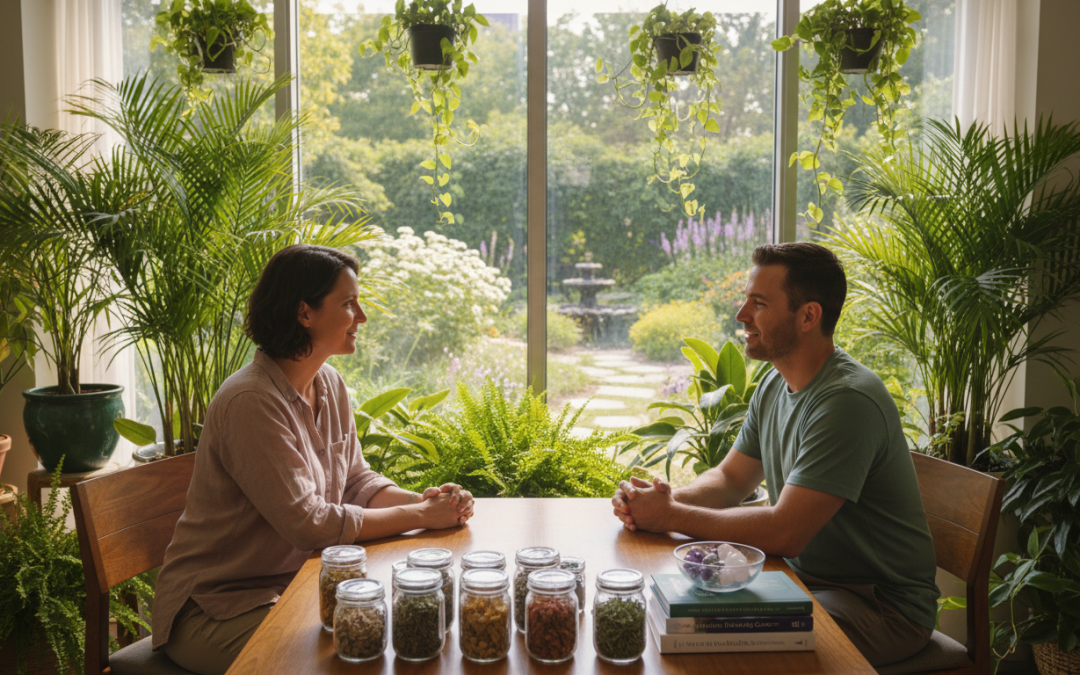
I remember sitting with a new patient, overwhelmed by her recent diagnosis. The focus was solely on the tumor, the next scan, the harsh treatment schedule. She felt like a set of symptoms, not a whole person. This is a story I hear too often.
This experience mirrors why experts like Dr. Naoki Umeda of the Cleveland Clinic emphasize a fundamental shift. He advocates for focusing on the whole person to promote the best possible results. It’s about more than just fighting disease; it’s about supporting the individual through every step.
In my years of practice, I’ve seen how this integrated approach transforms the journey. It weaves together nutrition, mind-body techniques, and emotional support with conventional medical care. This guide explores how these diverse modalities create a more comprehensive and empowering healing process.
We will look at how addressing physical, emotional, and spiritual needs can change the experience of a complex diagnosis. My aim is to cut through the noise and provide a clear, research-informed path forward for those ready to take an active role in their health and recovery.
Key Takeaways
- Modern cancer care is evolving to treat the whole person, not just the disease.
- Integrating supportive therapies can significantly improve a patient’s quality of life during treatment.
- Emotional and spiritual well-being are critical components of a complete healing plan.
- Patients have the power to become active participants in their own recovery journey.
- Current research provides strong support for comprehensive, integrative care models.
- This guide serves as a roadmap for navigating the many supportive options available.
- A collaborative partnership between patient and care team leads to stronger, more sustainable health outcomes.
Understanding Holistic Oncology Practices
In my consultations, a common question arises: what exactly is the difference between integrative and alternative cancer treatments? This section clarifies these terms and outlines their core benefits.
Defining Integrative and Alternative Cancer Treatments
I define complementary alternative medicine as a set of practices used alongside standard care. The key distinction lies in how they are applied.
As Dr. Naoki Umeda emphasizes, it’s about focusing on the whole person, not just physical symptoms. Integrative methods work with conventional plans, while alternative ones are used instead.
| Approach | Definition | Primary Goal |
|---|---|---|
| Integrative Medicine | Combines evidence-based complementary therapies with conventional cancer care. | Enhance overall well-being and mitigate side effects without interfering. |
| Alternative Medicine | Used in place of standard medical treatments. | Often seeks to treat the disease itself through non-conventional means. |
Benefits and Goals for Cancer Patients
The primary goal is to support the patient without disrupting the main treatment plan. We address specific needs like fatigue, stress, and pain.
This is crucial because, as Dr. Shoemaker notes, cancer often becomes a chronic disease. The burden of therapy can last long after active treatment ends.
Integrative oncology is essential to reduce the long-term burden of cancer-directed therapies.
By managing cancer as an ongoing health challenge, we can better sustain a person’s quality of life throughout recovery.
Alternative Cancer Treatment Approaches at Conners Clinic
At our clinic, we recognize that each patient’s journey demands a personalized strategy. This is why we focus on alternative cancer treatment options designed for unique biological profiles.
Innovative Therapies and Patient-Centered Care
At Conners Clinic, we evaluate innovative therapies that support the body’s natural healing. Our goal is to enhance conventional medical interventions, not replace them.
We provide reliable information to help people distinguish evidence-based practices from unproven trends. This empowers them to make informed choices for their health.
Integrating Complementary Alternative Medicine with Conventional Treatments
Integrating complementary alternative medicine requires careful coordination. The patient and their oncology team must work together for safety and efficacy.
I encourage patients to contact the Patient Resource Center at the Taussig Cancer Building. They can call 216-445-2273 to learn about available integrative programs.
This collaborative effort helps manage the complex nature of cancer treatment and supports overall well-being.
Exploring Holistic Oncology Practices
Evidence-based strategies form the cornerstone of any trustworthy integrative cancer program. This exploration focuses on methods grounded in rigorous research, not anecdote.
Key Principles and Evidence-Based Approaches
The central principle is to treat the whole person. This means addressing the tumor while actively supporting a patient’s physical and emotional well-being.
Combining standard cancer care with integrative strategies better manages side effects. For instance, research confirms supportive care like nutrition and exercise can ease chemotherapy-induced nausea and fatigue.
My approach creates a personalized plan for each individual. We respect the patient’s history and their specific goals for long-term health.
We continuously monitor these integrative therapies. This ensures they positively contribute to the overall treatment outcomes.
Mind and Body Therapies Enhancing Quality of Life
The connection between mental state and physical health is never more critical than during a cancer journey. This integrated approach directly supports a person’s well-being throughout treatment.
Meditation, Yoga, and Mindfulness
I often recommend structured programs to help manage stress. For example, Memorial Sloan Kettering (MSK) offers an 8-week mindfulness-based stress reduction (MBSR) course.
This program teaches techniques to reduce anxiety and depression. Yoga, an ancient practice, also improves strength and mood. Together, they foster resilience and a better quality of life for patients.
Acupuncture and Acupressure for Symptom Relief
These traditional Chinese medicine techniques are valuable for managing specific side effects. I suggest them for relieving chemotherapy-induced neuropathy, pain, and nausea.
They work by stimulating the body’s natural pain-relief pathways. This non-pharmacological support can make conventional care more tolerable. It empowers individuals in their daily lives.
By weaving these therapies into a plan, we address the whole person. This emotional and physical support is a cornerstone of modern integrative oncology.
Naturopathic and Lifestyle Medicine Strategies
I often begin nutrition consultations by highlighting one clear, evidence-based fact: avoiding alcohol significantly reduces cancer risk. This is a powerful example of how daily lifestyle choices form the bedrock of long-term resilience and recovery.
This approach moves beyond single interventions. It builds a comprehensive foundation for health that supports the body during and after cancer treatment.
Nutrition, Supplements, and Dietary Considerations
My dietary advice focuses on whole, nutrient-dense foods. These choices help manage the adverse effects of standard care and fuel the body’s innate healing processes.
A critical part of this medicine involves managing supplements and herbs. I always advise patients to discuss any new regimen with their oncologist. This prevents dangerous interactions with cancer medications.
We use specialized databases to evaluate vitamins and herbs. This ensures every recommendation is safe, evidence-based, and tailored to the individual patient.
- Lifestyle factors, like avoiding alcohol, are proven to lower the risk of several common cancers.
- Food is medicine: prioritize anti-inflammatory, phytonutrient-rich foods to support cellular health.
- Transparency is key. Always disclose all supplements to your entire care team.
This alternative medicine strategy empowers patients. By making informed choices, they take active control of their health and build lasting resilience against disease.
Interactive Culinary Medicine and Nutritional Guidance
One of the most immediate challenges my patients face during therapy is a sudden shift in how food tastes. This common side effect can make eating feel like a chore, threatening proper nutrition.
To tackle this, I collaborate with chefs and nutritionists from leading centers. We provide interactive culinary medicine classes. These sessions teach creative ways to prepare meals that appeal to altered palates.
Addressing Treatment-Related Taste Changes
Our classes focus on practical, hands-on solutions. We address specific dietary needs to help patients maintain their strength. The goal is to ensure they get the ideal intake of nutrients for recovery.
Learning to work with herbs, spices, and different textures can reignite the joy of eating. This directly supports a better quality of life during cancer treatment.
My guidance also includes one-on-one sessions with licensed dieticians. We create personalized plans that manage the side effects of care. This medicine approach empowers each patient to take control of their nutrition.
By making healthy eating accessible, we turn a daily struggle into an empowering part of the healing journey.
Integrative Oncology in Conventional Cancer Care
The work of pioneers like Dr. Patrick Richard illustrates a powerful shift towards collaborative, multi-modal cancer care. As a radiation oncologist at RMCC Boulder, he leads an initiative blending naturopathic treatments with standard conventional cancer protocols.
Combining Chemo, Radiation, and Alternative Therapies
Dr. Richard, who completed the Integrative Oncology Scholars Program at the University of Michigan, focuses on the long-term implications of cancer and its treatment. His work, supported by the National Cancer Institute, demonstrates a whole-body approach.
I believe this integration is key for modern patients. Combining chemotherapy and radiation with complementary alternative medicine can improve both tolerance and efficacy.
My goal is to bridge the gap between diverse professional disciplines, ensuring that patients receive a coordinated and respectful team-based approach to their health.
This model provides more than just standard therapy. It addresses the big picture of a patient’s recovery and long-term wellness. By integrating these therapies, we offer a more complete form of medicine and support.
Patient Empowerment Through Personalized Treatment Options
The most transformative moments in my clinic occur when individuals realize they hold significant power over their healing process. This shift from passive recipient to active leader is the core of modern, compassionate care.
Engaging Patients in Their Healing Journey
I empower my patients by involving them in every decision. This helps them see they are active participants, not just spectators. Dr. Patrick Richard notes that people feel more empowered when they participate in fighting their own battle through nutrition, sleep, and exercise.
By offering personalized treatment options, we allow individuals to focus on factors they can control. Taking charge of daily health choices often leads to better outcomes and a more positive experience during cancer treatment.
My role is to provide clear information. This enables each patient to choose therapies that align with their personal goals. We move people away from feeling like passive recipients.
We encourage them to fight their battle with confidence. For a deeper look at this model, explore this resource on integrative oncology empowering patients. This collaborative approach is the future of effective oncology.
Combining Evidence-Based Conventional and Alternative Treatments
True healing in cancer care emerges when conventional and complementary strategies are woven together seamlessly. This synergy supports the whole person, not just the disease.
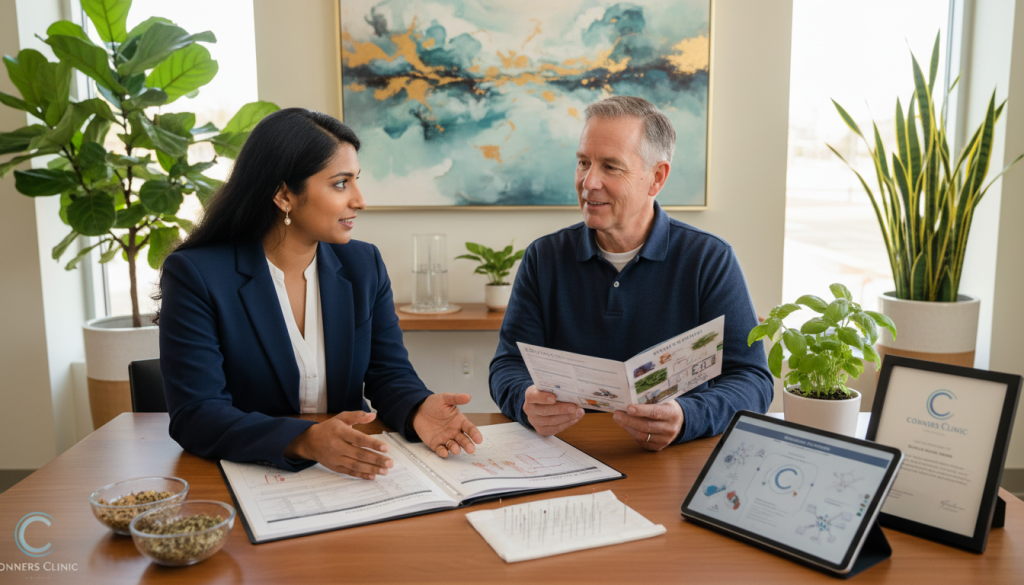
Synergy Between Standard Therapies and Holistic Approaches
I advocate for a model where evidence-based conventional cancer treatments and complementary alternative medicine work in concert. Dr. Patrick Richard exemplifies this by collaborating with diverse experts to factor in quality of life and long-term health.
His team holds monthly meetings to ensure communication and mutual respect across all entities involved in a patient’s care. This breaks down the traditional barriers of conventional treatment centers.
| Treatment Component | Supportive Role | Synergistic Benefit |
|---|---|---|
| Chemotherapy/Radiation | Primary disease control | Targets cancer cells directly |
| Nutritional Guidance | Manages side effects, boosts immunity | Enhances tolerance and efficacy |
| Psychosocial Support | Addresses emotional stress | Improves adherence and quality of life |
My focus extends to foundations like community and psychosocial support. These are powerful complements to traditional cancer therapies.
We aim to create a multi-disciplinary cancer care team that looks at the patient’s overall health. Guided by integrative oncology principles, we ensure these approaches enhance, not replace, standard care. For those seeking this balanced path, explore our resource on personalized cancer care.
Mental Health and Emotional Support in Cancer Recovery
Navigating the mental landscape of cancer recovery requires dedicated strategies beyond medical interventions. The emotional weight of a diagnosis can deeply affect a person’s well-being and their capacity to heal.
Stress-Relieving Practices and Support Systems
I recommend structured programs to address this need. For instance, Memorial Sloan Kettering’s music therapy program is a powerful tool. It helps improve brain health, coordination, and resiliency for people in treatment.
This form of therapy requires no prior musical experience from the patient. It fosters emotional connections and provides a creative outlet for expression. Managing anxiety is another critical focus.
Practices like meditation and therapeutic massage are essential. They help calm the nervous system during a challenging diagnosis and recovery. My approach always includes connecting individuals with robust support systems.
We ensure patients feel heard and understood throughout their entire journey. This addresses their mental health directly. By focusing on the profound link between mind and body, we help people find strength and hope.
This is vital even during the most difficult phases of cancer care. We also provide concrete resources for symptom relief and relaxation. These tools are fundamental for maintaining a high quality of life during the recovery process.
This integrated support is a cornerstone of modern, compassionate oncology. It empowers patients to navigate their path with greater resilience and emotional balance.
Case Studies: Holistic Oncology Practices in Action
Documented case studies provide the most compelling evidence for the effectiveness of whole-person care. They move beyond theory to show real-world impact.
Success Stories from Leading Cancer Centers
Early responses to integrative treatments at centers like RMCC are positive. Patients report higher satisfaction and better health outcomes during their treatment journey.
My analysis confirms that a coordinated team improves the patient experience. Empowered individuals are more likely to follow their plan and reach their goals.
| Center | Program Focus | Reported Improvement |
|---|---|---|
| RMCC Boulder | Multi-disciplinary integrative care | High patient satisfaction scores |
| Major Academic Center | Mind-body therapies | Better tolerance of cancer therapy |
| Community Clinic Network | Nutritional & lifestyle support | Enhanced overall health metrics |
We document these stories to refine our methods. This ensures the best possible care for future patients. These examples prove the value of focusing on total well-being, not just the cancer.
Monitoring and Assessing Integrative Treatment Outcomes
Assessing the long-term impact of combined conventional and supportive therapies is a dedicated process. I approach it with specific tools and consistent patient dialogue.
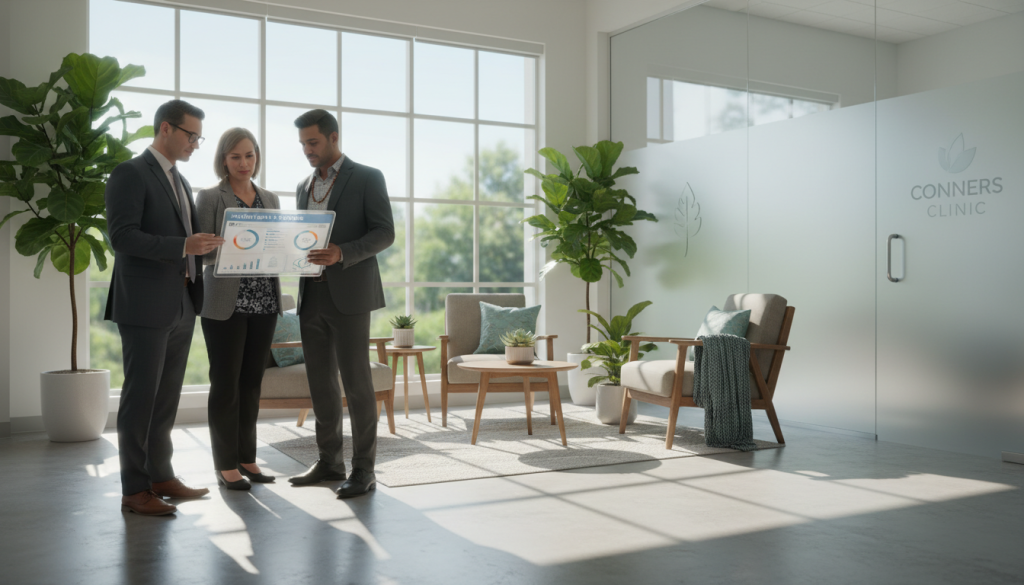
This ensures every integrative treatment plan remains effective, safe, and aligned with the individual’s evolving needs. We aim to support patient health well beyond the initial phase of active cancer care.
Tools and Strategies for Long-Term Health
I utilize structured assessments to monitor progress. Regular check-ins evaluate how well someone tolerates both standard and complementary treatments.
Dr. Patrick Richard notes that while long-term survivorship data is still emerging, the integrative approach shows great promise. We are committed to gathering our own data to understand its efficacy.
Open communication lets us adjust the care plan as needed. This is vital for achieving the best possible outcomes. For a deeper dive into the research supporting this model, review this study on integrative care models.
| Monitoring Tool | Purpose | Frequency |
|---|---|---|
| Symptom & Quality of Life Surveys | Tracks fatigue, pain, mood, and daily function. | Monthly / Each visit |
| Biomarker & Lab Analysis | Monitors nutritional status, inflammation, and organ function. | As per treatment protocol |
| Structured Patient Interviews | Captures subjective experiences and personal goals. | Quarterly |
| Care Plan Review Sessions | Aligns all therapies and adjusts based on outcomes. | Every 3-6 months |
This systematic approach helps patients feel supported throughout their journey. It transforms cancer management into a collaborative, responsive process. Building a strong foundation is key, which is why I often direct patients to begin with a personalized assessment.
Challenges and Future Directions in Integrative Oncology
Looking ahead, the field of integrative cancer care must confront two pivotal challenges: accessibility and innovation. Progress depends on making supportive therapies available to all while advancing the science behind them.
Managing Insurance and Accessibility Issues
A major hurdle is cost. Dr. Patrick Richard highlights that high out-of-pocket expenses and limited insurance coverage block many patients.
This financial burden can make alternative medicine options feel out of reach. We hope broader acceptance will ease this strain.
My team is acting now. We provide navigators to help coordinate multi-disciplinary care. This reduces the overwhelm of a complex treatment plan.
Emerging Research and Innovative Therapies
My focus stays on new research. We need innovative therapies to mitigate the adverse effects of conventional cancer treatments like radiation.
Studying these interventions is key to proving their efficacy and safety. This builds a stronger foundation for comprehensive support.
By tackling these issues, we aim for a future where every patient has the tools needed for a stronger recovery.
Embracing a Journey of Holistic Wellness
I believe every person facing a cancer diagnosis deserves a care plan that honors their whole self. You have the power to become an active leader in your treatment and recovery process.
Integrating evidence-based conventional care with supportive medicine can improve your quality of life and overall health outcomes. This whole-body approach addresses more than just the disease.
Remember, you are not alone. Many specialists and resources exist to support your unique needs. I hope this guide has given you the information and confidence to discuss these options with your team.
Your commitment is a powerful step toward reclaiming your strength for the future.
FAQ
What exactly is integrative oncology?
Integrative oncology is a patient-centered model of care that thoughtfully combines conventional cancer treatments, like chemotherapy and radiation, with evidence-based complementary therapies. I view it as a comprehensive strategy that addresses the whole person—body, mind, and spirit—to manage symptoms, improve quality of life, and support the body’s innate healing capacity during and after treatment.
How can therapies like acupuncture help someone undergoing conventional cancer treatment?
In my practice, I often recommend acupuncture as a powerful tool for managing treatment-related adverse effects. Research and clinical experience show it can be highly effective for reducing chemotherapy-induced nausea, alleviating pain, and decreasing cancer-related fatigue. It works with the body’s own systems to promote balance and relief, offering a non-pharmaceutical option for symptom control.
Are dietary changes and supplements safe during cancer therapy?
This is a critical question. While nutrition is foundational to health, not all supplements are safe during active therapy, as some can interfere with efficacy. I always develop a personalized plan that focuses on whole-food, anti-inflammatory dietary strategies to strengthen the body. Any supplement use is carefully evaluated based on current research, the specific treatment plan, and the patient’s unique needs to avoid interactions and support recovery.
Can mind-body practices really impact my treatment outcomes?
Absolutely. Mental and emotional health are deeply connected to physical health. Practices like meditation, mindfulness, and gentle yoga are proven to lower stress hormones, which can create a less favorable environment for disease progression. By reducing anxiety and improving coping skills, these therapies enhance your quality of life and can positively influence your overall resilience and response to care.
How do you integrate these approaches with my standard oncology plan?
Integration is key. I work as part of your care team, communicating directly with your oncologist or other specialists. Our goal is to create synergy. For instance, we might use specific naturopathic strategies to protect healthy cells during radiation or employ lifestyle medicine to help your body better tolerate chemotherapy, aiming to improve outcomes and reduce the risk of recurrence.
What are the biggest challenges in accessing this type of care?
The two primary hurdles are insurance coverage and finding qualified practitioners. Many complementary therapies are not yet fully covered by insurance, which can affect accessibility. Furthermore, it’s essential to seek care from licensed professionals with specific experience in integrative cancer care, like those at specialized centers such as Conners Clinic, to ensure safety and efficacy alongside your conventional treatments.