
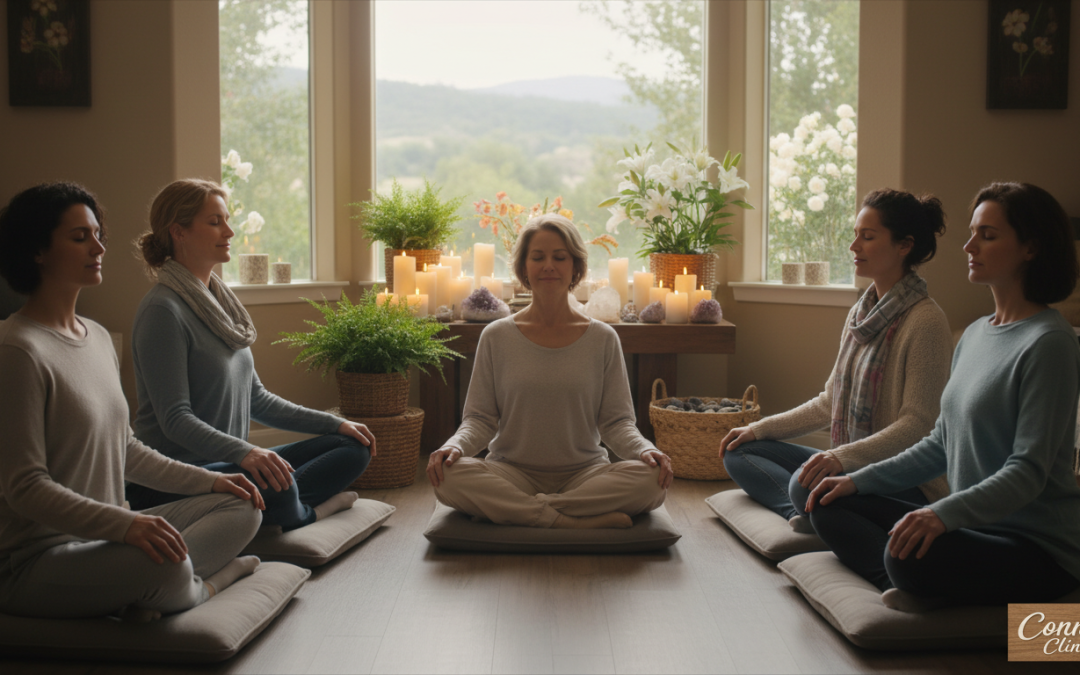
I remember a woman, a vibrant teacher, who sat across from me after her diagnosis. The fear in her eyes was palpable. Yet, as we talked, she described the quiet moments of prayer and reflection that gave her a sense of calm. Her story isn’t unique.
Data from Pew Research shows more than 9 in 10 American adults believe in a higher power. This belief often forms the bedrock of how people approach their quality life, especially during a health crisis.
As an expert in integrative health, I have witnessed this firsthand. Spirituality and religion provide a vital source of comfort for many individuals facing serious illness. They help build emotional resilience when it’s needed most.
My goal is to help you understand how integrating these personal practices can transform your journey. It’s about finding hope and inner peace to complement your medical care. This holistic approach supports the whole person.
Key Takeaways
- Belief in a higher power is a common source of strength for many adults.
- Personal spiritual practices can offer significant emotional comfort during illness.
- Integrating these approaches with medical treatment may improve overall well-being.
- Finding inner peace is a powerful tool for navigating a difficult diagnosis.
- A holistic view of care addresses the mind, body, and spirit together.
- Hope is an essential component for anyone on a healing journey.
- Professional guidance can help safely blend these supportive practices.
Understanding Spiritual Healing and its Role in Cancer Care
The journey through illness frequently prompts deep questions about one’s place in the world. This search for meaning becomes a cornerstone for many navigating a serious cancer diagnosis. In this context, the role of supportive practices is to provide a framework for exploring existential concerns.
Defining Spiritual Healing in the Context of Cancer
In my work, I define spirituality as an individual’s sense of peace, purpose, and connection. It is distinct from the organized beliefs and practices of religion. This personal dimension is often where people find strength when their core beliefs about life are tested.
| Aspect | Spirituality | Religion |
|---|---|---|
| Primary Focus | Personal meaning and inner peace | Organized doctrine and community rituals |
| Structure | Fluid and individual | Formal and institutional |
| Source of Meaning | Connection to self, others, nature | Adherence to specific teachings |
| Common Practices | Meditation, reflection, mindfulness | Prayer, worship, sacraments |
Historical and Cultural Perspectives
Historically, diverse cultures have developed rituals to comfort the spirit during physical trials. From Native American ceremonies to Eastern contemplative traditions, addressing the non-physical aspect of a person has long been recognized as vital for stability.
“The will to meaning is the primary motivational force in man.”
Understanding this history helps us appreciate the universal need to integrate such care into modern health approaches for patients.
Exploring Alternative Cancer Treatment Options at Conners Clinic
Modern oncology is increasingly recognizing the value of a multi-faceted strategy. This approach looks beyond standard protocols to support the individual’s entire journey. For many, this leads to exploring reputable centers like Conners Clinic.
Overview of Integrative Approaches
At Conners Clinic, the philosophy centers on integrative cancer treatment. This means we address the whole person, not just the physical disease. Our methods combine advanced medical therapies with supportive strategies for health.
This holistic model considers nutrition, detoxification, and emotional support. The goal is to create a robust foundation for the body’s own healing mechanisms. It’s a comprehensive plan tailored to each person’s unique needs.
How Alternative Treatments Complement Conventional Care
Alternative options are not replacements for standard treatment. Instead, they work alongside conventional cancer care. This synergy aims to reduce side effects and enhance overall well-being.
My clinical perspective confirms that combining these approaches improves quality of life. It empowers patients within their healing process. I encourage reviewing the resources at Conners Clinic to understand how these cancer treatment options can be safely integrated.
Spiritual Healing for Cancer Patients: Key Principles
Many individuals discover that their most profound resources for coping are rooted in personal conviction and inner reflection. This search forms the bedrock of key principles that guide a holistic journey. It involves connecting to something larger than oneself, which provides a crucial sense of purpose.
The Essence of Spirituality in Healing
In my clinical experience, the essence of spirituality lies in establishing a deep connection to something beyond the self. This connection provides a vital sense of purpose. It helps answer fundamental questions about why we are here and what matters most.
This process is not about dogma, but about finding personal meaning. For many, it becomes a source of unwavering strength. I’ve seen it transform how people navigate their challenges.
Core Beliefs and Practices in Spiritual Healing
I have observed that core beliefs often shift during a health crisis. Individuals naturally prioritize faith and internal reflection as part of their daily practices. These routines are deeply personal and vary widely.
By focusing on these principles, one can cultivate a steady inner peace. This peace remains constant even when physical life feels chaotic. It’s about building a resilient foundation from within.
My professional recommendation is to identify the specific beliefs that bring you comfort. These will serve as the cornerstone for your supportive journey. Start with simple moments of quiet reflection or gratitude.
The Impact of Spirituality on Coping with Cancer
In my practice, I observe that a strong sense of purpose profoundly influences how people handle medical challenges. This personal foundation is crucial for managing the intense emotional load a diagnosis brings. It directly shapes one’s ability to cope.
Emotional and Mental Health Benefits
Research and my clinical experience confirm that spiritual well-being can decrease feelings of anxiety, depression, and anger. This inner resource helps individuals adjust to physical changes and treatment side effects.
It fosters a positive mental attitude. People often report finding moments of joy even during difficult interventions.
| Emotional Challenge | Role of Spirituality | Observed Outcome |
|---|---|---|
| High Anxiety | Provides a calming anchor and perspective | Reduced stress levels and improved sleep |
| Feelings of Depression | Offers hope and a sense of meaning | Increased motivation and engagement in care |
| Sense of Isolation | Creates connection to something larger | Decreased loneliness and enhanced social support |
| Overall Well-being | Improves quality of life | Greater reported satisfaction and peace |
Perspectives from Patients and Caregivers
I have seen this well-being significantly improve the daily experience for both individuals and their family caregivers. When engaged in spiritual coping, they often describe a greater resilience.
This shared strength helps the entire support network navigate the journey with more grace. It turns a focus from fear to manageable hope.
Integrative Approaches and Patient Experiences
Evidence from recent studies highlights the growing adoption of mind-body techniques among those undergoing medical care. This trend reflects a desire for a more holistic way to manage the challenges of treatment.
I see this daily in my practice. Individuals seek methods that address both physical discomfort and emotional strain.
Complementary Therapies in Practice
A 2018 study found 26% of women with breast cancer utilized mind and body therapy. These practices help manage symptoms effectively.
I often recommend healing touch and oncology massage. Another 2018 analysis confirmed these methods help patients relieve pain immediately.
| Therapy | Primary Benefit | Research Support |
|---|---|---|
| Mind-Body Techniques | Symptom Management | 2018 study shows 26% adoption rate |
| Healing Touch | Immediate Pain Relief | 2018 study confirms efficacy |
| Oncology Massage | Reduces Stress & Discomfort | Widely reported positive patient experiences |
Real Stories from the Healing Journey
Many share how these therapies provided a calm environment. It allows a temporary escape from hospital stress.
“The massage session was the first time I felt relaxed in weeks. It gave me a break from the constant worry.”
These integrative approaches aim to improve overall quality life. While more research is needed, positive experiences suggest these complementary methods are valuable.
They form a crucial part of a holistic care plan for many patients on their journey.
Scientific Research and Evidence Supporting Spiritual Healing
Researchers are now rigorously examining how personal belief systems influence health outcomes. The field of integrative oncology is paying closer attention to this data.
I follow this literature closely to separate anecdote from evidence. It helps me provide grounded recommendations.
Key Studies and Their Findings
A notable 2012 study involved twelve women with breast cancer. It demonstrated that a specific supportive therapy led to fewer treatment side effects.
Participants also reported higher energy levels. This is a promising finding from a small trial.
Another 2012 review analyzed four trials on therapeutic touch for surgery wounds. It showed mixed results for physical healing.
This highlights the need for more rigorous studies with larger groups. Not every investigation yields clear positive data.
Evaluating Clinical Outcomes and Patient Quality of Life
I emphasize that evaluating success requires a broad view. We must look beyond just physical markers.
The reported quality life during a person’s journey is a crucial metric. Recent studies suggest these practices may reduce stress.
They promote emotional relaxation for many patients. This directly supports overall well-being.
It is vital to interpret each study with care. The evidence is growing but still evolving.
In my professional view, these approaches are best used as a complementary practice. They support the whole person during medical care.
The Intersection of Faith, Meditation, and Healing
One of the most consistent observations in my work is the transformative effect of combining a core belief system with disciplined inner quiet. This intersection is where many individuals report a significant enhancement of their overall well-being.
How Meditation Enhances Spiritual Well-being
I recommend meditation as a powerful tool for creating a sense of peace. It allows people to find a stable center even during immense physical challenges.
Regular practice can deepen one’s personal faith. It becomes a vital part of the recovery journey, offering a private space for reflection and connection.
Through mindfulness, individuals often improve their quality of life. They feel better equipped to handle the emotional waves that accompany serious illness.
This integration nurtures the spirit alongside the body. It fosters a holistic approach to the healing journey, building resilience from within.
Techniques to Enhance Spiritual and Emotional Well-being
The natural world offers a profound backdrop for restoring emotional balance and spiritual connection. A study at Kyoto University found that nature-based treatments like gardening and forest-bathing were beneficial. These activities significantly improved the spiritual well-being of individuals facing serious illness.
By dedicating time to these practices, one can reduce stress levels. It fosters a more positive outlook on the recovery process.
Mindfulness Practices and Meditation Techniques
Mindfulness is an essential technique that helps people stay present. This is a key factor in maintaining a high quality life during medical challenges.
I recommend starting with simple meditation. Focus on your breath for a few minutes each day. This creates a stable center amidst physical uncertainty.
Regular meditation practice builds emotional resilience. It provides a necessary space for release and inner growth.
Incorporating Prayer and Rituals in Daily Life
I also suggest weaving personal prayer and rituals into your routine. This maintains a sense of grounding while navigating treatment.
Whether through silent prayer or structured ceremony, these acts offer comfort. They connect you to a deeper sense of purpose.
These daily practices support overall well-being for many patients. They are simple tools for enhancing your journey.
Recognizing and Addressing Spiritual Distress in Cancer Patients
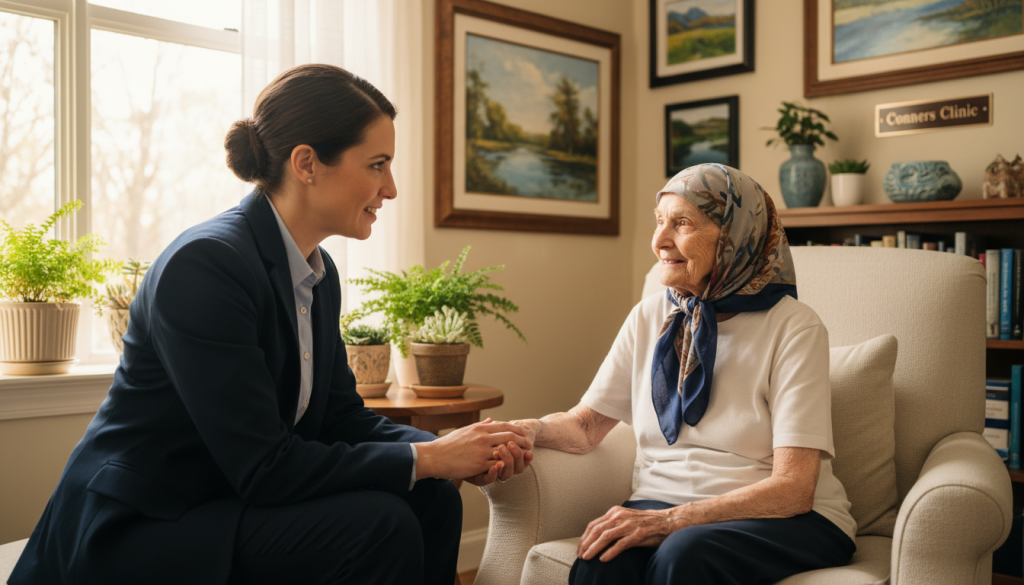
A diagnosis often triggers a profound internal crisis, where fundamental beliefs are shaken to their core. This state, known as spiritual distress, is common during serious illness like cancer. I see it frequently in my work with patients facing this challenge.
Identifying Signs of Spiritual Distress
Individuals may express feeling punished or abandoned by a higher power. They often struggle with deep questions about why they are suffering.
Other signs include a pronounced loss of faith or a sense of meaninglessness. Social withdrawal from community or loved ones is also a key indicator.
| Sign of Distress | Common Expression | Recommended Intervention |
|---|---|---|
| Feeling Punished | “Why is this happening to me?” | Validate feelings and listen without judgment |
| Loss of Faith | “I don’t believe anymore.” | Connect with a chaplain or spiritual counselor |
| Existential Questions | “What is the meaning of this?” | Facilitate open, non-judgmental discussion |
| Social Withdrawal | Avoiding community and support systems | Encourage gentle, gradual re-engagement |
Interventions and Support Strategies
I work closely with individuals to identify these signs early. Addressing this distress is crucial for maintaining overall quality of life.
Effective support strategies often involve connecting people with professional chaplains or counselors. These experts help navigate difficult existential questions.
Providing a safe, confidential space for discussion is a vital intervention. Through compassionate support, individuals can move through their distress. They often find a renewed sense of peace and acceptance.
Implementing Spiritual Assessments in Cancer Care
Effective oncology teams understand that comprehensive care extends beyond lab results and imaging scans. It requires a holistic view of the person, including their inner resources and beliefs.
Tools and Methods for a Spiritual Assessment
I integrate structured tools like the FICA Spiritual History Tool into my initial consultations. This allows our cancer care team to understand the unique preferences and needs of each patient.
The HOPE questions for Mind and Spirit are another method I use. They help reveal what an individual finds meaningful and what brings them joy.
Facilitating Open Communication with Patients
This assessment process is the foundation for open dialogue. It ensures every patient feels heard and respected from the very start of their journey.
By asking the right questions, we can better tailor our cancer care. We honor the individual beliefs of our patients throughout their treatment.
This standard practice supports not just the physical disease, but the whole person. It is a vital part of supporting a patient‘s quality life during cancer treatment.
The Role of Health Care Providers in Integrative Spiritual Care
Medical training often focuses intensely on biology, leaving little room for discussions about a person’s inner life. Dr. Raymond Wadlow, an oncologist, notes that physicians are not always taught to discuss this dimension. This gap presents a key opportunity for the oncology team.
Strategies for Incorporating Spirituality into Treatment Plans
The primary role of the health care team is to recognize this aspect as a core component of a patient’s overall well-being. I advise teams to be openly receptive when individuals pose deeper questions about meaning.
| Team Member | Primary Role | Key Action | Expected Outcome |
|---|---|---|---|
| Oncologist | Lead medical care | Initiate respectful conversation; acknowledge spiritual health as part of care | Patient feels seen as a whole person, not just a diagnosis |
| Nurse Navigator | Coordinate support | Assess needs and connect patients to appropriate resources like support groups | Streamlined access to emotional and spiritual guidance |
| Chaplain/Spiritual Counselor | Provide expert guidance | Offer confidential space for exploration of beliefs and coping | Enhanced emotional resilience and inner peace |
A proactive strategy includes referring individuals to chaplains when they seek deeper guidance. This collaborative environment ensures support extends beyond physical treatment.
By integrating these steps, the team directly supports a person’s quality of life and holistic healing efforts.
Balancing Conventional Treatments with Spiritual Healing Practices
The most effective care plans I design are those that harmonize medical science with personal belief. This balanced approach is a safe and effective way to support individuals during their journey.
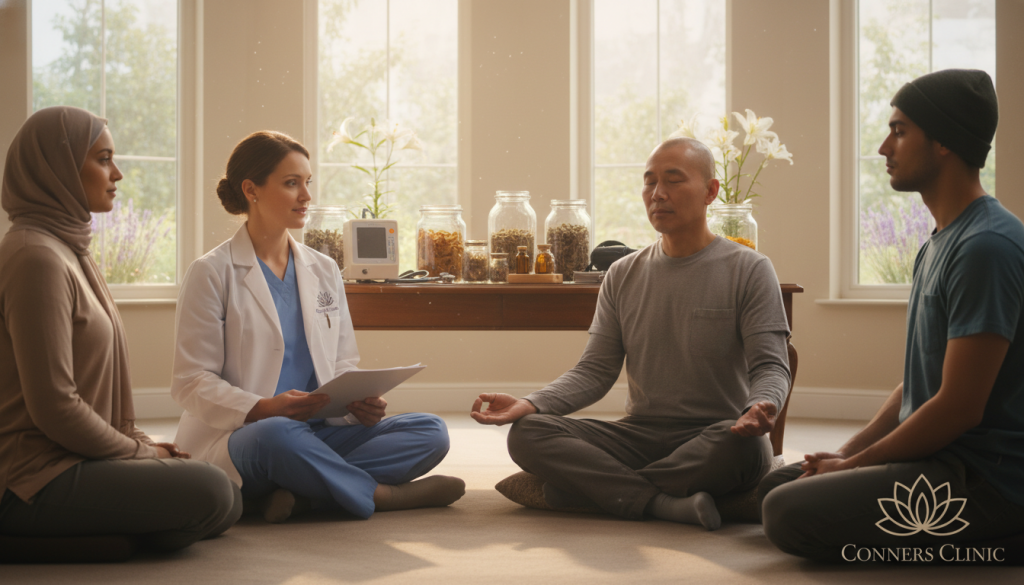
I advise transparency with the medical team about any personal practices. This ensures a cohesive treatment plan.
Understanding the Complementarity of Therapies
Seeing these methods as complementary allows a patient to feel more in control. It supports overall health without interfering with necessary protocols.
Many physicians now accept these supportive additions to standard cancer treatment. My goal is to help integrate them to enhance your quality of life.
This complementary model does not replace essential medical treatment. Instead, it works alongside conventional cancer care to improve well-being.
For patients, understanding this synergy can reduce anxiety. It fosters a proactive way to navigate their situation.
Open communication with your oncology team is crucial. Discussing your personal practices helps tailor your treatment for the best outcome.
Harnessing Community Support in the Healing Process
One aspect of care that is often underestimated is the power of a connected group. I see its impact daily in my practice. A strong network provides emotional ballast and practical encouragement.
This collective strength is a cornerstone for maintaining a high quality life during medical treatment. It turns a solitary journey into a shared experience.
The Role of Faith-Based Groups and Support Communities
Organized group settings, like faith-based circles, offer structured support. They provide a safe space for sharing fears and hopes.
These community gatherings foster a profound sense of belonging. Members often find their resolve strengthened by shared belief.
| Type of Group | Primary Focus | Key Benefit |
|---|---|---|
| Faith-Based Prayer Group | Shared spiritual practice and fellowship | Deepens connection and provides hope |
| Cancer Support Group | Disease-specific experience sharing | Reduces isolation with peer understanding |
| General Wellness Community | Holistic health and lifestyle education | Promotes proactive self-care habits |
Each type serves a unique need. I guide individuals toward the community that aligns with their personal values.
Building a Network for Ongoing Spiritual and Emotional Support
I encourage every patient to proactively build their support system. Start by identifying one or two trusted confidants.
A hospital chaplain is a vital resource for this. They can connect patients with local organizations offering specific aid.
“We are stronger together than we are alone.”
This network becomes a lifeline. It ensures ongoing support is available throughout the entire cancer treatment journey.
By engaging with a community, individuals realize they are not alone. This awareness is a powerful catalyst for continued healing.
Embracing Hope and Transformation Through Spiritual Healing
As we conclude, consider this: your inner resources are the most powerful allies in your recovery. Embracing hope can lead to profound transformation, even when facing a tough cancer diagnosis.
I believe that nurturing your faith and engaging in prayer can become a steady source of strength. This sustains patients through every stage of life.
This personal way helps you discover what truly matters. It supports your quality life despite physical limits of cancer.
Remember, this approach is an integral part of your journey. It offers peace that transcends medical treatment among patients with cancer.
I encourage you to stay open to change. Your spirit can guide you toward continued healing and well-being in your life.
FAQ
What is the role of spirituality in oncology care?
In my practice, I see spirituality as a vital component of whole-person care. It addresses a person’s search for meaning, purpose, and connection, which often becomes central after a serious diagnosis. This dimension can profoundly influence coping mechanisms, emotional resilience, and overall quality of life during conventional treatment.
How do practices like meditation support individuals during treatment?
Techniques such as mindfulness meditation are powerful tools. They help calm the nervous system, reduce anxiety, and improve emotional regulation. By fostering a present-moment awareness, these practices can lessen the distress associated with illness and its management, providing a sense of inner stability.
Is there scientific evidence supporting these integrative approaches?
A> Yes, numerous peer-reviewed studies indicate positive outcomes. Research often shows that addressing spiritual well-being is linked to better pain management, lower rates of depression, and improved reported quality of life. These findings support integrating such support into a comprehensive care plan.
Can these beliefs and practices interfere with my standard medical treatments?
Absolutely not. When properly integrated, they act as complementary support. I always advise that spiritual and emotional care should work alongside, not replace, evidence-based medical interventions like chemotherapy or radiation. It’s about treating the person, not just the disease.
What might a spiritual assessment involve in a clinical setting?
It typically involves open-ended questions from your care team about your sources of strength, personal beliefs, and what gives your life meaning. This isn’t about religion; it’s about understanding your inner resources to better support your holistic healing journey and identify any unmet needs.
How can community or faith-based groups aid in recovery?
A strong support network is invaluable. These communities offer practical help, emotional solidarity, and a shared sense of purpose. This collective support can alleviate feelings of isolation, providing sustained encouragement and hope throughout the challenges of illness.