
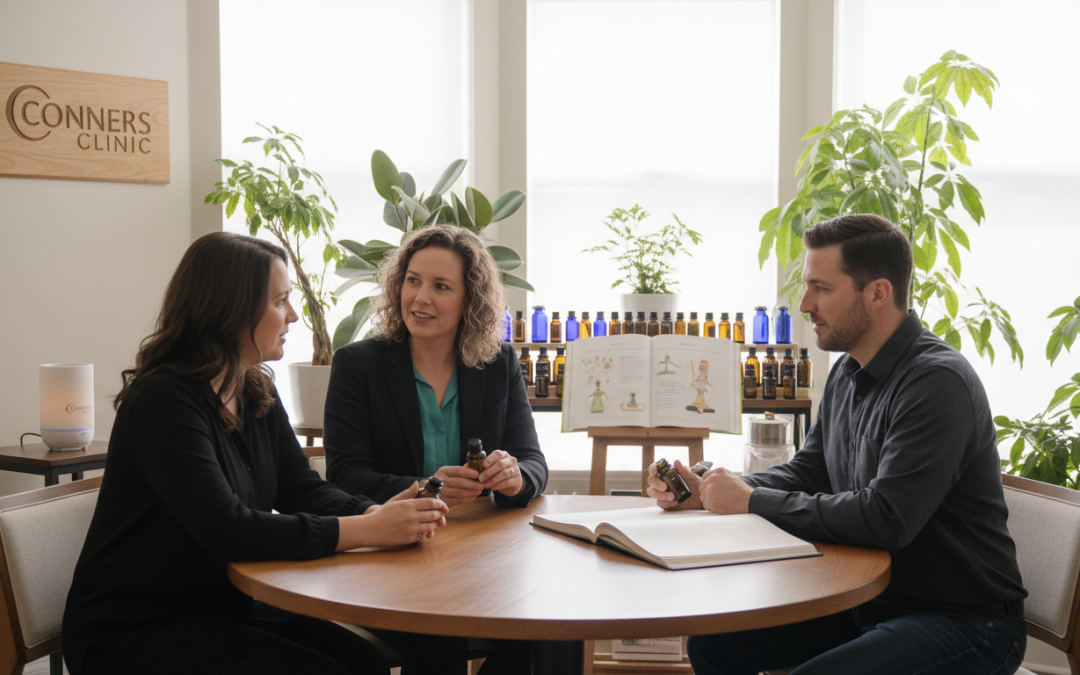
I remember Sarah, a vibrant artist, sitting in my office after her diagnosis. She felt a wave of fear, but also a deep determination to explore every avenue for her healing. Her story is not unique.
Many individuals, when facing a serious health challenge, seek a more comprehensive path. They look for ways to support their body and mind alongside the excellent standard medical care they receive.
I believe navigating this journey requires understanding how modern science and holistic healing can work in harmony. This synergy aims to improve your overall quality of life and well-being.
My goal is to empower you. I want to provide clear, evidence-based insights into the diverse supportive practices available. This knowledge helps you feel more in control of your own healing process.
This guide will explore how integrating various supportive therapies with conventional medicine can offer profound benefits. Let’s begin with the foundational knowledge you need.
Key Takeaways
- This guide focuses on supportive therapies used alongside standard medical care.
- Many people seek additional methods to manage physical and emotional challenges during treatment.
- Safe integration of different approaches is crucial for overall well-being.
- Evidence-based information helps you make informed decisions about your health.
- Combining conventional and holistic practices can empower you and improve quality of life.
- Understanding your options puts you in a stronger position on your healing journey.
Overview of Complementary and Alternative Cancer Treatments
The field of supportive oncology has evolved significantly, with integrative models gaining formal recognition. A landmark moment was the 1999 establishment of the MSK Integrative Medicine Service, the first program of its kind in the U.S.
This shift highlights a growing understanding of how different healing disciplines can work together.
Differentiating CAM from Conventional Treatments
Conventional medicine is practiced by licensed professionals like M.D.s and D.O.s. It primarily utilizes drugs, radiation, or surgery.
In contrast, alternative medicine refers to practices used instead of these standard methods. Supportive therapies, however, are designed to be used alongside conventional care to manage side effects and improve well-being.
The Role of Integrative Approaches at Conners Clinic
Integrative medicine consciously combines conventional medical care with evidence-based supportive practices. The goal is to address the whole person—body, mind, and spirit.
At Conners Clinic, I focus on bridging traditional Eastern wisdom with modern Western science. This creates a unified strategy for your unique health journey.
My approach ensures you receive personalized care that respects your choices while upholding rigorous safety standards. Developing a personalized care plan is central to this integrative model.
Integrative vs. Conventional Medicine in Cancer Care
A common question I hear from patients is whether they must choose between their oncologist’s plan and other supportive practices. The answer is a definitive no.
Standard medical care is the cornerstone. It involves proven methods like surgery or radiation. These protocols are administered by skilled health professionals such as oncologists and surgeons.
Integrative medicine does not replace this foundation. Instead, it thoughtfully combines these standard treatments with other evidence-based practices. The goal is to support your mental, physical, and spiritual health simultaneously.
Many forward-thinking health professionals now recognize this holistic view. I emphasize that integrative medicine is about creating a synergistic plan for your care.
My mission is to help you navigate these options with clarity. I provide the information needed to build a unified, personalized strategy for your healing journey.
Mind-Body Therapies in Cancer Treatment
One of the most powerful tools I’ve seen patients use is the conscious connection between their thoughts and bodily responses. This approach focuses on using your mental focus to support physical well-being.
These practices are not a replacement for standard care. They are supportive methods designed to work alongside it.
Benefits of Meditation and Mindfulness
Meditation is a core mind-body therapy. It involves focused breathing or repeating a word or phrase. This quiets the mind and lessens stressful thoughts.
I often recommend it to help manage the anxiety that can accompany a diagnosis. Research shows it can reduce psychological distress.
Through mindfulness, you learn to observe your thoughts without judgment. This practice can even help you influence certain automatic body functions, like your heart rate.
Yoga and Tai Chi for Improved Wellness
Yoga is an ancient system that balances the mind and body. It uses gentle stretches, poses, and controlled breathing. Tai chi offers similar benefits through slow, flowing movements.
Both are excellent for improving overall wellness during a health journey. They help rebuild a sense of calm and physical control.
Incorporating these gentle exercises into your plan can significantly improve your quality of life. They empower you to participate actively in your own healing process.
Biologically Based Practices and Natural Supplements
Biologically based practices, including natural products, are a popular area of interest for those seeking additional support. These methods involve using substances found in nature.
Dietary supplements are products added to the diet. They may contain vitamins, minerals, or herbs.
Role of Vitamins, Herbs, and Dietary Supplements
I often caution that natural products require extreme medical supervision. Popular items like vitamin C or herbs are not without risk.
High-dose vitamin C is a controversial topic. We currently lack sufficient evidence to support its use for cancer treatment.
Some herbs and supplements can interact negatively with your prescribed treatments. This may cause serious side effects like liver damage.
Even common products like turmeric can have a different effect in high-dose supplement form. Safety must come first.
| Supplement | Common Use | Evidence for Support | Key Consideration |
|---|---|---|---|
| Vitamin C | Immune support | Insufficient for treatment | High-dose controversy |
| Turmeric | Anti-inflammatory | Preliminary research | Potential drug interactions |
| Ashwagandha | Stress reduction | Supportive for wellness | Varies by dose and form |
| Ivermectin | Anti-parasitic | Not proven for cancer | Nobel Prize drug, off-label use |
My role is to help you navigate these practices. I ensure they do not interfere with your primary treatment goals. We can discuss integrative strategies for your unique path.
Manipulative and Body-Based Practices for Symptom Relief
Physical discomfort is a common challenge during a health journey. Hands-on approaches can provide significant relief.
These methods focus on the musculoskeletal system. They aim to alleviate discomfort and improve physical function.
I view them as supportive tools that work alongside your primary medical plan. Their goal is to enhance your overall quality of life.
Massage Therapy and Chiropractic Care
Massage therapy involves kneading, rubbing, and stroking the body’s soft tissues. This skilled manipulation promotes deep relaxation and can relieve muscular tension.
I find it an excellent way to help manage physical pain during cancer treatment. It provides genuine comfort during a difficult period.
Chiropractic care involves gentle manipulation of the spine and joints. This practice seeks to improve mobility and reduce musculoskeletal discomfort.
It is a beneficial, non-pharmacological approach for addressing specific symptoms. Many patients report feeling more comfortable and mobile afterward.
Essential step: Always consult your oncology team before beginning any new body-based therapy. This ensures the approach is safe and appropriate for your specific health status.
Energy Healing Methods: Reiki and Therapeutic Touch
In my practice, I’ve observed a growing interest in approaches that aim to harmonize the body’s subtle energies. Many seek these non-invasive methods for a profound sense of peace during medical treatment.
Reiki involves a practitioner placing hands lightly on or just above the person. The goal is to guide energy to support the body’s own healing response. Therapeutic Touch uses a similar principle.
Hands move over the energy fields of the body or through gentle touch to promote balance.

I recognize these practices are often used to find comfort and reduce pain associated with cancer. While robust scientific evidence for energy fields is limited, many patients report feeling calmer after sessions.
These gentle therapies focus on balancing the body’s energy flow. This can be a soothing addition to your overall care plan.
I encourage you to explore them if they help you feel more relaxed and supported. Always discuss energy-based practices with your healthcare provider to ensure alignment with your healing goals.
Whole Medical Systems: Ayurveda, Traditional Chinese Medicine, and More
Across the globe, centuries-old medical systems have developed sophisticated approaches to restoring balance and promoting wellness. These are complete frameworks with their own diagnostic methods.
I view them as valuable sources of wisdom. They can be thoughtfully integrated with modern care for a more comprehensive strategy.
Eastern Medicine and Its Integrative Role
Traditional Chinese medicine (TCM) is a prime example. It focuses on balancing the body’s vital energy, or qi.
Research supports its integrative potential. A population-based study from Taiwan showed better outcomes when combining conventional treatment with TCM.
Specifically, using acupuncture and certain herbs was linked to improved results for breast cancer patients.
Ayurvedic medicine originates from India. It uses diet, herbal medicines, exercise, and meditation to cleanse the body and restore balance.
Both systems offer a holistic perspective that I find fascinating. They address the whole person—body, mind, and spirit.
| System | Core Philosophy | Key Supportive Practices |
|---|---|---|
| Ayurveda | Balance bodily doshas (energies) | Diet, detoxification, yoga, meditation |
| Traditional Chinese Medicine | Harmonize flow of qi (vital energy) | Acupuncture, herbal formulas, tai chi |
My role is to help you understand how these ancient practices can be safely woven into your modern medical plan. This creates a unified approach to your health journey.
Ensuring Safety and Efficacy in CAM Usage
A critical step in your healing journey is distinguishing between well-researched practices and unverified claims. Some supportive methods, like acupuncture, yoga, and meditation, have strong evidence behind them. They are generally safe and effective for managing various challenges.
However, “natural” does not mean safe. Many herbal and dietary products are not approved by the FDA before sale. They can cause serious side effects or interact with your medicines.
You must verify the safety of any new therapy. Different types of approaches may be harmful for your specific condition. Conduct thorough research and look for solid evidence before use.
My role is to help you evaluate the efficacy of these products and practices. This helps you avoid potential problems and stay focused on your care. Prioritizing safety ensures your overall well-being is supported.
Navigating Complementary and Alternative Cancer Treatments: Evidence and Recommendations
When exploring additional wellness strategies, I always emphasize the importance of evidence from rigorous studies. Your path should be guided by solid data, not just hopeful stories.

Organizations like the National Cancer Institute sponsor clinical trials to test these approaches. Participating in such research can provide access to new methods under medical supervision during your treatment.
It’s crucial to understand that no specific food or special diet has been proven to control or cure cancer. Many claims circulate, but they lack scientific backing.
Basing your choices on peer-reviewed research significantly improves your quality of life. It helps you avoid false promises and focus on what truly supports your body.
I help people sift through vast information to find therapies supported by clinical evidence. My recommendations prioritize your long-term health while keeping your primary medical care central. Staying informed empowers you to make choices that support healing throughout your journey.
Key Questions for Patients and Practitioners
Asking the right questions can transform your experience and empower you during treatment. Clear dialogue ensures all aspects of your care work together safely.
I encourage you to prepare for appointments with both your oncologist and any other practitioners. This proactive step gathers vital information and builds a unified team.
Questions to Ask Your Oncologist
Start by discussing how specific supportive practices might help you. For example, ask if acupuncture could manage pain or nausea.
Inquire whether meditation or yoga are suitable for reducing stress and anxiety. Always ask your doctor how a therapy might help with your specific symptoms.
Questions to Ask CAM Practitioners
When meeting a new practitioner, verify their qualifications. Ask if they have experience working with people who have your type of cancer.
Request detailed information on the risks and potential interactions of any herbs or supplements you consider. It is vital to ask if they will collaborate with your primary doctor.
This ensures your diet and stress management plans are safe. For reliable data, use resources like the “About Herbs” database from Memorial Sloan Kettering.
It contains over 280 monographs on supplement use. You can also find comprehensive information on supportive therapies through trusted sources.
Expert Insights on Integrative Therapies in Oncology
Leading voices in oncology are now championing a more unified approach to patient care. Their perspectives are invaluable for navigating the complex landscape of supportive health strategies.
I find their work essential for separating proven methods from hopeful fiction. They provide a roadmap for safely combining different disciplines.
Dr. Diane Reidy-Lagunes on Evidence-Based Integrative Care
Dr. Diane Reidy-Lagunes from Memorial Sloan Kettering hosts the “Cancer Straight Talk” podcast. She advocates for conversations grounded in solid evidence and research.
Her mission is to help people discern fact from popular but unproven claims. This is crucial for making informed decisions about one’s care.
Dr. Jun Mao’s Approach to Patient-Centered Treatment
Dr. Jun Mao, chief of MSK’s Integrative Medical Service, emphasizes a patient-centered model. He explains that integrative medicine combines Eastern and Western approaches to manage symptoms.
I agree with Dr. Mao that acupuncture, massage, and music therapy are powerful tools. They can help manage pain, anxiety, and other challenges during treatment.
Exercise, yoga, and tai chi are also highlighted to reduce fatigue and improve quality life. The goal is to help people tolerate their primary medical plan better.
By focusing on the whole person, we address the psychological stress that often accompanies a cancer diagnosis. Meditation is another key use of mind-body techniques in this model.
These expert insights underscore that the future of oncology is holistic. It thoughtfully weaves supportive therapies into the fabric of conventional medicine.
Embracing a Holistic Future in Cancer Care
Ultimately, true healing extends beyond managing disease to nurturing the entire human experience. I believe the future of oncology lies in thoughtfully integrating conventional medicine with evidence-based supportive therapies. This approach honors the whole person—body, mind, and spirit.
Continuous clinical trials and rigorous research are vital. They help us understand which practices genuinely improve quality of life. My hope is that you feel empowered to take an active role in your healing journey.
We must remain vigilant about safety. All supplements, herbs, and other products require careful evaluation to prevent unintended problems. Together, we can bridge modern science with holistic care. This ensures every patient receives comprehensive, compassionate support.
FAQ
What is the main difference between integrative therapies and standard oncology?
In my practice, I see a key distinction. Conventional oncology focuses directly on eradicating disease through surgery, chemotherapy, or radiation. Integrative approaches, which I recommend, aim to support the whole person. We use therapies like nutritional support and stress reduction to manage side effects, improve resilience, and enhance a patient’s overall quality of life during their conventional treatment journey.
Are mind-body practices like meditation just for relaxation during cancer care?
They are powerful tools that go beyond simple relaxation. From my clinical experience, consistent meditation or yoga can directly influence physical well-being. These practices can help lower cortisol levels, reduce inflammation, and alleviate symptoms like persistent fatigue and anxiety. This creates a better internal environment for healing and can improve a patient’s tolerance for other necessary treatments.
I’m interested in herbs and supplements. How can I ensure they are safe to use with my treatment plan?
This is a critical question I address with every patient. Some natural products can interfere with chemotherapy or radiation, making them less effective or more toxic. I never recommend starting any supplement without a thorough review. You must disclose all products you’re considering to both your oncologist and a knowledgeable integrative practitioner, like those at Conners Clinic, to check for interactions based on strong evidence.
Can body-based practices like massage help with specific cancer-related symptoms?
Absolutely. When performed by a therapist trained in oncology care, massage therapy is a valuable part of symptom management. I’ve seen it provide significant relief from treatment-related pain, lymphedema, and nausea. It also promotes better sleep and reduces feelings of isolation through compassionate touch, addressing both physical and emotional distress.
What should I ask my doctor when considering an alternative therapy?
I advise patients to be proactive in these conversations. Key questions include: “What is the scientific evidence for this therapy for my specific diagnosis?” “What are the known risks or interactions with my current treatment?” and “Can you refer me to a licensed practitioner experienced in oncology?” This approach ensures your care team is aligned and your safety is the top priority.
How do whole medical systems, like Traditional Chinese Medicine, fit into modern cancer care?
Systems like TCM or Ayurveda offer a holistic framework that I find valuable. Rather than using them in place of conventional care, we integrate specific, evidence-informed elements. For instance, acupuncture from TCM is excellently supported for managing chemotherapy-induced nausea and certain types of pain. We apply these ancient wisdoms in a targeted, modern context to alleviate suffering and support the body.