
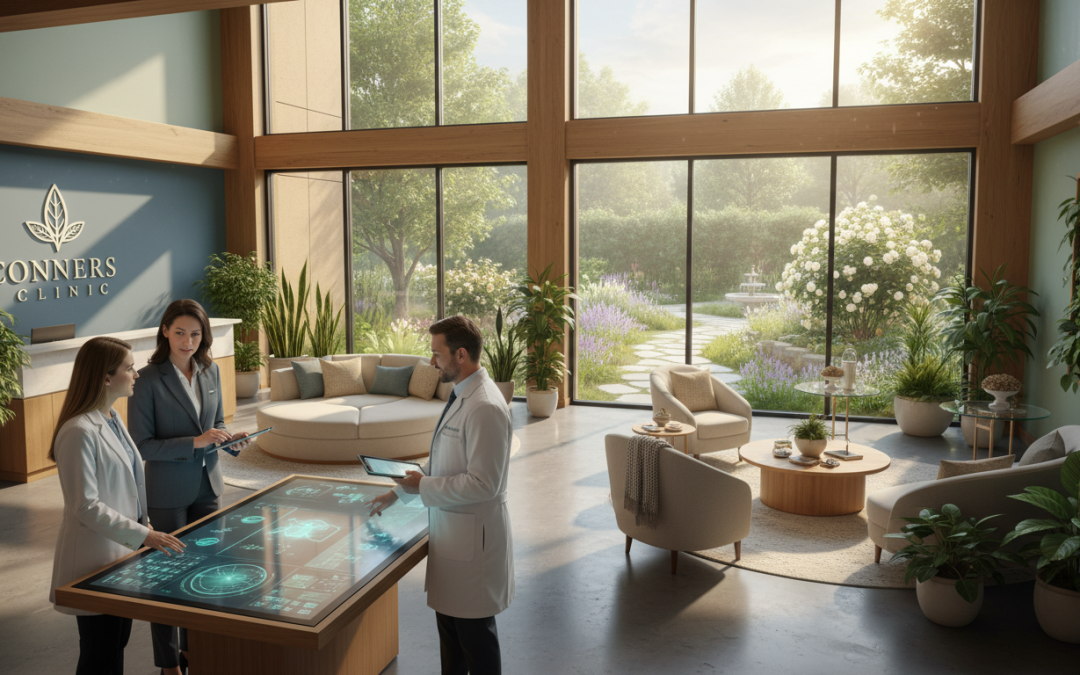
When my friend received her diagnosis, she felt overwhelmed. The medical terms were confusing, and she wondered how to support her body beyond the standard plan. Her first step was visiting a local resource center, much like the Jack & Sheryl Morris Cancer Center’s Resource and Learning Center.
There, she found clear information on complementary health approaches. This experience showed me how vital accessible knowledge is during a healing journey.
I believe every person facing this challenge deserves a roadmap. It should bridge the gap between conventional medicine and evidence-based supportive strategies. My goal is to provide that clarity.
This guide explores how specialized facilities focus on the whole person, not just the disease. We’ll look at creating a supportive environment that addresses unique needs. By reviewing the latest research, we can learn to safely weave these therapies into an existing medical plan for better wellness.
Key Takeaways
- A diagnosis requires understanding all available support for your overall health.
- Bridging conventional and complementary care is essential for holistic well-being.
- Specialized centers provide crucial support during a challenging medical journey.
- Effective care addresses the whole person, tailoring approaches to individual needs.
- Incorporating evidence-based complementary strategies can improve outcomes.
- Access to reliable information empowers patients and their families.
Understanding Integrative Cancer Treatment Centers
The philosophy behind these centers hinges on supporting the body’s own healing intelligence. I’ve seen practitioners focus on facilitating natural recovery processes. This belief in innate wellness is a cornerstone of holistic oncology.
Take the Knox Wellness Experience in Knoxville, TN. Their team treats the whole person, not just the diagnosis. For many, this is the first time a provider looks for the root cause of symptoms.
We combine functional medicine with other supportive practices. The goal is to sustain your well-being throughout your medical journey. It’s about adding layers of support, not replacing standard plans.
“True healing addresses the source of imbalance, not merely the symptoms.”
Understanding this model means seeing it as a partner to conventional methods. These approaches aim to improve overall outcomes for people. The table below highlights key differences in focus.
| Focus Area | Conventional Approach | Integrative Approach |
|---|---|---|
| Primary Goal | Eradicate disease | Support whole-person health |
| Methodology | Standardized protocols | Personalized, root-cause analysis |
| Patient Role | Often passive recipient | Active participant in care |
This collaborative model empowers individuals. It provides tools to navigate the challenges of illness with more resilience.
Alternative Cancer Treatment Options at Conners Clinic
At Conners Clinic (ConnersClinic.com), we recognize the need for a multifaceted strategy. I provide alternative cancer treatment options designed to support your body during its healing journey. These methods aim to strengthen your innate resilience.
We often look to models like the Goshen Center for Cancer Care. They emphasize that a strong body, mind, and spirit allow you to more easily fight the disease. I believe in a similar principle.
My work involves combining therapies that attack the illness with those that maintain your physical, emotional, and spiritual health. This blend includes noninvasive, natural modalities alongside conventional protocols.
Every patient receives a personalized plan based on scientific evidence. I review the latest research to tailor a program for your unique needs. This approach helps improve well-being before, during, and after standard medical care.
Our goal is to empower you as an active participant in your care. We determine the right combination of medicines for your specific condition.
Conventional Versus Integrative Cancer Therapies
The contrast between focused disease management and whole-person support defines a major crossroads in care. Understanding this comparison helps individuals and families evaluate their options with greater clarity.
Pros and Cons of Standard Cancer Treatments
Chemotherapy and radiation are the two most common forms of cancer treatments. They work to destroy rapidly dividing cells.
A significant limitation is their difficulty targeting only diseased cells. This often impacts healthy tissue.
Many people struggle with the side effects of conventional cancer treatments. These can be physically draining and emotionally challenging.
Advantages of a Holistic Approach
A holistic model treats the whole patient. It seeks to uncover the root cause of symptoms, not just manage them.
By weaving these supportive therapies with standard protocols, we help patients build resilience. The goal is to complete medical plans with stronger overall health.
I advocate for a balanced perspective. We use the strengths of modern medicine while actively supporting the body’s natural capacity for wellness.
Integrative Oncology Support: Enhancing Patient Care
A key component of modern oncology is providing comprehensive support to enhance the patient’s journey. This layer of care focuses on the whole person, addressing both physical symptoms and emotional well-being.
At facilities like the Knox Wellness Experience, this support is designed to help people manage the toll of their medical plan. I focus on strengthening the body’s own defenses. This approach aims to help it combat illness more effectively and promote long-term health.
One significant advantage is that these supportive therapies do not damage healthy tissue. Unlike some aggressive conventional methods, they work with your body’s natural processes. This creates a safer environment for healing.
By optimizing how the body functions, we offer meaningful relief. This is especially welcome for individuals undergoing chemotherapy or radiation. My mission is to ensure every person feels empowered throughout their care journey with specialized, compassionate services.
Managing Treatment Side Effects with Integrative Support
Many patients face significant side effects from their primary treatment protocols. These reactions can impact daily life and overall wellness. I focus on strategies to reduce this discomfort.
Addressing Chemotherapy and Radiation Side Effects
Chemotherapy and radiation often cause difficult physical reactions. Common issues include fatigue, nausea, and trouble sleeping. Reduced immune function is another frequent concern.
I use supportive oncology methods to help patients cope. These approaches aim to improve tolerance to medical plans. The goal is better outcomes with less distress.
| Common Side Effect | Supportive Strategy | Expected Benefit |
|---|---|---|
| Fatigue | Gentle movement therapy | Increased energy levels |
| Nausea | Dietary modifications | Improved nutritional intake |
| Sleep troubles | Mindfulness practices | Better rest and recovery |
| Immune suppression | Targeted supplementation | Enhanced defense mechanisms |
Natural Approaches for Side Effect Relief
Natural methods help the body function more efficiently. They provide a necessary boost to your overall immune system. I work with individuals to identify the right strategies for their situation.
These approaches address both the illness and its secondary impacts. Facilities like the one described in this resource on how to manage side show similar principles. By focusing on natural support, we help maintain quality of life during primary care.
Evidence-Based Complementary Therapies in Cancer Care
Acupuncture stands out as a well-studied therapy for managing difficult side effects. This relatively painless approach can significantly reduce discomfort from traditional medical plans. It maximizes the body’s natural response to support healing.

I use scientific evidence to determine the right combination of therapies for each person’s condition. Blending noninvasive, natural strategies with conventional protocols is key. This fusion helps improve well-being before, during, and after primary oncology care.
My goal is to help patients gain control over their wellness. We focus on building the body’s own defenses to support long-term health. This proactive approach empowers individuals in their healing journey.
These complementary therapies are a vital part of your overall strategy. They provide support whether your plan includes surgery, chemotherapy, or other approaches. For many, learning to navigate complex decisions is easier with this holistic layer.
- Personalized Plans: Each therapy is selected based on robust clinical research and individual needs.
- Synergistic Support: Natural methods work alongside standard treatments to enhance tolerance and outcomes.
- Future Resilience: The focus extends beyond immediate care to fortify the body’s ongoing defenses.
High Dose Vitamin C and IV Ozone Therapy in Cancer Treatment
Two powerful supportive strategies, high-dose Vitamin C and ozone therapy, work by enhancing the body’s internal environment. I recommend them to help patients feel better and maintain their health during intensive protocols.
High-dose Vitamin C must be given intravenously. Oral supplements cannot reach the blood levels needed to target cancer cells effectively. The IV infusion delivers a concentrated boost directly to your immune system.
IV ozone therapy uses a molecule made of three oxygen atoms. It reinvigorates oxygen-starved blood, improving overall circulation. This process supports your immune system function and helps the body combat pathogens.
These therapies are designed to work alongside your other cancer treatments. They improve oxygenation and help manage side effects. For a deeper look at one application, explore this resource on high-dose vitamin C and chemotherapy.
In my oncology practice, I see these methods as vital support tools. They aim to strengthen your body’s resilience during a challenging treatment journey.
Mistletoe Therapy and Botanical Supplementation
The European mistletoe, Viscum album, is a unique botanical with a long history in supportive care. This hemiparasitic plant grows on host trees like apple, birch, and oak.
I consider it a valuable supplement within a comprehensive wellness plan. Its application is backed by growing clinical interest.
Mechanism of Action and Safety Considerations
Mistletoe therapy works by stimulating bone marrow activity. This action helps offset common side effects of chemotherapy and radiation.
In oncology, it aims to protect and stabilize healthy cells against damage from aggressive treatments. I find it to be a safe adjunct when administered properly.
Patient Benefits and Clinical Outcomes
Recipients often report improved emotional well-being and increased energy. A more positive outlook during their cancer journey is a common benefit.
This botanical approach supports the immune system and improves overall quality of life. For many, it adds a supportive layer to their primary treatment.
Studies continue to explore its role in managing cancer and enhancing patient resilience.
Mind-Body Healing and Naturopathic Medicine in Oncology
Healing extends beyond physical interventions to include the mind’s powerful influence on wellness. I see this every day in my practice.
At places like the Goshen Center for cancer Care, mind-body counselors help patients manage stress. They work to reduce anxiety and improve sleep during medical treatment.

Naturopathic medicine plays a major role here. It focuses on stimulating the body‘s natural healing process.
We use techniques like guided imagery and mindfulness. Simple breathing exercises help individuals cope with the rigors of a cancer diagnosis.
Our naturopathic doctors work closely with each patient. They identify obstacles that hinder recovery.
This approach supports healthy immune function. It is a vital part of modern oncology support.
I believe addressing mental and emotional health is essential. It leads to the best possible outcomes for people undergoing treatments.
Nutrition Therapy: Tailoring Diet for Cancer Support
A well-designed nutrition plan acts as a cornerstone for comprehensive wellness support. I believe what you eat provides essential building blocks for your body.
Oncology-certified dietitians, like those at Goshen Center, help patients select foods that build and support the immune system. This guidance is vital for offsetting side effects.
We recommend increasing daily intake of brightly colored fruits and vegetables. Decreasing red meat and processed foods is equally important.
Replacing white bread and rice with whole grains is a simple change. It can significantly improve your health during medical plans.
I work with each patient to develop a personalized nutrition strategy. This ensures they have the energy needed for their healing journey.
| Food Category | Recommended Choices | Key Benefit | Suggested Frequency |
|---|---|---|---|
| Fruits & Vegetables | Berries, leafy greens, bell peppers | Rich in antioxidants | Daily, varied colors |
| Proteins | Fish, legumes, poultry | Supports tissue repair | With each meal |
| Grains | Quinoa, brown rice, oats | Provides sustained energy | Daily, whole sources |
| Fats | Avocado, nuts, olive oil | Reduces inflammation | Moderate daily |
This tailored approach helps manage appetite and nausea. It turns nutrition into a powerful ally for your body‘s resilience.
Choosing Your integrative cancer treatment centers
Making an informed choice about your care team empowers you to take control of your health. I recommend starting with an individual consultation. This meeting reviews your medical history and current protocols.
At Knox Wellness Experience, we schedule these discussions to understand your unique situation. Our medical team identifies opportunities to create support protocols. These plans enhance your other therapies for better outcomes.
Remember, not every service is a good fit for each person. We focus on your specific needs to build an effective, personalized strategy.
| Evaluation Factor | Why It Matters | Key Question to Ask |
|---|---|---|
| Consultation Depth | Ensures a truly tailored approach | How detailed is the initial health review? |
| Program Customization | Addresses your unique challenges directly | Can the plan adapt to my changing needs? |
| Support Service Range | Provides comprehensive, holistic care | What complementary therapies are available? |
| Staff Expertise | Guarantees knowledgeable, compassionate guidance | What is the team’s training in oncology support? |
I encourage you to contact our staff. Discover how our oncology support services can help maintain your overall wellness. You do not have to struggle through your journey alone.
Our knowledgeable team is here to help you take charge. Together, we can build a plan that supports your health every step of the way.
Integrative Approaches for Holistic Cancer Care
Every individual’s journey requires a unique blend of supportive strategies to fortify the body’s natural defenses. I believe this personalized approach is essential for holistic care.
Developing Tailored Patient Programs
The cornerstone of our work is creating customized plans. We focus on strengthening the body to attack unhealthy cells while shielding healthy ones from damage.
These programs help people set health goals. They learn lifestyle strategies for life after primary care.
I include dietary changes, vitamins, and botanical support. This comprehensive method ensures the best possible outcomes for patients.
| Program Component | Primary Action | Patient Benefit |
|---|---|---|
| Nutritional Guidance | Optimizes cellular fuel | Enhances energy and resilience |
| Targeted Supplementation | Boosts immune function | Supports defense mechanisms |
| Lifestyle Coaching | Teaches sustainable habits | Promotes long-term wellness after treatments |
| Botanical Support | Provides protective compounds | Helps safeguard healthy tissue |
These methods support your internal disease-fighting abilities before, during, and after medical plans. They aim to protect against future issues and promote lasting health.
Embracing a New Chapter in Your Cancer Journey
Your path forward is shaped by the choices you make to support your entire well-being. Embracing this new chapter means taking charge of your health by weaving supportive steps into daily life.
I am committed to guiding you through the complexities of cancer treatment with compassion and scientific authority. My approach focuses on the whole patient.
This improves quality of life, strengthens your body‘s resilience, and supports immune function.
Remember, you have the power to influence your recovery. Making informed decisions about your oncology support and supportive treatments builds a stronger foundation for long-term wellness.
Thank you for allowing me to share this guide. I look forward to supporting you as you move toward a healthier future.
FAQ
What is the main difference between a standard oncology program and an integrative approach?
In my experience, conventional oncology often focuses primarily on directly eliminating diseased cells through methods like chemotherapy. An integrative model, like the one we use, views the patient as a whole person. We combine those powerful conventional tools with complementary, evidence-based therapies designed to support the body’s natural defenses, manage side effects, and improve overall quality of life during the healing journey.
Are complementary therapies safe to use alongside my traditional chemotherapy or radiation?
When overseen by a qualified medical team, many supportive therapies are not only safe but can be profoundly beneficial. I carefully select modalities such as specific nutritional protocols, targeted botanical supplementation, and mind-body techniques that are known to work synergistically with standard care. The key is a coordinated plan that addresses your unique needs and avoids any interactions, which is why professional guidance is essential.
How can holistic support help with the difficult side effects of my treatment?
A> Managing adverse effects is a cornerstone of our work. For instance, certain IV nutrient therapies, like high-dose vitamin C, are shown to help protect healthy tissues and support immune function during radiation. We also employ natural strategies for common issues like fatigue, neuropathy, and digestive upset, which can significantly improve your daily well-being and your ability to tolerate necessary conventional procedures.
What should I look for when choosing a center for my care?
I advise patients to seek a center with licensed medical doctors who specialize in both oncology and holistic medicine. Look for a place that creates a personalized program based on your specific diagnosis and health status, not a one-size-fits-all protocol. Transparency about the evidence behind their recommended therapies and a collaborative relationship with your existing oncologist are also critical markers of a reputable clinic.
Can these approaches improve my long-term outcomes and overall wellness?
The core goal of integrative medicine is to support your body’s innate healing capacity on every level. By strengthening immune function, optimizing metabolic health, reducing inflammation, and providing robust emotional support, we aim to create an internal environment less conducive to disease progression. This comprehensive strategy is designed to enhance the effectiveness of your primary treatments and support your vitality for the long term.