

I remember a patient, let’s call her Sarah, sitting across from me shortly after her diagnosis. The fear in her eyes was palpable, mixed with a desperate hope for a path forward that felt right for her. This moment is incredibly common.
When faced with a serious health challenge, it’s human nature to seek every possible avenue for healing. As Jason Hou at Memorial Sloan Kettering has noted, the anxiety of the moment can drive individuals toward remedies that lack solid proof.
My role is to help you navigate this complex landscape. I aim to cut through the confusion and provide clarity, focusing always on safety and evidence. True healing involves partnering with your primary medical team and making empowered, informed choices.
This journey isn’t about finding a single miracle. It’s about building a comprehensive strategy that supports your long-term well-being and quality of life. Knowledge is your most powerful tool.
Key Takeaways
- A cancer diagnosis often creates anxiety, leading many to search for unproven solutions.
- It’s vital to evaluate all health options with a focus on scientific integrity and safety.
- Working alongside your trusted medical doctors is a cornerstone of effective care.
- Informed decisions are empowering and lead to better long-term health outcomes.
- Personalized strategies that consider the whole person are often more effective than one-size-fits-all approaches.
- Exploring customized, holistic protocols can be a valuable part of a comprehensive plan.
- Your healing journey should prioritize your overall wellness, not just a single condition.
Exploring Alternative Cancer Treatment Options
Navigating the world of non-standard therapies requires a clear understanding of their definitions and roles. I guide patients through this complex terrain every day.
The goal is always to build a safe, personalized plan that respects both science and individual choice.
Overview of Integrative and Alternative Approaches
Integrative medicine is a core philosophy at our clinic. It carefully blends standard oncology with complementary practices proven safe by research.
This approach bridges conventional Western methods with supportive strategies. It aims to enhance overall wellness during a challenging time.
In contrast, alternative medicine refers to practices used instead of mainstream cancer treatments. These options often lack the rigorous clinical testing required for medical approval.
Understanding this distinction is crucial. One supports the body alongside care, while the other may replace vital interventions.
Why Patients Consider Non-Conventional Methods
Many people seek these paths to regain a sense of control. A serious diagnosis can make individuals feel powerless.
Exploring different options helps them feel actively involved in their own healing journey. It aligns care with personal values and specific needs.
The following table clarifies the key differences between these two major paths:
| Approach | Definition | Relationship to Standard Care | Primary Goal |
|---|---|---|---|
| Integrative Medicine | Combines conventional treatment with evidence-based complementary therapies. | Works alongside and supports standard protocols. | To improve quality of life and treatment tolerance. |
| Alternative Medicine | Used as a substitute for established medical treatments. | Replaces or delays conventional interventions. | To pursue a different primary healing path. |
This framework helps people make informed, empowered decisions with their healthcare team.
Understanding “Natural Cancer Treatment”: Core Concepts and Science
Jason Hou, a leading expert at Memorial Sloan Kettering, points to a critical problem: the widespread misinformation surrounding natural products. Patients are often confronted with a myriad of unverified claims. My goal is to clarify the core scientific principles that should guide your decisions.
The Role of Natural Approaches in Cancer Care
These methods should not be seen as standalone cures. Their primary role is to support the body’s resilience and overall wellness during a challenging time. They work best when integrated thoughtfully into a broader, medically supervised plan.
How Research and Clinical Trials Inform Safety
Rigorous research and clinical trials are the gold standard. They determine if a therapy is safe and effective. Resources like the About Herbs database provide vital, evidence-based information on herbal supplements.
When you consult your doctor, you gain professional insights. This helps separate anecdotal stories from validated medical practices. We must prioritize therapies vetted by formal studies to ensure they support your primary care.
Cannabis Oil: Myths, Evidence, and Side Effects
The conversation around cannabis oil in oncology is filled with both hope and significant misunderstanding. I guide patients through this topic by focusing on what rigorous science actually tells us.
Separating fact from fiction is essential for making safe choices.
What the Research Indicates About Cannabis Oil
Current evidence is very clear. The 2024 American Society of Clinical Oncology (ASCO) guideline advises against using cannabis as a primary therapy.
It should only be considered within formal clinical trials. The FDA has approved certain cannabis-based drugs for one purpose only.
They are sanctioned to manage side effects like nausea and vomiting from chemotherapy. No human studies prove it can treat the disease itself.
Potential Risks Interacting with Standard Treatments
Using this oil can introduce unintended problems. It may cause memory loss or dizziness.
More critically, its compounds can inhibit liver enzymes. These enzymes are needed to metabolize many essential anticancer drugs.
This interference can alter the effect of your primary cancer treatment. Always inform your doctor about any cannabis use.
| Common Myth | Current Evidence | Key Implication |
|---|---|---|
| It is a proven cure for cancer. | No human trials support this claim. It is not a cancer-directed therapy. | Relying on it as a primary treatment is risky and unsupported. |
| It is completely safe and natural. | It can cause side effects and interact dangerously with other medications. | Safety is not guaranteed. Medical supervision is crucial. |
| It works independently of standard care. | It may interfere with the metabolism of essential chemotherapy drugs. | It can compromise the efficacy of your core treatment plan. |
Castor Oil and Laetrile: Separating Fact from Fiction
The digital age has created a new challenge. Health misinformation spreads rapidly online, especially regarding substances like castor oil and Laetrile.
I help patients analyze these popular but unproven claims. Our goal is to find safe, effective strategies based on solid science.
Debunking Viral Claims on Social Media
Platforms like TikTok are filled with videos promoting castor oil as a cure cancer method. These posts gain millions of views but offer zero scientific evidence.
As Jason Hou warns, a viral video does not mean the information is safe or accurate. This is crucial for vulnerable people seeking hope.
Laetrile, a purified form of amygdalin, has a longer history. NIH-sponsored studies in the 1970s and 1980s found it did not reduce tumor size.

The oral form of Laetrile breaks down into cyanide inside the body. This poses a severe poisoning risk instead of providing any benefit.
We must rely on verified medical databases to debunk these dangerous myths.
| Substance | Common Viral Claim | Scientific Evidence | Key Risk |
|---|---|---|---|
| Castor Oil | Topical application can cure cancer. | No clinical trials support this. Complete lack of evidence. | Delays proven, effective care for a serious condition. |
| Laetrile (Amygdalin) | An effective “natural” therapy for tumors. | NIH studies found it ineffective. It is not a cancer-directed therapy. | Breaks down into cyanide, causing potential poisoning and harm. |
Always discuss any new approach with your doctor. They can provide guidance based on your unique health picture.
Manipulating pH Levels Through Diet: The Truth Behind Alkaline Approaches
One of the most persistent dietary myths I encounter involves the idea of “alkalizing” your body to fight illness. This concept is particularly popular in discussions about managing serious conditions.
Scientific Insights on pH Balance and Cancer Cells
It is true that cancer cells create an acidic local microenvironment. This happens due to their high metabolic rate. However, a critical fact is often overlooked.
Your body maintains a constant blood pH through the kidneys and lungs. This system operates independently of the food you eat. What you consume does not alter the environment where these cells live.
Evaluating the Efficacy of Diet-Based Claims
The claim that an alkaline diet can change blood pH is scientifically unsupported. Attempting to manipulate your internal chemistry through restrictive eating can lead to serious risks.
It is a common misconception that specific foods will starve unhealthy cells by changing your blood’s pH levels. A balanced diet is crucial for overall health, but there is no evidence any specific diet directly impacts cell behavior.
For a deeper look at the science behind alkaline water and similar concepts, I encourage reviewing the research. Always base your nutritional strategy on solid evidence and professional guidance.
Integrating Conventional and Complementary Therapies for Cancer Care
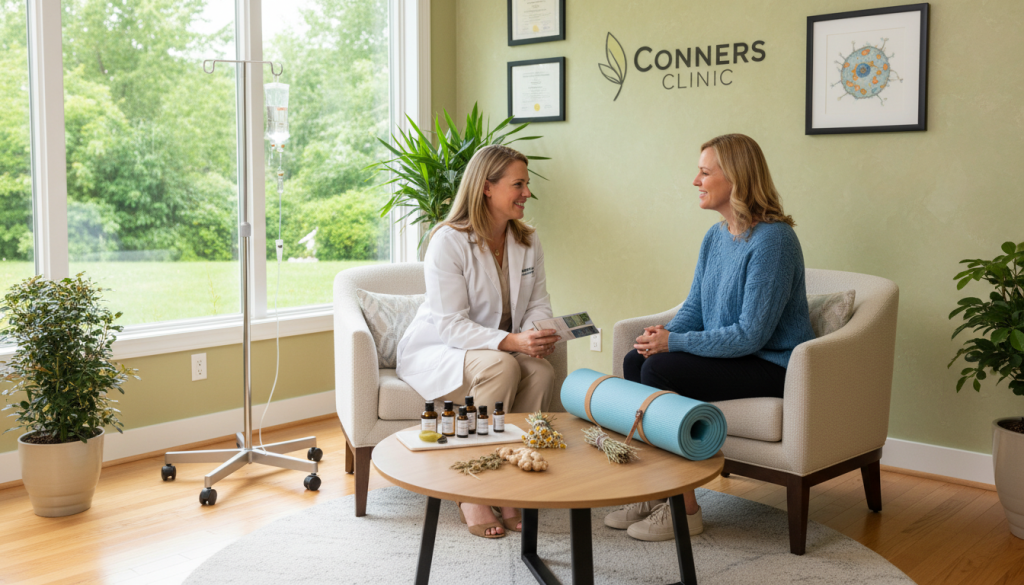
Many patients find their greatest strength when standard medicine and supportive practices work in tandem. This collaborative model, known as integrative medicine, is a cornerstone of modern, patient-centered care.
How Integrative Medicine Enhances Treatment Safety
Integrative medicine focuses on safety first. It combines proven conventional treatments with evidence-based supportive therapies. The goal is to protect and enhance your quality life.
When you tell doctor about all the approaches you are using, you create a safer plan. This prevents harmful interactions between different therapies.
Examples of Complementary Techniques
Centers like Memorial Sloan Kettering’s Integrative Medicine Service offer specific supportive complementary therapies. These are designed to work alongside primary cancer treatments.
The table below outlines some common techniques and their research-supported roles:
| Therapy | Primary Benefit | Research Support |
|---|---|---|
| Acupuncture | Manages pain and nausea. | Shows modest pain improvement in survivors. |
| Massage Therapy | Reduces stress and muscle tension. | Widely used for improving comfort and relaxation. |
| Music Therapy | Alleviates anxiety and improves mood. | Recognized for its supportive emotional benefits. |
Balancing Medical Advice with Patient Preferences
Your personal values matter. A good care plan balances medical advice with what feels right for you. This partnership manages side effects like fatigue and stress.
It is essential to choose complementary therapies backed by research. Reliable resources, like the National Cancer Institute’s guide, can help. Always tell doctor your preferences to ensure all your therapies work together safely.
Navigating Alternative Approaches with Your Healthcare Team
Open dialogue with your physician is the foundation for safely exploring additional health options. This partnership ensures all your medicine and supportive products work together harmoniously.
Questions to Ask Your Doctor About CAM Options
I advise patients to come prepared with specific questions. This empowers you to gather reliable information.
Always inquire about a practitioner’s training. Ask if they have experience working with patients undergoing surgery, radiation, or chemotherapy.
Discuss which types of complementary approaches might help manage side effects. Your doctor can offer guidance based on your unique situation.
Ensuring Safe Use of Natural Products
Transparency about every supplement is non-negotiable. You must tell your doctor about any vitamin or herbal products you use.
Some herbs, like St. John’s wort, are known to reduce the effectiveness of life-saving drugs. This can make chemotherapy less potent.
For more insights, listen to experts discuss alternative cancer treatments in a recent podcast. Coordinating all types of treatment with your doctor is the safest path forward.
Embracing a Balanced Journey Towards Effective Healing
Dr. Jeffrey D. White of the National Cancer Institute reminds us that healing is a multifaceted journey requiring both science and wisdom. As Director of OCCAM, he provides vital resources for patients seeking clarity.
I see many individuals find strength in a well-rounded approach. This strategy thoughtfully integrates conventional medicine with supportive, complementary therapies. It creates a comprehensive plan focused on your overall health.
The desire for a cure is powerful. Yet, we must ground our choices in solid, evidence-based research. Unproven claims can cause harm and delay effective care.
Supporting rigorous clinical trials is crucial. These studies discover new ways to manage side effects and improve outcomes for people facing this condition.
Your path is unique. By partnering closely with your medical team, you navigate complex decisions with confidence. Prioritizing safe, proven therapies is always the most effective way to support your body’s resilience.
FAQ
What exactly is integrative medicine for cancer?
Integrative medicine is a patient-centered approach that combines conventional Western therapies, like chemotherapy, with complementary techniques. This blend aims to manage side effects, improve your quality of life, and support your body’s overall wellness during the healing journey.
Are therapies like acupuncture or massage safe to use during chemotherapy?
When performed by a licensed practitioner, techniques such as acupuncture for nausea or therapeutic massage are generally considered safe and can be very beneficial. I always advise patients to discuss any complementary therapies with their oncology team to ensure they are appropriately timed and don’t interfere with primary treatments.
What does the research say about using cannabis oil?
Current studies and clinical trials primarily support the use of cannabis-derived products, like those containing THC or CBD, for managing symptoms such as pain, vomiting, and loss of appetite. It’s crucial to understand that robust evidence for it directly treating or curing cancer cells is currently lacking, and it can interact with other drugs.
Can changing my diet to alter my body’s pH cure my illness?
While eating a nutritious, plant-based diet is excellent for health, the claim that an alkaline diet can significantly change your blood’s pH or cure disease is a myth. Your body tightly regulates its pH balance. Focusing on whole foods, however, can powerfully support your strength and recovery during conventional therapies.
How do I talk to my doctor about wanting to try alternative approaches?
A> Open communication is vital for safe care. I recommend preparing specific questions for your doctor, such as: “Are there complementary therapies you recommend for my specific side effects?” and “Could this vitamin or herb interact with my prescribed medicine?” A trustworthy healthcare team will welcome this dialogue to create a cohesive plan.
Why do some people seek out non-conventional methods?
Patients often explore these options to gain a greater sense of control, reduce the distressing effects of standard treatments, or pursue all possible avenues for healing. It’s a deeply personal choice, and my role is to provide evidence-based information so you can make informed decisions aligned with your values and medical advice.