
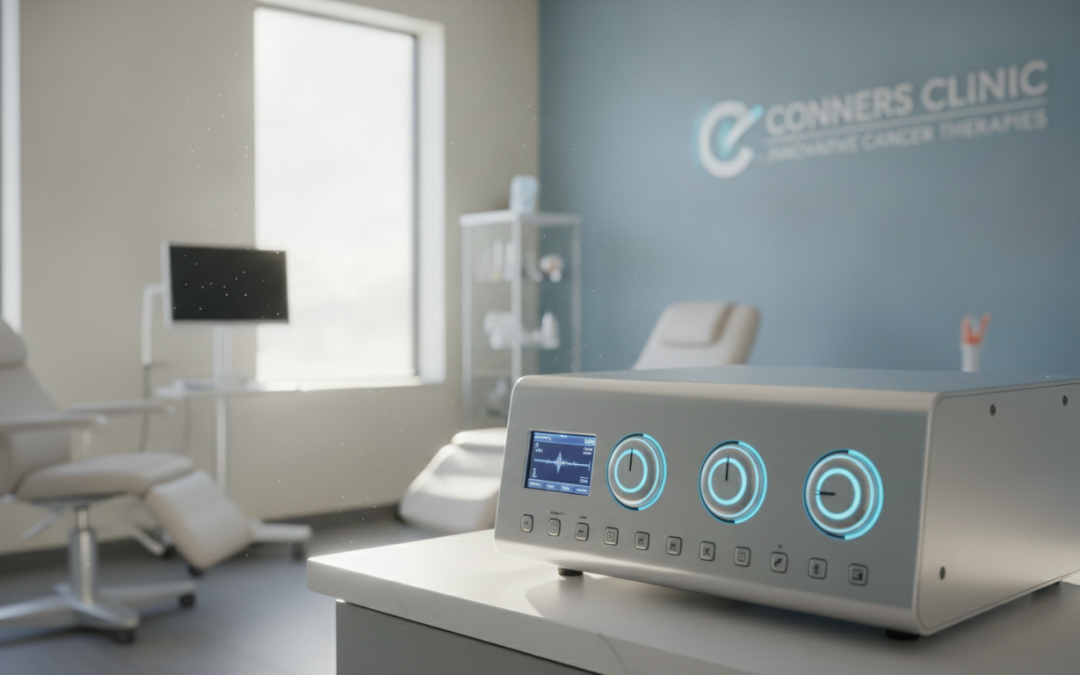
Facing a diagnosis can be one of the most challenging experiences in life. Many individuals feel a profound sense of fear and uncertainty. In these moments, it’s natural to seek out every possible option for healing. One such option that has garnered attention is the Rife machine, developed by Royal Raymond Rife in the 1920s. This device claims to use frequency-based technology to target various medical conditions.
While some patients turn to alternative treatments when conventional therapies fall short, it’s crucial to approach these options with caution. The Rife machine is often marketed as a solution, yet its efficacy remains a topic of intense debate. Many in the medical community question its safety and effectiveness.
In this guide, I aim to explore the history and scientific standing of the Rife machine. My goal is to provide a balanced perspective, helping you navigate the complex landscape of alternative care. Together, we will examine the claims surrounding this technology and compare them to established medical standards.
Key Takeaways
- The Rife machine was developed in the 1920s by Royal Raymond Rife.
- Many patients seek alternatives when traditional treatments do not yield results.
- The efficacy of the Rife machine is heavily debated in the medical community.
- It is important to understand the claims versus the scientific evidence.
- Consulting with healthcare professionals is essential before trying new therapies.
Introduction to Cancer Treatment and Alternative Therapies
Receiving a cancer diagnosis can feel overwhelming and isolating. Many patients find themselves searching for various treatment options that align with their personal beliefs and emotional needs. While conventional methods like surgery, chemotherapy, and radiation are well-established, some individuals turn to alternative therapies for a more holistic approach.
These therapies often gain traction when patients feel that standard medical care is too impersonal or limited. Here are some insights into why many patients explore alternative options:
- They seek a holistic approach that addresses both physical and emotional needs.
- Some feel that conventional treatments do not align with their health philosophies.
- Alternative therapies may provide a sense of control during a challenging time.
- It’s essential to weigh the potential benefits against the risks of delaying proven treatments.
- Empathy in medicine is crucial, but it should not replace evidence-based care.
Understanding these dynamics can empower patients to make informed decisions about their health.
| Conventional Treatments | Alternative Therapies | Key Differences |
|---|---|---|
| Surgery | Herbal Remedies | Invasive vs. Non-invasive |
| Chemotherapy | Mind-Body Techniques | Pharmaceutical vs. Natural |
| Radiation | Acupuncture | Targeted vs. Holistic |
History and Evolution of the Rife Machine
Delving into the past of alternative healing methods sheds light on their development and controversies. In the 1920s, American scientist Royal Raymond Rife created the Rife frequency generator. He claimed this device could diagnose and eliminate various diseases.
Rife hypothesized that specific microorganisms caused many conditions, including cancer. He aimed to destroy these pathogens using electrical impulses. His early designs were crafted to tune into the electrical signals emitted by diseased tissues, neutralizing the underlying issues.
According to Rife, by transmitting a specific vibratory rate back to the disease, he could effectively cure the patient. However, despite his groundbreaking innovations, the American Medical Association condemned his experiments. They cited a lack of verifiable results as a significant concern.
The evolution of the Rife machine has been fraught with controversy. The scientific community has consistently struggled to replicate Rife’s original findings, leading to ongoing debates about the device’s efficacy.
| Key Innovations | Concepts | Challenges |
|---|---|---|
| Frequency Generator | Microorganism targeting | Lack of verifiable results |
| Electrical Impulses | Healing through vibration | Scientific skepticism |
| Diseased Tissue Analysis | Neutralizing disease | Replication failures |
Scientific Perspectives on Electromagnetic Frequencies in Cancer Treatment
The exploration of how electromagnetic frequencies interact with cancer cells is a fascinating area of research. Various studies have sought to understand their potential benefits in treatment.
Researchers like Barbault et al. have investigated the use of electromagnetic frequencies to target cancer cells without causing the systemic toxicity associated with chemotherapy. Here are some notable findings:
- In a study, Barbault et al. identified tumor-specific frequencies in 163 patients and provided compassionate treatment to 28 individuals with advanced conditions.
- Costa et al. conducted a phase I/II study on 41 patients with hepatocellular carcinoma, documenting antitumor effects in nearly half of the participants.
- Amplitude-modulated radiofrequency electromagnetic frequencies have shown potential in stabilizing disease in patients with advanced malignancies during clinical trials.
- Specific frequencies were found to regulate gene expression and disrupt the mitotic spindle in tumor cells.
- It is essential to note that the frequencies used in this research differ from those typically found in a standard device.
- Further rigorous clinical trials are necessary to determine the safe integration of these frequencies into standard treatment protocols.
While current research suggests that the body may respond to specific frequencies, we are still in the early stages of understanding the underlying molecular mechanisms.
Exploring the royal rife machine for cancer
The quest for innovative treatments often leads individuals to explore various technological advancements. One such option is the Rife machine, which operates on the principle of frequency modulation.
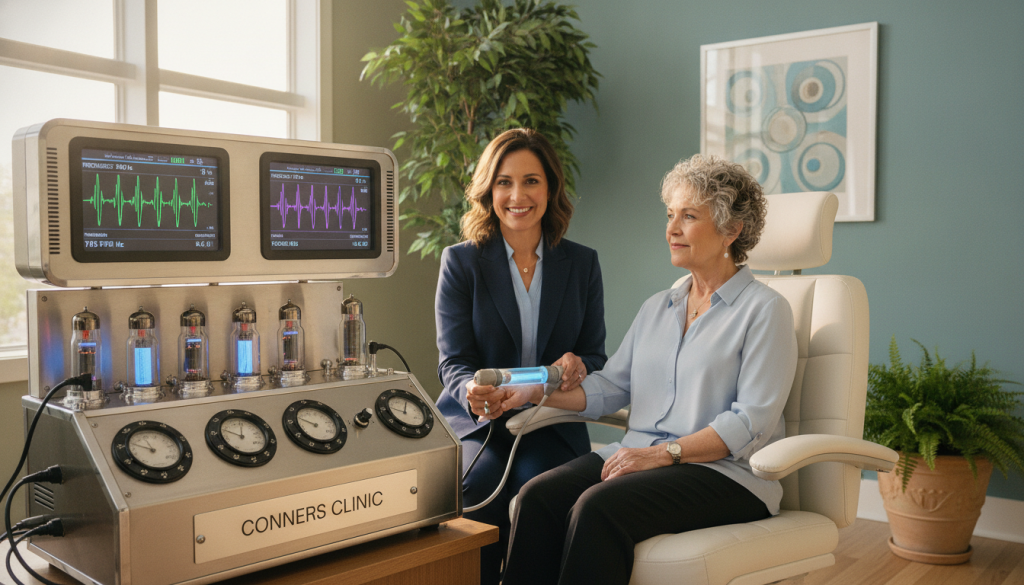
This device typically delivers low-energy electrical impulses through hand-held plasma tubes or pads placed on the body. The mechanism of action is often described as identifying the frequency of a condition and using an impulse to disable diseased cells.
Unlike the precise 27.12 MHz frequency used in modern experimental devices, the Rife machine generates waves that lack standardized modulation protocols. Supporters claim these waves can specifically target cancer cells, yet there is no reliable evidence to support this in clinical settings.
When using a Rife machine, the electrical energy is delivered through the body for several minutes daily. It is crucial to distinguish between the experimental use of amplitude-modulated radiofrequency and the unproven claims associated with traditional devices.
My concern is that the absence of a standardized system for frequency modulation makes it impossible to predict the outcomes of using such a device.
Benefits, Claims, and Real-World Evidence
The search for effective treatments can lead patients to investigate alternative technologies. Many people are drawn to the claims surrounding the Rife machine, often sharing personal success stories. However, it’s essential to differentiate between these testimonials and the data provided by scientific studies.
While some patients report significant pain relief within two weeks of starting amplitude-modulated frequency therapy, these anecdotes do not substitute for rigorous scientific evidence. A notable case involved a 76-year-old patient with hepatocellular carcinoma who experienced a near-complete response lasting over five years after treatment.
When comparing these devices to conventional therapies, we must consider documented survival rates and objective responses from large-scale clinical trials. Here are some key points to keep in mind:
- Many websites promote the Rife machine using glowing testimonials, but these personal accounts lack scientific validation.
- Anecdotes do not prove a therapy works; objective data is crucial for informed decisions.
- Some studies indicate that patients using experimental frequency devices experienced fewer adverse effects than those undergoing standard chemotherapy.
- It is heartbreaking to see people invest in machines promising cures without medical validation.
- Prioritizing evidence-based therapies is essential for improving the quality of life for patients facing a cancer diagnosis.
| Study | Findings | Patient Response |
|---|---|---|
| Costa et al. | Near-complete response in hepatocellular carcinoma | 76-year-old patient, 5+ years |
| Barbault et al. | Significant pain relief within two weeks | Multiple patients |
| General Findings | Fewer adverse effects compared to chemotherapy | Reported by various studies |
Where to Buy a Rife Machine
Navigating the marketplace for Rife technology requires careful consideration and research. If you are looking for where to buy a Rife machine, options such as the Atelier Robin F-122 generator are available at the Conners Clinic shop.
These devices can be quite costly, often ranging from hundreds to thousands of dollars, depending on the features and the manufacturer’s claims. Before making a purchase, I strongly advise you to seek information from your primary oncologist. This ensures that any device will not interfere with your current treatment.
Many online retailers sell these devices, but you should be wary of any company that claims their machines can cure cancer without providing scientific evidence. It’s essential to verify the technical specifications of any Rife machine to understand what frequencies it can produce and how it is powered.
Always remember that the availability of these machines for purchase does not imply that they have been approved by regulatory bodies for the treatment of cancer.

Evaluating Safety and Regulatory Considerations
Understanding the safety of alternative therapies is crucial for informed health decisions. While some supporters claim that these devices have no side effects, reports indicate otherwise. Users have experienced electrical shocks and skin rashes, raising concerns about their safety.
In the United States, the regulatory status of these devices is strict. The FDA has not cleared the Rife machine for treating cancer. We must be cautious of any therapy that claims to treat disease without undergoing rigorous safety testing.
Some patients have faced negative health outcomes after discontinuing conventional treatments in favor of unproven devices. It’s a tragic reality that some practitioners use pseudoscientific language to convince vulnerable individuals that their machines are being suppressed by the medical establishment.
I encourage you to look for devices that have undergone thorough clinical trials, such as the NovoTTF-100A. This device has demonstrated safety and efficacy in treating recurrent glioblastoma, as evidenced by phase III trial results. For more information, you can read about it here.
Final Thoughts on Integrating Rife Technology in Cancer Care
The journey toward healing often leads individuals to consider various treatment options. Integrating any new technology into your cancer care plan should only be done after a thorough discussion with your medical team. Review the available evidence to make informed choices.
While the potential of electromagnetic frequencies is an exciting area of research, we must remain grounded in proven methods. Patients deserve to be empowered with accurate information to ask the right questions when confronted by alternative practitioners.
Your health is your most valuable asset. Never forsake proven medical treatments for unverified methods lacking clinical validation. If you explore complementary therapies, ensure they support, rather than replace, standard treatments that have saved countless lives.
Always seek the truth, demand evidence, and prioritize care backed by the global scientific community. In the end, informed choices lead to better outcomes and peace of mind.
FAQ
What is the Rife machine and how does it work?
The device utilizes specific electromagnetic frequencies to target and disrupt cancer cells. By emitting these frequencies, it aims to promote healing and potentially reduce tumor size.
Are there any clinical trials supporting the use of this technology?
While some studies have explored the effects of electromagnetic frequencies on cancer cells, comprehensive clinical trials are limited. Ongoing research is essential to validate its efficacy.
What are the potential benefits of using this device?
Users often report improved well-being and energy levels. Some believe it may complement traditional therapies, but individual results can vary significantly.
Is the Rife machine safe to use?
Generally, it is considered safe when used as directed. However, potential side effects may include mild discomfort or skin irritation. Consulting a healthcare professional is advisable.
How does this technology compare to conventional cancer treatments?
Unlike standard treatments such as chemotherapy or radiation, this device focuses on frequency modulation. It is often viewed as a complementary approach rather than a replacement for conventional care.
Where can I purchase a Rife machine?
These devices can be found through specialized online retailers and some health stores. It’s important to research the features and pricing before making a purchase.
What should I consider before using this technology?
Consider discussing its use with your healthcare provider, especially if you are undergoing traditional cancer treatments. Understanding potential interactions and side effects is crucial.
Can anyone use the Rife machine?
While generally accessible, individuals with certain health conditions or those who are pregnant should consult a medical professional before use to ensure safety.