
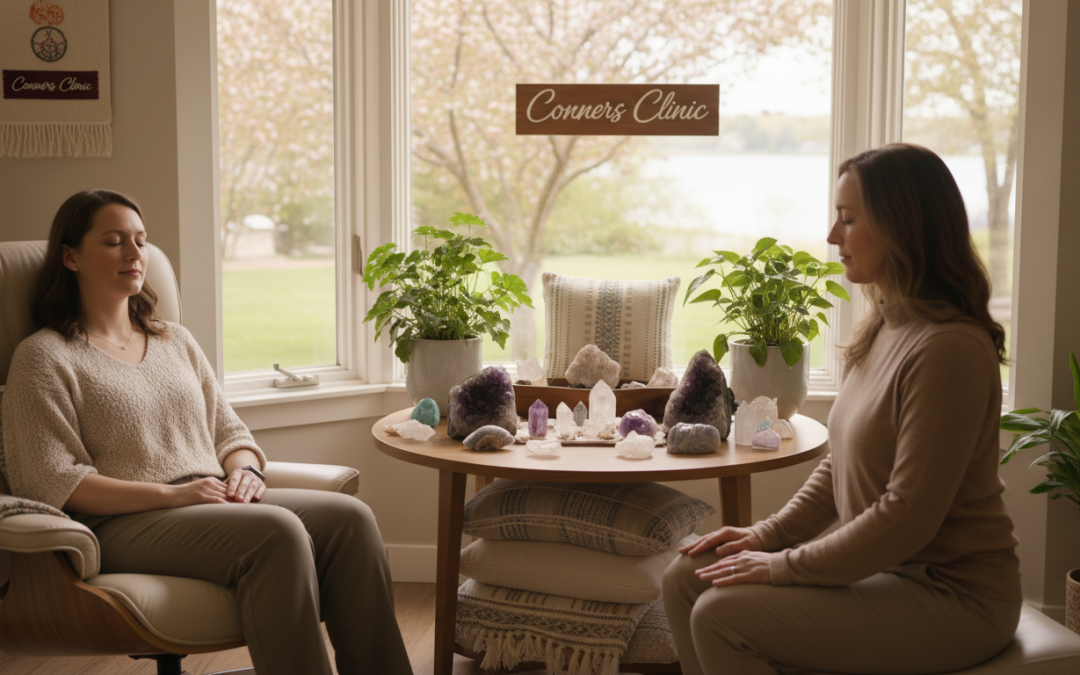
I remember sitting with a woman—we’ll call her Anna—shortly after she began her conventional medical plan. She was dedicated to her oncology team’s protocol but felt a deep need for additional resources to manage her stress and low energy. “Is there something more I can do for myself?” she asked. Her question is one I hear often.
Many people on a healing journey seek supportive, holistic practices. They want to feel empowered and actively participate in their own well-being. The National Cancer Institute (NCI) acknowledges this need, providing evidence-based summaries on various complementary therapies through its Physician Data Query (PDQ) system.
This guide is my answer to Anna’s question, and perhaps yours. I aim to clarify how integrative healing modalities can work alongside standard medical care. We will look at research-supported approaches that may help individuals manage the physical and emotional challenges of a diagnosis.
My role is to share knowledge, helping you make informed choices about your integrative care plan. Let’s explore how these practices can contribute to a better quality of life.
Key Takeaways
- This guide offers a compassionate look at integrative care for those facing a health challenge.
- It explains how complementary modalities can be part of a complete wellness plan.
- The National Cancer Institute provides science-based information on many therapies.
- The goal is to empower you with knowledge to discuss options with your care team.
- We focus on evidence-supported practices that aim to improve daily well-being.
- Safety and coordination with your primary oncology team are top priorities.
- Understanding these options can help you feel more in control during treatment.
Introduction to Energy Medicine for Cancer Support
The journey through a major health challenge is multifaceted, extending beyond clinical interventions. Standard medical care for cancer provides essential tools for targeting disease. Yet, it may not fully meet a person’s holistic needs for emotional balance and sustained vitality.
I see complementary medicine as a valuable supportive layer. It is used along with standard treatment, not as a replacement. This integrative approach can help individuals feel more engaged and in control.
It is crucial to understand the distinction. Complementary practices work alongside conventional plans. Alternative therapies are used instead of standard care. My professional stance always prioritizes coordination with your primary oncology team.
By addressing the whole person—body, mind, and spirit—we can better manage complex symptoms. This holistic focus aims to improve overall quality of life for patients throughout the process.
Energy Medicine for Cancer Support: Principles and Basics
At its heart, this supportive approach operates on a simple, ancient premise: a vital life force animates our physical form. This intelligent flow is believed to promote our natural capacity for restoration and balance.
In a session, a practitioner’s role is to help facilitate this balance. They may use very light touch or simply hold their hands above the body. The goal is to encourage a profound state of calm.
I encourage you to see this therapy as a way to harmonize your internal state. Stress and illness can disrupt your natural rhythms. Understanding these basics allows for a more active role in your daily wellness practice.
Gaining a deeper understanding of your healing process is empowering. While research continues, many people report feeling a significant improvement in their overall sense of health and well-being after engaging in these sessions.
The Science and History Behind Energy Therapies
Modern scientific inquiry into energy healing is building upon a foundation laid by traditional systems of medicine. This convergence of ancient wisdom and contemporary investigation is fascinating.
I find it helps to view these practices through both a historical and a scientific lens.
Understanding the Biofield and Its Role
The core concept in many traditions is the biofield. You may know it as qi in Traditional Chinese Medicine or prana in Ayurveda.
It represents an intelligent life force believed to sustain health. While challenging to measure, this idea has persisted for millennia.
The table below highlights how different cultures have conceptualized this vital force:
| Tradition | Term for Biofield | Key Principle |
|---|---|---|
| Traditional Chinese Medicine | Qi | Flows through meridians; balance is health. |
| Ayurveda | Prana | Life-sustaining force within all living beings. |
| Modern Science | Biofield | A field of energy and information surrounding the body. |
Evidence-Based Research and Clinical Trials
Today, we seek evidence to understand these therapies. A pivotal 2010 review by Jain and Mills analyzed 66 studies.
Their best evidence synthesis marked a significant step in evaluating efficacy.
“Rigorous clinical trials are essential to separate anecdote from actionable science.”
Institutions like the NCCIH now sponsor trials. This research aims to see how these modalities affect symptoms and quality of life during cancer treatment.
I always advise patients to look for peer-reviewed data. It empowers informed discussions with your care team.
Integrative Alternative Cancer Treatment at Conners Clinic
The approach at specialized clinics often focuses on uncovering and addressing underlying health imbalances. Conners Clinic provides integrative alternative cancer treatment designed for individuals seeking a complete wellness strategy.
Their programs look beyond symptoms to target foundational causes. This methodology aims to restore balance and promote the body’s innate healing capacity.
Leading institutions are adopting similar models. Memorial Sloan Kettering’s Integrative Medicine Service, for example, empowers patients with evidence-based recommendations that fit into standard care.
The table below highlights how different centers approach this integration:
| Clinic/Service | Primary Focus | Integration Method |
|---|---|---|
| Conners Clinic | Root-cause analysis & personalized protocols | Combines conventional diagnostics with alternative strategies |
| MSK Integrative Medicine Service | Symptom management & quality of life | Incorporates evidence-based complementary therapies into oncology plans |
| General Integrative Oncology | Whole-person care | Bridges traditional medical treatment with supportive holistic practices |
I recommend visiting Conners Clinic to explore their specialized programs. They support patients through a personalized and holistic lens.
Working with a team skilled in both traditional and integrative approaches is crucial. It ensures safety and creates a cohesive plan tailored to your unique needs.
Complementary vs. Alternative Cancer Therapies
The terms ‘complementary’ and ‘alternative’ are often used interchangeably. In medical contexts, they represent fundamentally different paths.
Definitions and Key Distinctions
Complementary medicine is designed to work alongside standard medical treatment. It is not a replacement. Think of it as a supportive layer added to your primary oncology plan.
In contrast, alternative medicine is used instead of standard care. This choice can pose significant risks if not discussed thoroughly with your doctor.
My role is to help you navigate these choices. I want you to safely incorporate supportive therapies into your existing plan.
| Type of Therapy | Definition | Relationship to Standard Care |
|---|---|---|
| Complementary | Supportive practices used concurrently | Works alongside surgery, chemotherapy, etc. |
| Alternative | Non-standard approaches used as primary treatment | Used instead of conventional treatments |
Always prioritize coordination with your oncology team for a safe, cohesive strategy.
Mind-Body Techniques in Cancer Care
Navigating a health journey can be smoother when you have tools to calm the mind and strengthen the body. I often introduce patients to mind body practices that foster this connection. These techniques help manage the emotional and physical toll of a diagnosis.
Benefits of Meditation and Yoga
Meditation is highly effective for reducing stress and depressive feelings. The Integrative Medicine Service at Memorial Sloan Kettering frequently recommends an eight-week Mindfulness-Based Stress Reduction (MBSR) program. This structured approach helps patients cultivate awareness and resilience.
Yoga originated in India thousands of years ago. Modern studies show it can improve strength, mood, and overall quality of life. I encourage you to explore these gentle practices to quiet the mind and lessen stressful thoughts.
Incorporating these into daily routine provides stability during intense treatments.
| Practice | Primary Focus | Key Benefit | Common Program |
|---|---|---|---|
| Meditation | Mental awareness & emotional regulation | Reduces stress and anxiety | 8-week MBSR |
| Yoga | Physical postures & breath control | Improves strength and mood | Gentle or restorative classes |
These modalities offer a sense of control and calm. They are valuable additions to a comprehensive care plan.
Acupuncture and Massage: Traditional Practices in Modern Care
Two practices stand out for their direct physical impact: acupuncture and therapeutic massage. These ancient arts are now common in contemporary oncology settings. They provide a compassionate level of care.
Acupuncture is a well-regarded practice from Chinese medicine. It involves stimulating specific points on the body. This can lessen disease symptoms and side effects from treatments.
Research from the Integrative Medicine Service at MSK supports its use. It helps manage pain and neuropathy for patients. It also shows promise in relieving nausea and sleep disturbances.
Massage therapy involves kneading and stroking the body’s soft tissues. It is a powerful tool for reducing physical tension. This promotes deep relaxation and comfort during a challenging time.
I often suggest these therapies to individuals struggling with side effects. They work alongside conventional medications. The goal is to improve daily well-being.
| Practice | Primary Mechanism | Key Benefits in Oncology | Integration Level |
|---|---|---|---|
| Acupuncture | Stimulating specific points with fine needles | Manages pain, neuropathy, nausea, sleep issues | Common in major cancer centers |
| Therapeutic Massage | Manipulation of soft tissues (muscles, fascia) | Reduces tension, promotes relaxation, eases discomfort | Widely available in supportive care programs |
These traditional practices are valuable parts of a modern, comprehensive plan. They address physical symptoms directly. This integration helps provide a more holistic approach to healing.
Clinical Insights: Energy Therapies in Cancer Symptom Management
Clinical research offers a window into how supportive modalities can impact daily life during treatment. I review these studies to understand their real-world value.
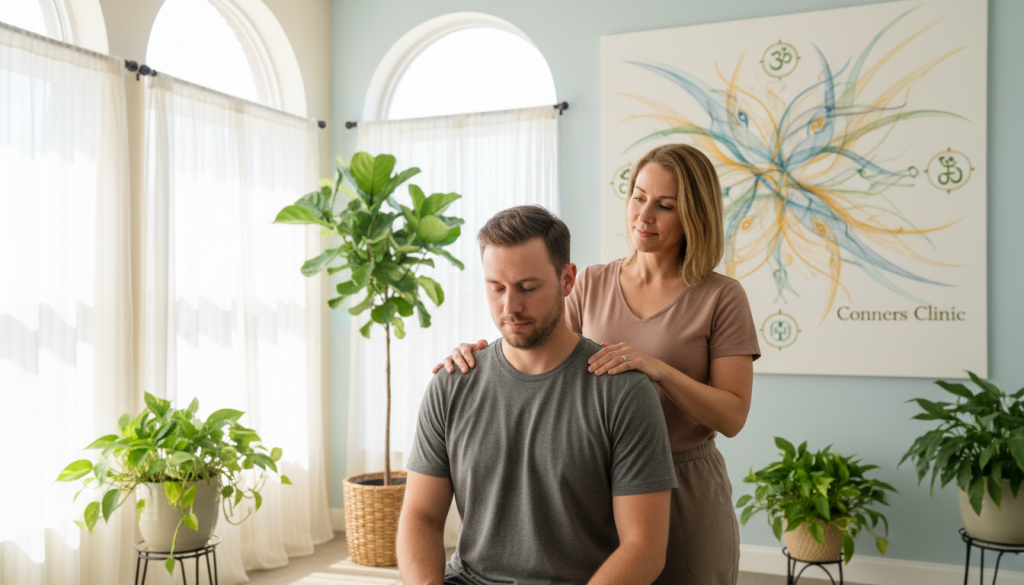
Case Studies and Patient Outcomes
Patient-reported outcomes are vital. They tell us how an intervention feels for the person receiving care.
One notable trial by Cook and colleagues in 2004 involved 62 women. The therapies used, specifically Healing Touch, led to better physical functioning and less pain.
Another 2009 study by Schnepper et al. focused on 40 individuals. These cancer patients were undergoing radiation. They showed significant gains on a quality-of-life scale and noted less fatigue.
These studies provide concrete examples. They show how such practices can help manage difficult symptoms.
| Study (Year) | Participants | Intervention | Key Findings |
|---|---|---|---|
| Cook et al. (2004) | 62 women with cancer | Healing Touch sessions | Improved physical functioning and reduced pain levels. |
| Schnepper et al. (2009) | 40 women receiving radiation therapy | Healing Touch program | Significant improvement on FACT-B scale; reported less fatigue. |
I find this data encouraging. It begins to quantify benefits for people in rigorous treatment.
While larger trials are needed, current evidence suggests these therapies are a meaningful addition. They can address specific symptoms and improve well-being.
Relieving Pain and Fatigue Through Energy Medicine
The management of ongoing discomfort and profound tiredness can significantly impact daily life. I see this challenge often in my practice with individuals navigating a health diagnosis.
Pilot trials indicate Reiki, a gentle hands-on technique, can help. It shows promise in managing discomfort and cancer-related fatigue for those with advanced conditions.
Similarly, Healing Touch is linked to decreased pain and improved vitality. The study by Cook et al. highlighted its role for women managing pain during radiation cycles.
Addressing these symptoms allows patients to focus more on healing. I have seen how such gentle interventions help regain a sense of vitality even during exhaustion.
| Therapy | Primary Focus | Key Benefits | Research Insight |
|---|---|---|---|
| Reiki | Promoting relaxation and balance | Managing discomfort, reducing fatigue | Positive findings in pilot trials for advanced disease |
| Healing Touch | Decreasing pain, improving vitality | Less pain, better physical functioning | Cook et al. (2004) showed efficacy during radiation |
These modalities offer tangible relief. They integrate seamlessly into a comprehensive care plan to improve well-being.
Enhancing Quality of Life for Cancer Patients
A primary goal in any supportive care plan is to improve daily living for those facing a serious illness. This means looking beyond clinical metrics to nurture overall well-being.
I focus on strategies that address both physical symptoms and emotional strain. A better quality life often emerges from this holistic attention.
Integrative Strategies for Stress Reduction
Managing stress is a cornerstone of compassionate care. Integrative methods provide tools to calm the nervous system and foster resilience.
This approach helps individuals feel more centered during treatment. It empowers them to participate actively in their healing process.
Support Through Healing Touch and Therapeutic Practices
Specific modalities like Healing Touch are designed to restore balance. A practitioner works to optimize the body’s innate healing ability by addressing the biofield.
Therapeutic Touch is another gentle method. It involves moving hands over the energy fields to clear disturbances and promote deep peace.
I believe when patients feel supported by these practices, they are better equipped to handle their journey. This support is vital for cancer patients seeking comfort and stability.
By prioritizing such integrative care, we help maintain a sense of vitality throughout the entire process.
Safety and Considerations When Using Energy Medicine
A common misconception I encounter in my practice is that ‘natural’ automatically equates to ‘safe’ for all individuals. This is a critical point of clarity. Dr. Jeffrey D. White, Director of the Office of Cancer Complementary and Alternative Medicine (OCCAM), emphasizes understanding the safety and efficacy of every integrative therapy.
Your safety is the most important consideration. Before adding any new approach, have an open talk with your primary oncologist. No modality, no matter how gentle it seems, should begin without this discussion.
I always remind my patients that natural products, like herbal supplements, can interfere with conventional medicine. These interactions might reduce a drug’s effectiveness or cause side effects.
Keep a detailed list of all medications and supplements. Share this with every member of your healthcare team. This simple step prevents potential negative interactions and supports a cohesive, safe plan for your cancer care.
The Convergence of Conventional and Integrative Oncology
The collaboration between traditional oncologists and integrative specialists marks a new era in patient-centered care. I see this shift gaining momentum every year. Leaders like Debra Barton, PhD, RN, and Susan Bauer-Wu, PhD, RN, are at the forefront. They guide the Society of Integrative Oncology (SIO) in research and education.
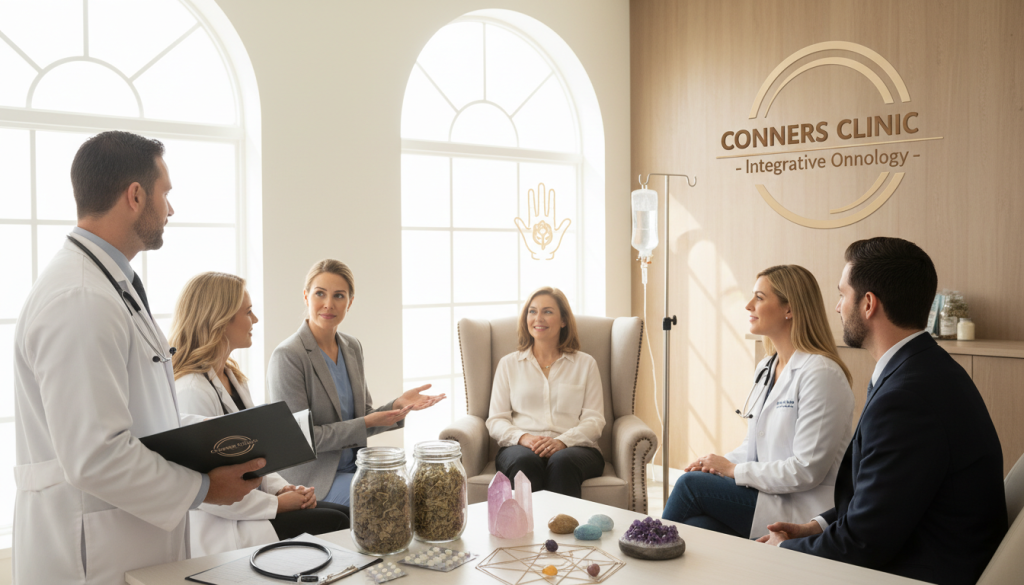
This society is dedicated to bridging a crucial gap. It connects standard medical practice with evidence-based complementary therapies. The goal is a unified, holistic framework for treating individuals.
I am encouraged by this growing field. It combines scientific precision with compassionate, whole-person healing. Working together, these disciplines provide a more comprehensive level of care. This ensures patients receive the best of both worlds during their cancer journey.
| Conventional Oncology Focus | Integrative Oncology Contribution | Collaborative Benefit |
|---|---|---|
| Targeting disease with surgery, chemotherapy, radiation | Managing symptoms, reducing stress, improving quality of life | Addresses both the illness and the person’s overall well-being |
| Rigorous clinical trials and data-driven protocols | Evidence-based complementary therapies (e.g., mind-body techniques) | Creates a more robust, personalized treatment plan |
| Specialized medical expertise | Holistic assessment and patient empowerment strategies | Fosters a supportive, team-based approach to healing |
This convergence represents the future of compassionate medicine. It honors the whole person on every level.
Customized Energy Medicine Programs for Individual Needs
Customization is not a luxury in holistic care; it is the fundamental principle that determines its relevance and impact.
An effective program must be tailored to your specific diagnosis and your unique physical and emotional landscape. This personal approach ensures the sessions directly address your needs.
I insist on working with practitioners who have completed rigorous certification. For example, a Healing Touch practitioner undergoes a multi-year program of study under a mentor.
- This extensive training ensures deep skill and ethical practice.
- It provides a solid foundation for creating a safe, therapeutic space.
Your primary oncology team manages your core medical treatment. A certified practitioner should coordinate with them. This collaboration respects your unique nutritional and physical requirements.
Every person responds differently. Your integrative plan must be flexible, adjusting based on your progress and feedback.
By co-creating a personalized program, you align this supportive work with your overall healing goals. This integration empowers you throughout your journey.
Future Directions in Energy Medicine Research
Definitive answers about the efficacy of many integrative practices are on the horizon, thanks to targeted clinical trials. The National Cancer Institute (NCI) and the NCCIH are actively sponsoring this vital research. Their goal is to provide clear data on biofield interventions for managing complex symptoms.
I look forward to more large-scale, randomized studies. These rigorous trials will offer the evidence needed to validate these supportive treatments. This scientific validation is crucial for the field’s advancement.
Ongoing investigation helps doctors and patients make informed choices. It separates approaches with real benefit from those without strong backing. This process ensures safety and effectiveness in care plans.
As we gather more robust data, integration into standard protocols will likely grow. Clinics and hospitals may adopt these modalities more widely. This would make holistic support a common part of comprehensive care.
My hope is that future studies focus on long-term wellness outcomes for individuals with a cancer diagnosis. Understanding how these practices influence quality of life years later is the next frontier.
Real Stories: Patient Experiences with Energy Therapies
Personal narratives from individuals who have walked this path often illuminate the human side of healing in ways data cannot.
Many patients tell me these therapies help them feel more empowered. They report a stronger connection to their own healing process. Anecdotal evidence also suggests biofield approaches can ease stress and anxious feelings.
Hearing real stories from others facing a cancer diagnosis can be incredibly validating. I have seen firsthand how these treatments provide a sense of comfort during challenging times. Sharing experiences builds a community where people learn from each other’s journeys.
| Reported Benefit | Associated Feeling | Frequently Mentioned Practice |
|---|---|---|
| Reduced Anxiety | Calm and Centered | Reiki or Healing Touch |
| Greater Sense of Control | Empowerment and Agency | Guided Meditation |
| Enhanced Physical Comfort | Deep Relaxation and Peace | Therapeutic Touch Sessions |
While not a substitute for clinical research, these personal accounts highlight the profound impact of integrative support. They offer a unique lens on improving quality of life.
Empowering Your Journey with Energy and Healing
Your path to wellness is a personal journey, one where you hold the map and decide the route. Empowering your journey with energy medicine for cancer support is a proactive step toward holistic health.
Remember, you are the most vital member of your healthcare team. Your voice should guide every treatment decision. I see this as fundamental to compassionate care.
By blending the best of conventional and evidence-based integrative therapies, you create a comprehensive plan. This approach supports your whole self—body, mind, and spirit.
I encourage you to stay curious. Ask questions and prioritize open communication with all your practitioners. This collaboration is key.
You have the strength to navigate this path. With the right support, individuals and patients can find balance and healing throughout their cancer experience.
FAQ
What exactly is energy medicine, and how can it help someone undergoing conventional oncology treatment?
In my practice, I view these approaches as complementary tools that work alongside standard care. They focus on supporting the body’s natural resilience and managing the difficult side effects of treatments like chemotherapy and radiation. Techniques such as acupuncture for nausea or meditation for anxiety are used to improve a patient’s overall quality of life during their healing journey.
Is there any scientific proof that these integrative therapies are effective?
Yes, a growing body of evidence-based research supports their role in symptom management. Numerous clinical studies, including trials published in reputable oncology journals, show that practices like therapeutic massage can significantly reduce pain and fatigue. Mind-body programs, including yoga, have also demonstrated clear benefits for reducing stress and depression in patients.
How do I know if an energy therapy is safe for my specific condition?
Safety is my foremost concern. I always recommend consulting with your primary oncology team first. A qualified practitioner at a clinic like Conners Clinic will conduct a thorough assessment of your individual health status and current treatments. This ensures any integrative strategy, from healing touch to specific exercises, is customized and avoids any interference with your core medical plan.
Can these practices help with the severe fatigue I experience after my sessions?
Absolutely. Addressing cancer-related fatigue is a common goal. Gentle, tailored movement and specific relaxation techniques are central to many integrative programs. These approaches help rebuild your strength gradually, combat the exhaustion from surgery or radiation, and support your body’s energy systems without overexertion.
What’s the difference between an alternative and a complementary cancer therapy?
This is a crucial distinction. An alternative therapy is used *instead of* conventional medicine, which I do not advise. A complementary therapy, which is what I support, is used *alongside* standard treatment. It aims to manage side effects, ease pain, and enhance your emotional well-being, creating a more holistic and supportive care model.
How quickly might I feel benefits from starting an integrative approach like acupuncture or meditation?
The timeline varies, but many people report feeling some positive effects quickly. For instance, acupuncture for nausea or pain relief can sometimes offer improvement within a session or two. The benefits of consistent mind-body practice, such as reduced anxiety and better stress coping, tend to build and deepen over several weeks as part of a sustained program.