
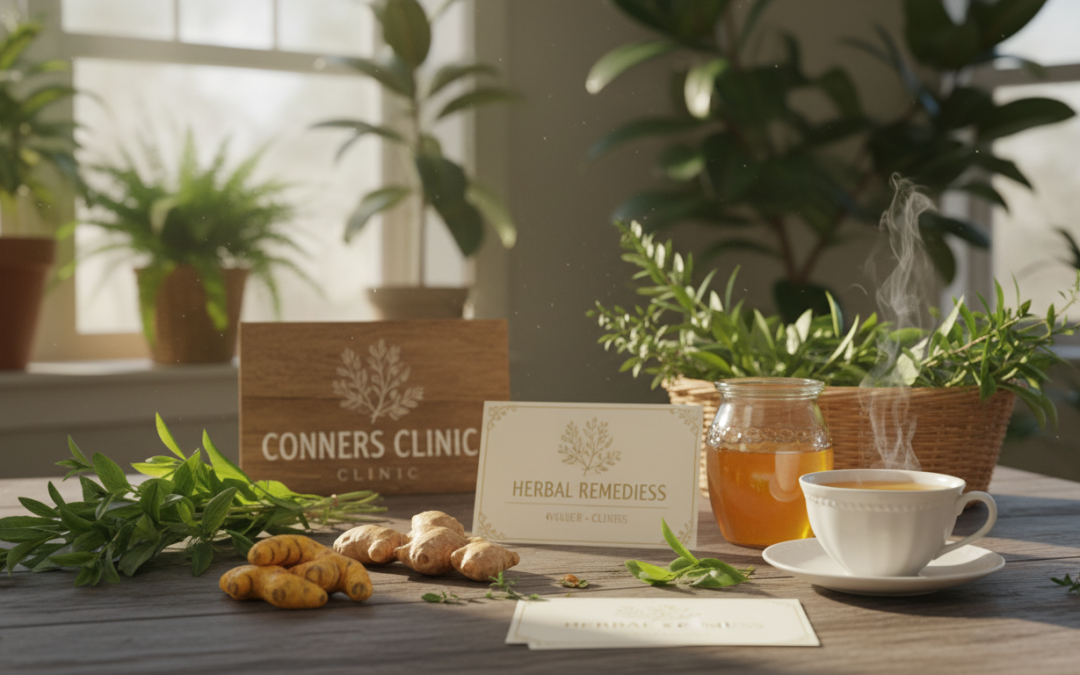
I recently spoke with someone who had just finished their conventional medical treatment. Their primary fear was no longer the initial diagnosis, but the possibility of it coming back. They turned to the internet, desperately searching for holistic ways to build their body’s defenses. This scenario is very common. As Jason Hou of Memorial Sloan Kettering notes, many people seek these options, often guided by well-meaning but non-expert advice.
This experience underscores a major reality today. The amount of health information available is staggering and can leave people feeling lost. My purpose is to provide a clear path. I advocate for a balanced view that firmly roots decisions in evidence-based medicine while acknowledging the value of supportive care.
True progress isn’t about an either-or choice. It’s about intelligent integration. Combining established medical protocols with mindful lifestyle strategies creates a powerful partnership for wellness.
My aim is to equip you to critically evaluate various treatments. We will focus on approaches supported by solid, peer-reviewed science, so you can navigate your journey with greater assurance and clarity.
Key Takeaways
- Many people look for complementary support after primary treatment, frequently sifting through confusing and non-expert information.
- It is vital to separate scientifically validated methods from unproven or misleading claims.
- An integrative approach, blending standard medical care with supportive lifestyle therapies, typically offers the strongest strategy.
- Managing information overload requires focusing on credible sources and clear, actionable knowledge.
- Health choices should be anchored in evidence from rigorous research.
- Always discuss any complementary therapy with your primary healthcare team to ensure safety and coordination.
- Empowerment through knowledge helps reduce anxiety and leads to more confident health decisions.
Overview of Natural Cancer Remedies and Current Trends
In recent years, a significant shift has occurred. Many people look beyond standard protocols for additional wellness support. This trend focuses on integrative approaches that work alongside conventional medicine.
Integrative Approaches Backed by Research
Leading institutions guide this movement. For example, the Integrative Medicine Service at Memorial Sloan Kettering offers acupuncture and massage. These are designed to complement, not replace, primary cancer treatments like surgery.
The key is evidence-based validation. Successful outcomes rely on solid research that confirms safety and purpose. Every added therapy should have a clear, supportive role.
Understanding the Rise of Natural Therapies
Why are more people interested? They seek support for overall health during and after conventional treatment. This includes managing both physical and emotional aspects.
I emphasize that gathering accurate information is the first step. Always use these methods under a qualified doctor’s guidance. This ensures a coordinated and safe care plan.
Insights from Conners Clinic on Evidence-Based Treatments
Navigating a health challenge requires a plan as unique as the individual facing it. At Conners Clinic, we build every care strategy on this principle. Our method integrates modern diagnostics with supportive therapies to address the complete person.
Personalized Care and Integrative Medicine
I advocate for a model where integrative medicine is the framework. This means we look beyond cells to support overall wellness. Our dedicated doctor team creates a tailored plan for each person’s journey.
We combine advanced testing with evidence-based supportive treatments. This empowers people to actively participate in their recovery. Every step is monitored for safety and aligned with your primary treatment.
The goal is to improve life quality during and after medical treatments. By merging these perspectives, we foster a holistic healing environment.
| Aspect | Traditional Focus | Integrative Approach |
|---|---|---|
| Primary Goal | Targeting specific illness | Supporting whole-person health |
| Methodology | Standardized protocols | Personalized, multi-modal plans |
| Patient Role | Mostly passive recipient | Active, informed participant |
| Therapeutic Scope | Primarily pharmaceutical/surgical | Combines conventional and supportive therapies |
This table highlights why a blended path in integrative medicine can be so effective. It provides a clear, coordinated strategy that many people find reassuring.
Complementary Therapies Versus Conventional Cancer Treatments
Patients often ask me how to distinguish between well-researched methods and popular trends. This comparison is foundational for safe, effective care. I always stress that supportive therapies should complement, not compete with, primary medical plans.
Exploring FDA-Approved Cancer Treatments
Conventional treatments like chemotherapy and radiation are the established standard. They target illness with precision and undergo rigorous testing. Modern protocols are safer and more effective than ever before.
These approaches directly manage tumors and rogue cells. Their success is backed by decades of clinical evidence. This solid foundation is why they remain the core of oncologic care.
Weighing the Risks of Unproven Natural Options
Choosing an unverified path carries significant risk. Delaying proven treatment can allow harmful cells to spread. I advise consulting your doctor before starting any new therapy.
Even plant-based products can cause serious side effects. They might also interfere with prescribed drugs. Many people are unaware of these potential dangers.
Resources like the About Herbs database, managed by expert Jason Hou, provide critical information. They help patients verify the evidence behind various complementary therapies before use.
Always seek reliable information from trusted sources. This empowers people to make informed decisions alongside their medical team.
Diet, Spices, and Supplements in Cancer Prevention
What we eat every day can be a powerful ally in supporting our body’s own defense systems. This approach isn’t about replacing primary medical care. It’s about using nourishment as a foundational, supportive strategy.

Boosting Immunity with Herbs and Antioxidants
Board Certified Specialist Cynthia Wigutow highlights specific spices for their supportive roles. Turmeric, ginger, and garlic contain powerful antioxidants. These compounds help protect the body and can inhibit the growth of unwanted cells.
Incorporating these food items into your daily routine can give your immune system a meaningful boost. Simple changes, like adding fresh garlic or oregano to meals, are accessible to most people. For a deeper look at this topic, I often point patients to resources on cancer-fighting herbs and spices.
When considering concentrated support, I always advise caution. High-quality vitamin or herbal supplements should only be used after a discussion with your healthcare team. This ensures they won’t conflict with your primary treatments.
By focusing on nutrient-dense food, you provide your body with the essential tools it needs. This builds strength and resilience, supporting your overall health throughout the entire healing journey.
Deep Dive into Specific Natural Remedies
Three specific topics—cannabis oil, castor oil with laetrile, and the alkaline diet—are frequently presented as miracle cures. I find it essential to scrutinize the data behind these popular claims.
Separating hopeful anecdotes from solid science protects your health. Let’s examine what the research actually says.
Cannabis Oil: Claims, Evidence, and Side Effects
Cannabis oil is often promoted to treat tumors. Yet, no clinical trials prove it shrinks them. Expert Jason Hou notes it’s falsely marketed as a cure.
The 2024 ASCO guideline recommends against using cannabis as a primary treatment. It should only be in clinical trials. Using this oil can cause side effects like memory loss.
It may also interfere with your body’s ability to metabolize other drugs. If you have nausea from conventional treatment, talk to your doctor about FDA-approved products instead.
Castor Oil and Laetrile: Myths Versus Facts
Castor oil gains popularity on social media. There is zero scientific evidence it can treat illness through topical use.
Laetrile, sometimes called vitamin B-17, is dangerous. It breaks down into cyanide inside the body. This poison can kill healthy cells and cause severe harm.
It does not target rogue cells as claimed. This is a critical myth to dispel for safety.
Alkaline Diet and pH Manipulation Explained
The alkaline diet is based on a misconception. It claims food can change your blood pH level. Your kidneys and lungs tightly regulate this, regardless of diet type.
Eating certain foods cannot make your body more alkaline to fight disease. Many people are misled by anecdotal claims. I urge you to look at the evidence before trying any unproven form of therapy.
| Remedy | Primary Claim | Scientific Evidence | Key Risk |
|---|---|---|---|
| Cannabis Oil | Can shrink tumors and cure disease | No human studies support efficacy | Drug interactions and side effects |
| Castor Oil / Laetrile | Topical application or compound kills harmful cells | Zero evidence for treatment; laetrile is toxic | Cyanide poisoning from laetrile |
| Alkaline Diet | Alters body pH to inhibit cell growth | Body pH is constant; diet cannot change it | Nutritional imbalance and false hope |
This comparison highlights why evidence is non-negotiable. Always discuss any new approach with your healthcare team.
Managing Side Effects and Enhancing Quality of Life
Modern medicine has made significant strides in reducing the burden of side effects from aggressive treatments. Managing these reactions is crucial for maintaining good quality life during and after care.
Understanding Potential Side Effects of Natural Remedies
I must emphasize that even plant-based products can cause adverse effects. They may interact with prescription drugs or your primary therapy.
Always inform your doctor about everything you use. This coordination prevents unexpected complications.

How Integrative Methods Improve Well-Being
Many people find that acupuncture or massage helps them cope. These therapies provide a mental health boost during difficult treatments.
New radiation techniques are highly precise. They destroy tumors while sparing healthy cells, reducing side effects.
By focusing on evidence-based integrative medicine, we help the body recover more effectively. The goal is to enhance your comfort and safety throughout your journey.
Integrative Cancer Therapies: Merging Conventional and Natural Approaches
Empowering your care journey involves actively seeking knowledge, including understanding the value of clinical trials and second opinions. The most powerful strategy merges established medical protocols with supportive, evidence-based integrative therapies.
This fusion creates a comprehensive plan that addresses the whole person. It works to enhance quality of life while pursuing primary treatment goals.
The Role of Clinical Trials, Second Opinions, and Research
Participating in clinical trials is one of the best ways to access cutting-edge treatments. These trials are the engine of medical progress, rigorously testing new therapies for safety and effect.
I strongly encourage seeking a second medical opinion if you have doubts. This step can provide immense reassurance and clarity. It may also reveal additional options, including eligibility for specific clinical trials you hadn’t considered.
Complementary therapies should always be an addition to, not a replacement for, standard care. Many people benefit from a multidisciplinary team that expertly blends conventional medicine with supportive approaches.
Research is constantly evolving. Staying informed about new clinical trials can open doors to previously unavailable treatments. For insights into cutting-edge integrative strategies, connecting with expert resources is key.
Working with your doctor to evaluate all options reduces risk. It ensures your care plan is both comprehensive and grounded in solid evidence. Always verify the credentials of any therapist before integrating a new therapy.
Final Reflections on Empowering Your Cancer Journey
Ultimately, empowerment in health comes from merging confidence in your decisions with trust in your medical team. I hope this guide has provided the clarity you need to navigate complex treatments with hope.
Remember, you are not alone. Many people and resources are ready to support your unique path. Always prioritize safety through open communication with your doctor.
Your journey is distinct. By combining the best of conventional medicine with supportive integrative care, you can work toward a better quality of life. This balanced approach is truly empowering.
FAQ
What is integrative medicine for oncology?
In my practice, I view integrative medicine as a powerful, patient-centered strategy. It combines the precision of conventional treatments like chemotherapy with supportive complementary therapies. The goal is to manage side effects, support the body’s resilience, and improve a person’s overall quality of life during their care journey.
Can diet and supplements really help during cancer treatment?
Yes, but it must be done carefully and under guidance. I often recommend specific nutritional strategies to support immune function and manage symptoms. For instance, certain antioxidants from foods can be beneficial, but high-dose supplements may interfere with some therapies. A personalized plan from a knowledgeable professional is key.
What is the evidence for using cannabis oil?
Current research, including clinical trials, shows that compounds in medical cannabis can be effective for managing chemotherapy-induced nausea and certain types of pain. However, claims about it directly shrinking tumors lack strong scientific backing. I always advise discussing its use with your oncologist, as quality, dosage, and drug interactions are critical considerations.
Are there risks to using only alternative therapies?
A> Absolutely. Choosing unproven options over FDA-approved treatments can pose a significant risk. Some alternative products can have toxic side effects or may interfere with proven therapies. My role is to help patients navigate these choices, ensuring safety isn’t compromised while exploring supportive, evidence-based complementary methods.
How do integrative methods improve well-being during treatment?
They focus on the whole person, not just the disease. By incorporating supportive therapies—which may include targeted nutrition, stress-reduction techniques, or acupuncture—we aim to reduce side effects like fatigue and vomiting. This holistic support empowers patients, often helping them better tolerate their primary treatments and maintain a stronger sense of control.
Why are clinical trials and second opinions important?
They are cornerstones of empowered care. Reputable trials provide access to the latest evidence-based therapies. Seeking a second opinion offers a fresh perspective on your diagnosis and all available treatment options, including integrative approaches. I encourage this step to ensure your plan is both comprehensive and tailored to you.