

I recently spoke with a man named David, a week after he received his diagnosis. He felt lost in a sea of medical terms and feared his path forward was a rigid, one-size-fits-all protocol. His story is not unique. Every year, millions face similar news, feeling a profound loss of control over their health and future.
This moment is precisely where a different approach can make all the difference. Integrative oncology doesn’t see you as just a diagnosis. It views you as a whole person. It thoughtfully combines the best of modern medicine with evidence-based supportive practices. The goal is to support your entire well-being while you fight the disease.
My role is to bridge that gap for you. I start by deeply understanding your specific situation—your health history, your concerns, and your goals. From there, I build a strategy that addresses your unique physical and emotional needs. This method relies on science-backed therapies that work with your body’s natural healing processes.
Clear communication and compassionate support are the cornerstones of my practice. You should never feel alone on this journey. By weaving together diverse, effective therapies, we can create a roadmap focused on your long-term health and quality of life.
Key Takeaways
- A cancer diagnosis can be overwhelming, but you have options beyond standard protocols.
- Integrative oncology combines conventional medical treatments with complementary, evidence-based wellness practices.
- Effective care addresses the whole person—body, mind, and spirit—not just the disease.
- Your treatment strategy should be tailored to your individual diagnosis, health status, and personal goals.
- Open communication and ongoing support are essential for navigating the care journey with confidence.
- The focus is on using safe, researched methods to support the body’s ability to heal and achieve better outcomes.
Understanding Personalized Integrative Cancer Treatment
I want to clarify what this field truly means. Integrative oncology is a patient-centered model. It uses evidence-informed strategies for comprehensive care.
This is not alternative medicine. It does not replace standard therapies. Instead, it works alongside them for better safety and support.
My goal is to help you become an active participant in your own care. This applies from diagnosis through active treatment and into survivorship.
| Aspect | Alternative Medicine | Integrative Oncology |
|---|---|---|
| Core Definition | Used instead of conventional medical care. | Combines complementary approaches with standard care. |
| Relationship to Standard Care | Seeks to replace it. | Works as a coordinated partner. |
| Primary Goal for the Patient | Offers a separate path. | Creates a unified, safer strategy for better outcomes. |
By combining researched natural products with conventional medicine, we build a supportive environment. Understanding this difference is vital for anyone facing a cancer diagnosis.
The Role of Alternative Cancer Treatment at Conners Clinic
At Conners Clinic, I frequently meet patients looking for safe, evidence-based adjunctive therapies. My primary role is to offer guidance on alternative cancer treatment options that work alongside your primary medical care.
This approach does not replace conventional oncology. Instead, it seeks to enhance its effectiveness and your comfort. Leaders in the field, like Dr. Bharat Patodiya, show how this model addresses both physical and emotional needs.
I provide the support you need to evaluate various therapies. The goal is to maintain the integrity of your standard cancer treatment while exploring supportive options. Every therapy considered is vetted for safety and scientific backing.
My work ensures any chosen path aligns with your specific oncology goals. By integrating these services, I help individuals find a balance that supports overall well-being during challenging phases. You can explore our verified clinic resources to see how these specialized protocols are incorporated.
Ultimately, the aim is to create a unified strategy focused on your quality of life. Conners Clinic serves as a resource for this comprehensive, patient-centered care.
Benefits of Integrative Oncology for Cancer Care
Clinical data now clearly supports the value of a coordinated, holistic approach to managing a serious illness. The primary goal is to make your journey safer and more manageable.
Research shows a specialized, multidisciplinary team can reduce treatment side effects by 35-40%. This is a significant finding for anyone undergoing rigorous medical care.
Managing these effects directly improves your daily experience. In fact, patient-reported quality life outcomes improve by about 35% with this model.
My role is to apply this evidence to your situation. We track specific health metrics to ensure our combined approaches lead to the best possible results.
This focus on measurable outcomes helps your body better tolerate necessary interventions. The ultimate benefit is a stronger, more supported you.
Incorporating Complementary Therapies with Conventional Treatments
The strategic addition of complementary therapies can profoundly improve the experience of medical care. My role is to weave these evidence-based supports into your primary strategy seamlessly.
For instance, research shows that even brief, 30-minute music therapy sessions significantly lower pain and anxiety. I incorporate this to help individuals manage the distress often linked to conventional cancer treatment.
Similarly, acupuncture and acupressure are powerful tools. They are clinically proven to prevent and treat nausea from chemotherapy. I recommend this therapy to help patients control these common side effects.
My approach ensures your body gets necessary support. This includes nutritional guidance and mind-body practices during your care journey.
I carefully coordinate all complementary therapies. The goal is to avoid any interference with your main medical plan. We monitor every intervention closely.
This focus helps maintain your strength and resilience. It creates a unified, safer strategy for better outcomes during intensive procedures.
personalized integrative cancer treatment plans
The core of my practice is built on a simple, powerful principle: your biology is unique, and your path to wellness should be too. This belief drives every decision I make.
To honor this, I utilize advanced molecular profiling and biomarker analysis. This process, pioneered by experts like Dr. Bharat Patodiya, maps the specific characteristics of your condition. It moves us far beyond generic protocols.
| Assessment Focus | Traditional Assessment | Our Advanced Assessment |
|---|---|---|
| Primary Data Source | General diagnosis and staging. | Detailed genetic and molecular profiling. |
| Goal of the Plan | Apply a standard protocol for a disease type. | Create a customized strategy targeting your unique biology. |
| Adaptability | Often static during a course of care. | Continuously refined based on your ongoing response and new data. |
Integrating genetic testing is a cornerstone. It allows for a level of precision medicine that directly informs both conventional and supportive treatment choices. This data helps us select therapies with the highest potential benefit for you.
Your strategy is never set in stone. We continuously refine your care plan based on how you respond. This dynamic approach ensures your journey is as unique and evolving as you are.
Molecular Profiling and Comprehensive Patient Assessment
In my practice, the first step is always a detailed map—not of the disease, but of the person facing it. This comprehensive view forms the bedrock of a precise and effective strategy.
Genetic Testing and Biomarker Analysis
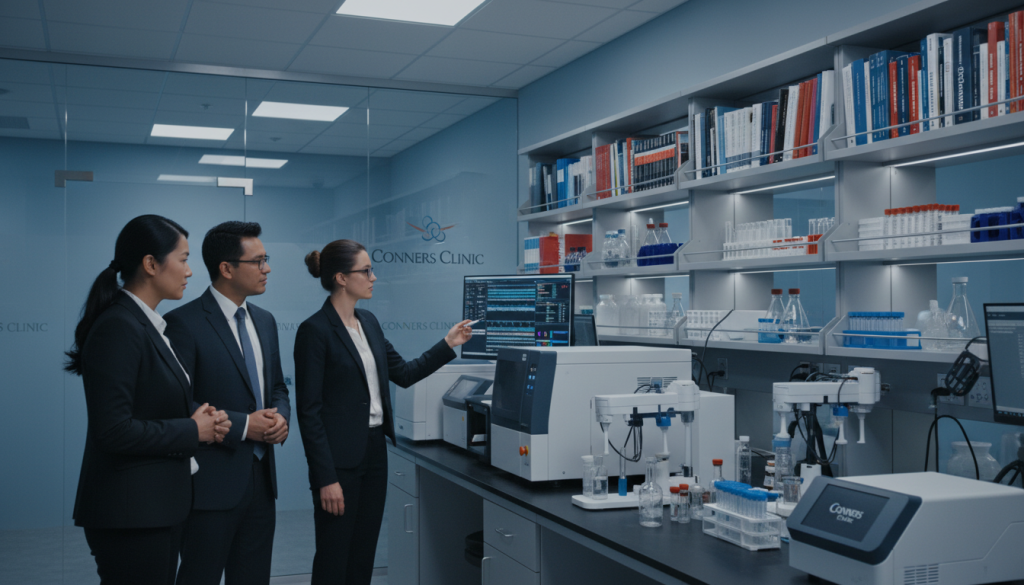
I utilize advanced genetic testing and biomarker analysis. This process identifies the specific molecular drivers of your condition.
Understanding this biology allows for highly targeted care. It ensures any supportive strategies enhance your primary medical approach.
Tailoring Therapies to Individual Needs
Data from this profiling lets me tailor every therapy to your individual needs. My assessment also reviews your nutritional status and emotional well-being.
By analyzing the biology of the cell, we minimize potential risks. Patients benefit as we adjust their path based on real-time results.
My goal is to ensure your integrative journey is both safe and highly effective. Every decision is grounded in rigorous analysis for your unique situation.
Cancer-Type-Specific Integrative Approaches
The biology of breast cancer differs fundamentally from that of leukemia, which is why our supportive protocols must too. My approach is built on this understanding. It tailors every strategy to the unique challenges of your specific diagnosis.
This ensures the support you receive is as precise as the disease we are addressing. Generic methods often miss critical needs.
Specialized Protocols for Breast and Lung Cancers
For individuals with breast-related diagnoses, I focus on specific symptom management. This includes addressing hormone-related side effects and strategies for lymphedema.
For lung cancers, the priority shifts to supporting respiratory function and managing fatigue. Each protocol is designed to work seamlessly with your primary medical care.
Addressing Colorectal and Blood Cancers
With colorectal diagnoses, specialized nutritional counseling becomes a cornerstone. It helps maintain digestive health and overall strength during rigorous interventions.
For blood cancers, such as leukemias, comprehensive immune support is critical. My strategies emphasize infection prevention to protect patients during chemotherapy.
| Cancer Type | Primary Support Goal | Key Management Strategies |
|---|---|---|
| Breast Cancers | Manage treatment side effects & lymphatic health | Hormone symptom support, lymphedema care |
| Lung Cancers | Enhance respiratory function & energy | Breathing exercises, fatigue management |
| Blood Cancers | Bolster immune defense during treatment | Infection prevention protocols, immune nutrition |
This level of specificity directly improves your daily experience and long-term health outcomes. My integrative oncology practice is dedicated to providing this nuanced, compassionate level of support.
Enhancing Quality of Life Through Integrative Care
Beyond targeting the disease itself, a crucial aspect of healing involves nurturing your overall well-being. My work focuses on improving how you feel every single day.
This means actively managing the challenges that come with medical interventions. It also means fostering resilience in both body and mind.
Managing Side Effects and Symptoms
I use evidence-based mind-body practices to help you. Techniques like meditation and focused breathing are powerful tools.
They are shown to improve mood while reducing stress, anxiety, and pain. This is vital for anyone navigating a cancer journey.
Persistent issues like insomnia and fatigue often continue despite standard treatment. My integrative approach directly addresses these to enhance your daily quality of life.
| Common Symptom | Standard Management | Integrative Support Strategy |
|---|---|---|
| Anxiety & Stress | Medication as needed | Daily meditation, guided breathing exercises |
| Fatigue | Rest recommendations | Structured activity pacing, nutritional counseling |
| Pain | Analgesic medications | Mindfulness, acupuncture referral |
Promoting Emotional and Physical Wellbeing
I believe emotional health is just as important as physical recovery. My care includes strategies to help patients cope with diagnosis-related stress.
We use guided imagery to foster a sense of inner peace. This empowers you to better manage side effects.
The goal is to ensure you feel supported and in control. This leads to a better life experience despite the challenges.
Coordinating Multidisciplinary Cancer Care Teams
In my experience, a unified team approach consistently leads to better patient outcomes. Modern oncology requires the coordinated effort of diverse experts. This ensures every aspect of your journey receives focused attention.
Collaboration Between Oncologists and Integrative Specialists
I actively facilitate this partnership. Leaders like Dr. Bharat Patodiya assemble comprehensive care teams. These include oncology nurses, pharmacists, and nutritionists.
Dr. Patrick Richard of RMCC Boulder collaborates with diverse experts. Their goal is to provide integrative strategies that factor in quality of life. This collaboration is the cornerstone of a safe, effective strategy.
Benefits of Regular Tumor Board Reviews
Dr. Patodiya emphasizes the importance of regular tumor board meetings. Here, specialists collaborate to optimize the treatment for all patients. These reviews solve complex problems with collective expertise.
My team ensures every part of your cancer treatment is reviewed. This process provides the best possible support. It addresses the multifaceted needs of every individual we serve.
By working as a cohesive team, we bring together diverse specialists. This creates a powerful network focused on your well-being.
Navigating the Integration of Conventional and Complementary Therapies
One of the most common questions I hear is how to safely combine mainstream and supportive therapies. My role is to provide the guidance you need for this process.
Experts like Dr. Patrick Richard of RMCC Boulder show the way. He blends naturopathic approaches, lifestyle medicine, and conventional oncology. This blend can improve how well you tolerate radiation and chemotherapy.
Safety is my top priority. I work closely with oncology pharmacists. They screen for supplement-drug interactions that could weaken your primary treatment.
Every complementary therapy must be timed correctly. We coordinate it with surgeries or other procedures. This protects your health during every phase.
| Aspect of Integration | Potential Risk | Our Safeguard |
|---|---|---|
| Supplement Use | Interference with chemotherapy | Pharmacist-led interaction screening |
| Therapy Timing | Reduced effectiveness of care | Coordinated scheduling with your medical team |
| Patient Decision-Making | Information overload | Clear, evidence-based guidance and education |
By providing clear information, I empower patients to make informed choices. This careful navigation ensures all approaches work together. For a deeper look at this model, explore integrative medicine within cancer care.
Addressing Accessibility and Financial Considerations
Navigating the financial aspects of a serious illness can be as daunting as the diagnosis itself. I believe high-quality support should be within reach for everyone, regardless of their economic situation.
This commitment drives the practical solutions I offer. My goal is to remove monetary barriers so you can focus entirely on your well-being.
Subscription-Based Support Models and Flexible Payment Plans
I address this need through structured, affordable options. For example, models like Pi Cancer Care offer subscription-based services starting at a low cost for three months.
This makes consistent guidance accessible. Flexible payment plans are also available to ease the burden of upfront costs.
Financial assistance programs are a key part of my work. I help families navigate government health insurance schemes and identify support from charitable organizations.
Transparent pricing is a cornerstone of my practice. You will always know what to expect, with no hidden fees.
We work directly with you to explore all options. This ensures your focus remains on recovery, not financial risk.
My commitment is to provide accessible, high-quality services. Every patient deserves this level of care and support during their journey.
Leveraging Evidence-Based Research for Treatment Efficacy
The foundation of effective supportive care lies in rigorous clinical research. I leverage evidence-based studies to ensure every recommendation is grounded in solid science.

Clinical Studies and Success Metrics
Programs like the University of Michigan Integrative Oncology Scholars Program train experts to evaluate therapies. Funded by the National Cancer Institute, this rigorous training is essential.
It helps assess the efficacy of various supplements and supportive measures. My practice is dedicated to ongoing research.
We need to understand how every therapy affects the malignant cell and overall health. I carefully review supplement use, ensuring they are supported by studies.
They must not interfere with primary oncology care. Coordinated integrative approaches delivered by specialized teams can reduce treatment side effects by 35-40%.
By tracking success metrics, I demonstrate how these methods improve outcomes for patients undergoing conventional cancer treatment. We prioritize research-backed interventions.
This provides you with confidence that your strategy is based on the best available scientific evidence.
Moving Forward with Your Integrative Cancer Journey
Taking control of your health journey means choosing strategies that align with your unique biology and goals.
I am here to provide the guidance you need. Blending conventional oncology with evidence-based complementary care aims to enhance your quality of life.
You have the power to make informed decisions about your treatment. I encourage all patients to reach out. We can discuss integrating these therapies into your current medical plan for cancer.
Together, we will navigate this path. We focus on your long-term wellness and strength. Your healing journey is my priority.
I am committed to providing compassionate support every step of the way.
FAQ
What exactly is integrative oncology?
Integrative oncology is a patient-centered model that thoughtfully combines the best of conventional medicine—like chemotherapy and radiation—with evidence-based complementary therapies. I recommend it to create a more comprehensive strategy that targets the disease while actively supporting your body’s health and resilience.
How does this approach work alongside my standard oncology care?
It works collaboratively. My goal is never to replace your primary oncologist but to build a supportive team. We focus on strategies to help manage side effects, improve nutritional status, and reduce stress, which can help you better tolerate and potentially benefit more from your conventional protocols.
What kind of complementary therapies might be included in a plan?
A> Plans are highly individualized, but they often incorporate modalities like targeted nutritional support, specific supplement protocols, mind-body techniques such as meditation, and therapies to support detoxification. Every recommendation is based on your unique diagnosis, test results, and personal health goals.
Can integrative care help with the side effects of treatment?
Absolutely. A major focus is on enhancing your quality of life. We employ specific, research-backed strategies to help alleviate common challenges like fatigue, nausea, neuropathy, and emotional distress, allowing you to feel stronger throughout your journey.
Is this type of care covered by insurance?
Coverage varies widely. While some diagnostic testing or consultations may be covered, many complementary services are often out-of-pocket. At our clinic, we offer transparent pricing and flexible payment options, including a subscription model for ongoing support, to make this vital care more accessible.
How do I start an integrative cancer journey at Conners Clinic?
The first step is a comprehensive assessment. This involves a deep review of your medical history, advanced lab testing, and an analysis of your lifestyle. From this data, I craft a tailored roadmap that aligns with your conventional care and personal objectives, guiding you every step of the way.