
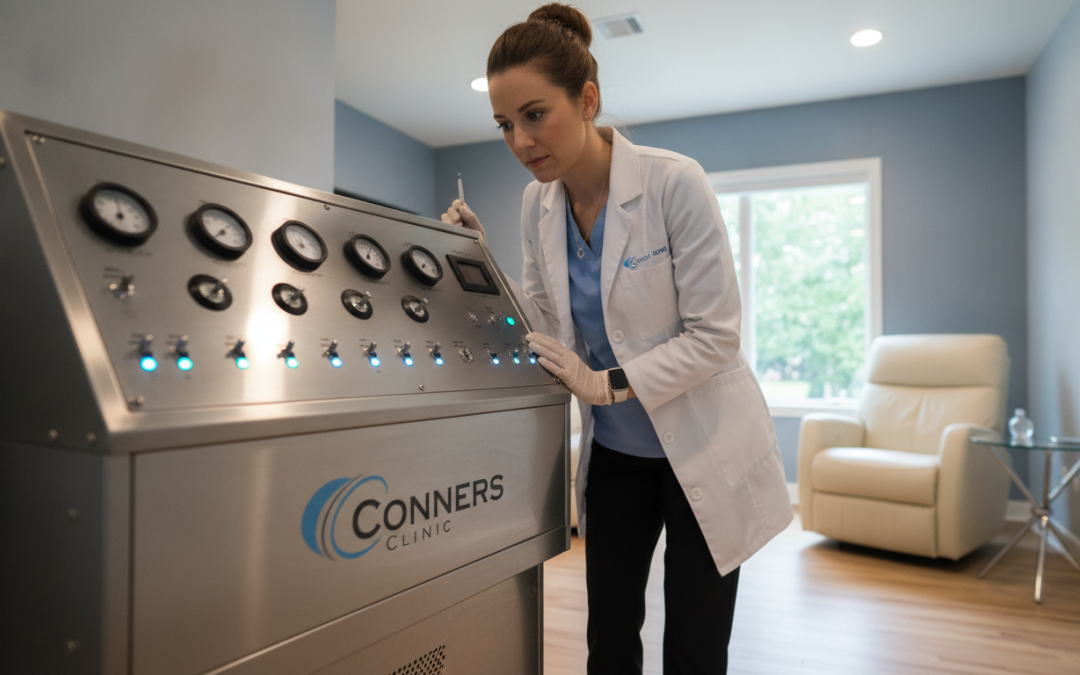
Facing a cancer diagnosis can be one of the most challenging experiences in life. Many individuals seek out alternative treatments, hoping for a miracle. One such option that has garnered attention is the Rife machine, developed by American scientist Royal Raymond Rife in the 1920s. This device is often discussed in the context of its potential to treat cancer, but understanding its actual effectiveness is crucial.
In this guide, I aim to help you navigate the complex landscape of the Rife machine and its role in modern health. It’s essential to differentiate between anecdotal claims and scientific evidence when considering treatment options. While supporters of the Rife machine believe it can target and disable cancer cells using specific frequencies, there is a lack of reliable evidence to support these claims.
We will explore the history of this device and examine its perceived effectiveness in providing relief. My goal is to present a balanced perspective that considers both the enthusiasm of its advocates and the skepticism of the medical community.
Key Takeaways
- The Rife machine was created in the 1920s by Royal Raymond Rife.
- Many patients explore alternative treatments for cancer, including the Rife machine.
- Scientific evidence supporting the Rife machine as a cancer treatment is limited.
- Understanding the difference between anecdotal and scientific claims is vital.
- This guide aims to provide a balanced view of the Rife machine’s role in health.
Introduction to royal rife machine effectiveness
Being diagnosed with cancer is a life-altering experience. Many individuals seek alternative treatments, hoping to find relief and healing. One such option is the Rife machine, which uses electromagnetic frequencies to target diseased cells.
The core concept behind these machines involves using specific frequencies to aim at cancer cells. This theory has been around since the early twentieth century and continues to attract attention. As an expert, I aim to clarify the purpose of this guide. It will analyze the current state of research regarding these devices.
We will also explore how these machines are marketed to those desperate for effective cancer treatment. While many devices claim to work, the scientific community remains skeptical due to a lack of peer-reviewed data. This guide serves as a comprehensive resource to help you distinguish between unproven claims and the realities of modern medical treatment.
Historical Origins and Development of the Rife Machine
Receiving a cancer diagnosis can turn your world upside down. Many individuals seek answers and alternative treatments. One such option is the Rife machine, developed by American scientist Royal Raymond Rife in the 1920s. His groundbreaking work aimed to identify and eliminate pathogens through electromagnetic frequencies.
Rife’s hypothesis centered on the idea that bacilli were causal factors in many diseases, including cancer. His belief was that by tuning into the electrical impulses of diseased tissue, he could neutralize the underlying causes of illness. This innovative approach laid the groundwork for what we now refer to as electromagnetic frequency therapies.
Although Rife’s original experiments faced condemnation from the American Medical Association, his legacy persists. Today, various rife machines are marketed as revolutionary tools for those battling advanced cancer. It is essential to examine how these early ideas have evolved into modern therapies that are still debated by researchers.
| Aspect | Details |
|---|---|
| Inventor | Royal Raymond Rife |
| Year Developed | 1920s |
| Core Idea | Using frequencies to target pathogens |
| Controversy | Condemned by the AMA |
| Current Usage | Various marketed machines for cancer treatment |
Understanding Electromagnetic Frequencies in Alternative Healing
The path of cancer treatment can be fraught with uncertainty and hope. One area that has gained attention is the use of electromagnetic frequencies in alternative healing. Supporters claim these frequencies can target cancer cells without the harsh effects of traditional radiotherapy.
Unlike X-rays, which employ high energy, these devices utilize low energy waves. This allows them to interact with the body at a cellular level. The basic science suggests that a specific frequency may disable diseased cells, though this remains largely unproven in clinical settings.
I often explain to patients that while the 27.12 MHz frequency is approved for medical use, its application in these devices is highly controversial. Understanding the difference between these low energy waves and standard cancer treatment is crucial for maintaining your safety and health.
Scientific Research and Clinical Studies on Rife Machines
Navigating a cancer diagnosis often leads individuals to explore various treatment options. Among these, Rife machines have been a topic of interest. However, the scientific community has raised questions about their efficacy.
Rigorous clinical trials are the gold standard for medicine. Yet, most studies on these machines fail to meet these high standards. In a notable study involving 1162 patients, researchers found that the placebo effect often mimics the results seen in alternative therapy trials.
Some laboratory findings have shown that low frequency waves can affect cancer cells, but these results have not been replicated in humans. The primary challenge in this research is the lack of standardized protocols, which makes it difficult for people to trust the reported outcomes.
We must demand better evidence before accepting that these machines can provide a reliable alternative to conventional cancer treatments.
Examining the Claims: Can the Rife Machine Treat Cancer?
A cancer diagnosis can shake the very foundation of your life. Many individuals turn to alternative therapies, hoping to find relief. Among these, the Rife machine often comes up in discussions. However, it is crucial to examine the claims surrounding its use.
Anecdotal evidence is abundant, with many websites asserting that these devices can cure cancer. Yet, these claims are primarily based on personal testimonials rather than scientific data. When we analyze the evidence, the potential benefits are often overshadowed by the lack of rigorous, peer-reviewed validation.
Some patients report side effects, such as electrical shocks or rashes. This highlights the risks of using unproven devices on the body. It is heartbreaking to see individuals forsake proven cancer treatments for a Rife machine that has not been tested for safety or efficacy.
In my professional opinion, we must prioritize evidence-based medicine. This approach ensures that patients do not suffer from the consequences of medical fraud.
Integrative Approaches in Complementary and Alternative Medicine
The journey through cancer treatment can often feel overwhelming and isolating. Many individuals seek alternative therapies, hoping to find a solution that resonates with their needs. Among these options, Rife machines stand out, but how do they compare to other therapies?
Integrative medicine aims to bridge the gap between traditional and alternative approaches, but it must be rooted in scientific truth. When we compare these machines to therapies like homeopathy, we see a similar pattern of reliance on testimonials over clinical results.
Many alternative practitioners offer empathy and time, which can be very attractive to those who feel abandoned by conventional medicine. However, we must be cautious not to let the desire for gentle treatment lead us toward methods lacking proven effects on cancer cells.
True integrative care should empower patients with information. This enables them to ask for evidence before committing to any specific type of therapy. Always prioritize safety and proven efficacy when exploring your options.

How to Safely Purchase a Rife Machine
A cancer diagnosis can feel like a storm disrupting your life. If you are considering exploring Rife technology, it’s essential to approach the purchase of a device with caution. You must prioritize safety and seek out reputable machines that provide clear technical specifications.
Here are some key features to look for in a quality device:
- Safety Features: Ensure the machine has built-in safety mechanisms.
- Technical Specifications: Look for detailed descriptions of frequencies and their intended effects.
- Quality Components: Verify that the device is made with high-quality materials for consistent performance.
If you are ready to invest in this technology, you can find a programmed Rife machine here.
Remember, the cost of these machines can range from hundreds to thousands of dollars. Protecting your health means being skeptical of any device that claims to offer miracle cures without transparent data. Make sure you are investing in a machine that has been vetted by experienced practitioners.
Considerations for Electromagnetic Treatments in Modern Healthcare
The reality of a cancer diagnosis can prompt individuals to seek out diverse healing modalities. As they explore options, it’s crucial to consider the regulatory landscape surrounding these treatments.
Regulatory bodies, such as the Australian National Medical and Health Research Council, have historically found no high-quality evidence for similar microwave therapies. This lack of robust findings raises questions about the safety and efficacy of many devices marketed to vulnerable people.
Modern healthcare standards require that any new treatment undergo rigorous testing to ensure that the benefits outweigh the potential risks. It is concerning that regulation in this area remains lax, allowing unproven devices to be marketed without sufficient oversight.
We must continue to push for better safety standards. This will protect patients from fraudulent claims and dangerous medical advice. As we look at the findings from recent years, it is clear that we need more transparency in how these treatments are evaluated and regulated.
For those interested in exploring alternative options, I recommend reviewing more about alternative medicine modalities to make informed decisions.
Final Reflections on Royal Rife Machine Effectiveness
When faced with a cancer diagnosis, many individuals search for new paths to healing. While the theory behind these frequencies is intriguing, there is currently no reliable evidence to support their use as a cure for cancer.
I encourage all people to consult with their oncologists before adding any new treatment to their existing care plan for a serious disease. The results of well-designed studies consistently show that we must be cautious when evaluating the effectiveness of any new medical device.
It is my hope that this guide has provided you with the quality information needed to make informed decisions about your health and future. We must continue to prioritize scientific rigor to ensure that every type of therapy we use is both safe and effective for all patients.
FAQ
What is the purpose of using electromagnetic frequency devices in cancer treatment?
These devices aim to target cancer cells by utilizing specific frequencies that may disrupt their function, potentially aiding in their destruction.
Are there any clinical studies supporting the effectiveness of these devices?
Some clinical trials have explored the impact of electromagnetic therapies on cancer, but results vary, and more rigorous research is needed to establish definitive conclusions.
What are the potential side effects of using these machines?
While many users report minimal side effects, some may experience fatigue or discomfort. It’s essential to consult with a healthcare professional before starting any new treatment.
How do these devices compare to traditional cancer treatments?
Electromagnetic therapies are often viewed as complementary options rather than replacements for conventional treatments like chemotherapy or radiation.
Can anyone use these devices safely?
While many individuals can use these devices, it’s crucial to seek medical advice, especially for those with underlying health conditions or who are pregnant.
What should I look for when purchasing an electromagnetic frequency device?
Key features to consider include the device’s frequency range, safety certifications, and user reviews to ensure reliability and effectiveness.
Where can I find reputable sources to purchase these devices?
It’s advisable to buy from established companies that provide clear information about their products, along with customer support and return policies.
How do I know if electromagnetic therapy is right for me?
Consulting with a healthcare provider who understands both traditional and alternative treatments can help determine if this therapy aligns with your health goals.