
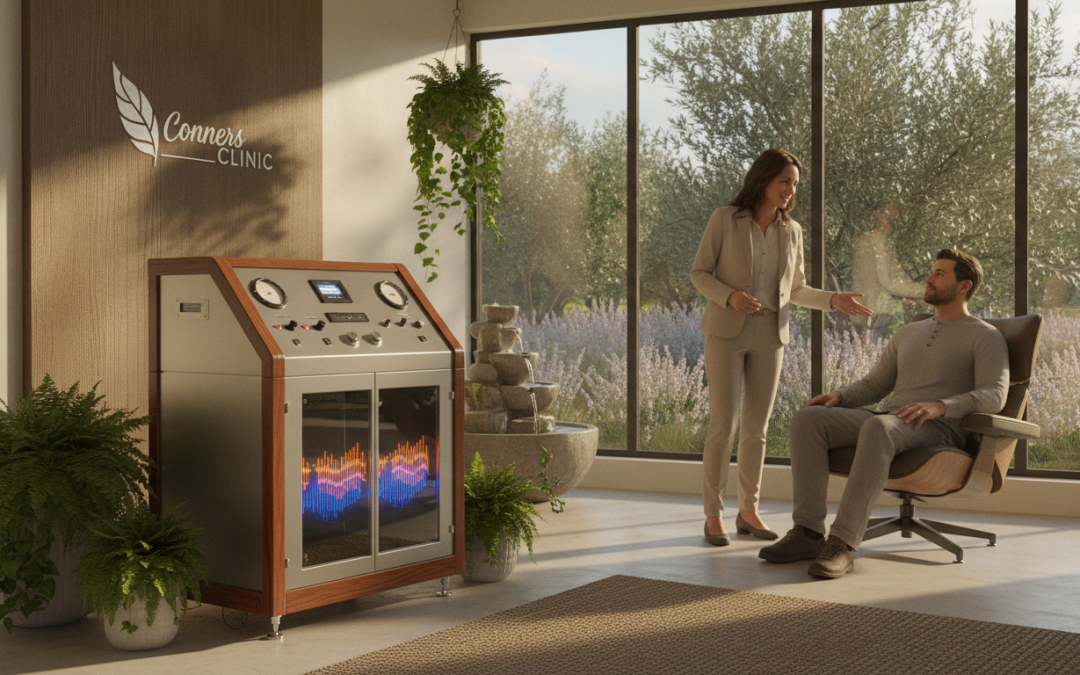
In our quest for better health, many of us find ourselves exploring alternative treatments. The royal rife machine has emerged as a popular option, especially among those seeking ways to support their well-being. Developed by Royal Raymond Rife in the 1920s, this device claims to harness electromagnetic frequencies to target and treat various health conditions, including cancer.
As an expert in integrative care, I often encounter patients who are curious about this technology. They hope it may offer solutions where conventional methods have fallen short. However, it’s essential to approach these claims with caution. While some advocate for its benefits, there is a notable lack of clinical evidence supporting its effectiveness.
This guide aims to provide a balanced view of the rife machine, exploring its history, functionality, and the potential risks involved. By examining the science behind electromagnetic waves and their interaction with cancer cells, we can better understand this controversial treatment.
Key Takeaways
- The royal rife machine is a controversial alternative treatment.
- Claims of curing cancer lack substantial scientific support.
- Understanding the technology’s history is crucial for informed decisions.
- Evaluating risks and benefits can help in your wellness journey.
- Research is essential to navigate unproven medical claims.
Understanding the Royal Rife Machine Holistic Approach
Many individuals are increasingly turning to alternative therapies in their pursuit of optimal health. One notable figure in this field is Royal Raymond Rife, an American scientist who developed his frequency generator in the 1920s. Rife believed his device could target specific pathogens using electromagnetic frequencies.
The legacy of Raymond Rife continues to inspire many people seeking alternative health solutions. Proponents of the rife machine often claim it can address various conditions by emitting specific frequencies that disrupt diseased cells in the body. However, it’s crucial to distinguish between Rife’s historical claims and the lack of modern scientific validation.
While the machines available today are marketed as gentle therapies, they often lack the rigorous testing required for conventional medical devices. I emphasize that although the history of this technology is intriguing, the claims regarding its ability to cure or manage cancer remain unsupported by clinical data.
Exploring Scientific Research and Evidence
People are increasingly looking beyond traditional medicine for solutions to their health issues. This curiosity leads many to explore the scientific research surrounding alternative therapies, particularly those involving electromagnetic frequencies.
A notable 2012 study found that specific electromagnetic frequencies could inhibit the growth of cancer cells in a laboratory setting. However, it’s important to remember that this research does not equate to success in human clinical trials.
While the rife machine produces low energy waves similar to radio waves, these are distinct from the high-energy radiation used in standard cancer treatments. I often remind patients that the benefits observed in test tubes do not automatically translate to a cure for cancer in the human body.
Research into electromagnetic frequency therapy is ongoing. Yet, the evidence associated with these machines is largely anecdotal and lacks the peer-reviewed clinical trials necessary to prove their efficacy for any condition.
Comparing Alternative and Conventional Cancer Treatments
In the pursuit of health, many are drawn to explore various treatment options. This includes alternative therapies like the rife machine, which some believe can help treat cancer. However, it’s essential to recognize that no reputable scientific organization supports the claim that these machines can cure cancer.
Many patients tragically delay conventional cancer treatments in favor of unproven methods. This choice can lead to worsening symptoms and a loss of valuable time. When comparing alternative therapies to standard care, we must prioritize evidence-based medicine to ensure the best health outcomes.
While personal testimonials may be compelling, they often lack the scientific rigor necessary to validate a treatment’s effectiveness. I have seen patients invest significant time and money into these devices, only to find their conditions deteriorating without proper medical intervention.
We must remain vigilant against misleading claims that suggest these machines are viable alternatives to proven protocols used by oncologists. Choosing the right path for cancer treatment is deeply personal, but it should always be informed by reliable medical advice. For more information on this topic, you can visit this resource.
The Role of Energy, Waves, and Electromagnetic Frequencies
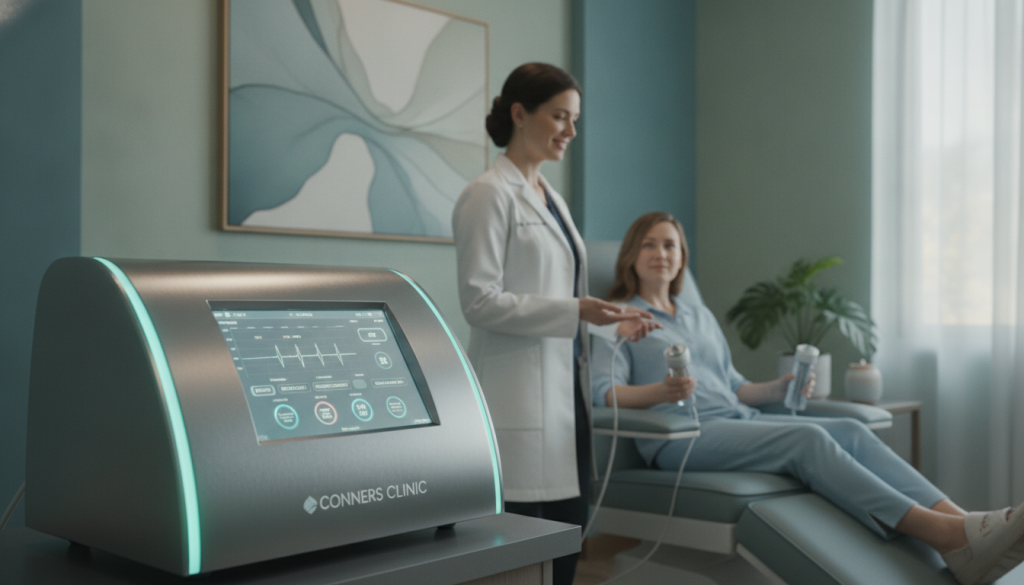
Exploring the intersection of energy and health, many are curious about how waves might influence well-being. The mechanisms behind low energy electromagnetic waves are often cited by proponents of these therapies. They suggest that these waves can affect the body at a cellular level, potentially offering benefits for various health conditions.
A 2016 review indicated that specific frequencies might help modulate the immune system and inhibit tumor growth in animal studies. However, this research remains in the experimental stage, and its application to human health is still uncertain.
Mechanisms Behind Low Energy Electromagnetic Waves
- The transmission of low energy electromagnetic waves is central to the claims surrounding these devices.
- While the idea of using specific electromagnetic frequencies to target cancer cells is compelling, significant limitations exist in current studies.
- Many of these machines lack the standardized construction needed for consistent therapeutic results.
- Energy levels produced by these devices are often too weak to penetrate deep tissue, limiting their effectiveness.
- Rigorous research is necessary to determine if these waves provide any benefits beyond the placebo effect.
Limitations and Gaps in Current Studies
It is essential to recognize the gaps in our knowledge. Current studies have not yet proven that these devices are safe or effective for human use. By examining the physics of these waves, we can better understand why the scientific community remains skeptical of their application in cancer therapy.

Safety, Side Effects, and Quality Considerations
Before diving into alternative therapies, it’s essential to evaluate their safety and potential risks. Safety is a primary concern, especially when it comes to devices like the rife machine. Some users have reported experiencing electrical shocks and skin irritation, particularly when using adhesive pads.
The lack of standard regulation for these machines means that the quality of construction can vary significantly. This inconsistency can lead to unpredictable health risks. I advise patients to be cautious, as these devices can cause rashes if the electrical pads are not applied correctly to the skin.
While the energy emitted is generally low, the absence of oversight raises questions about electrical safety for regular use. We must consider these potential side effects when evaluating whether this therapy is appropriate for managing your symptoms.
It’s vital to understand that the absence of evidence for efficacy does not mean there is an absence of risk when using these machines. If you are considering this therapy, please discuss the potential for skin reactions and electrical safety with your primary care provider.
Where to Buy a Rife Machine and Considerations for Purchase
When considering alternative therapies, it’s crucial to know where to find reliable options. If you are determined to explore this technology, you can find a programmed rife machine at the Conners Clinic: Conners Clinic Rife Machine.
However, remember that there is no standard regulation for these machines. This means quality and construction can vary significantly between different manufacturers. I urge people to use caution and conduct thorough research before investing in any device that claims to cure cancer or treat serious health conditions.
It is also important to evaluate the construction of the machine to ensure it does not pose risks like electrical shocks or skin burns during use. Always prioritize your standard cancer treatment and discuss any additional therapy with your medical care team to avoid delaying life-saving interventions.
The evidence supporting these machines is often limited, so please be wary of marketing that promises benefits without clinical trials. By taking the time to verify the source and quality of the device, you can ensure you are not purchasing a dangerous or faulty product.
Closing Reflections on a Holistic Approach to Wellness
Navigating the landscape of health options can be challenging, especially with the rise of alternative therapies. A truly effective wellness journey must be grounded in truth, safety, and evidence-based medical care.
While the allure of alternative therapy is understandable, we must remain vigilant against unproven devices that promise to cure cancer. Empower yourself with information and always seek verifiable evidence before starting any new treatment.
Your path to better health is best supported by a team of professionals who prioritize your long-term well-being. Please continue to seek out reliable sources and maintain open communication with your doctors regarding all aspects of your care.
By balancing modern medicine with a compassionate, informed perspective, you can make the best decisions for your unique health needs. For more insights on the subject, consider visiting the Royal Rife Research Society.
FAQ
What is the Rife machine and how does it work?
The Rife machine is a device that uses specific electromagnetic frequencies to target and potentially disrupt the functioning of harmful cells, such as cancer cells. It is believed that these frequencies can help restore balance in the body’s energy systems.
Are there any clinical trials supporting the effectiveness of Rife machines?
While some studies have explored the effects of electromagnetic frequencies on health, the scientific community generally calls for more rigorous clinical trials to validate the claims associated with Rife machines. Current evidence remains inconclusive.
Can Rife machines be used alongside conventional cancer treatments?
Many individuals choose to use Rife machines as a complementary therapy alongside conventional treatments. However, it is essential to consult with a healthcare professional before combining therapies to ensure safety and effectiveness.
What are the potential side effects of using a Rife machine?
Some users have reported mild side effects such as skin irritation or discomfort during sessions. It is crucial to monitor your body’s response and consult a healthcare provider if any adverse effects occur.
How do I choose a quality Rife machine?
When selecting a Rife machine, consider factors such as the manufacturer’s reputation, customer reviews, and the quality of materials used in construction. It is advisable to research and compare different models before making a purchase.
What should I expect during a session with a Rife machine?
During a session, users typically lie down while the machine emits specific frequencies. The experience may vary, but many report a sense of relaxation. It is important to follow the manufacturer’s guidelines for optimal results.
Are there any specific conditions that Rife machines are claimed to treat?
Rife machines are often claimed to help with various conditions, including cancer, chronic pain, and infections. However, scientific evidence supporting these claims is limited, and individuals should approach treatment with caution.
How often should I use a Rife machine for best results?
Frequency of use can vary based on individual health needs and the specific machine being used. It is advisable to start with recommended guidelines and adjust based on personal experience and advice from a healthcare professional.