

Facing a health challenge can be overwhelming. Many people, including myself, often search for solutions that promise hope. One such option is the Rife machine, developed by American scientist Royal Raymond Rife in the 1920s. It has garnered attention for its potential role in alternative medicine, particularly among those battling cancer.
In this article, I will explore the complex landscape surrounding the Rife machine. It’s essential to navigate this often confusing world with clarity and understanding. While some may seek a miracle cure, it’s crucial to grasp the scientific realities behind these devices.
My aim is to provide a balanced perspective on how this specific therapy fits into your broader health journey. We will delve into the history of the Rife machine and discuss why many patients consider it when facing tough diagnoses. Understanding the difference between anecdotal claims and clinical evidence is the first step toward making informed decisions about your care.
Key Takeaways
- Explore the history and development of the Rife machine.
- Understand the balance between anecdotal evidence and scientific research.
- Recognize the importance of informed decision-making in health care.
- Consider how alternative therapies fit into your overall wellness strategy.
- Stay open to exploring various options while prioritizing evidence-based practices.
The Origins and Concept Behind the Royal Rife Machine
Understanding the roots of alternative therapies can illuminate their potential benefits. In the 1920s, American scientist Royal Raymond Rife developed a device that he believed could diagnose and eliminate diseases, including cancer. His innovative approach involved the idea that specific microbes caused illness and that these could be targeted through frequencies.
Rife theorized that these harmful microbes resided within tumor cells. By applying precise electromagnetic frequencies, he claimed they could be destroyed. This concept laid the groundwork for the evolution of electromagnetic frequency therapy, suggesting that each medical condition emits a unique frequency.
Early advocates believed that transmitting these frequencies back into the body could neutralize diseased tissue effectively. This historical perspective continues to inspire interest in how electromagnetic waves might interact with our cells.
| Year | Development | Key Concept |
|---|---|---|
| 1920s | Development of the Rife device | Diagnosing and eliminating diseases |
| 1930s | Research on frequencies | Targeting microbes within tumors |
| Present | Continued interest in electromagnetic therapy | Interactions with cellular health |
Scientific Perspectives on Low Energy Electromagnetic Frequencies
The exploration of low energy electromagnetic frequencies offers a glimpse into innovative health solutions. These frequencies are not just theoretical; they are being actively studied for their potential benefits in medical applications.
One key frequency, 27.12 MHz, is universally approved for medical use. This radiofrequency electromagnetic field is recognized as safe for specific clinical applications. Researchers distinguish between this low energy frequency and the high-energy ionizing radiation commonly used in conventional cancer treatments, such as X-rays.
While traditional therapies rely on high-energy waves to destroy tumors, low energy waves are being examined for their ability to modulate cellular behavior. This approach is promising, as it may inhibit cancer growth without the damaging effects associated with conventional treatments.
Scientific inquiry continues to investigate how these frequencies can be integrated into cancer care, offering hope for a gentler alternative.
| Frequency | Type | Application |
|---|---|---|
| 27.12 MHz | Low Energy | Medical use in clinical settings |
| X-rays | High Energy | Conventional cancer treatment |
| Experimental Frequencies | Varied | Research on cellular modulation |
Exploring “royal rife machine treatment success”: Evidence and Claims
Navigating the landscape of alternative health solutions can be challenging. Many individuals turn to the machine as a potential remedy for cancer. However, it is essential to scrutinize the evidence behind such claims.
While some users share positive experiences, these anecdotes often lack scientific backing. Here are key points to consider:
- Numerous websites promote the machine as a cancer cure, yet these claims are primarily based on personal stories rather than peer-reviewed evidence.
- A 1923 investigation by the Scientific American magazine found that similar devices did not substantiate their claims through scientific research.
- Independent researchers have struggled to replicate the original findings associated with the technology.
- When assessing success stories, it is vital to differentiate between subjective experiences and the objective results demanded by modern medical standards.
- I encourage patients to seek verifiable evidence before assuming that any specific machine can provide a reliable cancer cure.
How the Rife Machine is Supposed to Work
The intricate workings of alternative therapies can often leave many puzzled. One of the key aspects of these therapies is how they aim to interact with the body at a cellular level. Understanding this can provide insight into the potential benefits and limitations of such devices.
Mechanisms Behind Electromagnetic Treatment
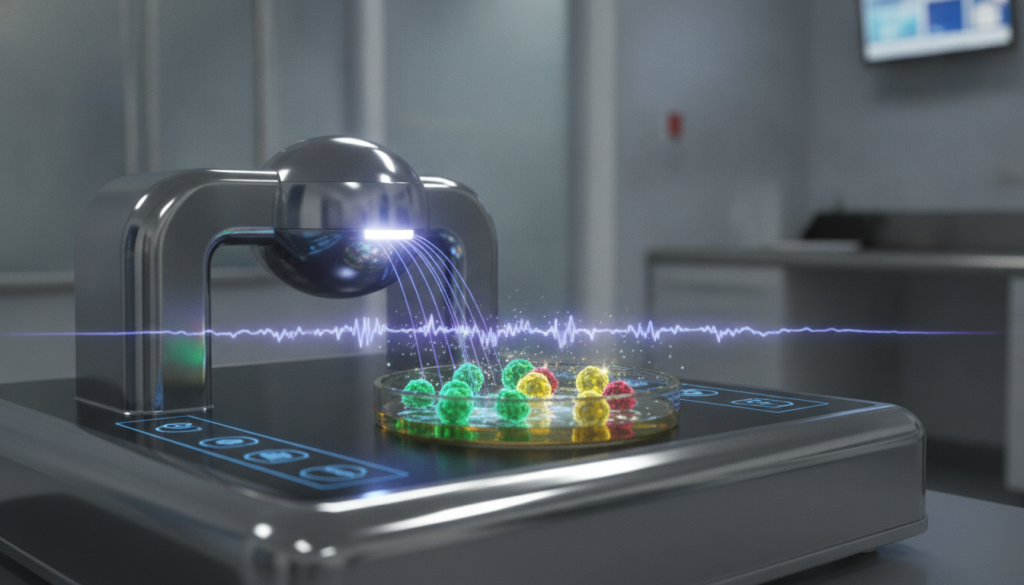
The device is designed to deliver low energy electrical impulses into the body, typically through pads attached to the hands or feet. Proponents suggest that by tuning the frequency to match the specific resonance of cancer cells, the device can disable or kill them.
This mechanism relies on the theory that diseased cells vibrate at a unique rate, which the machine can identify and then disrupt. I explain that this process of frequency tuning is intended to target only the harmful cells while leaving healthy tissue in the body unaffected.
While the theory is intriguing, the actual interaction between these electrical impulses and human cells remains a subject of intense scientific debate.
The Role of Frequency Tuning in Targeting Cells
Frequency tuning plays a crucial role in the effectiveness of this therapy. Here are some important points to consider:
- The machine targets specific frequencies associated with diseased cells.
- By identifying these frequencies, the device aims to disrupt the function of harmful cells.
- This targeted approach is designed to minimize damage to healthy cells in the body.
| Feature | Description |
|---|---|
| Electrical Impulses | Low energy impulses delivered through pads |
| Frequency Tuning | Matches resonance of diseased cells |
| Targeting Mechanism | Aims to disrupt only harmful cells |
Practical Considerations and Safety Concerns
When considering alternative health solutions, it’s essential to weigh the practical aspects and safety concerns. Users often report varying experiences with these devices, and it’s crucial to understand both the potential benefits and risks involved.
Some individuals have not encountered any adverse effects, but there are documented instances of electrical shocks and skin irritation, especially when adhesive pads are improperly used. This variability in user experiences highlights the importance of caution.
Additionally, the quality of devices can differ significantly due to a lack of standardized manufacturing. This inconsistency can pose potential risks to your health. Here are some key points to consider:
- Costs can range from hundreds to thousands of dollars, with no guarantee of clinical efficacy.
- Using low-quality equipment may lead to burns or other adverse effects on the skin.
- Prioritizing your long-term health is vital; relying on unproven devices can delay necessary medical care.
| Concern | Description |
|---|---|
| Side Effects | Electrical shocks and skin irritation reported by some users. |
| Device Quality | Variability in construction may pose health risks. |
| Cost | Devices can range from hundreds to thousands of dollars. |
Integrating Rife Machines with Conventional Cancer Treatments
The integration of diverse therapies can pave the way for innovative cancer care. Some researchers are investigating whether combining electromagnetic therapy with conventional treatments could lead to a synergistic effect on tumor reduction.
Laboratory studies have shown that using specific frequencies alongside chemotherapy drugs like cisplatin does not necessarily increase the adverse effects of the therapy. Here are some key points to consider:
- Combining therapies may enhance tumor reduction without increasing side effects.
- Careful supervision by your oncology team is essential to ensure that primary cancer treatments remain effective.
- Current research suggests that while these therapies are not replacements for standard care, they might eventually play a role in a comprehensive treatment plan.
- It is crucial to discuss any complementary therapy with your doctor to avoid potential interactions that could compromise your overall cancer care.
| Combination | Effect | Research Findings |
|---|---|---|
| Electromagnetic Therapy + Chemotherapy | Potential synergistic effect | No increase in adverse effects observed |
| Specific Frequencies + Cisplatin | Enhanced tumor reduction | Laboratory studies support findings |
| Integrative Approaches | Comprehensive treatment plan | Requires careful supervision |
Where to Buy a Rife Machine for Your Treatment Journey
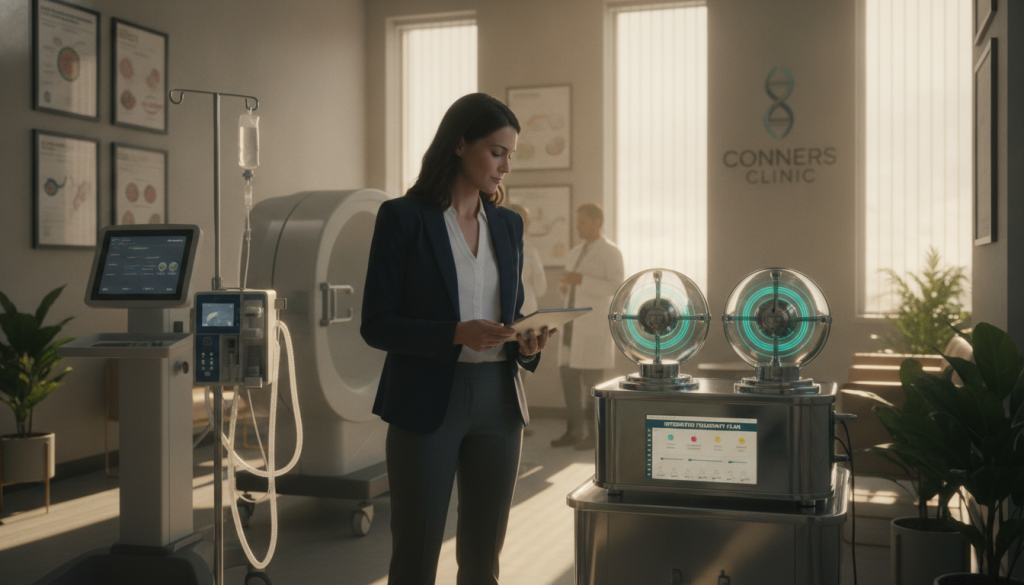
Finding the right resources for your health journey can feel daunting. It’s important to identify reliable suppliers when looking for devices that may assist your treatment. The Programmed Rife Machine (Atelier Robin F-122) is one option available for those exploring alternative therapies.
Here are some key points to consider:
- Look for suppliers who prioritize transparency and device safety.
- The Programmed Rife Machine (Atelier Robin F-122) can be found at the Conners Clinic shop, a trusted resource for this technology.
- Research the specific features of any device before making a purchase to ensure it meets your unique body and health needs.
- Buying from a reputable source helps mitigate risks associated with unregulated devices.
- Always remember that using any such device should complement, not replace, the professional medical care you receive.
Analyzing Recent Research and Clinical Evidence
Recent advancements in medical research are shedding light on alternative therapies. A variety of studies have emerged, exploring how specific frequencies can impact cancer cells and overall health. This section delves into the findings from recent research and clinical trials, providing a clearer picture of their implications.
Overview of Experimental Studies on RF EMF Therapy
Recent research, including the 2011 study by Costa et al., documented an antitumor effect in 20 out of 41 patients with advanced hepatocellular carcinoma. This suggests that specific frequencies may play a role in managing certain types of cancer.
Additionally, the FDA approved the NovoTTF-100A device for recurrent glioblastoma based on phase III clinical trial results. This device utilizes alternating electric fields, demonstrating benefits comparable to chemotherapy for people with this aggressive cancer.
Interpreting Clinical Trial Data and Outcomes
Understanding the results of clinical trials is crucial. For instance, Barbault et al. (2009) observed stable disease in patients with thyroid, mesothelioma, and pancreatic cancer using amplitude-modulated RF EMF. These findings highlight the potential of specific frequencies to modulate the immune system, possibly enhancing the body’s natural ability to fight cancer cells.
While these clinical trials show promising results for specific types of cancer, they do not validate the use of all electromagnetic therapy devices. It’s important to differentiate between FDA-approved therapies and general machines when evaluating treatment options.
| Study | Findings | Type of Cancer |
|---|---|---|
| Costa et al. (2011) | Antitumor effect in 20 out of 41 patients | Hepatocellular carcinoma |
| FDA Approval of NovoTTF-100A | Benefits comparable to chemotherapy | Recurrent glioblastoma |
| Barbault et al. (2009) | Stable disease observed | Thyroid, mesothelioma, pancreatic cancer |
Ongoing research continues to investigate how these therapies affect the immune system and improve the quality of life for people with advanced cancer. It is vital to interpret these results carefully, as the frequencies used in successful clinical trials are often distinct from those emitted by standard devices. For more detailed insights, you can refer to this resource.
Final Thoughts and Future Perspectives
The journey through cancer care is filled with choices that can impact your health significantly. It’s essential to find a balance between exploring innovative therapies and relying on proven medical evidence.
While the potential for electromagnetic technology is exciting, I urge you to prioritize your health by maintaining open communication with your oncology team. Always seek out high-quality evidence before committing to any alternative treatment, as your safety and long-term outcomes are the most important factors.
The future of cancer care may indeed involve a more integrated approach, but we must ensure that every step is supported by rigorous scientific validation. Thank you for taking the time to read this guide, and I hope it empowers you to make the best decisions for your personal journey.
FAQ
What is the Rife machine and how does it work?
The Rife machine is a device that utilizes low energy electromagnetic frequencies to target and potentially disrupt cancer cells. It is believed to work by tuning specific frequencies that resonate with harmful cells, thereby promoting healing in the body.
Are there any scientific studies supporting the effectiveness of Rife machines?
While there are anecdotal accounts of success, scientific research on the effectiveness of Rife machines is limited. Some independent studies suggest potential benefits, but more rigorous clinical trials are needed to establish concrete evidence.
What are the potential side effects of using a Rife machine?
Reported side effects can vary but may include temporary discomfort or fatigue. It is essential to consult with a healthcare professional before starting any new therapy to ensure safety and appropriateness for individual health conditions.
Can Rife machines be used alongside conventional cancer treatments?
Yes, many people explore the option of integrating Rife machines with conventional treatments. However, it is crucial to discuss this with a healthcare provider to ensure a coordinated approach that considers all aspects of care.
Where can I purchase a Rife machine?
Rife machines can be purchased from various suppliers online. It is important to identify reliable suppliers and look for trusted sources that offer quality devices with good customer support.
How do I know if a Rife machine is of good quality?
To assess the quality of a Rife machine, consider factors such as customer reviews, warranty options, and the reputation of the manufacturer. Researching independent feedback can also provide insights into the device’s effectiveness and reliability.
What should I expect during a Rife machine session?
During a session, you may experience a range of sensations, from relaxation to mild tingling. Each individual’s experience can differ, and it is advisable to approach the treatment with an open mind and realistic expectations.
Are there any specific frequencies that are more effective for certain conditions?
Some practitioners believe that specific frequencies can target different types of cells or conditions. However, more research is needed to determine which frequencies are most effective for particular health issues.