
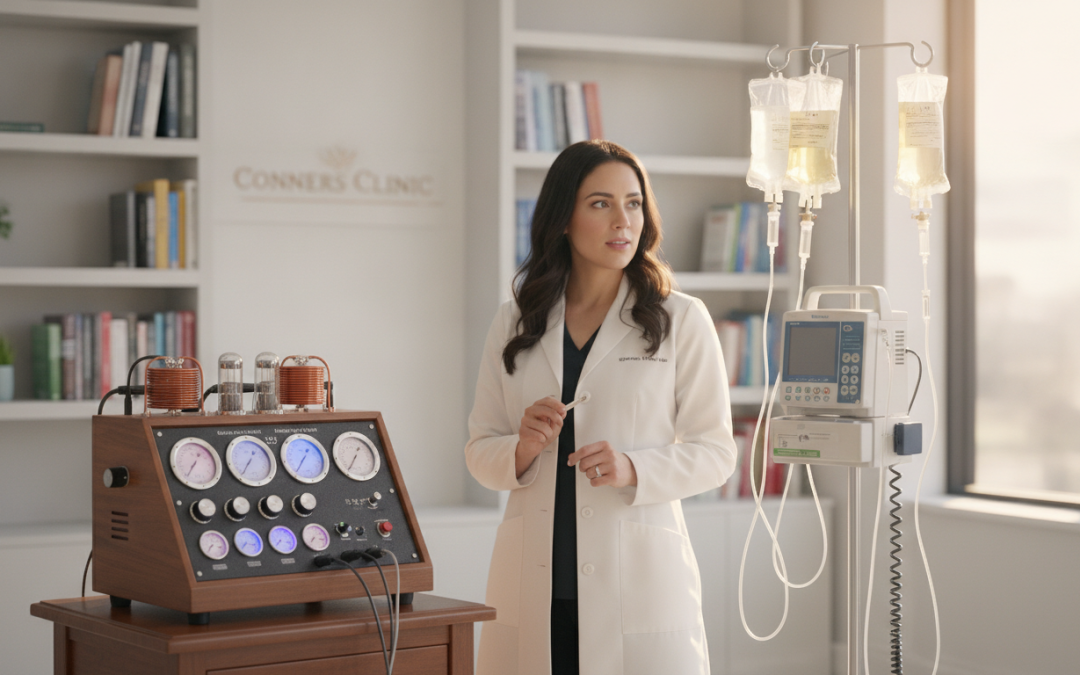
When faced with a cancer diagnosis, the journey can feel overwhelming. Many patients, including myself, often search for answers in the most unexpected places. The quest for effective treatment options can lead us to explore both traditional and alternative therapies. It’s a deeply personal journey, filled with hope and uncertainty.
In this guide, I will explore the complex landscape of the royal rife machine versus chemotherapy. My goal is to help you navigate your cancer treatment options with clarity. While many patients seek information about alternative devices, it is crucial to understand that cancer is a serious disease requiring evidence-based medical care.
Throughout this article, I aim to provide a balanced perspective on how these options are perceived. We will examine the scientific validity of various modalities currently available to the public. Protecting your long-term health is my primary concern as we discuss the differences between established protocols and alternative approaches.
Key Takeaways
- Understanding treatment options is vital for patients facing cancer.
- Alternative therapies should be approached with caution and backed by evidence.
- Establishing a clear understanding of medical protocols is essential.
- Knowledge empowers patients to make informed decisions about their health.
- Scientific validation is crucial for any medical breakthrough.
Understanding the Basics of Cancer Treatments
Receiving a cancer diagnosis can turn your world upside down. Many patients find themselves exploring various treatment options. It’s essential to understand the different paths available to you.
Conventional cancer treatments often involve systemic drugs that target rapidly dividing cells. While effective, these treatments can also affect healthy tissue, leading to side effects.
On the other hand, alternative modalities frequently emphasize a holistic approach. These therapies can offer emotional support, but they often lack the large-scale clinical trials necessary for standard medical approval.
As I interact with patients, I see a common desire for a more personalized approach to their care. However, it’s crucial to recognize that a serious disease like cancer requires a multidisciplinary strategy. This strategy should prioritize proven clinical outcomes.
Understanding how these treatments function is the first step toward making informed decisions about your health management.
History and Science Behind the Royal Rife Machine
Navigating a cancer diagnosis can prompt patients to investigate a range of therapeutic alternatives. One notable figure in this exploration is Royal Raymond Rife, an American scientist who developed the Rife machine in the 1920s. His groundbreaking work was rooted in the belief that specific frequencies could target and disable microorganisms linked to various diseases.
Despite the historical intrigue surrounding his inventions, it’s important to note that Rife’s original experiments were never validated by the medical community. His hypothesis suggested that by tuning into the electrical impulses of diseased tissue, he could effectively eliminate the underlying causes of cancer.
The evolution of electromagnetic therapy has attracted many inventors aiming to use frequencies to influence the biological state of the human body. I find it fascinating how early pioneers like Rife sought to change the course of medicine through the application of electromagnetic energy.
However, the scientific community has consistently pointed out that the Rife machine lacks the rigorous data required for modern clinical use. This historical context is essential for understanding the ongoing debate about alternative therapies in cancer treatment.
royal rife machine vs chemotherapy: Comparing Approaches
Confronting a cancer diagnosis may prompt individuals to explore various therapies. Two popular approaches are traditional chemotherapy and the alternative therapy involving a specific device. Understanding their differences is crucial for informed decision-making.
Chemotherapy employs pharmacologically active substances to target and destroy cancer cells. This systemic treatment has undergone extensive testing, proving its effectiveness and safety for patients. In contrast, the device claims to use electromagnetic frequencies to achieve similar results.
However, many claims surrounding this device often rely on personal testimonials rather than rigorous clinical trials. This lack of scientific backing raises questions about its true effectiveness.
| Aspect | Chemotherapy | Rife Machine |
|---|---|---|
| Scientific Evidence | Extensive clinical trials | Mostly anecdotal claims |
| Mechanism | Targets cancer cells directly | Claims to use frequencies |
| Patient Safety | Well-studied side effects | Unverified safety profile |
| Effectiveness | Proven efficacy | Unproven claims |
As you consider your options, remember to prioritize treatments that have demonstrated effectiveness. Your health and time are too valuable to risk on unproven methods.
Scientific Research and Evidence on Rife Machines
The discovery of cancer often triggers an exploration of both traditional and alternative treatments. In this context, scientific research into the alternative therapy device has not provided the robust evidence needed to support its use in cancer care.
In a notable 2007 study published in the Archives of Internal Medicine, researchers analyzed 1162 patients to explore the powerful placebo effects often seen in alternative medicine trials. While some studies have investigated low-energy waves, the results specifically related to this device do not align with modern oncology findings.
Expert critiques emphasize the absence of rigorous clinical trials, making it challenging to verify the safety or efficacy of these devices. I have reviewed the literature available, and it is evident that the evidence supporting this alternative approach is significantly weaker than that for standard care.
- Scientific research consistently fails to produce high-quality evidence for the device’s effectiveness.
- Patients deserve transparency regarding the benefits of alternative therapies, which often diminish under scrutiny.
- When well-designed trials are conducted, the perceived benefits frequently reduce to the placebo effect.
| Study | Participants | Findings |
|---|---|---|
| Haake et al. (2007) | 1162 | Highlighted strong placebo effects in alternative therapies |
| Barbault et al. | 163 | Investigated tumor-specific frequencies |
| General Findings | N/A | Lack of evidence for the device’s efficacy |
Exploring the Mechanism of Electromagnetic Frequencies in Treatment
A cancer diagnosis often leads individuals to seek out innovative treatment options. One area of interest is the use of electromagnetic frequencies in cancer therapy. Devices like the TheraBionic utilize 27.12 MHz radiofrequency fields to target specific frequencies within the body.
These frequencies are believed to influence cancer cell behavior. The body acts as an antenna for these electromagnetic signals, necessitating precise modulation for any potential therapeutic effect.
Unlike older alternatives, modern devices have undergone rigorous biofeedback research. This ensures that the frequencies used are both specific and effective. I emphasize that the energy levels in these experimental treatments are carefully calibrated. This is crucial to avoid the damage associated with high-energy radiation.
Understanding how these low energy waves interact with the body is a complex field. It requires a solid foundation in molecular biology and physics. While the mechanism of these frequencies is promising, it remains distinct from the unproven claims surrounding older devices.
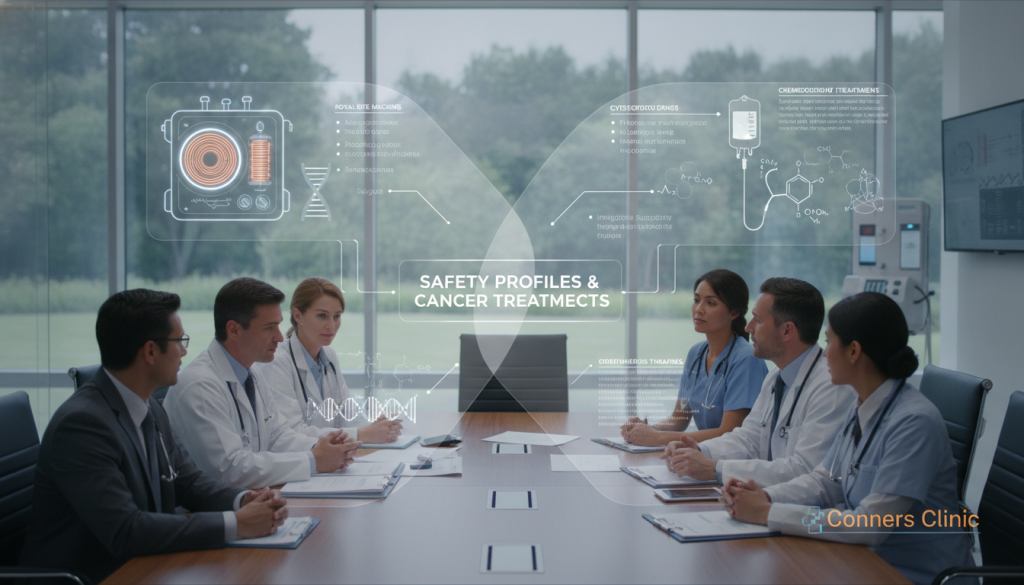
Safety Profiles, Side Effects, and Patient Experiences
The path to recovery can be riddled with uncertainty and anxiety for those diagnosed with cancer. It is essential to understand the safety profiles of any treatment options, especially those that are less conventional.
Some users of alternative therapy devices have reported troubling side effects. These include electrical shocks and skin rashes, which raise significant safety concerns. The absence of a regulatory system to monitor these effects makes it difficult to ensure patient safety.
As Professor Edzard Ernst has noted, “Unproven devices can lead to injuries and do more harm than good.” This highlights the importance of approaching such therapies with caution.
- The safety profile of the device is concerning due to the lack of oversight.
- Reports of electrical shocks and skin rashes suggest these devices may not be as gentle as claimed.
- Patients who abandon proven treatments for unverified therapies risk their health and potential cures.
- Any device applied to the body should have a documented safety record verified by independent authorities.
- Many alternative devices are ineffective and can cause physical injuries.
- Your health is paramount; discuss any device with your primary oncology team before use.
Holistic Benefits and Integrative Cancer Care Perspectives
A cancer diagnosis can open the door to various healing pathways. A holistic approach to cancer care should prioritize truth and evidence-based medicine while supporting the patient’s emotional wellbeing.
Empowerment of the patient is a core component of quality care, but it must be grounded in accurate medical information. Here are some key points to consider:
- True patient empowerment comes from having access to the best possible information about their cancer care and the benefits of various therapies.
- I believe that a holistic approach should integrate the best of modern medicine with supportive care that addresses the needs of the whole body.
- While some alternative therapies offer empathy, they must not replace the proven treatments that are essential for managing a serious disease.
- The medical system can sometimes feel impersonal, but the solution is to find providers who offer both clinical expertise and genuine human compassion.
- We must ensure that the benefits of integrative care are not overshadowed by the promotion of unproven devices that lack scientific validation.
- Supporting your wellbeing involves making choices that are based on reality, ensuring your body receives the most effective care available today.
Where and How to Buy a Rife Machine
The search for effective cancer treatments often leads patients to explore a variety of devices. If you are considering a rife machine, the Atelier Robin F-122 generator is one option available for purchase. You can find it through specialized sources like the Conners Clinic.
Prices for these machines can vary significantly, ranging from hundreds to thousands of dollars. This reflects the complexity of the device and its components.
Here are some important points to consider:
- To buy a rife machine, visit this link for the Atelier Robin F-122 generator.
- Research any device thoroughly before making a purchase, as these machines can be quite expensive.
- Owning a rife machine does not replace the need for professional medical treatment from a licensed oncologist.
- Many patients find these devices are part of a larger menu of alternative therapies offered at wellness centers across the country.
- Always verify the source of your device to ensure you receive an authentic product.
- Consult with your doctor before using any new device to ensure it aligns with your treatment plan.
Final Insights for Informed Cancer Treatment Decisions
Facing a cancer diagnosis can lead to a whirlwind of emotions and decisions. Making informed choices about your treatment requires careful evaluation of the available evidence. I encourage you to prioritize therapies validated through rigorous clinical trials, as these offer the best chance for managing your disease.
While the allure of alternative therapies is understandable, your health depends on reliable information. Always consult your medical team to discuss the evidence for any treatment, ensuring you do not rely on unproven devices or claims.
By staying connected to the latest research, you empower yourself to navigate the complex healthcare system with confidence. Remember, your time is precious, and choosing evidence-based care is the most effective way to support your long-term health and wellbeing.
FAQ
What is chemotherapy?
Chemotherapy is a conventional cancer treatment that uses powerful drugs to kill cancer cells or stop their growth. It can affect both cancerous and healthy cells, leading to various side effects.
How does electromagnetic therapy work?
Electromagnetic therapy utilizes specific frequencies and low energy waves to target and disrupt cancer cells. The theory is that these frequencies can promote healing and potentially hinder tumor growth.
Are there any clinical studies supporting the use of electromagnetic therapies?
Some laboratory studies suggest potential benefits of electromagnetic therapies in treating cancer. However, comprehensive clinical trials are limited, and more research is needed to establish their efficacy.
What are the common side effects of chemotherapy?
Common side effects of chemotherapy include nausea, fatigue, hair loss, and increased susceptibility to infections. These effects vary based on the specific drugs used and the individual’s overall health.
Can alternative therapies be used alongside conventional treatments?
Yes, many patients explore complementary approaches to enhance their overall well-being. However, it’s crucial to consult with healthcare professionals to ensure safety and effectiveness.
How can I find reputable sources for electromagnetic therapy devices?
Look for established manufacturers with positive reviews and verified customer feedback. It’s also advisable to consult healthcare professionals for recommendations on trusted products.
What is the role of patient empowerment in cancer treatment?
Patient empowerment involves educating individuals about their treatment options, encouraging active participation in their care, and promoting informed decision-making to enhance overall well-being.
Are there any risks associated with using electromagnetic therapy?
While many patients report minimal side effects, some may experience discomfort or skin irritation. It is essential to discuss any potential risks with a healthcare provider before starting treatment.