
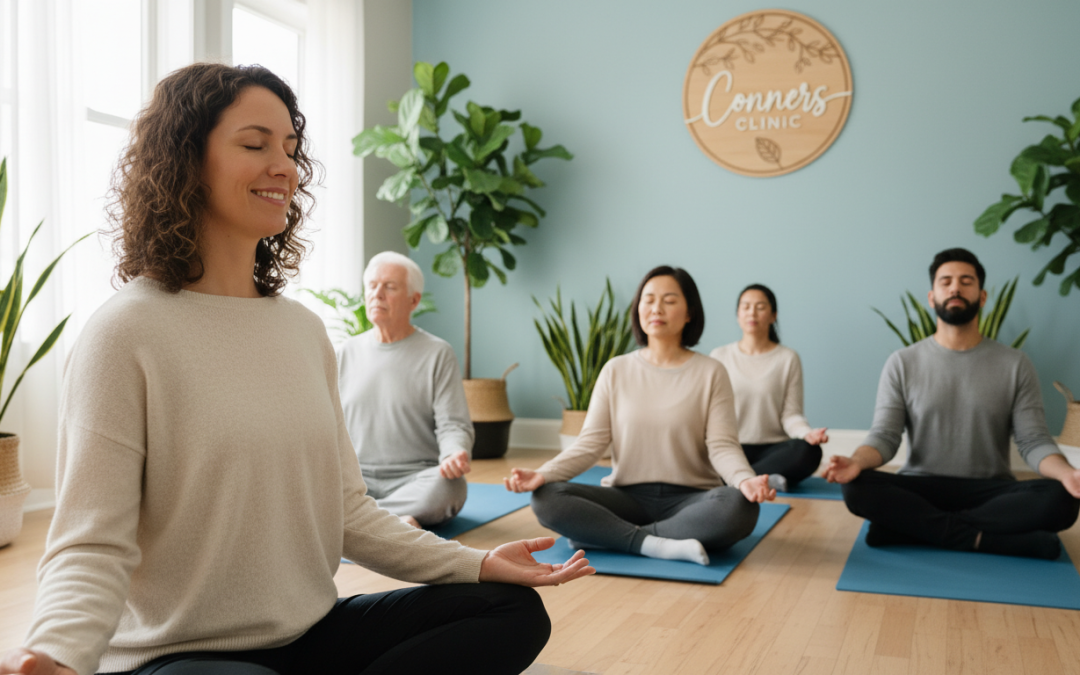
I remember a patient, Sarah, sitting in my office shortly after her diagnosis. The fear and uncertainty were palpable. She described feeling like her world had been upended, with stress becoming a constant, unwelcome companion.
We talked about how the body’s stress response can affect healing. I shared how simple, daily relaxation practices helped her regain a sense of calm. This shift wasn’t just emotional; it positively influenced her entire treatment experience.
At Conners Clinic, we see this journey often. My mission is to bridge the gap between mental well-being and physical recovery. I provide clear, evidence-based information to help individuals navigate their path.
True healing looks at the whole person. By integrating supportive strategies into standard care, we empower people. The goal is to reclaim agency and improve daily life during treatment.
Key Takeaways
- Mental and emotional stress can have a direct impact on physical health and recovery outcomes.
- Simple, daily practices focused on relaxation can provide significant emotional stability and improve overall well-being.
- An integrative approach to care addresses the needs of the whole person, not just the disease.
- Accurate, understandable information is a powerful tool for patients navigating their health journey.
- Evidence-based strategies can help individuals feel more supported and in control during treatment.
- The connection between mind and body is a critical component of a comprehensive healing plan.
- Empowering patients with knowledge and practical tools enhances their quality of life.
Exploring the Benefits of Mind-Body Practices in Cancer Care
Recent clinical research continues to reveal the profound impact our mental state has on physical recovery. In my work, I see how these approaches offer tangible support. They address the whole person, not just the disease.
Understanding the Mind-Body Connection
Our thoughts and emotions directly influence physiological processes. Linda Eaton, PhD, RN, outlined this in a recent guide. She presented evidence that certain practices may help manage difficult symptoms.
This isn’t abstract theory. It’s a functional link we can harness. When we calm the mind, we often soothe the body’s stress response.
Different methods offer distinct advantages. The table below highlights key benefits of common supportive practices.
| Practice | Primary Benefit | Secondary Effect |
|---|---|---|
| Meditation | Reduces Anxiety | Improves Emotional Regulation |
| Deep Breathing | Lowers Blood Pressure | Promotes Muscle Relaxation |
| Guided Imagery | Manages Perception of Pain | Enhances Sense of Control |
Impact on Stress, Pain, and Emotional Well-Being
Tools like the NCCN distress thermometer help clinicians measure need. A score of 4 or higher signals significant distress. This often includes anxiety, depression, or pain.
Specific activities can counter these effects. Research shows focused breath work reduces cortisol levels. This is a key hormone linked to chronic stress.
A notable clinical trial found virtual classes improved sleep and reduced fatigue. Participants also had a lower risk of hospitalization. This demonstrates the power of integrative medicine within standard care.
By adopting these strategies, individuals can actively improve their daily quality. The goal is greater stability during a challenging time.
Practical Guide to Mind-Body Techniques for Cancer Patients
Implementing simple routines can transform how one experiences the day-to-day realities of treatment. These are hands-on tools designed to foster calm and improve physical comfort.
Step-by-Step Deep Breathing and Muscle Relaxation
I often start with rhythmic breathing. Aim for a slow, even pace of 9 to 12 breaths per minute. This simple act directly counters the body’s stress response, helping to reduce feelings of anxiety.
Progressive muscle relaxation is another powerful method. Systematically tense and then release each muscle group from head to toe. This practice alleviates physical tension and may help improve sleep while reducing fatigue.
Guided Imagery and Meditation Practices
Guided imagery uses the mind’s eye to promote healing. You might visualize cutting wires that send pain signals or imagine a ball of soothing energy. Closing your eyes during this practice can enhance focus and pain management.
Regular meditation, even for a few minutes, builds resilience. It fosters a sense of control over the physical effects of your journey. For a comprehensive guide on these methods, explore this resource on relaxation techniques and mindfulness practices.
By following this evidence-based guide, you create a personal routine that supports your overall quality of life.
Integrating Mindfulness and Meditation into Daily Life
The simple act of paying attention to the present moment, without judgment, is a skill that can be cultivated anywhere. This practice, known as mindfulness, involves accepting your current experience. It can be a powerful tool for navigating intense emotions during medical care.
Techniques to Stay Present Amid Treatment Challenges
One effective method is a mindful body scan. You focus your attention on different parts of your body in a gradual sequence. This increases awareness of physical sensations and can reduce the effects of fatigue.
I often suggest using deep breathing while waiting for appointments. This simple action helps manage the anxiety and pain that can accompany a diagnosis. Accepting the present without judgment is a key part of supportive therapy.

Utilizing Apps and Online Resources for Regular Practice
Digital tools provide excellent guidance for maintaining consistency. Apps like Insight Timer (free) and Headspace (subscription) offer structured support. They help individuals build a daily habit, which may help reduce the stress of ongoing therapy.
Using these resources ensures you have tools to stay grounded. This is especially valuable when facing the challenges of a clinical trial. Regular practice supports better sleep and overall quality of life.
| Resource | Key Feature | Best For |
|---|---|---|
| Insight Timer | Large library of free guided meditations | Beginners exploring different styles |
| Headspace | Structured courses & sleep aids | Building a consistent daily habit |
Integrating these practices creates a personal anchor. It empowers you to improve daily life during treatment, based on solid evidence and research.
Applying Group Sessions and Individual Approaches at Conners Clinic
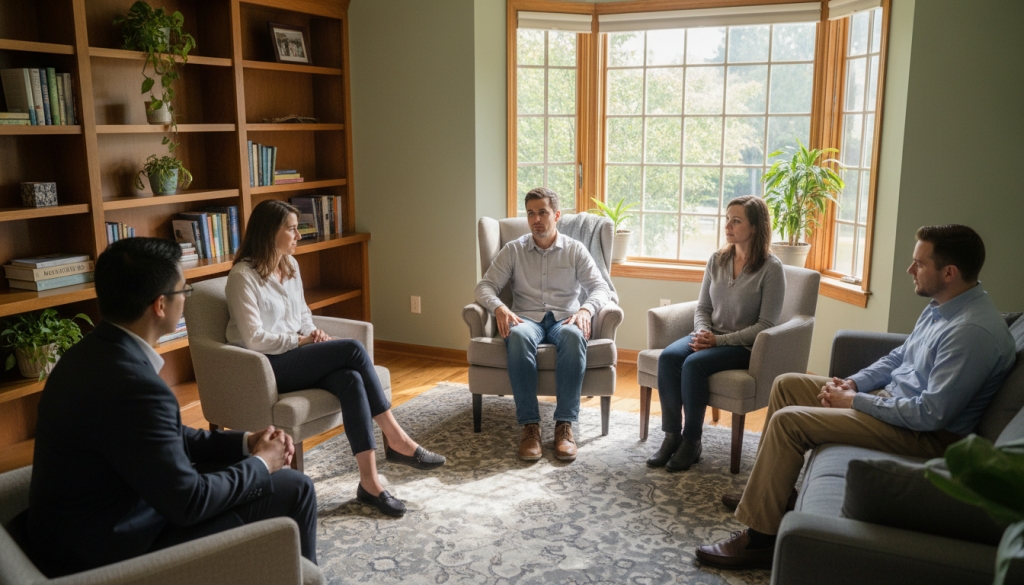
At Conners Clinic, we structure our supportive care around both community and individual needs. Group settings and one-on-one guidance each offer unique strengths for healing.
Insights from Clinical Trials and Oncological Research
Our programs are built on solid evidence. Research from institutions like MD Anderson shows that practices like gentle yoga and meditation improve physical well-being.
They may help people manage common side effects such as pain and fatigue. This data validates integrating these classes into standard therapy plans.
Real-Life Experiences and Support Systems
Inspired by leaders like Smitha Mallaiah, our group classes focus on gentle movement and calm. They create a vital support network.
Bonnie Maxson’s experience as a caregiver highlights this. She found that participating in yoga provided empowerment and reduced her stress. This shared journey fosters hope.
We provide information on blending these approaches into your care. The goal is to enhance your overall quality of life during treatment. Learn more about our integrative model at Conners Clinic.
Embracing a Mind-Body Journey for Enhanced Quality Life
Taking charge of your healing journey involves more than just medical treatments. It’s about nurturing your inner resilience. I encourage you to view this as an active partnership in your care.
Consistent practice of meditation and mindfulness can effectively manage pain and reduce emotional distress during cancer treatment. These tools help you reclaim a sense of control.
Remember, even small daily efforts in relaxation or focused breathing contribute significantly to long-term well-being. They build a resilient foundation for your overall health.
For a deeper exploration of how these approaches can support you, consider reading about enhancing quality of life through mind-body. Your commitment to this journey fosters greater peace and strength every day.
FAQ
How can practices like meditation and yoga help someone during cancer treatment?
I often explain that these approaches work by calming the nervous system. When we engage in focused meditation or gentle yoga, it signals the body to reduce its stress response. This can directly lower feelings of anxiety, help manage pain perception, and improve overall emotional well-being. It’s about creating a state of relaxation that supports the body’s own healing processes during a challenging time.
What is a simple technique I can start with at home?
I always recommend beginning with deep breathing. Find a quiet space, sit comfortably, and simply focus on taking slow, full breaths. Inhale deeply through your nose, feeling your abdomen expand, then exhale slowly through your mouth. This fundamental practice activates the relaxation response, eases muscle tension, and brings your awareness to the present moment. It’s a powerful tool you can use anytime, even during treatment sessions.
How does Conners Clinic integrate these methods into a care plan?
At Conners Clinic, we view these practices as a core part of integrative medicine. We offer both individual guidance and supportive group sessions, where you can learn techniques alongside others. Our approach is informed by oncological research and focuses on addressing specific symptoms like fatigue and sleep disturbances. We create a personalized plan that complements your medical therapy, aiming to enhance your overall quality of life.
Is there scientific evidence supporting these approaches?
Yes, absolutely. Numerous clinical trial studies in the field of integrative medicine provide strong evidence. Research has shown measurable effects on reducing stress hormones, lessening depression, and improving quality of life metrics for patients. This isn’t alternative speculation; it’s a validated component of modern, holistic cancer care that we actively apply based on scientific findings.
Can these practices help with long-term well-being after treatment?
Without a doubt. Cultivating skills like mindfulness builds resilience that extends far beyond active treatment. The ability to manage stress, stay connected to the present moment, and use breathing for relaxation becomes a lifelong asset. This ongoing practice supports sustained mental and physical health, contributing to a richer, more engaged life in your recovery and years beyond.