
I’ve sat across from many patients whose eyes tell a story of frantic searching. They’ve spent late nights scrolling, asking “Dr. Google” for answers. The internet offers countless stories of miracle solutions, but it rarely separates helpful hope from dangerous fiction.
I am Dr. Diane Reidy-Lagunes from Memorial Sloan Kettering Cancer Center. My work on the Cancer Straight Talk podcast is driven by one goal: to help you navigate this maze with clarity. When facing a serious diagnosis, the desire to explore every option is powerful and completely understandable.
This journey is about combining the best of all worlds. It’s not about choosing between one path or another. True, holistic care weaves together advanced medical treatments with supportive, evidence-based practices.
We will look at how approaches like acupuncture, specific herbs, and mindful meditation can support your body. They can help manage challenging symptoms such as pain, nausea, and stress. The key is doing this safely, alongside your primary oncologic plan.
Key Takeaways
- Navigating treatment options requires reliable, expert guidance to avoid misinformation.
- Integrative care focuses on combining conventional treatments with complementary therapies for whole-person health.
- Safety is paramount; some supplements or therapies can interfere with standard treatments.
- Evidence from clinical trials and scientific research should guide your decisions.
- Managing side effects and improving quality of life are central goals of supportive care.
- Always discuss any new therapy, including diet, exercise, or supplements, with your care team.
Understanding Alternative Medicine in Cancer Care
Clarity in language is the first step toward making safe and informed decisions about your health journey. The terms used to describe different approaches often get mixed up, leading to confusion.
Defining Alternative vs. Integrative Medicine
Dr. Jun Mao, who leads our Integrative Medicine Service, provides a crucial distinction. He explains that an alternative approach is used instead of standard treatments like chemotherapy or surgery.
Integrative care works differently. It brings supportive therapies like acupuncture into the plan alongside conventional oncology. The goal is synergy, not substitution.
Qualified health professionals guide this process to help patients feel empowered and manage their experience.
Historical Context and Modern Applications
This field has evolved significantly. In 1999, Memorial Sloan Kettering launched the nation’s first hospital-based integrative oncology program.
This milestone marked a shift toward evidence-based supportive care. Modern applications focus on alleviating symptoms such as pain and stress. They aim to support the whole person throughout their treatment.
How Conventional and Integrative Therapies Complement Each Other
In my practice, I see the most profound progress when standard treatments are paired with supportive, evidence-backed practices. This model isn’t about choosing one path over another. It’s about building your strength and resilience so you can better tolerate and benefit from your primary cancer treatments. You can find reliable information on complementary approaches to help inform these discussions with your team.
Synergy in Treatment and Symptom Management
Dr. Jun Mao emphasizes that integrative medicine uses evidence-based interventions to help treat cancer symptoms like pain and fatigue. For instance, randomized clinical trials strongly support using acupuncture and massage for pain management during and after cancer treatment.
This care extends to other challenging side effects. Therapies like exercise, yoga, and tai chi are proven to reduce debilitating fatigue. The goal is clear: to improve your overall quality of life and help you maintain the strength needed for your primary treatment plan.
We work with each patient to create a plan that fits their life and addresses specific needs, like managing nausea or anxiety. This collaborative process actively engages you in your health journey, returning a vital sense of control during a challenging time.
Alternative Medicine Cancer Cure: Evaluating the Evidence
Separating hope from hype in health information demands a rigorous look at the science. I guide my patients to base their decisions on solid evidence, not compelling stories alone.
This careful evaluation protects your health and ensures your primary treatment plan remains effective.
Key Clinical Studies and Research Findings
High-quality clinical trials are the gold standard. Dr. Jun Mao is clear: current data does not show integrative therapies can target diseased cells.
These supportive therapies excel at improving quality of life and managing symptoms. They are not a standalone cure.
Many popular approaches lack convincing research. We must be cautious where evidence is lacking.
Expert Opinions from Leading Oncologists
Leading experts provide crucial clarity. Dr. Diane Reidy-Lagunes emphasizes we must know where evidence exists and where it does not.
Some unconventional approaches may even be harmful. We prioritize proven oncological care first.
Informed choices come from focusing on the best available data. This protects patients and supports their wellbeing throughout treatment.
Exploring Complementary Therapies and Their Benefits
Supportive therapies like acupuncture and specific herbs have gained attention for their potential to alleviate difficult symptoms. These approaches aim to work alongside your primary oncology plan.
Herbal Remedies, Acupuncture, and Massage
Herbalist Jason Hou explains that herbs like turmeric offer anti-inflammatory benefits. Medicinal mushrooms, such as turkey tail, are a form of fiber that may help activate the immune system.
Acupuncture and massage are widely recognized for helping to treat symptoms like pain and nausea. Many people find these practices provide comfort and a sense of control.
“Integrating these supportive elements requires open dialogue with your care team to ensure safety and synergy.”
| Therapy | Primary Use | Key Safety Consideration |
|---|---|---|
| Herbal Supplements | Support wellness, manage inflammation | Discuss with doctor to avoid treatment interactions |
| Acupuncture | Reduce pain, nausea | Seek a licensed, experienced practitioner |
| Therapeutic Massage | Ease muscle tension, lower stress | Adjust pressure based on individual tolerance |
It is vital to discuss any new supplement with your doctor. Some products may contain contaminants.
By integrating these practices, we support the body‘s natural responses while maintaining the efficacy of conventional care.
Managing Side Effects Through Alternative Therapies
One of the most common questions I hear from patients is how to cope with the difficult physical effects of their primary oncology plan. These side effects, like nausea and fatigue, can feel overwhelming. Our goal is to manage them effectively so you can stay on track.
Addressing Nausea, Fatigue, and Pain
Dr. Jun Mao explains that integrative care helps patients manage symptoms arising from chemotherapy. For nausea, we might use acupuncture. For fatigue, exercise like yoga is key.
Chronic pain often responds well to therapeutic massage. These are non-drug options that support your body. Addressing these issues early helps you tolerate cancer treatments better.
Improving Quality of Life During Treatment
Reducing stress and anxiety is central. When your mind is calmer, physical symptoms often lessen. This directly improves your quality life during a challenging cancer treatment journey.
We encourage open talk with your care team. Adjusting your plan based on evidence ensures safety. The table below shows common supportive therapies.
| Therapy | Target Symptom | Key Benefit |
|---|---|---|
| Acupuncture | Nausea, Pain | Reduces severity without medication |
| Gentle Exercise | Fatigue | Boosts energy and mood |
| Mindfulness | Stress | Lowers anxiety, improves coping |
| Therapeutic Massage | Muscle Pain | Relieves tension, promotes relaxation |
Using these therapies supports your overall health. It helps you maintain strength for your primary treatment.
Insights from Clinical Trials and Expert Opinions
By studying thousands of patient records, we can identify which combinations of therapies yield the best results. This data-driven approach moves us beyond anecdotes.
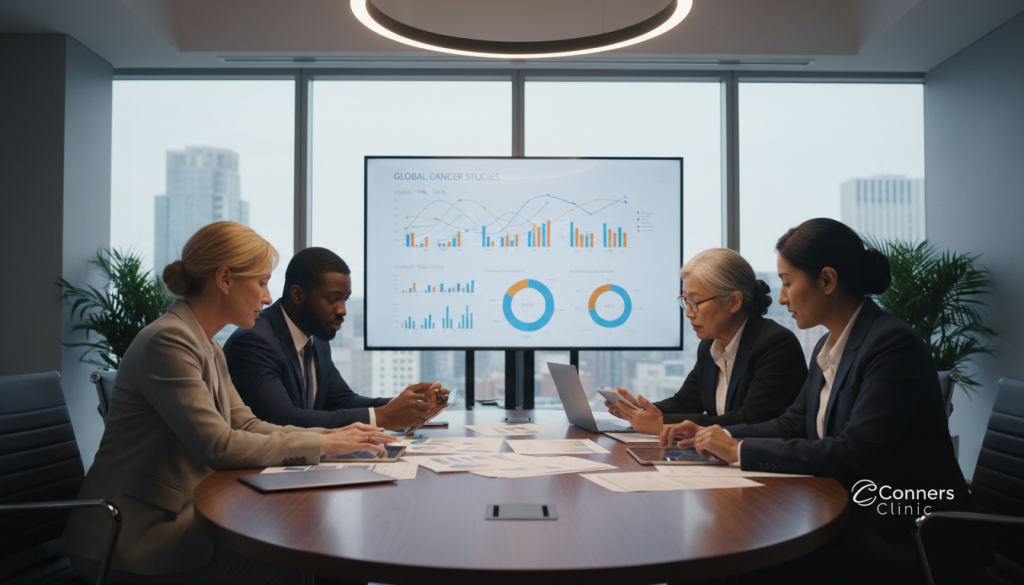
For example, a large study from Taiwan used health insurance records. It found that combining conventional cancer treatments with traditional practices led to better outcomes.
Lessons from U.S. and Global Studies
Dr. Jun Mao highlights the value of such databases. They offer a real-world look at how integrative care affects patient health.
These global studies help us design better clinical trials here. We aim to see which cancer types benefit most from added support like herbs or acupuncture.
Expert oncologists note the findings are promising. Yet, we need larger, more rigorous research to confirm them. This ensures the safety and care of all people.
Our goal is to use this evidence to better support the body during treatments. We focus on managing symptoms like pain and nausea.
The Role of Mind-Body Practices in Cancer Treatment
Beyond managing physical symptoms, we must also address the profound psychological impact that a serious illness brings. The mind and body are deeply connected. Nurturing this link is a core part of modern supportive care.
Benefits of Meditation, Yoga, and Tai Chi
Dr. Jun Mao highlights that mindfulness and gentle movement are powerful. Practices like meditation, yoga, and tai chi help patients reduce fatigue. They also improve overall quality life during intensive treatment.
These therapies offer a non-drug way to manage anxiety. Clinical trials consistently show their safety and effectiveness. They provide a sense of control during a challenging time.
Reducing Stress and Enhancing Patient Wellbeing
The psychological burden, including fear, is real. Mind-body practices directly lower stress levels. This helps people feel more connected and less overwhelmed.
We use these techniques to build emotional resilience. The evidence supports their role in holistic health. I encourage exploring different types to find what fits best for each individual.
Practical Tips for Safe Use of Alternative Therapies
Navigating the world of supplements requires a reliable map to avoid hidden dangers. I always emphasize that safety is the non-negotiable foundation when adding any new element to your plan. The goal is to support your body without creating new problems.
Navigating Supplement Databases and Medical Advice
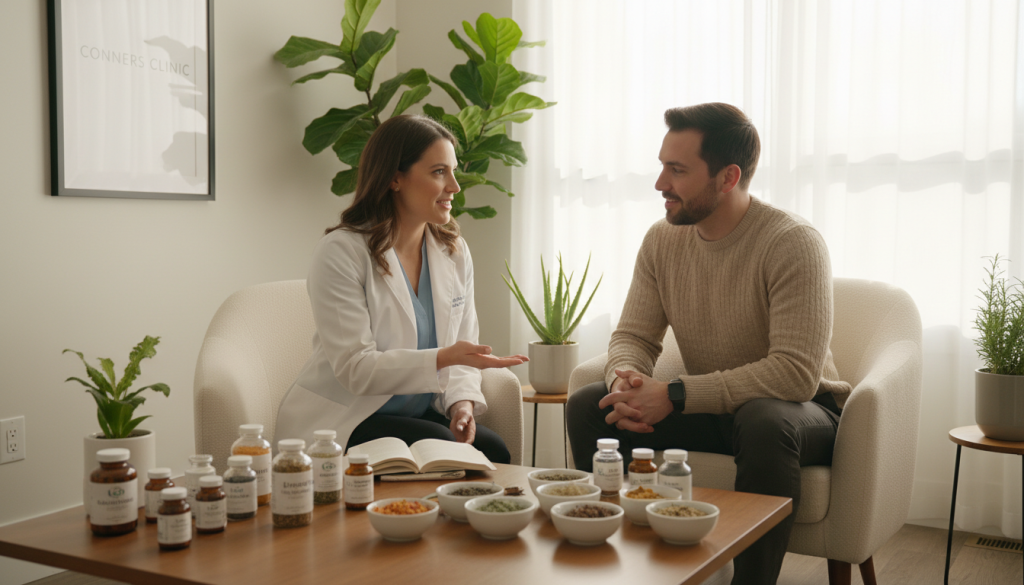
One essential tool is Memorial Sloan Kettering’s “About Herbs” database. It contains over 280 detailed monographs on herbs and potential drug interactions. This resource provides the information you need to make informed choices.
Dr. Jun Mao warns that some herbs can have liver or kidney toxicities. This is particularly dangerous for a patient undergoing active treatment. These substances can interfere with how your care works.
It is critical to tell your health professionals about every supplement you take. Many supplements can increase bleeding risks or alter drug metabolism. Always verify product quality, as some may contain harmful contaminants.
By being proactive and using trusted resources, you can safely integrate complementary approaches. This protects your overall care and supports your wellness journey.
Navigating Research, Supplements, and Herbal Remedies
Evaluating the vast array of available supplements requires a careful, evidence-based approach. I often guide patients through this complex landscape, where compelling personal stories can overshadow solid research.
For example, cannabis oil and high-dose vitamin C are frequent topics of interest. Currently, strong evidence to support their use in treating this disease is lacking. These options remain controversial within supportive care.
Herbalist Jason Hou explains that certain herbs can help manage symptoms like pain or nausea. Their role is to support the body, not replace standard treatments. This distinction is vital for safety.
It is crucial to understand that some supplements can cause unwanted side effects. They may also interfere with your primary therapy. Always discuss any new product with your oncology team.
- Critically assess clinical trials and data for any supplement you consider.
- Use trusted resources for information on herbs and potential interactions.
- Focus on evidence-based therapies that help treat symptoms and improve health.
By staying informed, you can make educated decisions. This protects your well-being throughout your treatment journey.
Final Reflections on Your Integrative Health Journey
Your healing journey is a personal tapestry, woven from both advanced medical science and compassionate supportive care. I see each person’s path as unique. The goal is always to improve your quality of life and daily comfort while you receive primary treatment.
Open communication with your healthcare team remains the cornerstone of safety. Discuss every therapy, from supplements to mind-body practices. This ensures they support your body and manage symptoms like pain or stress without conflict.
Seeking communities that focus on the whole person is powerful. Programs dedicated to caring for the whole patient through integrative offer vital support. They provide reliable information and build resilience.
Stay engaged with new research and clinical trials. Let evidence guide your choices. You are empowered to take an active role in your health, creating a plan that truly supports you.
FAQ
What is the difference between an integrative and a purely alternative approach?
I see a crucial distinction. A purely alternative path replaces conventional treatments like chemotherapy. An integrative approach, which I recommend, thoughtfully combines supportive complementary therapies with standard oncology. This strategy aims to manage side effects, improve quality of life, and support the body during its treatment journey.
Can therapies like acupuncture or massage really help during oncology care?
A> Absolutely. In my practice, I’ve seen specific complementary methods provide real relief. Acupuncture is well-studied for reducing nausea from chemo. Therapeutic massage can lessen pain and anxiety. These aren’t cures, but they are powerful tools for symptom management and enhancing a patient’s daily wellbeing.
How do I manage common side effects like fatigue and nausea naturally?
This is a common concern. For fatigue, gentle exercise like walking and paced yoga can boost energy. For nausea, ginger supplements or acupressure bands are often helpful. Mind-body practices such as meditation are also excellent for reducing stress, which can worsen many symptoms. Always discuss these options with your care team first.
Why is clinical research important when considering complementary therapies?
Evidence is everything in integrative care. While personal stories are valuable, clinical trials provide the scientific backbone. I guide people to resources like the National Cancer Institute to find studies on herbs or supplements. This research helps us understand potential benefits, risks, and interactions with conventional treatments, ensuring safety.
What are the first steps to safely adding a complementary therapy to my plan?
My first rule is full transparency. Start by having an open conversation with your oncologist about your interest. Then, use trusted databases to research the therapy. Finally, consult with a credentialed practitioner in that field, such as a licensed acupuncturist or a certified nutrition specialist familiar with oncology. This team-based approach is the safest path forward.