

I remember a patient, Sarah, who sat in my office shortly after her diagnosis. She felt overwhelmed by treatment options but was determined to explore every avenue for her well-being. Like many, she was curious about how diet and specific nutrients could play a role in her journey.
This experience is common. Navigating a health challenge requires a comprehensive plan. It integrates evidence-based nutrition with professional medical guidance. For example, maintaining bone health is crucial, and even simple steps like ensuring adequate vitamin D intake matter.
My goal is to provide clear, scientifically validated information. I believe in empowering you to make informed decisions about your care. We will explore how certain compounds can aid recovery while highlighting vital safety precautions to avoid treatment interactions.
Understanding integrative medicine allows you to take an active part in your healing. It bridges the wisdom of holistic practices with the precision of modern oncology. Let’s begin this important discussion.
Key Takeaways
- A holistic approach combines medical treatment with nutritional strategies for better outcomes.
- Safety and scientific evidence are paramount when considering any additional wellness products.
- Informed decision-making empowers you throughout your care journey.
- Specific nutrients can support the body’s resilience during recovery.
- Always coordinate any new regimen with your primary medical team to prevent interactions.
- Integrative medicine encourages patient participation in the healing process.
- Simple nutritional steps, like managing vitamin D levels, contribute to overall health.
Introduction: Understanding the Role of Natural Supplements in Cancer Support
A common point of confusion I address is the difference between primary medical care and adjunctive wellness practices. Dietary supplements, also called nutritional supplements, include vitamins, minerals, herbs, and amino acids. Their role is to augment a balanced diet, not to replace standard oncology therapy.
Many individuals find that their condition or the associated therapies make proper eating difficult. This can lead to low levels of essential nutrients. In such cases, targeted nutritional support becomes a consideration.
It is crucial to proceed with caution. Some wellness products may interfere with the efficacy of conventional treatments. I advocate for a system where every product is reviewed by your healthcare team. This ensures alignment with your specific plan.
Understanding the distinction between supportive nutrition and medical intervention is empowering. The following table highlights key differences:
| Aspect | Supportive Nutrition | Primary Medical Intervention |
|---|---|---|
| Primary Purpose | Address nutritional gaps, promote general wellness | Eradicate disease, manage symptoms directly |
| Timing of Use | Often used concurrently with standard care | The core treatment protocol |
| Evidence Base | Growing body of supportive research | Rigorous clinical trials and established guidelines |
| Professional Oversight | Requires review by your oncology and nutrition team | Administered and monitored by your medical doctor |
By grasping this framework, you can make more informed choices. Always coordinate any new regimen with your primary care providers to prevent adverse interactions.
Natural supplements for cancer support
Understanding the mechanism of action for these products helps clarify their place in a comprehensive care strategy. They are designed to fill nutritional gaps that may arise during therapy.
For instance, some hormone therapies for breast and prostate conditions can weaken bones. Doctors often prescribe calcium and vitamin D to counter this effect.
What They Are and How They Work
Dietary supplements come as pills, powders, and liquids. Individuals use them to address specific deficiencies during their cancer treatment.
Each form serves a different purpose. The following table outlines common options:
| Form | Primary Description | Typical Use Case |
|---|---|---|
| Pills & Capsules | Compressed or encapsulated powders for easy swallowing. | Daily vitamin and mineral intake. |
| Powders | Fine substances that mix with water or food. | High-dose nutrient support or meal replacement. |
| Liquids & Tinctures | Concentrated extracts in a liquid base. | Rapid absorption or for those with swallowing difficulties. |
Integrating Supplements with Conventional Treatments
I have observed many patients use these products alongside conventional cancer treatments like radiotherapy. However, choosing them instead of medical care is dangerous.
Research shows stopping doctor-recommended cancer treatments can reduce chances of curing the disease. Integration requires a collaborative effort with your oncology team.
My firm recommendation is to always consult your healthcare team before adding any new product. This is especially true when considering a specific regimen, such as the best supplement for breast cancer.
The Science Behind Dietary Supplements and Cancer Care
The relationship between nutritional compounds and oncology outcomes is a complex field of ongoing investigation. I carefully analyze clinical studies to determine which interventions offer genuine benefits to patients.
Research Findings and Clinical Insights
Scientific research continues to investigate various nutrients. Yet there is no reliable evidence that these products can prevent or cure cancer.
Some studies suggest high-dose antioxidant supplements might interfere with chemotherapy. They could make treatment less effective.
Analyzing Studies on Vitamins and Nutrients
It is essential to look at the quality of research. Many small-scale trials lack the rigorous proof needed for clinical advice.
My approach prioritizes evidence-based practices. They support the body’s defenses without undermining primary care. As experts at Roswell Park discuss, it’s vital to ask should cancer patients take any supplements.
This ensures safety and aligns with the best science for managing cancer.
Essential Nutrients, Vitamins, and Minerals for Cancer Recovery
I often guide patients to view their nutritional status as a critical variable in their overall wellness equation. A resilient recovery depends on maintaining adequate levels of key compounds.
Key Nutrients: Vitamins A, C, D, E and Minerals
I recommend that individuals monitor their levels of essential nutrients with their medical team. Vitamins A, C, D, and E are particularly important.
The recommended daily amount of vitamin D is 15 mcg. For vitamin E, it’s 8 to 10 mg. These figures serve as useful benchmarks for daily intake.
The UK Government suggests that individuals consider taking 10 micrograms of vitamin D during autumn and winter to maintain adequate levels for bone health.
Safe Supplementation Practices During Treatment
Caution is paramount with high doses. For instance, high-dose vitamin C, sometimes given as a drip, has not been proven to improve chemotherapy outcomes. It may even cause kidney stones.
While selenium is often discussed, the recommended daily amount is 55 mcg. Excessive intake can be toxic.
Safe practices involve working with a dietitian. They can ensure your intake of minerals like zinc and calcium supports your overall care.
Always discuss any new product with your oncology team. This aligns with official guidelines on vitamins and diet.
Exploring Alternative Cancer Treatment Approaches at Conners Clinic
Our clinic specializes in crafting unique protocols that respect both traditional wisdom and modern science. At Conners Clinic, we focus on personalized alternative cancer treatment strategies. These plans address the unique needs of each individual.
Personalized Treatment Strategies
I believe every person’s journey is distinct. Our team designs care plans that reflect this. We consider genetics, lifestyle, and specific health goals.
This customization ensures that therapies are targeted and relevant. It empowers patients to take an active role in their recovery.
Integrative and Complementary Therapies
Our approach combines various complementary modalities. We blend them with conventional medical oversight for a balanced path.
These therapies aim to support the body’s innate healing processes. They focus on long-term wellness and resilience.
The following table outlines core components of our methodology:
| Approach | Key Focus | Example Modalities |
|---|---|---|
| Personalized Strategy | Tailored interventions based on individual profiling. | Nutrigenomics, metabolic testing. |
| Integrative Care | Combining conventional and complementary methods. | Acupuncture, mind-body techniques. |
| Complementary Therapies | Supporting overall health during primary cancer treatment. | Herbal protocols, IV nutrient therapy. |
Exploring these options requires deep understanding. We ensure all modalities interact safely to support the patient’s overall plan.
Understanding the Variety of Dietary Supplement Options
Price tags on wellness products range widely, from a few dollars to over thirty, reflecting a vast market. This variety can make selecting the right product challenging. I help individuals navigate these choices by focusing on form, function, and verified quality.
Forms of Supplements: Pills, Powders, and Liquids
The physical form of a dietary supplement influences how your body uses it. Bioavailability refers to the amount of nutrient actually absorbed. Your specific needs and preferences should guide this choice.
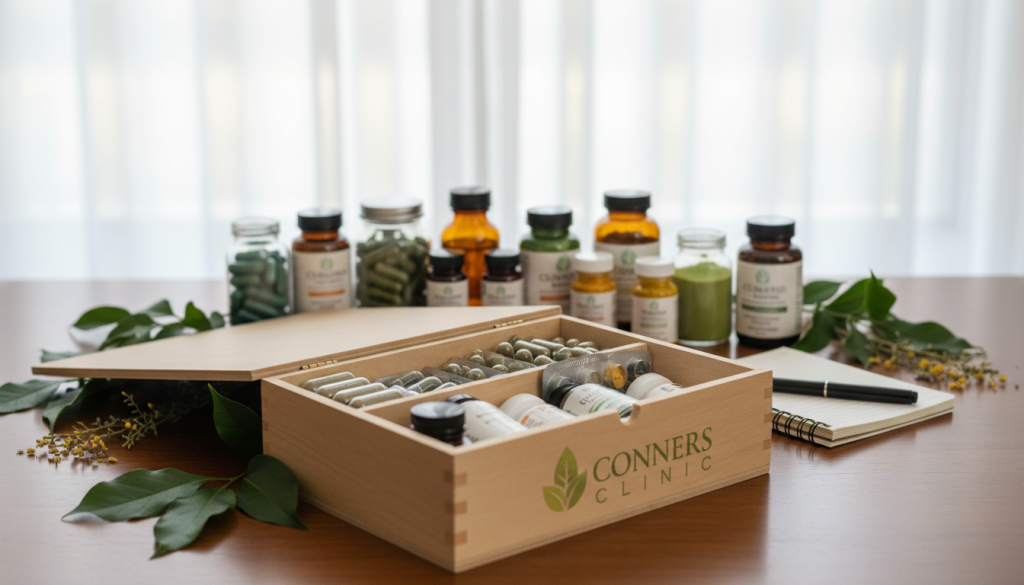
| Form | Bioavailability | Best For | Average Cost (USD) |
|---|---|---|---|
| Pills & Capsules | Moderate | Convenient, daily routines | $10 – $25 |
| Powders | High (when mixed well) | Customizable dosing | $15 – $30 |
| Liquids & Tinctures | High | Those with swallowing difficulties | $20 – $36 |
Remember, efficacy depends on more than just form. It requires matching the product to your unique physiology.
Choosing Quality Dietary Supplements
The market for these supplements is not tightly regulated. This makes verifying quality a non-negotiable step. I advise seeking reliable information on a brand’s sourcing and purity standards.
Many products are marketed with bold claims that lack scientific backing. Be skeptical of any item promising a cure for cancer. A more detailed guide to general supplements for cancer can offer further clarity.
Always consult your specialist or dietitian. They ensure the dietary supplements you choose are safe and appropriate for your situation. This collaborative approach protects your well-being.
Harnessing the Power of Herbs and Spices in Cancer Prevention
Turning to your spice rack can be a simple yet powerful step toward enhancing your dietary strategy during recovery. Many common culinary ingredients contain bioactive compounds that may support overall wellness.
Benefits of Turmeric, Ginger, and Garlic
Turmeric contains curcumin, a compound highlighted by experts like Cynthia Wigutow. It may help inhibit the growth of abnormal cells. I suggest that patients incorporate fresh ginger into meals.
It provides anti-inflammatory benefits and can help manage nausea, a common side effect. Garlic is another powerful option to support health.
To maximize its effects, chop it and let it sit for ten minutes before cooking. This allows the formation of allicin, which may boost immune function.
Other Healing Spices: Cayenne Pepper, Oregano, and Saffron
Cayenne pepper and saffron also offer unique compounds. They may help reduce certain side effects of cancer treatments. To provide antioxidant support, drinking up to three cups of green tea daily is a good practice.
However, I caution against highly concentrated green tea pills. These spices can add both flavor and potential supportive effects to your diet.
Always discuss any significant dietary changes with your healthcare team to ensure safety.
Balancing Your Diet and Supplement Intake During Cancer Treatments
Finding the right balance between what you eat and what you take can significantly influence your resilience during therapy. I see this as a foundational principle for anyone navigating this journey.
Your daily meals should provide the core building blocks for health. Any additional products must fill specific, identified gaps without causing conflict.
Combining Whole Foods with Supplementation
A balanced diet rich in whole foods is the bedrock of wellness. It supplies essential amino acids like leucine and lysine that your body cannot produce.
These compounds are vital for tissue repair and immune function. I always recommend foods as your primary source.

For omega-3 fatty acids, I often suggest ground flax seed. Some research indicates fish oil might reduce chemotherapy effectiveness.
Flax provides these beneficial fatty compounds without that potential risk. The table below contrasts key nutrient sources.
| Nutrient | Primary Whole Food Source | Supplemental Form | Key Consideration |
|---|---|---|---|
| Omega-3 Fatty Acids | Ground Flax Seed, Walnuts | Fish Oil Capsules | Flax seed may be preferred during chemotherapy |
| Essential Amino Acids | Lean Meats, Eggs, Legumes | BCAA Powders | Whole foods provide a complete profile |
| Antioxidants | Berries, Leafy Greens | Vitamin C & E Capsules | Foods offer synergistic compounds |
Managing Side Effects and Nutrient Absorption
Cancer treatments often impact digestion. This can hinder the absorption of crucial nutrients.
Managing side effects like nausea or appetite loss is key. Adjusting your diet ensures you still get the vitamins and minerals you need.
Focus on nutrient-dense foods. This approach helps your body repair and may mitigate negative effects.
By prioritizing whole foods and using targeted products wisely, patients can better support their overall wellness during cancer treatments.
Expert Recommendations and Guidelines for Supplement Use
The decision to incorporate any new product into your regimen should begin with a conversation, not a capsule. My guidelines are built on safety and individualized assessment, drawing from current research.
Consulting Healthcare Professionals
I urge patients to consult their medical team before they take supplements. High doses can lead to toxicity. They might also interfere with oncology treatments.
For instance, research links low levels of vitamin D to a higher risk of breast cancer. Yet, taking these vitamins is not always advised to prevent it. This highlights the need for professional information.
Establishing Safe Dosage and Monitoring Effects
Always seek expert information to set a safe dosage. Common vitamins pose a risk if taken in excess during therapy. When taking supplements, monitor for adverse effects closely.
This is crucial in those with a history of breast cancer. Current research offers mixed data on selenium to reduce risk of prostate conditions. Some studies show no benefit.
While certain vitamins may help fill gaps, they cannot replace a healthy diet. Your team can help you reduce risk and make informed choices.
Empowering Your Journey Toward Health and Comprehensive Cancer Care
I want to leave you with a clear message: your active participation in your care is the most powerful tool you have.
Empowerment requires a commitment to evidence-based practices and a proactive partnership with your oncology team. This ensures your safety throughout all treatments.
I encourage you to seek reliable information. Remain critical of any product claim lacking rigorous scientific review.
By focusing on comprehensive care, you can integrate holistic support with conventional medicine. This approach aims to improve your overall quality of life.
Remember, your health is a multifaceted journey. Every decision should be guided by professional advice and personal research.
I am here to help patients navigate these choices. Your path toward recovery must be both safe and scientifically informed.
FAQ
Can I take dietary supplements while undergoing chemotherapy or radiation?
This is a critical question I address with every patient. Some products can interfere with your primary therapy or worsen side effects. For instance, high-dose antioxidants might theoretically protect cancer cells. Always, without exception, discuss every pill, powder, or herbal tea with your oncology team. At Conners Clinic, we create a coordinated plan that safely integrates supportive nutrients with your standard treatments.
What are the most important nutrients to support my body during treatment?
Based on clinical evidence, I often focus on a few key areas. Maintaining adequate Vitamin D levels is crucial for immune function. Omega-3 fatty acids, like those in quality fish oil, can help manage inflammation and support muscle mass. For patients with specific deficiencies or side effects like neuropathy, targeted amino acids or B vitamins may be beneficial. The priority is a personalized approach based on your blood work and treatment profile.
How do I choose a high-quality and safe product?
The market is unregulated, so vigilance is key. I recommend looking for brands that use third-party testing from organizations like NSF International or USP. These seals verify that what’s on the label is in the bottle and that contaminants are absent. Always select single-ingredient formulas when possible to avoid unwanted interactions, and be wary of extravagant “cure-all” claims.
Are herbs like turmeric or medicinal mushrooms safe during cancer care?
A> Many herbs have powerful bioactive properties, which is why they require professional guidance. Turmeric (curcumin) has strong anti-inflammatory research behind it, but it can thin blood and affect drug metabolism. Medicinal mushrooms like Reishi or Turkey Tail can modulate the immune system. I incorporate these into protocols at Conners Clinic only after a thorough review of your medications and health status to ensure synergy, not risk.
What side effects should I watch for when starting a new regimen?
Your body is under unique stress, so monitoring is essential. Common reactions can include digestive upset, changes in energy, or allergic responses. More seriously, watch for unusual bleeding, bruising, or a sudden shift in your symptoms. I advise patients to keep a simple journal tracking what they take, the dosage, and how they feel. Report any change, positive or negative, to your healthcare team immediately for adjustment.
Where can I find reliable information that isn’t biased or sensationalized?
This is a major challenge. I direct patients to peer-reviewed resources like the National Cancer Institute’s Office of Cancer Complementary and Alternative Medicine or academic integrative oncology centers. Be skeptical of personal testimonials selling products or sites claiming secret cures. A trustworthy source will present balanced evidence, discuss risks, and never pressure you to forgo conventional care.