
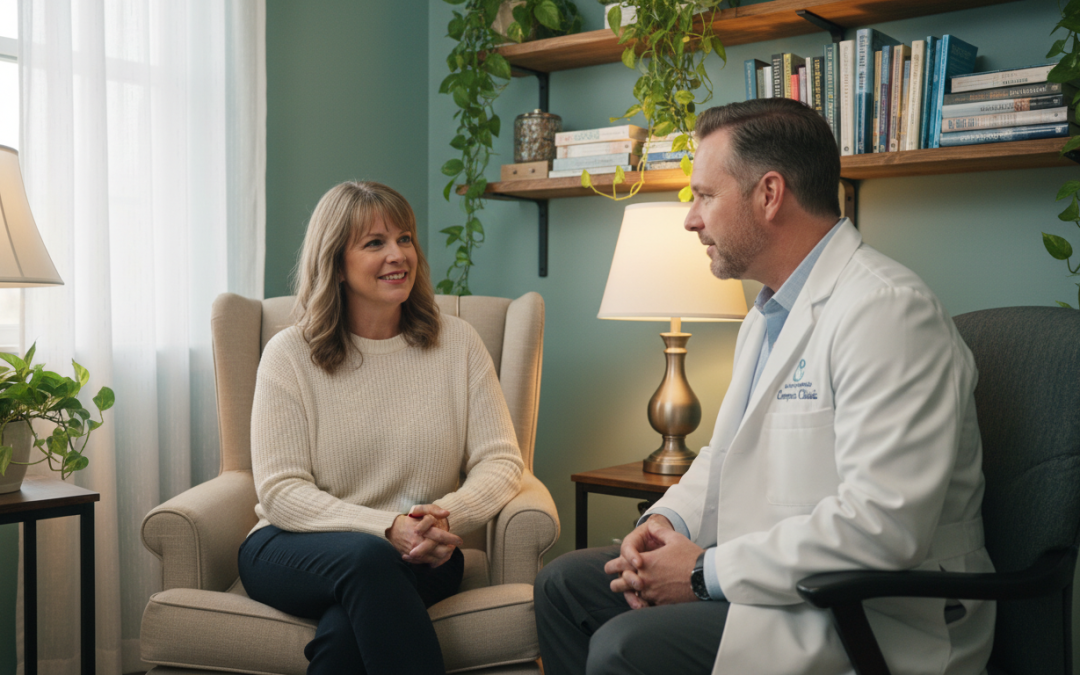
I recall a conversation with a patient early in my career. She was managing a difficult diagnosis and the rigorous treatment that followed. The constant nausea and deep fatigue were wearing her down. She asked me, with hopeful eyes, about other ways to feel better alongside her standard medical care.
That moment is why I do this work. Many people look for supportive care during this challenging time. These methods, often called complementary and alternative medicine (CAM), include various products and practices not typically part of conventional oncology.
People often explore these integrative approaches to help cope with side effects. The goal is to improve their overall well-being and quality of life. It’s about finding tools to manage the physical and emotional stress that can come with illness.
From my professional view, I have seen how seeking this information can empower individuals. It provides a sense of agency during a period that can feel very controlling. My aim is to share clear, evidence-based knowledge so you can make informed decisions about your health journey.
Key Takeaways
- Complementary and alternative medicine (CAM) refers to health approaches used alongside standard medical treatment.
- Many individuals use these supportive methods to help manage treatment side effects like pain, nausea, and fatigue.
- Exploring these options can provide a greater sense of control and improve overall well-being during care.
- It is crucial to base decisions on accurate information and discuss all options with your healthcare team.
- Integrating evidence-based supportive care with conventional treatment aims to enhance quality of life.
- Understanding the purpose and limits of different approaches helps in navigating your personal health path.
Understanding Complementary Therapies for Cancer
Navigating the landscape of supportive care options can be confusing for many individuals facing a cancer diagnosis. I find it helpful to start with clear definitions. This creates a shared language between patients and their care teams.
Definition and Scope
In modern oncology, we generally group health approaches into three main categories. It’s crucial to understand their distinct roles and applications.
| Approach | Key Practitioner | Primary Use | Example in Cancer Care |
|---|---|---|---|
| Conventional Medicine | M.D. or D.O. | Treat disease directly | Surgery, chemotherapy, radiation |
| Complementary Medicine | Various trained practitioners | Used alongside standard treatment | Acupuncture for nausea relief |
| Alternative Medicine | Often non-medical practitioners | Used instead of standard treatment | Special diet replacing prescribed drugs |
Conventional, or allopathic, medicine is the foundation. It relies on proven methods like drugs and surgery. Complementary practices are add-ons. They aim to manage side effects and improve well-being.
Alternative methods are used in place of standard oncology. This distinction is vital for safety. The National Cancer Institute provides a detailed resource on complementary and alternative medicine (CAM) for those seeking more information.
Historical Context and Evolving Practices
Many supportive practices have deep historical roots. Cultures worldwide have long used herbs, touch, and mindful movement for healing.
“The integration of ancient wisdom with modern science is shaping a more holistic future for patient care.”
Today, we see a dynamic evolution. Some older methods are now being studied with rigorous science. The scope of what is considered supportive care continues to expand thoughtfully.
The Role of Alternative Cancer Treatment Options
A common question in my practice centers on how to blend mainstream medical protocols with other supportive strategies. This discussion is vital for understanding your choices.
It goes beyond simply picking one path. The goal is to build a cohesive plan that supports your whole health.
Integrative Medicine Explained
Integrative medicine is a comprehensive model. It combines standard cancer treatments with supportive practices backed by science.
This approach prioritizes your preferences. It aims to address mental, physical, and spiritual well-being during your journey.
I view it as a partnership. It weaves evidence-based supportive strategies into conventional oncology care.
Comparing Conventional and Alternative Approaches
Choosing the right path requires a clear view of the options. Here is a straightforward comparison.
| Type of Approach | Primary Focus | Role in Cancer Care |
|---|---|---|
| Conventional Medicine | Direct disease treatment | Foundation of care (e.g., chemotherapy) |
| Integrative Medicine | Whole-person support | Combines standard treatment with safe, added practices |
| Alternative Medicine | Replaces standard care | Used instead of proven medical treatments |
Standard medical care is widely accepted as best practice for fighting disease. A balanced view looks at both mainstream protocols and supportive integrative strategies.
By integrating these worlds, we create a more holistic plan. This supports you throughout the entire journey toward better health.
complementary therapies for cancer: Evidence and Best Practices
One of the most critical steps in considering any supportive approach is reviewing the research behind it. I guide my patients to look for solid data before adding a new practice to their routine.
Research Findings and Clinical Trials
Scientific studies provide the foundation for safe integration. For instance, a notable trial on acupuncture for pain in survivors showed modest improvements.
Researchers noted a potential placebo effect, highlighting the need for careful analysis. Not every method works for all individuals, so personalizing care is key.
Major institutions like the National Cancer Institute (NCI) actively sponsor clinical trials. They are testing various supportive methods to build a stronger evidence base.
My professional recommendation is to always check the latest findings. This ensures your choices are backed by credible science.
We must continue supporting rigorous studies. This is how we learn to blend these supportive strategies safely with standard oncology care.
Mind-Body Techniques for Managing Cancer Symptoms
Many patients find that techniques focusing on the mind-body connection offer profound relief during treatment. These practices aim to reduce stress and improve overall well-being.
“The mind and body are not separate entities; what affects one invariably influences the other.”
Meditation, Yoga, and Tai Chi
Meditation involves focused breathing or repetition of words. This quiets the mind and lessens stressful thoughts.
Yoga is an ancient system using stretches, poses, and breathing. It helps balance the mind and body.
Tai chi is a gentle exercise with slow, controlled movements. It aids relaxation during care.
| Technique | Primary Mechanism | Common Application in Cancer Care |
|---|---|---|
| Meditation | Focused attention & mindfulness | Managing anxiety and nausea |
| Yoga | Physical postures & breath control | Reducing fatigue and improving sleep |
| Tai Chi | Flowing movement & meditation | Enhancing balance and mental calm |
| Hypnosis | Guided imagery & suggestion | Alleviating pain and procedure-related distress |
| Biofeedback | Real-time physiological data | Gaining control over heart rate and muscle tension |
Hypnosis and Biofeedback Insights
Hypnosis creates a trance-like state of focused attention. It allows a person to become more open to positive images or sensations.
This can aid in the healing process by reducing perceived discomfort. Biofeedback uses machines to monitor body functions.
Patients learn to control processes like heart rate and blood pressure. These are normally outside conscious awareness.
I view these as powerful tools for specific symptom challenges. They provide a sense of agency during a difficult time.
Biologically Based Approaches in Cancer Care
Biologically based practices form a distinct category within the broader landscape of integrative health strategies. These methods utilize natural substances to support the body’s well-being during oncology treatment.
They include vitamins, dietary supplements, herbs, and botanicals. It is vital to view them as supportive tools, not primary cures.
Herbal Supplements and Dietary Strategies
Many people explore items like turmeric, ginger, or specific vitamins. The goal is often to manage side effects and bolster nutrition.
I must emphasize a key point. No single food or special diet has been proven to control or cure this disease.
| Substance Type | Common Examples | Potential Supportive Role | Key Consideration |
|---|---|---|---|
| Vitamins & Minerals | Vitamin D, Zinc | Supporting immune function | High doses can interfere with treatments |
| Herbs & Botanicals | Turmeric, Ginger, Cannabis | Managing inflammation or nausea | Requires professional guidance for safety |
| Dietary Supplements | Omega-3 fatty acids | Helping maintain weight and strength | Quality and purity vary by brand |
| Special Diets | Plant-based protocols | Promoting overall nutrition | Not a replacement for medical care |
Patients should always discuss supplements with their oncology team. This prevents harmful interactions with standard medicine.
Botanicals, including cannabis, need particular caution. A qualified professional can guide their use.
Maintaining a well-rounded, healthy diet is essential. These supportive approaches should never replace your primary treatment plan.
Physical and Manual Therapies in Complementary Care
In my clinical experience, hands-on techniques often provide tangible relief for the physical discomfort associated with oncology treatment. These methods focus directly on the body’s soft tissues and structure.
I view them as valuable tools for managing strain and promoting comfort. They are best integrated into a broader supportive plan.
Massage, Chiropractic, and Reflexology
Massage therapy involves skilled manipulation of muscles and soft tissues. Gentle kneading and stroking can ease tension and foster deep relaxation.
This practice helps many people cope with the physical demands of their medical journey. It is a widely accepted form of supportive care.
Chiropractic therapy focuses on the alignment of the spine and joints. Careful adjustments aim to improve musculoskeletal function.
It can address specific issues like back pain that may arise during treatment. Always seek a practitioner familiar with oncology cases.
Reflexology applies pressure to specific points on the feet or hands. These points are believed to correspond to other body areas.
“The power of touch in healing is profound, offering comfort that sometimes words cannot.”
This unique manual approach promotes a sense of balance and well-being. It is a gentle option for those seeking non-invasive support.
When performed by trained, licensed professionals, these physical methods can be very effective. They should always be discussed with your primary oncology team.
Understanding Energy Healing and Its Impact
Energy-based modalities represent a unique category of supportive care that many individuals explore during their health journey. These practices operate on the idea that a vital life force flows within us to maintain wellness.
Balancing this energy is thought to support the body’s natural healing response. I often discuss these gentle options with patients seeking additional comfort.
Reiki and Therapeutic Touch
Reiki is a Japanese technique for stress reduction. A practitioner places their hands lightly on or just above a clothed person.
The goal is to guide energy to help the body relax. Therapeutic Touch involves moving hands over a person’s energy field. Some practitioners use gentle physical contact.
Both methods aim to influence the body’s subtle energy systems. Many people report feeling deeply calm after a session.
| Energy Method | Key Technique | Common Application in Oncology | Safety Profile |
|---|---|---|---|
| Reiki | Gentle hand placement or hovering | Easing anxiety during cancer treatment | Generally very safe, non-invasive |
| Therapeutic Touch | Hand movements over energy fields | Promoting relaxation for cancer patients | Considered safe with trained practitioner |
Scientific evidence for the existence of energy fields remains limited. However, the reported relaxation benefits are valued.
These supportive therapies are generally safe. They can be a gentle addition to a wellness routine during cancer care.
Whole Medical Systems: Eastern Practices in Cancer Treatment
The concept of treating the whole person is embodied in several traditional medical systems from around the world. These are complete frameworks, not just single techniques.
They offer a unique perspective for supporting health during oncology care. I find understanding their fundamentals provides valuable context.
Traditional Chinese Medicine Fundamentals
Traditional Chinese medicine aims to restore balance between yin and yang. It believes qi, or vital energy, must flow properly through meridians.
Acupuncture is a cornerstone practice. It stimulates specific points to lessen disease symptoms and side effects from treatment.
Ayurvedic medicine originates from India. It focuses on cleansing the body and restoring harmony through diet, herbs, and meditation.
Naturopathic medicine emphasizes the body’s self-healing ability. It uses natural agents like light, water, and massage, avoiding drugs and surgery.
These systems represent ancient wisdom. They can be thoughtfully integrated into modern cancer care for a more comprehensive approach.
| System | Core Philosophy | Key Supportive Practices | Integration in Modern Care |
|---|---|---|---|
| Traditional Chinese Medicine | Balance qi (energy) flow | Acupuncture, herbal formulas | Managing nausea, pain, fatigue |
| Ayurvedic Medicine | Restore mind-body harmony | Diet, detoxification, yoga | Supporting digestion and stress relief |
| Naturopathic Medicine | Stimulate inherent healing | Nutrition, hydrotherapy, lifestyle counseling | Enhancing overall wellness during treatment |
When considering these whole systems, open dialogue with your oncology team is essential. They are powerful complementary therapies.
Safety Considerations and Managing Side Effects
One of the most frequent concerns I address involves the safe use of natural products. Many patients believe that because something is natural, it must be harmless. This is a dangerous assumption, especially during oncology care.
Herbal supplements can cause serious side effects or interact negatively with prescription medications. For instance, St. John’s Wort is known to reduce the effectiveness of certain cancer treatments. Another herb, kava kava, has been linked to potential liver damage in some studies.
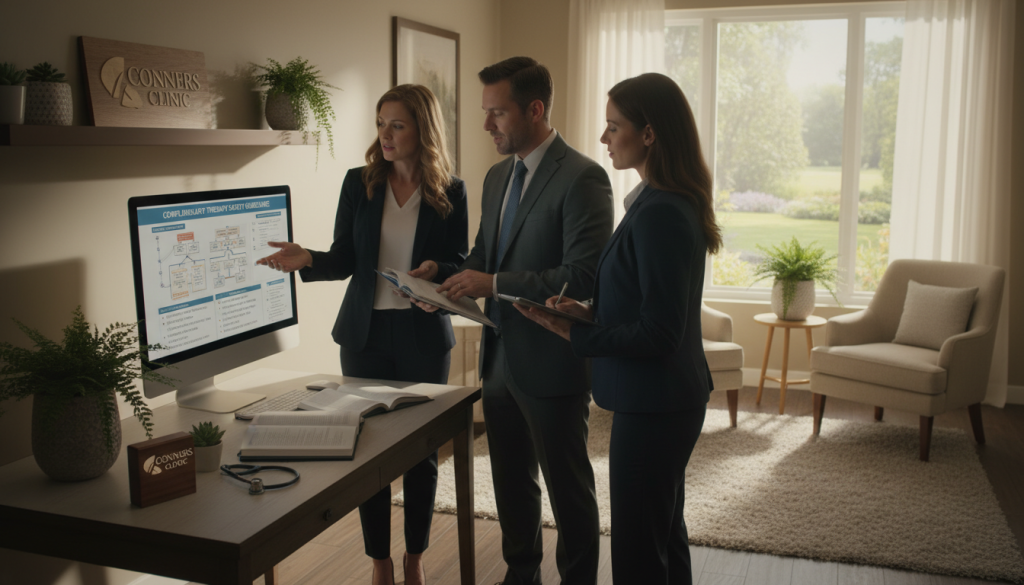
It’s important to understand that the FDA does not approve dietary supplements before they are sold. This means quality and safety can vary greatly. Always inform your doctor about any supplements you are taking.
Potential Interactions and Risks
These interactions can significantly impact your primary treatment plan. I advise my patients to maintain an open dialogue with their oncology team. This ensures all supportive strategies are coordinated safely.
Even well-intentioned complementary therapies can pose risks if not properly vetted. Your safety is paramount, and managing these potential effects is a key part of integrative medicine.
Personalizing Your Complementary and Integrative Health Plan
Your journey with cancer is unique, and so should be your integrative health strategy. I believe the most effective plans are built through collaboration. They combine your personal goals with professional medical guidance.
Questions to Ask Your Healthcare Provider
Start by having an open dialogue with your oncology team. Inquire about any supportive approach you wish to explore. Ask if the practitioner has specific training and experience with your type of cancer.
It is also wise to discuss costs and insurance coverage. Understanding the evidence behind a method is crucial. Resources like the Memorial Sloan Kettering guide can offer valuable insights.
Working with CAM Practitioners
Selecting a qualified practitioner is key. Look for someone who is willing to coordinate with your oncologist. This ensures safety and continuity of care.
By taking an active role, you align these choices with your overall recovery goals. Personalized planning puts you at the center of your health journey.
Insights from Studies and Current Research Trends
Robust clinical investigation is essential to demystify which supportive practices truly benefit individuals during oncology treatment. The evidence base is not static; it evolves with each new published study.
Key Findings from Clinical Trials
Major institutions drive this progress. The National Cancer Institute (NCI) and the National Center for Complementary and Integrative Health (NCCIH) sponsor numerous clinical trials. These trials test various approaches in people to build a reliable knowledge base.
The NCI also provides evidence-based Physician Data Query (PDQ) information for many methods. This is a vital resource for anyone exploring complementary integrative health options.
“Rigorous research is the bridge between tradition and evidence, ensuring patient safety and efficacy.”
Current research trends show a keen interest in how these strategies integrate with standard protocols. Many ongoing studies compare combinations to find the best outcomes for patients.
It is crucial to rely on data from reputable sources like the NCI. This provides clear information on safety and efficacy for various cancer care scenarios. As we conduct more studies, we gain a clearer picture of how these supportive therapies can aid the journey.
Conners Clinic: Your Partner in Alternative Cancer Treatment
At Conners Clinic, we understand the search for holistic support during cancer care is deeply personal and often complex. Finding a trusted guide can provide clarity and confidence.

Expert Guidance and Patient-Centered Care
We specialize in providing expert guidance for those exploring alternative cancer treatment options. Our approach is rooted in a patient-centered model.
We focus on the unique needs of each individual. This includes those managing specific diagnoses like breast cancer.
Your voice and goals are central to every decision we make. We blend evidence with compassion to support your healing journey.
Available Resources and Support Services
Our clinic offers a wealth of resources to empower your choices. You have access to detailed information on various integrative health strategies.
If you have questions, compassionate support is readily available. You can call 0808 808 00 00 to speak directly with specialists.
Organizations like Dangoor Education have supported such cancer information services since 2010. This reflects a long-term commitment to patient education and care.
Our ultimate goal is to enhance your quality of life throughout your journey. We are here as your dedicated partner in care.
Final Reflections on Navigating Complementary Cancer Care
Your path through cancer care is a personal mosaic. Each supportive practice you choose adds a piece to your well-being.
I advise a thoughtful balance between scientific evidence and your personal health goals. Always prioritize open talks with your medical team. This ensures every therapy is safe and effective for your unique situation.
Remember, the most successful plans integrate the best of conventional medicine with supportive care. Stay informed through reputable studies and clinical trials. This lets you confidently choose practices that support your body and mind.
I encourage you to remain proactive and compassionate toward yourself. Exploring these options can truly improve your overall health and quality of life.
FAQ
What is the main difference between complementary and alternative cancer treatments?
I often clarify this important distinction. Complementary methods are used alongside standard medical care like chemotherapy to help manage side effects and improve well-being. Alternative treatments are used instead of proven conventional therapies, which I do not recommend without a doctor’s guidance. The integrative approach at our clinic thoughtfully combines both worlds for a more holistic plan.
Is there solid evidence that practices like acupuncture or meditation really help during oncology care?
Yes, significant research supports their role. For instance, numerous studies and clinical trials reviewed by the National Cancer Institute show acupuncture is effective for chemotherapy-induced nausea. Similarly, meditation and yoga have strong evidence for reducing stress, anxiety, and improving overall quality of life during radiation or other intensive treatments.
Are herbal supplements safe to take while I’m undergoing chemotherapy?
This is a critical safety question. Some supplements can interfere with how your body processes chemotherapy drugs, potentially making them less effective or increasing toxicity. I always advise patients to provide their oncology team with a complete list of every herb, vitamin, or dietary supplement they use. A direct conversation with your provider is essential to avoid harmful interactions.
How can mind-body techniques like hypnosis help with my cancer symptoms?
These practices are powerful tools for symptom management. Clinical studies indicate that hypnosis and biofeedback can significantly help control pain, lessen anticipatory nausea before treatment sessions, and reduce general stress. They work by helping you gain more control over your body’s physical responses, which can be incredibly empowering during your health journey.
What should I look for when choosing a practitioner for massage or chiropractic care during my treatment?
A> First, seek a licensed professional with specific experience in oncology care. They should understand common side effects, know areas to avoid (like tumor sites or ports), and adapt pressure and techniques for your safety. Always get clearance from your primary oncologist first, and choose someone open to communicating with your medical team.
How does Conners Clinic integrate these complementary approaches into a personalized cancer care plan?
At Conners Clinic, we begin with a thorough assessment of your diagnosis, conventional treatment plan, and personal health goals. Our experts then design a tailored integrative health strategy. This may include specific dietary strategies, stress-reduction practices like tai chi, and manual therapies—all coordinated to support your body’s resilience and manage the side effects of your primary treatments effectively.