
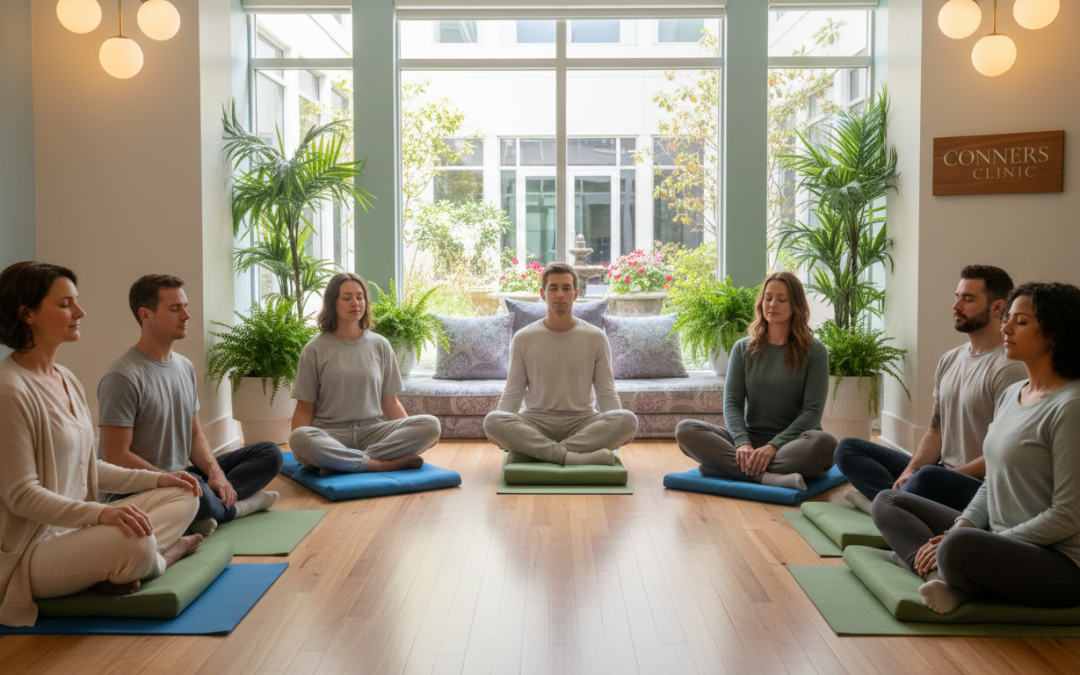
I remember a woman I worked with early in my career. She was navigating a difficult treatment path and felt completely overwhelmed. One day, we introduced a simple breathing technique into her routine. The change was profound. She described it as finding a quiet anchor in a storm.
This experience solidified my belief in a more complete approach to healing. The field of oncology now widely acknowledges that holistic support is crucial. It goes beyond clinical procedures to nurture the whole person.
This guide exists to build a vital bridge. It connects essential medical care with the emotional and mental resilience needed on this journey. My goal is to empower you to take an active role in your own well-being.
By understanding and applying these principles, you can better manage the complex challenges that arise. The aim is to help you maintain a stronger sense of control and a higher quality of life.
Key Takeaways
- Holistic support is now a recognized and vital part of modern oncology care.
- Integrative practices can serve as a powerful bridge between medical treatment and emotional well-being.
- These approaches empower individuals to actively participate in their healing process.
- They are effective tools for managing both physical symptoms and emotional stress.
- Adopting these strategies can significantly improve a person’s daily experience and overall wellness.
- This guide provides practical steps to incorporate these methods into an existing care plan.
Introducing Mind-Body Interventions in Oncology
The integration of supportive therapies into standard oncology is reshaping patient care. I see this shift daily in my practice. It moves beyond managing disease to nurturing the whole person.
Understanding Complementary Cancer Treatments
These are non-invasive approaches used alongside primary medical care. Their goal is to improve outcomes and ease the journey. As Linda Eaton, PhD, RN, outlined in a 2023 guide for oncology nurses, they are evidence-based.
They address both physical discomfort and emotional strain. This creates a more complete support system. The focus is on collaboration, not replacement.
| Therapy | Primary Benefit | Research Note |
|---|---|---|
| Guided Meditation | Reduces anxiety and stress | Shown to lower cortisol levels |
| Therapeutic Yoga | Improves fatigue and sleep | Enhances physical function and mood |
| Acupuncture | Manages pain and nausea | Widely adopted in integrative centers |
| Mindfulness-Based Stress Reduction (MBSR) | Boosts emotional resilience | Supported by numerous clinical trials |
The Role of Alternative Approaches in Enhancing Quality of Life
Research consistently links these methods to an improved quality of life. This is especially vital during intensive treatment phases. Integrative medicine centers now routinely include them.
They provide a supportive framework for the entire experience. My work confirms they help individuals regain a sense of control. This directly impacts daily wellness and personal outlook.
Evidence-based mind-body interventions provide oncology nurses with practical tools to support the multifaceted needs of individuals facing a cancer diagnosis.
The ultimate role is to complement medical science with human-centered support. This holistic model is becoming standard for enhanced quality life cancer care.
Mind-Body Interventions for Cancer Patients: A Gateway to Enhanced Healing
Modern oncology recognizes that each person’s path to wellness is unique, demanding a tailored approach. This philosophy is the gateway to truly enhanced healing. It moves beyond a one-size-fits-all model.
The Importance of Personalized, Patient-Centered Care
Dr. Azriel Hirschfeld, who leads the pancreatic cancer team at Hirschfeld Oncology, champions this model. He emphasizes multidisciplinary care that integrates supportive therapies. Personalized medicine is now the cornerstone of modern oncology.
It ensures every individual receives a plan crafted for their specific needs. Research highlights how this focus improves overall outcomes. The role of patient-centered care cannot be overstated.
How Conners Clinic Supports Alternative Cancer Treatments
At Conners Clinic, we build on this principle. We provide specialized alternative cancer treatment options. Our protocols focus on the unique biological and psychological aspects of each person.
We believe every individual deserves a plan addressing their physical and emotional needs. This research-backed approach blends modern medicine with supportive strategies. Our goal is to help people achieve an improved quality of life.
We are committed to offering a safe space for healing. Patients can explore our integrative approach to find support during their journey.
Practical Techniques for Stress Relief and Symptom Management
Effective symptom management begins with simple, evidence-based techniques that anyone can learn. I often use the National Comprehensive Cancer Network’s distress thermometer as a guide. A score of four or higher signals when extra support is needed.

This tool helps us identify the right moment to introduce practical coping strategies. The goal is to provide immediate, accessible relief.
Deep Breathing and Progressive Muscle Relaxation Practices
I recommend deep breathing as a primary tool. It is easy to practice and offers quick relief from anxiety.
Progressive muscle relaxation (PMR) is another powerful method. It systematically releases physical tension, a common byproduct of stress. Both techniques are backed by strong research.
Mindfulness, Meditation, and Yoga as Therapeutic Tools
Mindfulness practices teach individuals to stay present. This skill is crucial for navigating emotional ups and downs.
Regular meditation can help manage symptoms like fatigue and depression. It contributes to a better quality of life.
Incorporating yoga supports physical health and maintains balance. These tools empower proactive coping during the entire journey.
Integrating Mind-Body Practices with Standard Cancer Care
A landmark clinical trial recently provided compelling data on the tangible benefits of blending supportive therapies with standard care. This integration is now a core component of modern oncology.

It directly addresses the multifaceted challenges people face. The goal is to create a seamless support system.
Complementary Roles in Pain, Fatigue, and Emotional Wellness
These holistic strategies play a specific role in managing common symptoms. Meditation and relaxation techniques can reduce the perception of pain.
Gentle yoga has been shown to combat fatigue and improve physical function. Mindfulness practices are powerful tools for easing stress and anxiety.
| Primary Challenge | Supportive Practice | Key Benefit |
|---|---|---|
| Chronic Pain | Guided Imagery & Breathing | Reduces pain medication reliance |
| Treatment-Related Fatigue | Adapted Movement & Yoga | Boosts energy and endurance |
| Emotional Distress | Mindfulness Meditation | Lowers cortisol, improves mood |
| Sleep Disturbance | Progressive Muscle Relaxation | Promotes deeper, restorative sleep |
Guidelines from Oncology Associations and Research Highlights
Major oncology groups like ASCO and the NCCN now officially recommend these practices. Their guidelines underscore the evidence.
Integrating mind-body interventions is vital for supporting individuals through the challenges of active treatment and long-term survivorship.
A 12-week randomized trial of 200 individuals showed virtual sessions cut hospitalizations from 14% to 5%. This research highlights how managing sleep and modulating stress improves tolerability of cancer treatment.
These benefits are crucial for both active care and survivorship, enhancing overall quality of life.
Evidence and Research Supporting Mind-Body Approaches in Oncology
The foundation of modern supportive care rests on rigorous scientific evidence, not just anecdotal hope. My review of the literature confirms that data from major institutions validates these holistic strategies. They significantly improve quality of life and manage pervasive symptoms like sleep issues and fatigue.
Key Studies and Clinical Trials on Mind-Body Interventions
Recent clinical trials provide compelling data. Research led by specialists like Alejandro Chaoul, Ph.D., at MD Anderson shows these practices improve sleep quality. They also reduce cognitive dysfunction often associated with treatment.
This evidence directly informs contemporary care guidelines. We now have a clear roadmap for integrating these tools.
| Study Focus | Key Finding | Clinical Implication |
|---|---|---|
| Sleep Quality | Structured yoga and meditation programs led to better, more restorative sleep. | Reduces reliance on sleep aids and improves daily energy. |
| Fatigue Management | Mindfulness-based stress reduction showed a significant decrease in treatment-related fatigue. | Enhances a person’s ability to tolerate and complete their medical regimen. |
| Cognitive Function | Meditation practices were linked to improved focus and memory recall. | Supports mental clarity and emotional balance during a challenging time. |
Insights from Leading Oncology Nurses and Specialists
Specialists like Smitha Mallaiah translate this research into action. At MD Anderson, her Yoga for Health classes are vital for coping and symptom management. This work exemplifies patient-centered care.
Insights from these experts are crucial. They ensure supportive strategies are both effective and compassionate. This focus is essential for long-term wellness in survivorship.
Embracing a Holistic Journey in Cancer Care
In my practice, the most profound transformations often stem from reclaiming a sense of agency over one’s own well-being. Embracing a holistic path means weaving supportive practices like yoga and meditation into your daily routine. These tools offer powerful ways to manage stress and cultivate resilience.
I encourage you to collaborate closely with your oncology team. Together, you can build a personalized plan that addresses both physical and emotional needs. This integrated approach extends beyond symptom management. It fosters empowerment and significantly enhances overall quality of life.
As we advance, this model of compassionate care will continue to evolve. For deeper insights, explore our resource on enhancing quality of life through supportive oncology. Remember, your journey is unique. Finding the right blend of strategies is a vital step toward long-term health.
FAQ
What exactly are mind-body interventions in the context of oncology?
In oncology, these are evidence-based practices that use the connection between your thoughts, emotions, and physical health to support healing. They include techniques like meditation, yoga, and guided breathing. I recommend them as complementary tools to work alongside conventional treatments like chemotherapy. Their primary goal is to help manage treatment side effects and improve your overall quality of life during this challenging time.
How can these practices specifically help someone undergoing cancer treatment?
Based on my clinical experience and research, these approaches offer tangible benefits for symptom management. They are powerful for reducing stress and anxiety, which are common during care. Many patients report better control over pain and less debilitating fatigue. Furthermore, they can enhance sleep quality and provide effective coping strategies, leading to a greater sense of emotional wellness throughout your journey.
Are techniques like meditation and yoga safe for all patients?
Safety is my foremost concern. While generally safe, these practices must be personalized. Your specific diagnosis, current health status, and treatment phase are critical factors. I always advise consulting with your oncology team and seeking instructors trained in integrative medicine for cancer survivorship. At Conners Clinic, we tailor every recommendation to the individual, ensuring supportive and appropriate care.
What does the scientific evidence say about the effectiveness of these approaches?
Numerous studies and clinical trials provide strong support. Research published in major oncology journals shows these interventions can significantly improve mood, reduce distress, and lessen the severity of symptoms like nausea. Organizations like the Society for Integrative Oncology have developed guidelines endorsing their use. The evidence consistently points to better patient outcomes and enhanced well-being when these tools are part of a holistic plan.
How do I start incorporating mind-body practices into my daily routine?
Begin simply and be consistent. I often suggest starting with just five minutes of focused, deep breathing each morning or using a brief guided meditation app before bed. Gentle restorative yoga can be an excellent entry point. The key is to view these as essential self-care, not an added burden. Even small, regular practices can build resilience and contribute meaningfully to your management plan and improved quality of life.