
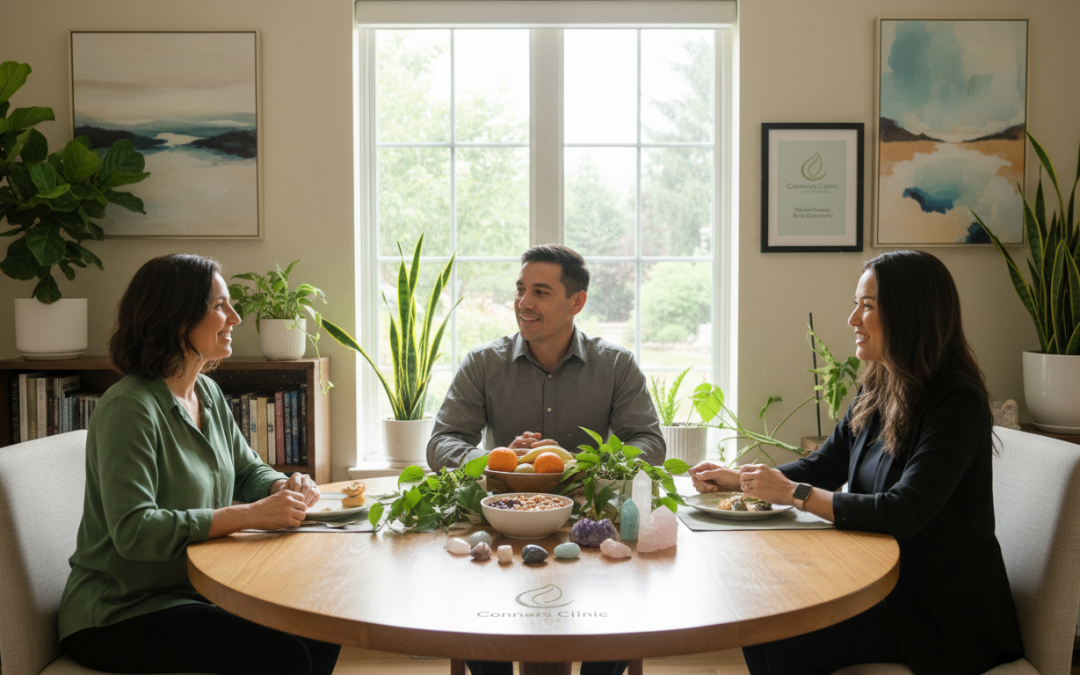
I remember a patient, let’s call her Maria, who was struggling with intense fatigue and nausea after her chemotherapy sessions. She felt like her body was under siege. We talked about adding gentle mindfulness and nutritional support to her regimen. Within a few weeks, she reported feeling more in control and physically stronger. Her story isn’t unique, but it highlights a powerful truth.
This philosophy looks at the whole person—mind, body, and spirit. It aims to improve a patient’s quality of life. Organizations like the American Cancer Society and the American Society of Clinical Oncology recognize the value of this integrative information.
Conventional cancer treatments, like chemotherapy, are vital for attacking cancer cells. However, integrating supportive therapies can help people manage complex side effects. These methods support the immune system and help the body during this difficult fight.
My goal is to share how these different types of care work together. It’s not just about treating cancer; it’s about nurturing overall health. I always recommend working closely with your doctor to ensure any changes to your diet or plan are safe and effective.
Key Takeaways
- Holistic care addresses the physical, emotional, and mental challenges of a diagnosis.
- Integrative therapies can help manage the side effects of conventional cancer treatments.
- Supporting the immune system is a key goal during any treatment plan.
- This patient-centered approach aims to significantly improve quality of life.
- Always consult with your medical team before starting any new therapy or diet.
- Holistic medicine complements standard treatments to support long-term health.
- Evidence-based integrative practices can help patients regain a sense of control.
Exploring holistic approaches to cancer care
The foundation of integrative medicine lies in viewing the individual as a complete system, not just a collection of symptoms. This perspective recognizes that emotional well-being and nutritional status directly influence physical resilience.
Defining the holistic perspective
I see each person as more than their diagnosis. True healing addresses mind, body, and spirit together. This philosophy forms the core of patient-centered care.
My approach integrates emotional support with medical interventions. Nutritional guidance and stress reduction are vital components. These elements work synergistically to strengthen the body’s innate healing capacity.
Key differences from conventional treatments
Conventional cancer treatments primarily target tumors and cancer cells. While essential, they often overlook systemic balance. Integrative therapies aim to restore this equilibrium.
I emphasize supporting overall health during aggressive treatments. This helps manage side effects and improves quality of life. The goal is enhancing the person’s entire well-being, not just attacking disease.
Various types of complementary practices can be valuable. I provide this information to help patients make informed decisions alongside their standard care.
Alternative Cancer Treatment Options at Conners Clinic
At Conners Clinic, we explore a range of evidence-informed strategies designed to work alongside conventional medicine. Our focus is on the whole person, using integrative healing to support long-term health and well-being.
Overview of alternative therapies
I often discuss different types of supportive practices with patients. These can include specialized nutritional plans, specific supplements, and the evaluated use of medical cannabis.
These methods aim to help manage the side effects of conventional cancer treatments. They work to bolster the body’s own resilience. The goal is to improve a patient’s overall quality of life during their primary treatment.
Patient support and decision-making
My team provides crucial support for navigating these choices. We help people gather clear information about various options.
I always stress consulting with your primary doctor before starting any new supplement or therapy. Safety is our top priority to prevent any interference with your main cancer treatment.
We also encourage looking into suitable clinical trials. The American Cancer Society notes these can offer valuable new paths for treating cancer. This collaborative approach ensures every decision is informed and patient-centered.
Mind-Body Medicine: Connecting Emotions and Healing
I frequently observe how patients’ mental states significantly influence their response to medical interventions. This connection forms the basis of mind-body medicine, which addresses emotional and psychological needs alongside physical ones.
These practices reduce stress and anxiety, which can otherwise weaken immune function. They help people better cope with the challenges of their journey.
| Technique | Primary Focus | Key Benefits | Recommended For |
|---|---|---|---|
| Meditation | Quieting the mind | Reduces stress, improves mental clarity | Daily practice, treatment days |
| Guided Imagery | Visualizing healing | Enhances sense of control, reduces pain perception | Before procedures, during recovery |
| Yoga | Gentle movement & breath | Improves flexibility, reduces fatigue | All fitness levels, energy permitting |
| Cognitive Behavioral Therapy | Changing thought patterns | Manages anxiety, improves coping skills | Significant emotional distress |
Meditation and Guided Imagery
Meditation teaches patients to calm their nervous systems. Even brief sessions may help manage the side effects of intensive cancer treatments.
Guided imagery involves visualizing peaceful scenes or healing processes. I teach this technique to help people feel more active in their recovery. It often provides emotional relief during difficult treatment phases.
Yoga and Cognitive Behavioral Techniques
Gentle yoga adapts to each person’s energy level and ability. The combination of movement and breathwork supports both physical and mental health.
Cognitive Behavioral Therapy (CBT) provides tools to manage distressing thoughts. This therapy helps reframe negative thinking patterns that can arise during illness. These mind-body therapies complement our alternative cancer support memberships.
Always discuss these options with your doctor to ensure they fit safely with your primary treatment plan. Integrating them can significantly improve your quality of life.
Nutritional Therapy and Detoxification for a Healthier Body
I consider a targeted dietary strategy to be one of the most fundamental forms of support during a cancer journey. What we eat directly fuels our body’s ability to heal and cope.
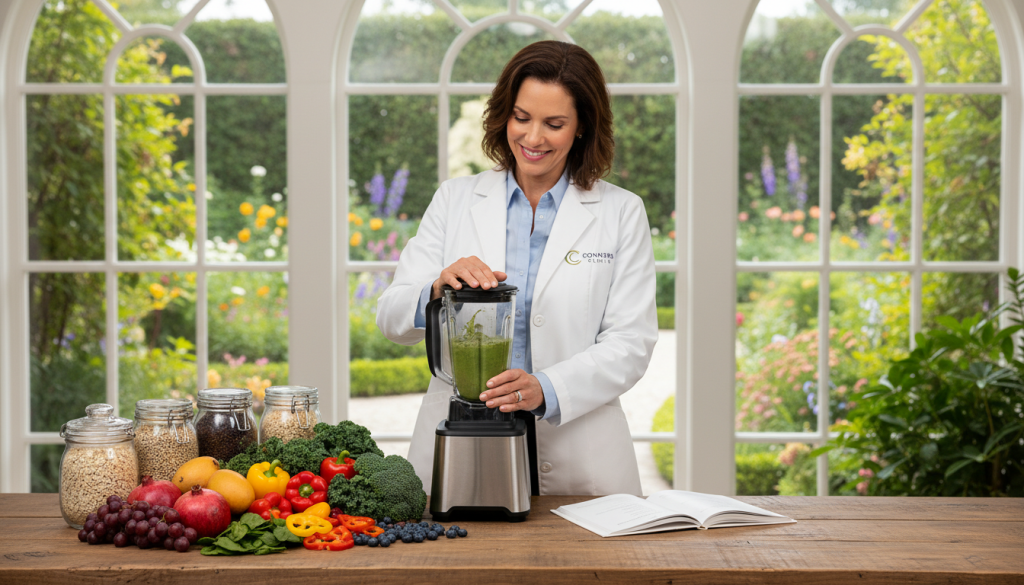
Antioxidant-rich and anti-inflammatory diets
Nutritional therapy is a cornerstone of my practice. A proper diet can significantly boost the immune system during cancer treatment.
I recommend an alkaline diet to help balance pH levels. This may help make the internal environment less hospitable to aggressive cells.
Foods like turmeric and ginger are essential. They fight chronic inflammation linked to cancer cell growth. I ensure a patient’s diet is rich in antioxidants.
These nutrients may help protect healthy cells from damage during therapy.
Methods for effective detoxification
Detoxification is vital for removing toxins the body accumulates. This process can reduce the side effects of conventional cancer treatments.
Methods like targeted liver cleanses and sauna therapy support the body. They help eliminate toxins that may hinder healing.
When people use these strategies, they often report higher energy levels. This improves their ability to tolerate primary treatment.
It is essential to consult your doctor before starting any new detox protocol. Safety for your specific body is the top priority.
Herbal Medicine and Acupuncture: Complementary Cancer Therapies
Many patients find that complementary therapies like herbal remedies and acupuncture offer meaningful relief during their cancer journey. These practices work alongside standard medical care to address specific challenges.
I view them as valuable tools for enhancing a person’s overall well-being. They focus on symptom management and supporting the body’s natural resilience.
Role of herbal remedies in cancer care
Herbal medicine, when used correctly, provides significant support. I often recommend herbs like turmeric and green tea for their antioxidant properties.
These substances may help bolster the immune system during intense treatment. They can also play a role in creating a less favorable environment for unhealthy cell growth.
Safety is my foremost concern. My team carefully monitors any supplement use to prevent negative interactions with primary cancer treatments. I always advise consulting your doctor before adding any new herbal regimen.
Acupuncture’s benefits in symptom management
Acupuncture is a highly effective therapy for managing difficult side effects. Research shows it can reduce chemotherapy-induced nausea and vomiting.
In my practice, I recommend it to help control pain and combat fatigue. When people use acupuncture, they frequently report better tolerance of their conventional treatments.
This improvement in physical comfort directly enhances the quality of life patients experience. It is a precise technique that supports the body’s healing processes.
Providing accurate information about these complementary options is a key part of my commitment. It helps patients make informed, collaborative decisions for their health.
Physical Activity and Movement: Enhancing Life Quality
Movement, when tailored to individual capacity, acts as a direct counterbalance to the fatigue and stress that often accompany intensive medical care. I see it as a foundational pillar for maintaining strength and improving a patient’s daily experience.
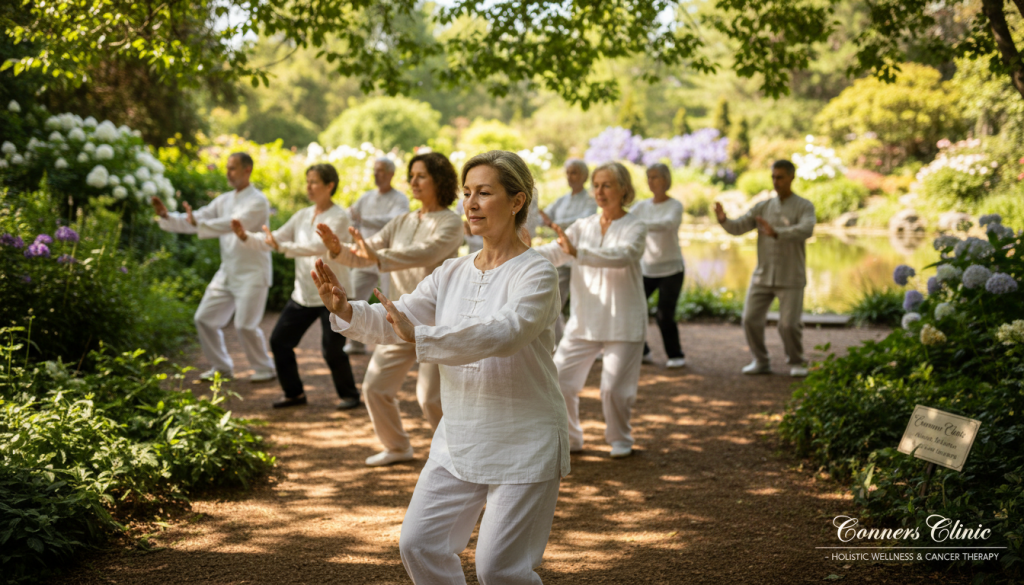
Regular, gentle physical activity is proven to reduce fatigue and boost overall well-being. It helps people maintain a connection to their physical selves during a challenging time.
Benefits of Tai Chi and Qigong
I often recommend movement therapies like Tai Chi and Qigong. These ancient practices combine slow, deliberate motions with focused breathing and mental attention.
They are excellent for individuals who wish to preserve strength and flexibility without straining the body. The core benefits I observe include:
- Improved balance and stability, reducing fall risk.
- Significant stress reduction through meditative movement.
- Enhanced mind-body connection, fostering a greater sense of control.
- Gentle support for the body’s natural detoxification processes.
When incorporated safely, these practices can help manage the side effects of conventional cancer treatments. They contribute meaningfully to a patient’s quality of life.
I provide clear information on starting these therapies. It is vital to begin under guidance and with your doctor’s approval, ensuring the activity complements your primary treatment plan.
Navigating Integrative Medicine with Conventional Cancer Treatments
One of the most common questions I address is how to safely combine different healing modalities during active treatment. This integration requires a careful, informed strategy to support the whole person without compromising primary medical goals.
My priority is ensuring every supportive therapy aligns with your core oncology plan. This collaborative path aims to improve tolerance and overall well-being.
Safety and Evidence-Based Integrative Therapies
I insist on using only therapies backed by solid research. Evidence-based medicine means a treatment has been studied in rigorous clinical trials for safety and efficacy.
This is crucial when managing the side effects of powerful conventional cancer treatments. I help patients understand which complementary options have credible data supporting their use.
Always discuss any new supplement or practice with your primary doctor. This step prevents harmful interactions and ensures coordinated care.
Insurance, Referrals, and Informed Decisions
Navigating insurance coverage for integrative therapies is another area where my team provides support. Many plans now recognize their value in improving a patient’s quality of life.
Resources like the National Center for Complementary and Integrative Health (NCCIH) offer guidance on payment options. We help patients access these tools to make informed decisions.
Our role is to bridge the gap between different types of medicine. We provide clear information so you can feel confident and safe throughout your treatment journey.
Final Reflections on a Holistic Future in Cancer Care
Empowering patients with knowledge and collaborative support is the cornerstone of the next era in cancer therapy. My mission is to provide the information people need to navigate their journey with hope.
Combining the best of conventional cancer medicine with proven alternative therapies creates a more compassionate path. This mirrors successful models, like the integrated model of care studied for improving life quality.
I encourage every person to work closely with their care team. Together, you can build a personalized plan that honors your unique needs. Events like the Conquering Cancer Summit highlight this growing movement.
I envision a future where these supportive practices are essential components of comprehensive, high-quality cancer care for all.
FAQ
What is the main goal of a holistic perspective in cancer therapy?
The primary goal is to support the whole person—body, mind, and spirit—during their journey. While conventional medicine like chemotherapy targets cancer cells directly, a holistic framework aims to enhance overall wellness, manage side effects, and improve a patient’s quality of life. It combines supportive therapies with standard treatments to foster resilience.
Can I use alternative medicine instead of conventional cancer treatments?
I do not recommend replacing proven conventional treatments like surgery or radiation with alternative therapies alone. At Conners Clinic, we view options like nutritional therapy or herbal supplements as complementary tools. They are best used in a coordinated plan with your oncology team to support your body’s health and mitigate treatment side effects.
How can mind-body practices like meditation help during treatment?
Techniques such as meditation and guided imagery are powerful for managing stress and anxiety, which are common during diagnosis and therapy. By promoting relaxation, these practices can help lower cortisol levels, improve sleep, and provide a greater sense of control, which may positively influence your healing process and daily life.
What role does diet play in a cancer care plan?
Nutrition is a cornerstone of supportive care. An anti-inflammatory, antioxidant-rich diet helps create a healthier internal environment. Focusing on whole foods can strengthen the immune system, provide essential energy for recovery, and help protect the body’s cells. We often work with patients to develop personalized nutritional strategies.
Are herbal remedies and acupuncture safe to use with chemotherapy?
Safety is paramount. Some herbal supplements can interact with prescription medicines, potentially affecting their efficacy. Acupuncture, when performed by a licensed practitioner, is generally safe and can be excellent for managing nausea, pain, and fatigue. Always disclose all therapies you are using or considering to your entire medical team, including your oncologist and integrative practitioner, to ensure a safe, coordinated approach.
Why is physical activity like Tai Chi recommended for patients?
Gentle movement systems like Tai Chi and Qigong are excellent for maintaining strength, flexibility, and balance with low impact. They also incorporate mindful breathing, which reduces stress. This can lead to better physical function, less fatigue, and an enhanced sense of well-being, contributing significantly to one’s quality of life during and after treatment.
Will my insurance cover integrative cancer therapies?
Coverage varies widely by insurance provider and plan. Some policies may cover acupuncture or physical therapy with a referral, while others may not. I advise patients to contact their insurance company directly to understand their benefits. Our clinic team at Conners Clinic can often provide documentation to support the medical necessity of these supportive services.