

I remember a woman named Bonnie who came to one of our group sessions. She was caring for her husband during his illness and felt completely drained. The constant appointments and the emotional weight had taken a toll on her own health.
Then she found a class at MD Anderson’s Integrative Medicine Center. Led by specialists like Smitha Mallaiah, it focused on gentle movement and mindful breathing. Bonnie told me it was the first time in months she felt a sense of control and relief from her own pain.
This is the power of integrating specific practices into your journey. They are not a replacement for medical care, but a vital support system. They help manage the intense stress that comes with a diagnosis and its treatments.
My goal is to guide you through accessible techniques that can improve your quality of life. By focusing on the present moment, you can build resilience. These methods offer a way to reclaim a sense of peace during a challenging time.
Key Takeaways
- Integrative practices can significantly help manage stress and improve daily life for patients and their families.
- Specialists at leading centers use methods like yoga and meditation to complement traditional medical treatment.
- Focusing on your breath is a simple, powerful tool to release tension and invite calm.
- These approaches foster self-awareness, helping you feel more in control of your health journey.
- Group settings provide valuable support and community, benefiting both individuals and caregivers.
- Mindfulness teaches non-judgmental presence, unlocking a potential for greater personal kindness.
- A holistic strategy that cares for both mental and physical well-being often leads to better overall outcomes.
Understanding “mind-body cancer healing techniques” and Their Impact
With millions navigating life after diagnosis, the focus on holistic well-being has never been more relevant. As of May 2025, there were 18.6 million survivors in the U.S. alone. This vast number highlights the urgent need for integrative support alongside medical care.
Scientific Research and Evidence
A strong body of research validates these approaches. A 2017 review of 13 studies found mindfulness-based stress reduction significantly helped patients.
It improved both psychological and physical measures. Another clinical trial showed virtual fitness classes could lower hospitalization risk during active treatment.
These studies provide a solid foundation for their use.
Benefits for Patients and Caregivers
For individuals, methods like meditation directly lower stress and manage anxiety. Improving present-moment awareness helps people cope with treatment side effects.
The body often holds tension, and these evidence-based practices help release it. This leads to a better quality of life.
Caregivers also gain a powerful sense of empowerment. They report these tools help manage their own physical and emotional burdens. Supporting mental health is crucial for everyone on this journey.
Integrating Alternative Cancer Treatment with Mind-Body Practices
In my practice, I often see patients seeking ways to enhance their standard care with complementary approaches. A truly effective plan looks at the whole person. This means blending different therapeutic strategies for a better outcome.
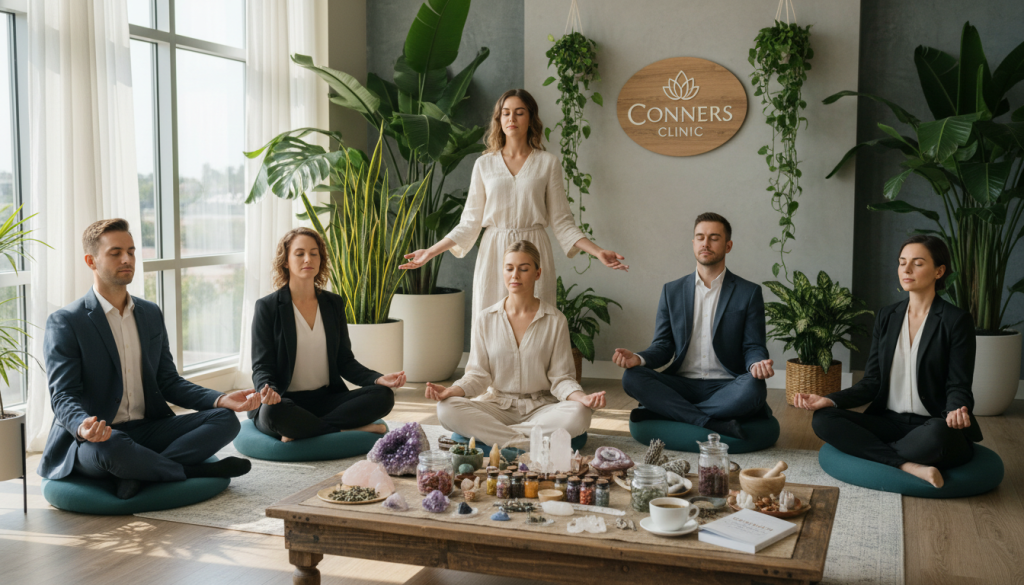
Conners Clinic Approach to Alternative Cancer Treatment
At Conners Clinic, we emphasize that lifestyle-based therapies are central to optimal results. Scientific evidence strongly supports this integration.
For example, a 2021 randomized clinical trial with 360 survivors found electroacupuncture reduced chronic pain severity significantly. Another study of 590 patients showed a 36% decrease in pain intensity with acupuncture.
These are low-risk treatments that can optimize health during survivorship.
Complementing Conventional Treatment with Mind-Body Therapy
Combining standard cancer treatment with supportive practices addresses root causes like stress and insomnia. Meditation and group support help manage anxiety.
Studies confirm these methods provide relief for persistent musculoskeletal pain. This holistic focus improves overall quality of life.
My professional recommendation is to consult with our experts. We can help you see how these modalities fit your specific life plan.
Practical How-To Techniques for Mind-Body Cancer Healing
Many patients ask me for concrete steps they can take to feel better during their treatment journey. I guide them toward specific, evidence-based practices. These methods are designed to be accessible and supportive.
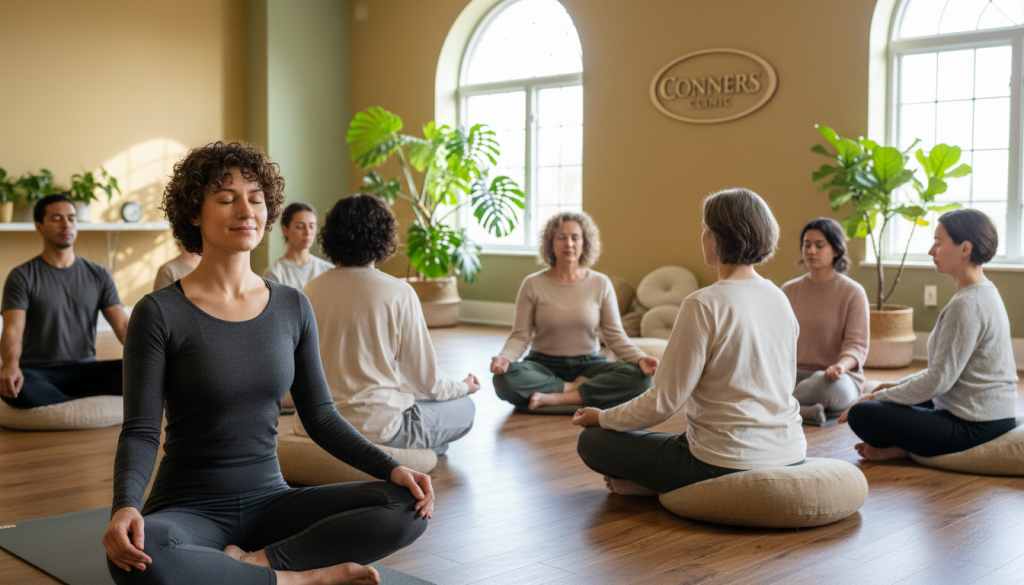
Let’s break down three core areas you can explore. Each one offers a unique path to greater calm and resilience.
Breathing and Relaxation Exercises
Start with your breath. It’s a powerful tool you always have with you. For effective practice, focus on raising your belly with each inhale for about 10 minutes.
This deep, diaphragmatic breathing signals your nervous system to relax. It can help manage side effects like fatigue. Consistent practice builds a reliable anchor during difficult moments.
Guided Imagery and Meditation Practices
Professor Jon Kabat-Zinn’s Mindfulness-Based Stress Reduction (MBSR) program is a gold standard. It involves daily formal meditation, ideally for 45 minutes.
Guided imagery is a part of this. You might imagine a soothing energy moving to an area of discomfort. When your mind wanders, gently return your awareness to the present.
Yoga and Movement for Stress Reduction
Gentle movement is one of the most effective ways to release tension. Yoga can be adapted for any ability level, even for pediatric patients.
Studies show that practices like gentle Hatha yoga improve sleep quality. The focus is on mindful connection with your body, not intensity.
| Technique | Daily Time Commitment | Primary Benefit | Key Practice |
|---|---|---|---|
| Breathing Exercises | 10-15 minutes | Immediate Relaxation | Belly (Diaphragmatic) Breathing |
| Guided Imagery & Meditation | 45 minutes (formal) | Enhanced Mindfulness | Body Scan & Focused Attention |
| Yoga & Movement | 20-30 minutes | Stress Reduction & Flexibility | Gentle Hatha or Adaptive Poses |
Empowering Your Healing Journey with Mind-Body Practices
Sleep disturbances, reported by over half of long-term survivors, underscore the critical need for accessible, daily self-care techniques. Integrating these practices is essential for sustained health.
Scientific studies confirm this mind-body balance is a foundational element for anyone navigating a cancer diagnosis. By focusing on your breath and body, you can mitigate the chronic pain and stress that often linger. This offers a path to hope for both people in treatment and dedicated caregivers.
I encourage you to take control starting today. For those seeking structured, personalized support and guidance, exploring professional resources can be a powerful next step.
Remember, you are not alone. Finding time for meditation or gentle movement can be truly transformative for your quality of life.
FAQ
Is there real scientific evidence supporting these practices for people with a cancer diagnosis?
Yes, a growing body of research supports their use. Numerous clinical trials and studies show that modalities like mindfulness meditation and yoga can significantly reduce stress, anxiety, and treatment-related pain. I recommend these practices because they help improve overall quality of life and can positively influence the body’s response during conventional cancer treatment.
How can mind-body techniques help my family members or caregivers?
The emotional burden on caregivers is profound. These practices offer vital tools for managing their own stress and anxiety. Simple breathing exercises or guided meditation can create moments of calm and resilience, helping them maintain their own health so they can provide better support. It’s a way to care for the caregiver.
Can I use these methods alongside my standard treatments like chemotherapy?
Absolutely. In my professional experience, these techniques are meant to complement, not replace, conventional oncology care. Practices like focused breathing can be used during infusion sessions to promote relaxation. I always advise patients to discuss integrating any new practice with their primary oncology team to ensure a coordinated approach.
I’m new to this. What is a simple technique I can start with today?
Begin with your breath. A foundational practice is diaphragmatic breathing: place one hand on your chest and the other on your belly. Inhale slowly through your nose, feeling your belly rise, then exhale fully. Even five minutes of this daily can activate your body’s relaxation response, lowering stress hormones and bringing a sense of control.
How do clinics like Conners Clinic integrate these approaches into alternative cancer treatment plans?
At Conners Clinic, we view healing holistically. Our approach weaves evidence-based mind-body therapies directly into personalized treatment protocols. This might include prescribing specific meditation for pain management or therapeutic yoga to address fatigue, creating a comprehensive strategy that supports the whole person—body and mind—through their journey.
I struggle with consistency. How can I make these practices a sustainable part of my life?
Start small and be kind to yourself. Anchor a brief practice to an existing habit, like doing three minutes of mindful awareness with your morning coffee. Consistency is more valuable than duration. I’ve seen that building this gentle, non-judgmental routine empowers patients, giving them an active and positive role in their own well-being every single day.