
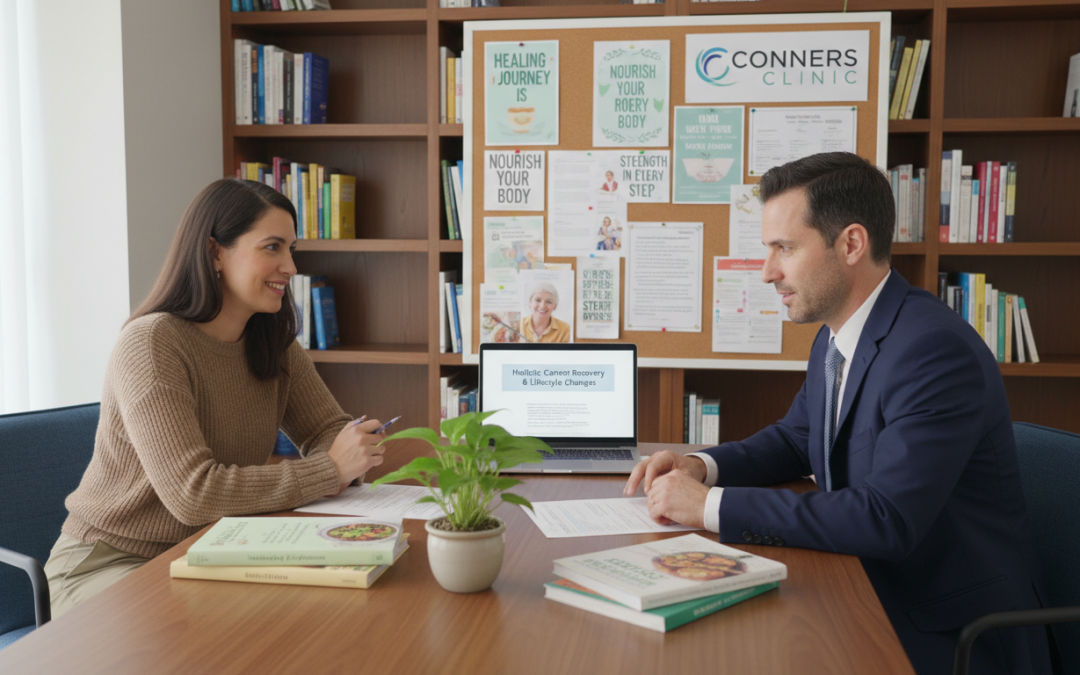
I remember sitting with a patient, Sarah, after her final radiation session. The relief in the room was palpable, but so was the quiet anxiety about the road ahead. What happens now? she asked. This moment is a shared reality for millions.
Today, there are more than 18 million survivors in the United States. The journey truly begins when active therapy ends. A striking statistic informs our approach: up to 42% of cases are connected to factors within our control, like nutrition and physical activity.
As an integrative oncology specialist, I have witnessed how empowered choices after medical care can fundamentally improve long-term wellness. The same evidence-based principles used for prevention are essential for those navigating survivorship.
My purpose here is to provide a clear roadmap. It bridges the gap between essential clinical care and the proactive, daily steps you can take at home. This knowledge empowers you to actively participate in your healing.
Key Takeaways
- Over 18 million individuals in the U.S. are living beyond a cancer diagnosis.
- A significant percentage of cases are linked to modifiable risk factors.
- The post-treatment phase is a critical window for long-term health.
- Strategies for prevention are equally powerful for recovery and thriving.
- Integrative care combines medical expertise with personal, actionable steps.
- Taking control of modifiable factors is a powerful form of self-advocacy.
- Education and support are foundational for a resilient survivorship journey.
Introduction to This Ultimate Guide
This guide serves as a compass for the journey that starts when hospital visits become less frequent. It is crafted specifically to help survivors navigate the often-overwhelming shift from active clinical treatment to a sustainable, health-focused daily routine.
I want to emphasize a crucial point. While your medical team manages the disease, you play the most significant role in your ongoing care through daily choices. You are never alone in this. The American Cancer Society provides a 24/7 helpline at 1-800-227-2345 for patients and caregivers seeking immediate guidance.
We will explore how evidence-based interventions can directly improve your quality of life. These strategies aim to reduce the long-term side effects sometimes linked to aggressive medical protocols.
My approach blends the latest research with compassionate support. The goal is to ensure you feel empowered, not burdened, by the requirements of healing. By the end, you will understand how to integrate these strategies for lasting wellness.
Understanding the Impact of Cancer on Daily Life
Many individuals find that the most challenging phase begins not with diagnosis, but after the last treatment session. This is when people often feel disconnected from their own bodies. They grapple with the lingering physical and emotional aftermath of intensive care.
Research reveals specific long-term health considerations. For instance, survivors of testicular cancer face a higher risk of myocardial infarction more than a decade after chemotherapy.
Similarly, breast cancer survivors must be vigilant about heart health. Anthracycline-based chemotherapy is linked to an increased risk of heart failure.
Knowing these facts is not meant to induce fear. Instead, it highlights why proactive care is so essential. The medical system often stops providing guidance once active therapy ends.
This leaves many navigating an often-overwhelming return to daily life. By acknowledging these realities, we build a solid foundation. This foundation addresses both the physical and psychological impacts for long-term wellness.
Exploring Alternative Cancer Treatment at Conners Clinic
The quest for a truly personalized healing journey leads many to explore integrative medical centers. One such facility is Conners Clinic, which specializes in protocols designed to support the body’s innate healing mechanisms.
Integrative Approaches in Cancer Care
At Conners Clinic, the methodology moves beyond a singular focus. It combines modern diagnostic tools with holistic therapies.
This integrative model supports patients seeking to enhance their traditional medical care. The goal is to treat the whole person, not just the disease site.
Holistic Healing and Support Systems
Every survivor deserves a plan that addresses root causes. It should also foster long-term vitality and health.
Their system integrates nutritional support, detoxification, and immune-boosting therapy. This helps individuals reclaim strength after intensive interventions.
This physical and emotional scaffolding is crucial. It allows people to navigate their path with greater confidence and clarity.
Exploring their unique methodology can complement your existing plan. The aim is a tangible improvement in your overall quality of life.
Nutrition and Diet Strategies for Recovery
The food on your plate is more than just fuel. It’s a direct line of communication with your body’s cellular machinery. What you eat can powerfully modify your internal biology after medical care.
I view nutrition as one of the most impactful tools patients can use. Strategic eating supports the body’s repair processes and long-term vitality.
Benefits of a Plant-Predominant Diet
Adopting a diet rich in plants is a cornerstone of my recommendations. A pivotal 2025 ASCO study provides compelling evidence.
Stage III colorectal cancer survivors following anti-inflammatory diets had an 87% lower risk of death. This underscores how dietary patterns directly influence outcomes.
Filling your plate with diverse vegetables, fruits, legumes, and whole grains floods your system with protective phytonutrients. These compounds help calm systemic inflammation.
Whole Food Swaps and Anti-Inflammatory Choices
Practical change starts with simple substitutions. Research confirms that replacing just 10% of ultra-processed food with whole options can reduce colorectal cancer risk by about 7%.
This approach also aids in maintaining a healthy weight, which is crucial for metabolic health.
| Processed Food | Whole Food Swap | Key Benefit |
|---|---|---|
| Processed meats (e.g., bacon) | Lentils or grilled chicken | Reduces inflammatory compounds |
| White bread or refined grains | Quinoa or brown rice | Provides sustained energy and fiber |
| Sugary breakfast cereal | Oatmeal with berries and nuts | Stabilizes blood sugar, adds antioxidants |
| Packaged snacks (chips) | Raw veggies with hummus | Increases nutrient density, supports satiety |
Prioritizing these swaps provides the necessary fuel to repair cellular damage. For comprehensive dietary guidance, I often refer survivors to trusted resources.
This foundational strategy empowers you during the post-treatment phase. It turns everyday meals into a form of proactive self-care.
Exercise and Physical Activity Guidelines
One of the most potent tools I recommend is often overlooked in standard follow-up plans: consistent physical activity. It is a critical component of wellness after medical care, yet remains underprescribed.
Structured Exercise for Improved Survival
A landmark 2025 ASCO study showed structured exercise reduces recurrence risk by 28% in colon cancer survivors. Muscle mass acts as an endocrine organ, releasing anti-inflammatory myokines.
These myokines help inhibit tumor growth and support your body’s immune surveillance. This makes regular movement a direct investment in long-term outcomes.
Practical Tips for Staying Active
I encourage all patients to aim for the American Cancer Society guidelines. This means 150 minutes of moderate activity and two days of strength training weekly.
Even if you feel fatigued, starting with small, consistent bouts can help reclaim energy. Remember, this is a therapeutic tool for your body’s healing.
Managing Sleep, Stress, and Restorative Practices
The profound impact of restorative sleep on cellular repair is a topic I discuss with nearly every individual in my practice. Mastering these elements is foundational for modulating inflammation and supporting your immune system.
This goes beyond simple rest. It’s about creating a daily rhythm that actively fosters healing.
Sleep Hygiene and Its Role in Healing
Restorative sleep is a biological necessity. Yet, many patients struggle with insomnia due to treatment side effects and persistent anxiety.
Poor sleep disrupts cortisol and melatonin. These hormones are essential for immune surveillance and managing inflammation in survivors.
Chronic sleep loss dysregulates these levels. This can impair your immune system’s ability to function optimally.
I often recommend cognitive behavioral therapy for insomnia (CBT-I) as a first-line intervention. It helps effectively restore natural sleep-wake cycles.
Stress Management Techniques for Patients and Partners
Managing stress is equally critical. Persistent psychological pressure elevates pro-inflammatory cytokines.
These compounds may fuel disease progression in some vulnerable individuals. The goal is to lower this biological burden.
Patients and their partners should work together on this. Creating a calm environment promotes relaxation.
This shared effort directly reduces the daily fatigue associated with healing. It turns the home into a sanctuary for care.
By prioritizing these practices, you create an internal environment far more conducive to long-term health.
Your nervous system needs peace to orchestrate healing.
Mind-Body Therapies and Emotional Well-Being
Healing extends beyond the body. It requires nurturing the mind’s resilience with deliberate practices. I view mind-body techniques as essential tools for restoring emotional regulation.
This is similar to how physical therapy restores function after surgery. These approaches help individuals process the profound experience of a diagnosis.
Incorporating Mindfulness and Meditation
Mindfulness and meditation are cornerstone practices. They train your attention to anchor in the present moment.
This skill is powerful for managing the fear of recurrence. Such fear is a common source of long-term stress for many survivors.
By focusing on the now, you can reduce the biological impact of chronic stress. This directly supports your overall quality of life.
| Mind-Body Practice | Key Benefit | Suggested Starting Point |
|---|---|---|
| Mindfulness Meditation | Reduces anxiety, improves emotional regulation | 5-minute daily guided session |
| Guided Imagery | Promotes relaxation, manages pain perception | Use an app before rest periods |
| Gentle Yoga | Enhances mind-body connection, reduces fatigue | Beginner class 1-2 times weekly |
| Tai Chi | Improves balance, lowers cortisol levels | Community center introductory workshop |
I encourage exploring local groups or digital resources. Look for guided sessions tailored for those on this journey.
These are not extra activities. They are fundamental components of a comprehensive plan for wellness.
Guidelines from Leading Organizations on Cancer Survivorship
Major health organizations have created detailed survivorship guidelines to empower individuals after medical care. These science-based roadmaps, like the 2022 American Cancer Society Cancer Survivorship Guidelines, provide a clear blueprint for healthier living.
It is vital for patients to review these plans with their doctors. This ensures personal strategies align with the latest medical evidence for ongoing care.

| Guideline Focus Area | Practical Application | Expected Benefit |
|---|---|---|
| Healthy Body Weight | Monitor weight weekly; prioritize whole foods. | Supports metabolic health and reduces inflammation. |
| Regular Physical Activity | Aim for 150 minutes of moderate exercise weekly. | Boosts energy, mood, and long-term wellness. |
| Reduced Alcohol Intake | Limit consumption to special occasions only. | Lowers risk factors linked to several cancer types. |
Groups like the American College of Lifestyle Medicine offer clinical toolkits. These help translate recommendations into real-world impact for survivors.
Following established comprehensive ACS guidelines removes guesswork. I always recommend my patients use these resources to advocate for their health.
Addressing Barriers and Facilitators to Lifestyle Change
A common theme emerges when survivors discuss their post-treatment journey: the gap between intention and action. Moving toward wellness often involves navigating real-world obstacles. Understanding these barriers and the factors that help overcome them is crucial.
Overcoming Common Barriers in Recovery
Many individuals face hurdles like persistent fatigue, financial strain, or simply a lack of time. These can derail even the best intentions. I help patients break down these challenges into manageable steps.
| Common Barrier | Root Cause | Practical Strategy |
|---|---|---|
| Treatment-related fatigue | Energy depletion from therapy | Schedule short, frequent activity bursts |
| Financial constraints | Cost of healthy food or gyms | Prioritize home-cooked meals and body-weight exercises |
| Lack of time | Overwhelming daily responsibilities | Integrate 10-minute walks into existing routines |
Leveraging Social and Partner Support
A qualitative study of breast and testicular cancer patients found that encouragement from a partner is a key facilitator. When healthy living becomes a shared goal, adherence improves significantly.
It’s vital to acknowledge that partners also struggle. They may need their own support systems. Viewing this as a team effort reduces isolation and builds resilience.
By identifying your specific barriers, you can develop targeted strategies with your network. You don’t have to navigate this alone.
Personalizing Your Recovery: Patient Stories and Successes
Qualitative research, such as the work by O’Brien et al., reveals the profound value of personal narratives in adapting to life after medical intervention. Their reporting guidelines help us deeply understand the patient experience in oncology survivorship.
Every individual’s journey is unique. Personalizing your plan is essential for achieving long-term success and maintaining motivation.
In my clinical practice, I often look at these qualitative study findings. They show how people adapt to their new normal after intensive therapy.
Hearing stories from others provides both inspiration and practical insights. You can learn sustainable strategies for your own daily routine.
Success in this phase is not defined by perfection. It is built by the consistent, small steps you take to improve your well-being each day.
| Personal Element | Action Step | Potential Benefit |
|---|---|---|
| Energy & Fatigue | Log daily patterns; prioritize rest. | Manages pace, prevents exhaustion. |
| Emotional State | Share feelings with a support partner. | Reduces stress, fosters connection. |
| Personal Milestones | Celebrate small victories weekly. | Builds confidence, reinforces progress. |
I encourage you to document your own progress. Celebrate the milestones as you regain strength and reclaim your life.
By sharing your experiences, you help yourself and contribute to a community. Everyone is striving for better health outcomes together.
Managing Treatment Side Effects Through Lifestyle Adjustments
Navigating the aftermath of medical intervention often involves confronting persistent physical challenges. These issues can significantly impact your ability to eat, sleep, and maintain activity.
I advise a proactive stance for all patients. The American Cancer Society provides excellent resources to help manage eating problems caused by chemotherapy and radiation.
If you struggle with fatigue or physical limitations, work closely with your care team. Small, manageable adjustments make a substantial difference in daily life.
Consider eating smaller, more frequent meals. Incorporate gentle movement like short walks. These steps can mitigate the most common side effects of treatment.
Do not hesitate to ask for referrals. Dietitians or physical therapists who specialize in oncology offer personalized guidance for your needs.
Addressing discomfort directly improves your comfort and supports healing.
By tackling these effects head-on, you ensure your body has the resources it needs. This approach empowers survivors to regain control during this phase.
Smoking Cessation and Alcohol Moderation for Better Outcomes
Addressing tobacco and alcohol use represents a critical frontier in proactive survivorship care. I emphasize this because the data is unequivocal. These two substances are among the most significant modifiable risk factors you can control.
Tobacco remains the leading preventable cause of cancer worldwide. The World Health Organization states it contributes to nearly 20% of all annual cancer deaths. Quitting is one of the most impactful actions a survivor can take to prevent recurrence.
Alcohol moderation is equally vital. It is classified as a Group 1 carcinogen, meaning there is no truly safe level of consumption for long-term wellness. A global analysis in The Lancet Oncology linked it to over 6.3 million new cancer cases in 2020 alone.
I recommend all individuals have an honest conversation with their healthcare providers about their use. Seeking support for cessation, if needed, is a sign of strength. This step directly reduces the toxic burden on your body.
By eliminating these risky habits, you create a safer internal environment. This supports your body’s innate healing capacity during the post-treatment phase. It is a powerful investment in your quality of life.
Alternative and Complementary Therapies in Cancer Care
Integrative medicine offers a bridge, connecting advanced science with time-honored healing traditions. I see many individuals seeking additional support after their primary medical protocols conclude. These methods aim to enhance overall well-being and address aspects that standard approaches may not fully cover.
Innovative Approaches Beyond Traditional Methods
Many survivors explore options like acupuncture, therapeutic massage, or specialized nutritional plans. These therapy modalities are designed to support the body’s innate capacity for restoration. They often help manage lingering side effects and improve daily comfort.
It is crucial to discuss any complementary therapy with your primary oncology team. This ensures safety and compatibility with your ongoing treatment plan. Open communication prevents potential interactions.
At Conners Clinic, we emphasize evidence-based integrative care. Our approach respects the complexity of each person’s journey. We focus on the whole individual, not just the disease.
By exploring these options, you build a more comprehensive plan. It addresses physical, emotional, and spiritual needs during a challenging time. The goal is to empower you with additional tools for managing health.
This proactive step can significantly improve your quality of life. It provides a sense of control and active participation in your healing process.
Enhancing Survivorship Through Social Connection and Support
Loneliness is more than an emotional state. It’s a measurable risk to physical health. A 2024 analysis in the Journal of the National Comprehensive Cancer Network found lonely survivors face a 33% higher mortality risk.
Conversely, strong bonds offer powerful protection. Research by Kroenke et al. showed breast cancer patients with solid social support had a 40% lower death risk. Your relationships directly influence long-term outcomes.
Connection acts as a biological buffer. It helps manage stress and can improve immune function. This environment makes it easier to adhere to medical plans and maintain healthy habits.
I encourage you to reach out. Local survivor groups or community programs reduce isolation. They build a network of accountability for your wellness journey.
Your social ties are vital emotional scaffolding. They provide the strength needed to thrive long after initial treatment ends. This support system is a cornerstone of quality life.
lifestyle changes for cancer recovery
A pivotal study underscores the critical need to reduce sedentary behavior for improved prognosis. A 2020 JAMA Oncology report found that individuals with the highest sitting time had an 82% higher risk of cancer death. This risk persisted even for those who exercised regularly.
This data highlights a vital truth. Lasting wellness depends on daily habits you can sustain. Moving from intention to action is the core challenge after medical therapy ends.
Actionable Strategies for Long-Term Wellness
You can start with a simple yet powerful shift. Break up long sitting periods with brief walks or light stretches every hour. This directly counters the risks shown in the research.
Consistency matters more than intensity. Focus on small, incremental modifications to your diet, activity, and sleep routines. Attempting too much at once often leads to burnout.
I recommend collaborating with a health coach or a lifestyle-trained professional. They help create a personalized plan fitting your specific needs and energy levels.
| Sedentary Challenge | Immediate Action | Long-Term Benefit |
|---|---|---|
| Prolonged sitting at work | Set a timer for a 5-minute walk each hour | Reduces metabolic risk factors |
| Evening fatigue on the couch | Do gentle leg stretches during TV commercials | Improves circulation and mobility |
| Long commutes in the car | Park farther away; take the stairs when possible | Increases daily non-exercise activity |
By taking these steps, you actively participate in your own healing. You redefine what it means to live well after a diagnosis. This proactive approach empowers both patients and survivors.
Your daily choices build a foundation for quality life during and after medical care. Sustainable habits are the key to thriving.
Final Thoughts on Embracing a New Chapter in Cancer Care
This final chapter is not an ending, but a beginning of a more empowered approach to wellness.
Moving beyond the five-year mark means focusing on your long-term healthspan. Your daily choices now build a foundation for true survivorship.
You have the power to reclaim your health. Integrate evidence-based strategies one step at a time.
Remember, your journey is unique. It is perfectly okay to seek support from professionals and fellow survivors.
By prioritizing nutrition, movement, sleep, and connection, you go far beyond medical treatment.
I am honored to share this guide. I hope it serves as a valuable resource on your path.
Stay empowered and connected. Continue to advocate for the care you deserve in this new chapter of life.
FAQ
What are the most important diet adjustments I can make after a cancer diagnosis?
I recommend shifting to a plant-predominant diet rich in colorful vegetables, fruits, and whole grains. These foods are packed with nutrients that support your body’s healing processes. Swapping processed items for whole, anti-inflammatory choices can help manage treatment side effects and improve your overall quality of life. Organizations like the American Cancer Society provide excellent guidelines on nutrition for survivors.
How can physical activity benefit someone going through cancer treatment?
Regular, structured exercise is one of the most powerful tools for survivors. It can directly combat fatigue, improve mood, and has been linked to better survival rates for certain cancers, like breast and colorectal. Even light activity, such as walking, can make a significant difference in how you feel during and after therapy.
What role does stress management play in healing and survivorship?
Managing stress is critical for both emotional well-being and physical health. High stress can weaken the immune system and exacerbate fatigue. I often guide patients at Conners Clinic in techniques like mindfulness and meditation, which have shown real benefits in improving sleep, reducing anxiety, and enhancing overall care during recovery.
Are there proven alternative therapies that complement traditional cancer care?
Yes, integrative approaches that blend evidence-based complementary therapies with conventional treatment are valuable. Modalities like acupuncture for managing side effects or mind-body practices for emotional support are part of a holistic healing model. It’s essential to discuss any new therapy with your care team to ensure it’s safe and appropriate for your situation.
How can partners and social networks support a patient’s recovery journey?
A: Social connection is a powerful facilitator for positive change. Partners can participate by joining in on healthy meal preparation or walks, which provides practical support and strengthens emotional bonds. Support groups, whether in-person or online, also offer a unique space to share experiences and reduce feelings of isolation after diagnosis.
Why is smoking cessation and alcohol moderation emphasized for survivors?
Quitting tobacco and limiting alcohol intake are two of the most impactful actions you can take. Smoking increases the risk of recurrence and secondary cancers, while alcohol is a known risk factor for several cancer types. Making these changes significantly improves long-term health outcomes and is a cornerstone of cancer prevention for survivors.
What are common barriers to maintaining healthy habits, and how can I overcome them?
Common barriers include persistent fatigue, low motivation, and the overwhelming nature of treatment. I advise patients to start small—set a tiny, achievable goal like a 5-minute walk. Leveraging partner support and working with a healthcare provider to create a personalized, manageable plan are key strategies for lasting wellness.