

I remember a patient, let’s call her Sarah, sitting in my office shortly after her diagnosis. She felt overwhelmed by the standard treatment plan and asked, “Is there anything else I can do to support my body?” Her question is incredibly common. Many individuals facing this challenge seek additional paths to improve their well-being during their healing journey.
This desire for a more complete approach to healing is valid. Integrative care thoughtfully combines conventional medical protocols with supportive, complementary practices. These methods aim to address the whole person—mind, body, and spirit. Resources like those from the National Cancer Institute explain how these complementary and integrative approaches can help manage side effects and improve quality of life.
My goal is to empower you with knowledge. I provide information to help you make informed decisions about your long-term wellness. By integrating various supportive modalities, we can work to bolster the body’s innate resilience. I invite you to explore my ultimate guide to these supportive strategies at Conners Clinic to better understand all your options.
Key Takeaways
- Many people seek additional support to enhance their well-being during cancer treatment.
- Integrative care combines standard medical treatments with complementary practices.
- A holistic approach addresses the mental, physical, and emotional needs of patients.
- Informed decisions are crucial for creating a personalized and effective care plan.
- Supporting the body’s natural healing processes is a key goal of integrative methods.
- Always discuss any new complementary approach with your primary healthcare team.
- Reliable resources and guides can help you navigate your options safely.
An Introduction to Alternative Cancer Treatment
Pioneering institutions have long understood that addressing illness requires more than one approach. This is the foundation of integrative medicine. It thoughtfully blends conventional protocols with supportive practices.
Memorial Sloan Kettering Cancer Center (MSK) launched its Integrative Medicine Service in 1999. It was the first program of its kind in the country.
Modern Versus Conventional Approaches
Standard oncology treatments primarily target the disease itself. In contrast, integrative modalities aim to support the patient’s mind, body, and spirit.
Dr. Jun Mao, chief of MSK’s Integrative Medical Service, focuses on combining Eastern and Western philosophies. This creates a more complete care plan for patients.
Patient Experiences and Expectations
Many people find that combining these supportive methods helps them feel more empowered. They become active participants in their standard treatment journey.
It is crucial to distinguish between alternative medicine, which replaces standard care, and integrative medicine, which works alongside it. This understanding sets realistic expectations.
Understanding Integrative and Complementary Medicine
In my practice, I’ve found that clarity about these three categories helps individuals make confident, informed choices about their care. Knowing the precise definitions is the first step in building a personalized wellness strategy.
Defining Integrative, Complementary, and Alternative Approaches
These terms are not interchangeable. Each describes a specific relationship with standard oncology protocols.
- Integrative medicine is a comprehensive model. It deliberately combines conventional medical treatments with supportive practices proven safe and effective by scientific research.
- Complementary medicine refers to supportive therapies used alongside standard treatment. A common example is using acupuncture to help lessen specific side effects.
- Alternative medicine is used instead of conventional medical treatment. This approach, such as using a special diet to treat a disease, requires very careful consideration and discussion with your doctor.
The Role of Natural Healing in Cancer Care
Natural healing supports the whole person. It addresses mental, physical, and spiritual aspects of health.
This holistic focus aims to bolster resilience during a challenging time. For many people, it helps improve their overall sense of well-being while undergoing other necessary treatments.
Understanding these different types of supportive medicine allows you to make choices that align with your personal goals for care.
Insights into alternative therapies for cancer management
Navigating the world of supportive care requires a critical eye. Many new options gain popularity without solid proof behind them.
This is where rigorous scientific research becomes indispensable. It separates hopeful anecdotes from validated strategies that can safely complement standard care.
Scientific Research and Clinical Trials
High-quality clinical trials are the gold standard. Organizations like the National Cancer Institute (NCI) actively sponsor these studies.
Their goal is to gather reliable information on safety and effectiveness for patients. A notable example is the anti-parasitic drug Ivermectin.
Despite its Nobel Prize, no credible evidence shows it can treat cancer. This highlights a vital lesson: popularity does not equal proof.
Evaluating Evidence and Safety Concerns
Evaluating the evidence means looking at the design and results of studies. We must ensure any new approach does not interfere with primary treatment.
Relying solely on personal stories can be risky. It may lead people toward potentially harmful or ineffective paths.
My priority is to protect patients by championing evidence-based research. It is the surest way to integrate supportive therapies with confidence and care.
Natural Treatments and Dietary Supplements in Cancer Care
When patients ask me about using herbs or supplements, I always start with a crucial fact about regulation. The FDA does not approve these products for safety or effectiveness before they are sold.
Herbs, Botanicals, and Acupuncture Explained
This means quality and purity can vary. You must be very cautious. Always discuss any new supplements or herbs with your care team to protect your health.
Specific types of botanicals, like turmeric, are popular. They require careful evaluation to ensure they don’t interfere with your primary treatment. A healthy diet rich in whole foods is vital for strength.
However, no single diet has been proven to cure this disease. For managing side effects, acupuncture is a well-studied therapy. It is an evidence-based intervention for pain relief during cancer treatment.
This ancient practice can help patients find real relief from various side effects. The key is to integrate these supportive tools wisely, with professional guidance, for better overall care.
Managing Side Effects with Mind-Body Practices
One of the most powerful tools for navigating a diagnosis lies in harnessing the mind-body connection. This field, sometimes called psychoneuroimmunology, shows how our mental state directly influences physical symptoms and resilience.
Intentional practices can significantly soften the impact of treatment. They help patients manage common side effects and reclaim a sense of personal agency.
Using Yoga, Meditation, and Tai Chi for Relief
Gentle movement practices like yoga and tai chi are excellent for reducing fatigue. They improve strength, flexibility, and overall quality of life.
Meditation teaches individuals to quiet a racing mind. This skill is crucial for lessening the stressful thoughts that often accompany medical care.
Techniques for Stress Reduction and Symptom Control
Mindfulness and music therapy are powerful for managing psychological distress. They can lower anxiety and improve mood during a challenging time.
These methods provide tangible relief from both emotional and physical symptoms. Perhaps most importantly, they restore a feeling of control.
This empowerment helps patients tolerate their primary treatment better. It supports the whole body and mind on the path to healing.
The Role of Evidence and Research in Alternative Therapies
Understanding the difference between observational data and clinical proof is a critical step for anyone considering additional supportive methods. I rely on robust evidence to guide recommendations for my patients. This ensures every strategy integrated into a treatment plan is both safe and potentially beneficial.
Analyzing Clinical Studies and Real-World Data
Real-world datasets provide compelling insights. A study using the Taiwan health insurance database showed an association between traditional Chinese medicine and better outcomes in breast cancer patients.
This type of research offers valuable information on how such practices can combine with conventional care. However, as Dr. Jun Mao emphasizes, we need more high-quality clinical trials to validate integrative approaches.
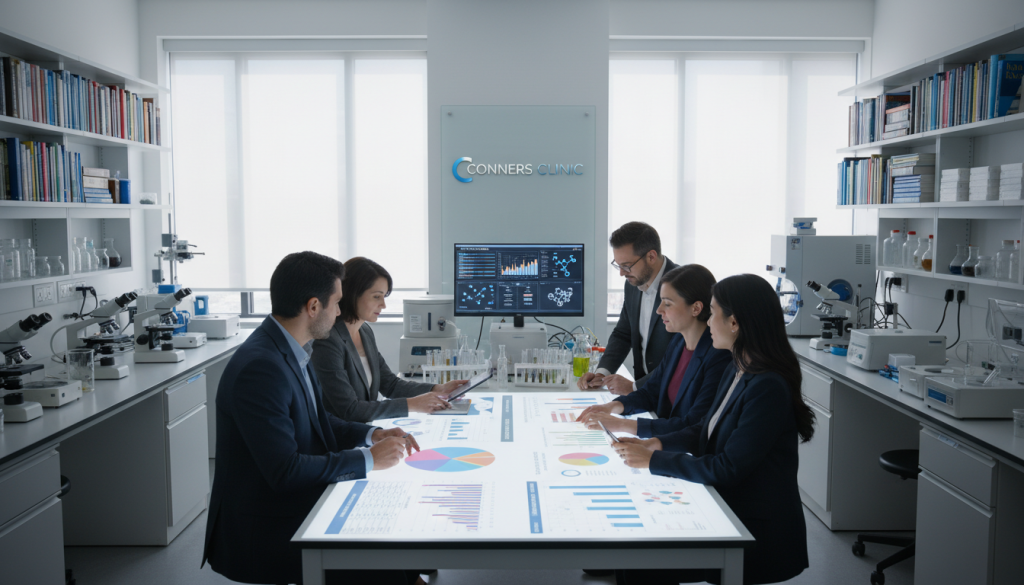
A lot of the current data is observational, not definitive clinical evidence. This distinction is crucial for people to grasp.
- High-quality trials are needed to provide the evidence support required for wider integration.
- By analyzing studies, we can identify which therapy truly helps the patient.
- My commitment is to provide accurate information so people can distinguish between well-supported and unproven methods.
This analytical approach protects individuals and advances the field of integrative medicine. It moves us beyond anecdote toward reliable treatment strategies.
Integrating Conventional and Alternative Medicine for Better Outcomes
Creating a personalized care plan is a dialogue, not a monologue, where patient goals guide the process. This integrative model doesn’t view different healing philosophies as competing. Instead, it weaves them together to support the whole person.
As Dr. Jun Mao demonstrates, success starts by understanding each individual’s preferences. We work with patients to formulate a plan that aligns with their life and complements their primary treatment. This collaboration is the cornerstone of modern, compassionate medicine.
Collaborative Decision Making Between Patients and Doctors
This partnership makes people feel like active participants in their healing journey. It moves them beyond a passive role. They gain a sense of agency that is powerful during a challenging time.
I always encourage patients to share all information about any supportive methods they are considering. Open dialogue allows us to ensure safety and effectiveness. It prevents potential interactions with conventional protocols.
When people feel supported by their medical team, outcomes often improve. Managing the complexities of cancer treatment becomes a lot easier with clear communication. This teamwork is essential for safely adding any new therapies.
Ultimately, blending conventional medicine with evidence-based support allows us to treat the person, not just the disease. This holistic focus aims for better long-term results in cancer care. It empowers every patient on their unique path.
Questions to Consider Before Trying Alternative Treatments
Before integrating any new supportive method into your regimen, asking the right questions is a fundamental step toward safety. I guide my patients to approach this exploration with a structured, inquisitive mindset. This protects your health and ensures any added practice aligns with your primary treatment.

Essential Inquiries for Safety and Effectiveness
Start by verifying the credentials of any practitioner. Ask about their specific training and experience with your type of cancer. This is non-negotiable for quality care.
Next, research the intervention itself. Memorial Sloan Kettering’s “About Herbs” database is an excellent tool. It offers over 280 monographs to help patients evaluate supplement safety and potential interactions.
Always inquire about the evidence. Has the therapy been proven effective in rigorous clinical studies? Relying on solid research separates hope from proven support.
Tips for Discussing Options with Healthcare Professionals
Open communication with your doctor is vital. Come prepared with a written list of your questions and current medications. This makes the conversation a lot more productive.
Share all the information you’ve gathered. A transparent dialogue allows your team to assess risks and synergies. It prevents harmful interference with your conventional medicine.
This collaborative process empowers people during their cancer journey. Taking time to evaluate safety is a critical act of self-advocacy. It ensures every chosen path supports your overall well-being.
A Look Ahead: Empowering Your Healing Journey
Your healing journey forward involves harnessing knowledge and personal agency to navigate care complexities. Learning to utilize alternative therapies safely can help treat side effects, such as nausea, from your primary cancer treatment.
While some people may consider different types of medicine instead of conventional care, I emphasize prioritizing evidence-based approaches. For instance, certain practices aim to support the immune system but must complement standard protocols.
Managing common problems becomes more effective when you combine integrative strategies with your existing plan. This guide aims to assist people with cancer in navigating options confidently, using professional guidance.
Remember, your journey is unique. Finding the appropriate balance is a powerful example of taking control of your health and enhancing your quality of life.
FAQ
What’s the difference between integrative and alternative medicine for cancer?
This is a key distinction. Integrative medicine combines evidence-based complementary practices—like acupuncture for nausea or meditation for stress—with conventional treatments like chemotherapy. The goal is to support the whole person. A purely alternative approach is used *instead of* standard medical care, which I do not recommend due to a lack of proven efficacy for curing cancer.
Is there scientific proof that natural treatments can help?
Yes, but the evidence varies. Robust clinical trials support specific uses. For instance, ginger is well-documented to reduce chemotherapy-induced nausea. Research on supplements like turmeric (curcumin) is promising but ongoing. I advise patients to consult resources like the National Cancer Institute’s PDQ database, which reviews the science behind many complementary approaches.
Can mind-body practices really help with treatment side effects?
Absolutely. Techniques like yoga, meditation, and tai chi are powerful tools. They don’t treat the disease itself, but strong studies show they can significantly improve a patient’s quality of life by managing fatigue, reducing anxiety, and improving sleep. These practices help restore a sense of control during a challenging time.
How can I safely combine these options with my standard care?
Open communication with your oncology team is essential. I guide my patients to create a coordinated plan. Always tell your doctor about any herbs or supplements, as some can interfere with treatments. A collaborative approach ensures all therapies work together safely for your benefit, avoiding potential conflicts.
What should I ask before starting a complementary therapy?
I recommend asking three vital questions: First, “What is the evidence for this specific use?” Second, “What are the potential risks or interactions with my current treatment?” And third, “Is the practitioner licensed and experienced in working with oncology patients?” These inquiries help ensure your safety and set realistic expectations.