
I recall a conversation with a man named David shortly after his diagnosis. He was determined to do everything possible to support his health, and like many, he turned to the internet. He found glowing testimonials for a popular root extract. His hope was palpable, but so was the potential risk he didn’t see.
David’s story is common. When facing a serious illness, it’s natural to seek additional support beyond standard care. The world of natural products can seem like a promising avenue for empowerment and comfort.
However, promising does not always mean safe. Authorities like the National Cancer Institute warn that some botanicals can dangerously interfere with chemotherapy drugs. What works in a lab may not be proven in people.
My goal here is to share knowledge. I want to help you explore supportive, integrative care options without compromising your primary treatment plan. Safety and informed choice must come first.
Key Takeaways
- Always discuss any new natural product with your oncology team before use.
- Some herbs can alter how your body processes essential chemotherapy medications.
- Scientific evidence from human clinical trials is often limited for many botanicals.
- Integrative care focuses on supporting overall well-being alongside standard treatments.
- Your safety and the effectiveness of your core treatment plan are the top priorities.
- An educational approach helps you navigate options with clarity and confidence.
Introduction to Herbal Supplements for Cancer Patients
Understanding the distinction between complementary and alternative strategies is a foundational step for anyone considering additional supportive measures. This clarity helps you communicate effectively with your care team and make choices aligned with your safety.
Defining Herbal Supplements in Cancer Care
Herbal medicine utilizes plants or their extracts. Its development path is distinct from the pharmaceutical industry’s rigorous drug trials. This approach is often part of larger systems, like Traditional Chinese Medicine (TCM). TCM aims to restore internal balance through various methods.
| Aspect | Complementary Medicine | Alternative Medicine |
|---|---|---|
| Primary Goal | Support well-being, manage symptoms | Replace standard medical treatment |
| Relationship to Standard Care | Works alongside it | Used instead of it |
| Typical Examples | Acupuncture, therapeutic massage | Unproven protocols promoted as cures |
The Role of Complementary and Alternative Treatments
In my view, complementary medicine serves as a supportive tool. It helps control symptoms and can enhance a patient’s overall quality of life. It is designed to work with your existing medical plan.
Alternative treatments are used instead of mainstream therapies. These are often unproven, can be expensive, and may carry significant risk. Distinguishing evidence-based support from unproven alternatives is essential for safe care.
Exploring Alternative Cancer Treatment Options at Conners Clinic
Navigating the landscape of oncology care often leads individuals to explore centers that offer a more holistic philosophy. These facilities focus on the whole person, not just the disease.
Overview of Alternative Cancer Treatments
Alternative cancer treatments encompass a wide range of non-conventional therapies. They aim to support the body’s own healing mechanisms. This approach seeks to address underlying imbalances that may contribute to illness.
How Conners Clinic Integrates These Therapies
Conners Clinic provides a specialized integrative approach. Their philosophy centers on identifying and treating the root causes of health challenges. This is a shift from managing symptoms alone.
Their comprehensive strategy bridges conventional and integrative medicine. It supports the body’s natural processes while respecting each person’s unique health history. I believe this personalized focus is crucial for effective care.
You can learn more about their specific protocols by visiting Conners Clinic. Their team understands the nuances of managing complex conditions safely. A successful plan must consider both physical and emotional needs.
Benefits and Risks of Herbal Remedies in Cancer Treatment
Survey data reveals a significant number of people turn to botanicals to alleviate the challenging effects of conventional therapies. This path offers potential support but requires careful navigation.
Potential Health Benefits and Supportive Effects
Many seek a greater sense of control. A 2025 survey found 46% of mesothelioma survivors used natural options to manage symptoms.
Specific compounds, like glutamine, show promise. Research indicates it may reduce chemotherapy-induced nerve pain.
However, a major misconception exists. People often assume natural dietary supplements are always safe to mix with drugs.
This is not true. Some herbal remedies can dangerously alter how your body processes essential medications.
I always advise discussing any new option with your doctor. This simple step helps avoid complications during your treatment.
| Aspect | Potential Benefit | Associated Risk |
|---|---|---|
| Symptom Management | May improve comfort and quality of life | Possible interference with primary therapy |
| Treatment Side Effects | Could lessen severity of issues like neuropathy | May introduce new adverse reactions |
| Psychological Support | Can foster a sense of personal agency | False sense of security delaying needed care |
Integrative clinics, like Conners Clinic, focus on safely combining supportive strategies. Their approach helps manage side effects while prioritizing your core cancer plan.
Understanding the Science Behind Herbal Supplements
Scientific inquiry into botanicals reveals a complex landscape where promising lab results don’t always translate to human benefit. I believe it’s vital to examine the different types of research and what they can truly tell us.
Clinical Evidence and Ongoing Research
Human clinical studies provide the most relevant evidence. A 2018 cohort study followed people with esophageal cancer for a decade.
It evaluated the impact of Chinese Herbal Medicine. Another project from 2016 reviewed Ganoderma lucidum.
It suggested this compound might boost immunity as part of conventional treatment. However, more large-scale trials in humans are needed.
Insights from Laboratory Studies and Case Reviews
Laboratory studies offer early clues. A 2019 lab study found Chang-wei-qing had an anti-tumor effect in bowel cancer models.
It showed activity against cells in a dish. Yet, these findings haven’t been confirmed in people.
Case reviews also contribute. A 2019 analysis looked at formulas for perimenopausal symptoms during breast cancer care.
We must remain cautious. Many studies lack the design to prove efficacy in humans.
| Type of Research | Key Insight | Primary Limitation |
|---|---|---|
| Laboratory Studies | Shows potential mechanism of action on cells. | Results may not apply to the human body. |
| Clinical Trials | Provides evidence for safety and effect in people. | Often small-scale or short-term. |
| Case Reviews & Cohorts | Offers real-world observational data. | Cannot prove direct cause and effect. |
When considering any new supplements, I advise looking for this hierarchy of evidence. It helps separate hope from proven support.
How Herbal Supplements Interact with Conventional Cancer Treatments
One of the most critical conversations in an oncology clinic revolves around the safe use of botanicals alongside conventional drugs. These natural products can change how your body absorbs, uses, or eliminates prescription medications.
This creates significant drug interactions. For example, St. John’s wort can cause the body to metabolize the drug imatinib too quickly. This may reduce its effectiveness against cancer.
Other botanicals, like Asian ginseng and bilberry, increase bleeding risk. This is especially dangerous for patients facing surgery during their treatment.
Managing Herb-Drug Interactions and Side Effects
Many plant-based compounds interfere with how your body processes drugs. They can speed up metabolism, lowering a medication’s power. Or, they can cause dangerous toxicity by slowing it down.
If you use an anticoagulant like warfarin, you must be extremely careful. Common items like ginger and garlic can amplify bleeding risk. This is a serious side effect.
I always stress that your doctor needs a complete list of every product you take. Even common supplements can cause severe side effects when mixed with chemotherapy.
The National Cancer Institute warns these interactions can alter medication levels in your blood. This leads to unpredictable outcomes. Managing this risk is a non-negotiable part of your safety plan during therapy.
Profiles of Key Herbs in Cancer Care
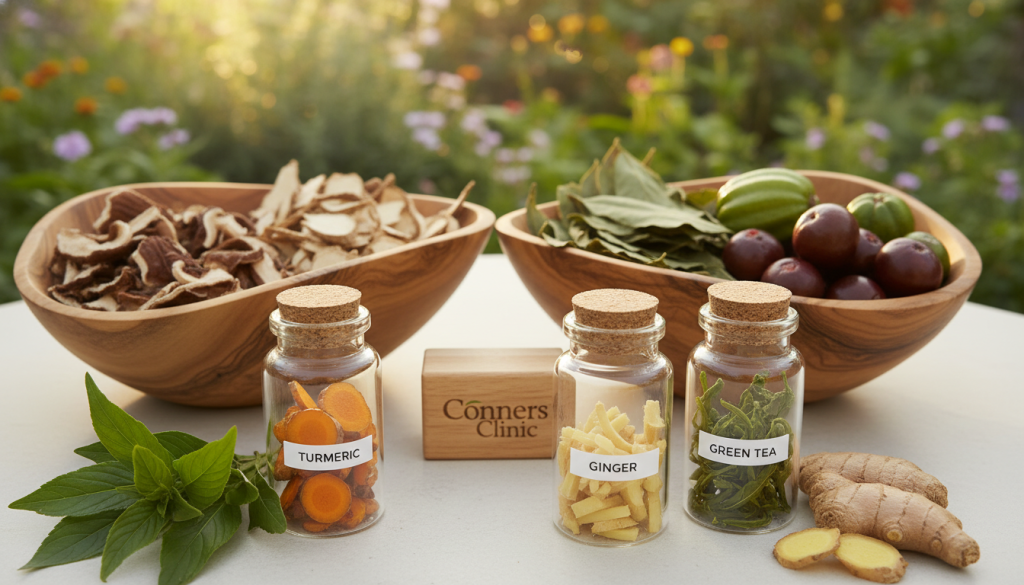
Two herbs that frequently come up in discussions about supportive oncology are turmeric and astragalus. Each has a distinct profile based on available research for patients.
Turmeric, Astragalus, and Other Prominent Herbs
Astragalus is often studied for its immunomodulating effects. Human studies suggest it may help reduce adverse reactions induced by chemotherapy drugs like cisplatin.
Turmeric contains curcumin. Research indicates curcumin may be safe to combine with the drug Gemzar. It could also reduce bruising after surgery.
Other botanicals like milk thistle are also discussed. However, evidence for their use during active cancer treatment varies widely.
Usage Guidelines During Chemotherapy
Many oncologists advise avoiding most supplements during active chemotherapy. Interactions with potent drugs remain unclear.
Always ask your herbalist for a complete ingredient list. Share this with your doctor to monitor for potential issues.
Culinary herbs used in small quantities for flavor are generally safe. But large, prolonged amounts can lead to adverse side effects.
Integrating Complementary Therapies with Herbal Options
Many individuals find that combining gentle movement with nutritional support enhances their resilience during therapy. A truly integrated plan looks beyond single remedies. It weaves together practices that support your whole body and mind.
Mind-Body Techniques and Dietary Support
Evidence-based mind-body practices offer real benefits. Acupuncture, for instance, modulates neurochemicals like serotonin. This can help relieve pain and improve nerve function without drug-related side effects.
Other techniques are equally valuable:
- Meditation and yoga can significantly improve sleep, mood, and fatigue for patients in cancer treatment.
- Practices like Qigong and Tai Chi help manage fatigue and inflammation. They also support your immune system.
- A balanced diet, rich in protein, is essential. It repairs damaged tissue and maintains muscle mass during recovery.
You can work with a qualified practitioner. Together, you can develop a plan that combines natural products with gentle movement. This approach aims to improve overall well-being.
Always ensure your chosen complementary therapy does not strain your body. This is especially important if you are recovering from surgery. Integrating these supports with dietary supplements requires careful coordination with your care team.
Navigating Herbal Supplement Regulations and Quality Assurance
In the United States, the rules governing the sale of dietary supplements are different from those for pharmaceutical drugs. I believe this distinction is crucial for patients to understand. Your safety depends on knowing who verifies the quality of these products.
Understanding FDA and Regulatory Guidelines
The U.S. Food and Drug Administration (FDA) does not test dietary supplements before they are sold. This is unlike the approval process for a prescription drug. The agency primarily acts if a product is found to be unsafe after it reaches the market.
Other regions have different models. The UK’s Medicines and Healthcare products Regulatory Agency (MHRA) requires registration for herbal medicine. This aims to ensure baseline quality and safety.

Ensuring Product Safety and Authenticity
Since pre-market testing isn’t mandatory, the burden falls on you to choose wisely. Look for independent verification seals on the label.
These marks indicate the supplements have been audited for purity and content accuracy. They are your best defense against contaminated products.
| Certification or Source | What It Signifies | Key Benefit |
|---|---|---|
| USP Verified Mark | The product contains the ingredients listed, in the declared amounts and strengths. | Rigorous testing for contaminants like heavy metals. |
| Traditional Herbal Registration (THR) | Meets UK/EU quality and safety standards for traditional herbal remedies. | Provides assurance of pharmaceutical-grade manufacturing. |
| Qualified Practitioner Supply | Products sourced directly from a trained herbalist or integrative clinic. | Traceability to the origin of the plants used. |
I advise sharing this information with your oncology team. They can help you interpret labels and avoid products with false claims about curing cancer. This vigilance is a vital part of a safe, integrated treatment plan.
Final Considerations and Next Steps for Informed Cancer Care
Moving forward with confidence in your care plan requires a blend of trusted medical guidance and personal insight. I always stress that open communication with your oncology team is non-negotiable before trying any new supplements.
Remember, supportive strategies aim to improve your quality of life. They are not a substitute for conventional cancer treatment. Always check for quality seals like USP on any product you use.
Your journey is unique. You have the power to make informed decisions that support your body as a part of a truly collaborative team. By staying educated, you can safely integrate therapies that manage anxiety and symptoms. This enhances your life throughout your treatment.
FAQ
Is it safe to take herbal supplements while undergoing chemotherapy?
This is a critical question. Some botanicals can interfere with how your body processes chemotherapy drugs, potentially altering their effectiveness or increasing side effects. I always advise my patients to have a transparent conversation with their oncology team about any complementary products they are using or considering. Safety comes from coordinated care.
What are the most common herb-drug interactions I should be aware of?
Several interactions are well-documented. For instance, St. John’s Wort can speed up the metabolism of many prescription drugs, reducing their blood levels. Garlic, ginseng, and Ginkgo biloba may affect blood clotting, which is a concern before surgery or with certain medications. A detailed review with your doctor is essential to manage these risks.
Which herbs have the strongest scientific support for supportive care during treatment?
A> Based on clinical research, a few stand out. Turmeric (curcumin) is widely studied for its anti-inflammatory properties. Astragalus is frequently used in Traditional Chinese Medicine to support immune function. Ginger has robust evidence for helping manage chemotherapy-induced nausea. Remember, these are for supportive care, not as a replacement for your primary therapy.
How does Conners Clinic approach the use of these complementary therapies?
A> At Conners Clinic, we practice integrative oncology. This means we carefully evaluate evidence-based complementary approaches, like specific dietary supplements and mind-body techniques, to support the whole person alongside conventional protocols. Our goal is to create a personalized plan that addresses side effects, enhances well-being, and supports the body’s resilience during treatment.
How can I ensure the quality and purity of the products I purchase?
A> This is a major concern, as the FDA does not approve dietary supplements for safety before they are sold. I recommend looking for products that have been third-party tested by organizations like USP, NSF, or ConsumerLab.com. These seals indicate the product contains what the label states and is free from contaminants like heavy metals.