
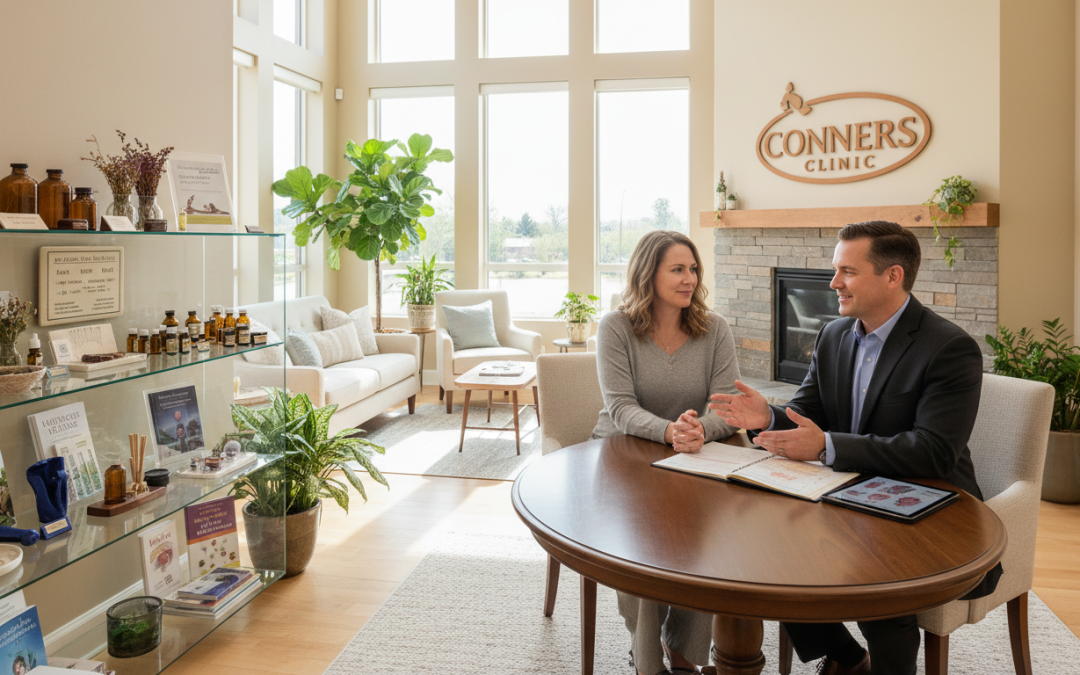
I remember sitting with a patient, let’s call her Maria, shortly after her diagnosis. She was overwhelmed by the technical language and felt reduced to a set of symptoms. While confident in her oncology team, she had deep questions about nutrition, stress management, and her overall well-being during the process ahead.
Her experience is incredibly common. That moment is why I’ve created this resource. My goal is to help you understand how a broader, whole-person strategy can support your journey toward better health outcomes.
Addressing a serious illness requires looking beyond standard protocols. It involves the whole person—mind, body, and spirit. This guide provides essential information for navigating modern oncology while incorporating evidence-based, supportive practices into daily life.
My aim is to empower you with knowledge. With the right information, you can make informed decisions about your health path. By thoughtfully combining the best of conventional medicine with complementary therapies, we can work together to improve your overall quality of life.
Key Takeaways
- This guide explains a comprehensive, whole-person approach to oncology care.
- It focuses on combining conventional medical protocols with evidence-based supportive therapies.
- The primary goal is to empower you with knowledge for making informed health decisions.
- Addressing factors like nutrition, stress, and lifestyle can significantly improve quality of life.
- A holistic strategy looks beyond standard treatments to support the entire individual.
- You can learn to navigate the healthcare system while safely adding complementary practices.
- The ultimate aim is to enhance well-being and resilience during a challenging time.
Understanding Integrative Medicine in Cancer Care
Statistics reveal a significant trend among individuals facing a serious diagnosis. Research shows between 40% and 84% of people with cancer use complementary therapies alongside their standard care.
This holistic model looks at the entire individual—body, mind, and spirit. It combines the best of conventional oncology with evidence-based supportive practices.
“True healing addresses the person, not just the pathology. It’s a partnership.”
I see this approach foster a powerful, collaborative relationship. We consider every factor influencing a patient’s well-being.
| Health Aspect | Conventional Focus | Supportive Practice |
|---|---|---|
| Physical | Surgery, Chemotherapy | Nutritional Counseling, Acupuncture |
| Emotional | Psychiatric Referral | Mindfulness Meditation, Support Groups |
| Spiritual | Chaplain Services | Nature Therapy, Artistic Expression |
This whole-person focus is crucial. It helps manage the complex needs of patients navigating oncology. Organizations like the American Cancer Society provide excellent resources on this collaborative model.
In my practice, this integration is essential for optimizing health outcomes. It empowers individuals to actively participate in their healing journey.
The Rise of Alternative Cancer Treatments
The landscape of oncology is evolving. More patients seek information beyond standard care after a cancer diagnosis.
This trend reflects a deep desire for personal agency. Many individuals want to feel in control of their healing journey.
A critical distinction exists between two categories. Complementary therapies are used alongside standard oncology. Alternative treatments are pursued in place of conventional protocols.
Interest in alternative medicine often stems from a wish to address root causes. People explore holistic and natural health practices.
In my practice, I guide patients through this complex terrain. While these approaches are popular, each must be evaluated carefully. The primary goal is to support, not hinder, essential medical interventions.
Integrative Oncology: Blending Conventional and Complementary Therapies
One of the most common questions I hear is: ‘Can I do more to help my body during this process?’ This inquiry lies at the heart of a blended approach. It acknowledges the strength of standard protocols while seeking additional supportive strategies.
The Role of Traditional Oncology
Conventional methods provide the essential foundation. They target the disease with precision and are backed by rigorous clinical research. This primary care is non-negotiable for addressing the core illness.
In my practice, I view these tools as the backbone of any effective plan. Surgery, chemotherapy, and radiation aim to eradicate or control malignant cells. Their role is to provide the definitive medical intervention.
Benefits of Combining Therapies
Adding complementary modalities can significantly enhance daily well-being. Patients often report better management of side effects. They also experience a greater sense of control and improved emotional resilience.
This synergy allows for a more comprehensive plan. It looks at the whole person, not just the diagnosis. The goal is to support the individual through every phase of their journey.
For instance, techniques like mindfulness can reduce anxiety related to procedures. Nutritional guidance helps maintain strength during demanding treatments. Together, they foster a higher quality of life.
My focus is always on safety and evidence. Every supportive practice is carefully vetted to align with the primary oncology plan. This collaboration creates a robust framework for healing.
Addressing Modifiable Factors: Stress, Nutrition, and Sleep
In my clinical experience, three lifestyle pillars consistently influence a patient’s capacity to heal. We can directly improve outcomes by focusing on elements within our control.
This approach forms a cornerstone of supportive care. It empowers individuals during a challenging time.
Managing Stress for Better Outcomes
Controlling stress is a clinical necessity, not just a comfort. High stress can weaken immune function and hinder recovery.
I guide patients in techniques like mindful breathing and guided imagery. These tools help build emotional resilience for the journey ahead.
Optimizing Sleep and Nutritional Balance
Sleep quality is foundational. Data shows 20% to 75% of individuals in oncology care experience significant sleep disturbance.
This can deeply impact overall health. Research indicates addressing this is vital for healing.
Personalized nutrition plans are equally crucial. They provide the building blocks the body needs during rigorous treatment.
Together, these factors build the resilience required to withstand physical demands. This creates a stronger foundation for healing.
Examining the Evidence Behind Integrative Approaches
My approach to integrative oncology is built upon a steadfast commitment to evidence-based science. Before suggesting any supportive practice, I scrutinize the underlying data.
This careful examination is vital for safety and real-world effectiveness. We must ensure strategies support, rather than hinder, essential medical protocols.
Numerous clinical studies explore how complementary methods influence patient well-being. Not all evidence carries the same weight, however.
High-quality, randomized controlled trials provide the strongest support. I prioritize this level of research when making recommendations.
| Type of Clinical Study | Level of Evidence | Example in Supportive Care |
|---|---|---|
| Randomized Controlled Trial (RCT) | High | Testing acupuncture for chemotherapy-induced nausea |
| Observational Cohort Study | Medium | Tracking quality of life with mindfulness meditation |
| Systematic Review / Meta-Analysis | Very High | Combining results from multiple diet and cancer studies |
My guidance relies on this rigorous framework. I constantly review new findings to offer the most current, accurate information. This empowers individuals with knowledge grounded in credible science.
Mind-Body Therapies: Meditation, Yoga, and Tai Chi
Emotional distress is a common companion to a diagnosis, yet powerful tools exist to help manage it. Practices that connect the mind and body offer a path to greater calm and resilience.

Techniques to Reduce Anxiety and Depression
Studies show between 25% and 66.7% of patients experience depression. This makes addressing emotional health a clinical priority.
I often recommend structured meditation. One study found Transcendental meditation was linked to a 49% decrease in mortality. This highlights the profound impact mental state can have on physical outcomes.
Social connection is equally vital. Isolated women face a 1.43 times higher recurrence risk. Gentle movement practices like yoga and Tai Chi foster community while reducing anxiety.
These body-aware techniques help individuals regain a sense of control. They are essential for navigating the challenges of cancer care with greater peace.
Biologically Based Practices: Herbal Medicine and Dietary Supplements
A frequent topic in my consultations involves the safety and role of biologically derived supplements. Many individuals consider these types of interventions to support their overall well-being.
I always advise patients to proceed with great caution. Some herbal products and vitamins can interact negatively with standard oncology treatments.
This potential interference is a serious care consideration. It is my responsibility to ensure any supplement used is safe and evidence-aligned.
Exploring the Role of Supplements in Cancer Care
Understanding how these substances work with the body is complex. A deep knowledge of pharmacology and individual health status is essential.
We must navigate this area with a critical, professional eye. The goal is to support, not disrupt, the primary medical plan.
| Supplement Type | Potential Supportive Role | Key Safety Consideration |
|---|---|---|
| Herbal Extracts | May help manage certain symptoms | Risk of drug-herb interactions |
| Vitamins & Minerals | Address nutritional deficiencies | High doses can be pro-oxidant |
| Probiotics | Support gut health during therapy | Strain selection is crucial for immunocompromised |
Relying on expert guidance is non-negotiable. This ensures every aspect of a person’s care works in harmony.
Open communication with your oncology team about all supplements is vital. It protects your health and the effectiveness of your treatments.
Adjunct Therapies: Acupuncture, Massage, and Bodywork
Supporting the body’s comfort can significantly impact a person’s daily experience and resilience. I view these hands-on therapies as vital tools for managing physical strain.
Acupuncture is particularly effective for relief. Research supports its use for nausea, neuropathy, and general pain in cancer care.
I frequently recommend therapeutic massage. It helps patients release deep muscular tension built up from stress and treatment.
This form of bodywork promotes a sense of being grounded. It can reduce the overwhelming feeling of side effects.
My goal is to weave these gentle therapies into a patient’s routine. A session of acupuncture or massage offers more than temporary ease.
It enhances overall comfort during a challenging treatment journey. This integrative support is key for sustaining quality of life.
Complementary Approaches to Managing Cancer Side Effects
A central focus of supportive care is alleviating the common discomforts that accompany medical interventions. These side effects, like profound fatigue or nausea, can deeply impact daily life.
I work with patients to identify which symptoms are most disruptive. We then select targeted strategies to mitigate those specific effects.
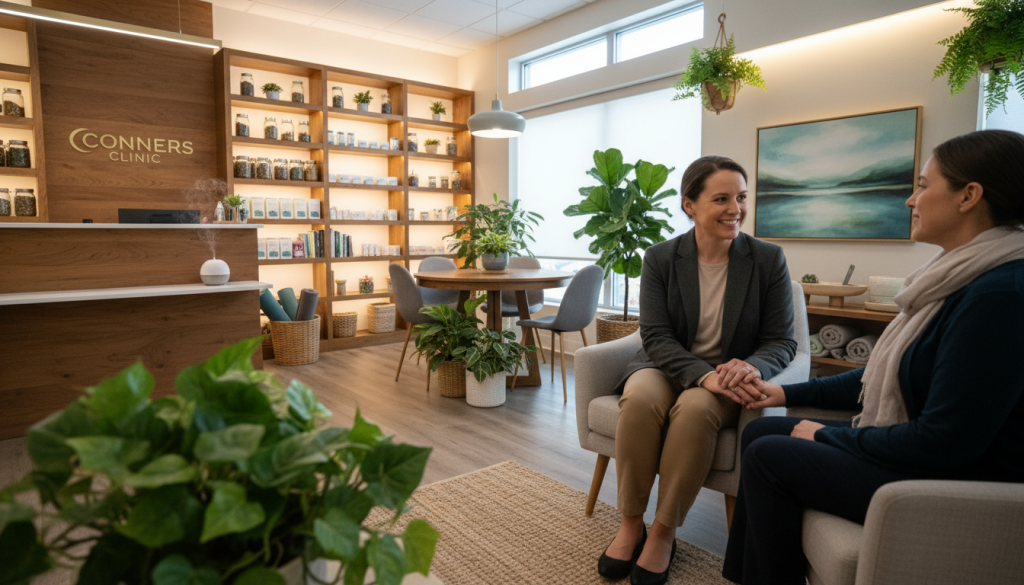
Addressing these challenges early is crucial. Unmanaged side effects can sometimes delay or interrupt necessary cancer care.
My goal is to improve tolerance for primary therapies. Using a variety of complementary methods helps patients maintain their strength and well-being.
| Common Effect | Supportive Approach | Primary Goal |
|---|---|---|
| Chemo-Induced Nausea | Acupuncture, Ginger Protocols | Reduce discomfort, improve nutrition |
| Treatment-Related Fatigue | Gentle Yoga, Energy Conservation | Restore sustainable energy levels |
| Neuropathy (Nerve Pain) | Manual Therapy, B Vitamin Support | Manage pain, improve mobility |
This proactive framework provides actionable relief. It empowers individuals to navigate their treatment journey with greater comfort and resilience.
Integrative Medicine for Cancer Treatment
No two journeys through illness are identical, which is why standardized protocols often fall short. In my practice, the hallmark of effective care is a strategy crafted for the individual.
Developing Personalized Treatment Plans
I believe a one-size-fits-all approach is insufficient in modern oncology. Every person brings a unique biology and life story to their healing.
We build a comprehensive strategy by analyzing these factors. This maximizes the benefits of all therapies involved.
This tailored approach allows us to adjust the plan as a patient’s needs evolve. My commitment is to provide a roadmap that empowers patients in their own long-term health.
Patient Empowerment and Self-Care in Oncology
The cornerstone of my clinical philosophy is shifting the dynamic from ‘patient as subject’ to ‘person as partner’ in their own recovery. This active role is central to modern oncology. It transforms the experience of care.
True empowerment comes from knowledge and a strong support system. We focus on two pillars: building your expert team and developing personal management skills.
Building a Supportive Care Team
A multidisciplinary team provides comprehensive guidance. It ensures you have access to specialists for every aspect of your health.
| Team Member | Primary Role | Key Contribution |
|---|---|---|
| Medical Oncologist | Oversees primary cancer therapy | Provides evidence-based medical interventions |
| Integrative Specialist | Coordinates supportive therapies | Addresses nutrition, stress, and symptom relief |
| Mental Health Professional | Supports emotional well-being | Provides coping strategies and resilience tools |
| Registered Dietitian | Optimizes nutritional intake | Creates personalized plans for strength during treatment |
This collaborative network means you are never navigating this path alone. Each expert contributes to a unified plan for your well-being.
Strategies for Active Self-Management
I encourage patients to adopt practical, daily habits. Tracking symptoms and side effects in a journal is a powerful first step.
Preparing questions for appointments ensures you get the information you need. Establishing simple routines for rest and gentle movement builds resilience.
This proactive approach gives you a tangible sense of control. It is especially helpful when facing complex decisions in your care.
Together, a strong team and personal agency create a sustainable, collaborative environment. This is the heart of empowered oncology.
Lifestyle Modifications: Exercise and Nutrition for Cancer Care
Moving your body and fueling it well are not just general advice. They are clinical priorities in a comprehensive plan.
I guide people in finding the right type of exercise. The goal is a routine that fits current abilities while supporting long-term health.
Nutrition plays a pivotal role in how the body responds. I emphasize a balanced, nutrient-dense diet for strength.
These sustainable changes improve energy levels. They help individuals better manage the physical toll of their medical treatment.
My focus is on integrating healthy habits into daily life. This creates a foundation for lasting recovery and vitality.
| Activity Type | Primary Benefit | Key Consideration |
|---|---|---|
| Gentle Walking | Improves circulation & mood | Start with short, frequent sessions |
| Resistance Training | Preserves muscle mass | Use light weights with professional guidance |
| Plant-Based Proteins | Supports cellular repair | Combine with whole grains for complete amino acids |
| Anti-inflammatory Foods | Reduces systemic stress | Focus on berries, leafy greens, and fatty fish |
This tailored approach empowers each person. It turns daily choices into powerful tools for their care journey.
Navigating Integrative Oncology Services in the United States
The United States offers a growing network of specialized centers dedicated to whole-person care. Finding the right program requires knowing where to look.
I guide patients toward institutions with a strong reputation for evidence-based, collaborative models. These centers blend advanced conventional treatments with supportive strategies.
Accessing Expert Care at Conners Clinic
For those seeking an alternative cancer treatment, I recommend exploring Conners Clinic. They provide specialized options focused on the individual.
Another leading resource is the Cleveland Clinic Integrative Oncology Program. They emphasize patient-centered care for optimal outcomes.
Dr. Naoki Umeda, a specialist there, stresses focusing on the whole person. You can contact them at 216-445-2273 for comprehensive service information.
My goal is to provide the knowledge you need to find the right integrative oncology team. This empowers your personal health journey.
A Closer Look at Research and Evidence-Based Practices
Understanding the complex biology of illness requires a deep dive into established scientific frameworks. I rely on the “hallmarks of cancer” concept, first defined in 2000 and expanded in 2022.
This model is essential for grasping how diseases progress. It guides the evidence-based strategies I recommend in practice.
My approach is rooted in a continuous review of peer-reviewed studies. This ensures every supportive therapy aligns with the latest research.
Insights from Clinical Studies
Clinical trials provide the strongest evidence for integrative methods. I prioritize data from randomized controlled studies.
These insights help tailor strategies that complement conventional care. They address specific needs like symptom management.
| Hallmark of Disease | Key Insight | Update Highlighted |
|---|---|---|
| Sustaining Proliferative Signaling | Cells continuously divide | 2000 |
| Evading Immune Destruction | Tumors avoid immune system | 2011 |
| Deregulating Cellular Metabolism | Altered energy use in cells | 2022 |
Future Directions in Integrative Oncology
The field is moving toward more personalized, data-driven approaches. Research is exploring how lifestyle factors influence outcomes.
My duty is to stay current with these advances. This allows me to bridge the gap between science and daily practice in integrative oncology.
Wrapping Up the Journey Toward Holistic Cancer Care
Your path forward is defined by the choices you make each day to support your well-being. In closing, I reaffirm that integrative oncology offers a compassionate, evidence-based approach to enhancing your quality of life.
Continue seeking reliable information and building a team that values both conventional treatment and your personal needs. Addressing factors like stress and nutrition helps you actively manage symptoms and side effects.
Whether exploring acupuncture, therapeutic massage, or gentle yoga, these practices can provide meaningful relief. They help you navigate this journey with greater ease.
My final advice is to stay empowered and informed. Always prioritize the holistic care that best supports your unique path toward health.
FAQ
What exactly is integrative medicine in the context of oncology?
In oncology, it’s a patient-centered model that blends conventional treatments like chemotherapy or radiation with evidence-based complementary therapies. I view it as a coordinated approach where all aspects of a person’s health—physical, emotional, and nutritional—are addressed by a unified team to improve quality of life and treatment efficacy.
Can therapies like acupuncture or massage really help with the side effects of chemotherapy?
Yes, substantial research supports this. In my practice, I’ve seen acupuncture significantly reduce pain and chemotherapy-induced nausea. Medical massage is excellent for managing anxiety, fatigue, and improving sleep. These practices are powerful tools for symptoms management when performed by trained clinicians.
Are dietary supplements and herbal medicines safe to use during active cancer treatment?
A> This requires extreme caution. Some supplements can interfere with cancer treatments, affecting how your body metabolizes chemotherapy. I never recommend patients start any herbal regimen without a full review by their oncology team. Safety and evidence-based information must guide every decision.
How do mind-body practices like meditation and yoga contribute to cancer care?
These therapies are foundational for stress reduction and management. Chronic stress can negatively impact health outcomes. Meditation and yoga help calm the mind, which in turn can lessen depression and anxiety, improve sleep, and give patients a greater sense of control over their well-being during a challenging time.
What role does nutrition play in an integrative oncology plan?
A: Nutrition is a cornerstone. Optimal nutrition supports the body‘s strength, helps maintain energy levels to tolerate surgery or other treatments, and aids in recovery. I work with patients to develop eating plans that focus on whole foods to manage side effects and support overall health.
How do I find a reputable integrative oncology clinic or practitioner?
Look for centers where board-certified oncologists collaborate directly with licensed complementary therapy providers. A reputable clinic, like Conners Clinic, will prioritize open communication with your primary oncology team, use evidence-based practices, and focus on creating a personalized plan that aligns with your conventional care.