
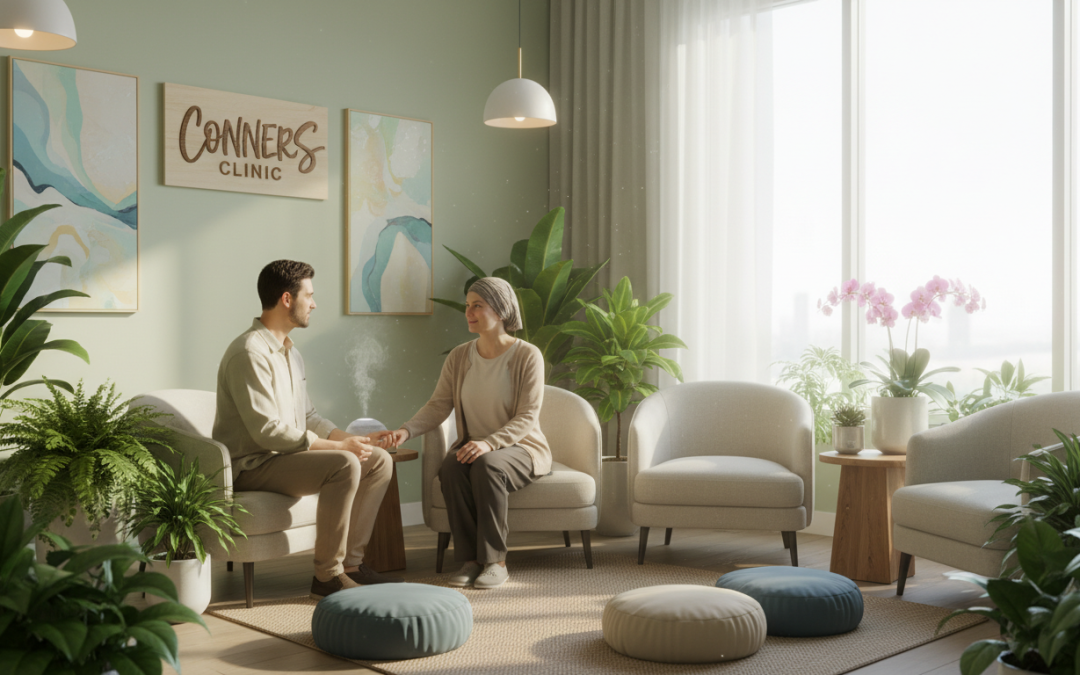
I recall a patient, Sarah, who came to me after her diagnosis. She felt overwhelmed by the clinical processes and feared losing herself to the illness. Her story is common, and it highlights a critical gap in many standard approaches.
True healing requires addressing the whole person, not just the disease. This means integrating emotional and spiritual wellness with physical treatment. A dedicated team that offers compassionate support can make this journey more manageable.
Many individuals, like Sarah, seek options beyond conventional methods to regain control. They look for personalized strategies that complement their medical plan. Exploring alternative cancer treatment options can provide vital information and a path tailored to unique health goals.
My professional experience confirms that this integrated perspective improves quality of life. It offers patients practical ways to navigate their challenges with greater resilience and hope.
Key Takeaways
- A holistic approach treats the emotional and physical aspects of a diagnosis together.
- Personalized strategies that complement standard oncology care can enhance outcomes.
- Mental health support is a crucial component for individuals coping with illness.
- A modern care team should empower patients through education and evidence-based methods.
- Alternative treatment options provide additional resources for overall wellness.
- Integrative therapies can help nurture a patient’s sense of control and well-being.
- Seeking information from specialized centers can guide a more balanced recovery plan.
Enhancing Treatment Through Integrated Mind-Body-Spirit Cancer Care
The recent establishment of the Psychosocial Oncology Clinic at Princeton Health, made possible by a $2.6 million gift, marks a pivotal shift. This model ensures emotional and psychological support is a standard part of the medical journey.
Understanding the Core Principles
This specialized program is built on daily collaboration. Social workers and psychologists work directly with the medical team. Rebecca Boswell, PhD, founded a training program in 2022 to equip clinicians for this very purpose.
The core principle moves beyond a referral system. Mental health services are embedded within the cancer center environment. This seamless access is key to effective care.
| Aspect | Traditional Support | Integrated Psychosocial Support |
|---|---|---|
| Team Structure | Separate, external referrals | Social workers & psychologists on-site daily |
| Mental Health Focus | Reactive, crisis-based | Proactive, part of standard treatment plans |
| Reported Outcomes | Variable adherence, higher ER visits | Better adherence to medical treatment, fewer emergencies |
| Patient Experience | Fragmented care | Coordinated, holistic support for all challenges |
How Integration Improves Patient Outcomes
Dr. Boswell’s data shows this integration leads to fewer emergency visits. Patients also follow their medical treatment plans more consistently. Addressing depression and anxiety directly improves overall health.
Patients can better manage pain and physical symptoms. They explore holistic body-based therapy through resources like Conners Clinic. This is vital for diagnoses like breast cancer.
Integrating sessions helps patients process difficult thoughts. It addresses the existential pressure of illness. A unified care team ensures support in every aspect of life. This philosophy is supported by broader research in holistic oncology.
Alternative Cancer Treatment Approaches and Holistic Therapies
The landscape of oncology is evolving. There is a growing emphasis on therapies that address the whole person beyond just the tumor. This shift recognizes that healing involves multiple dimensions of well-being.
Overview of Integrative Therapies
Integrative therapies combine standard medical treatment with complementary practices. I often recommend these to help manage side effects and improve overall health. Organizations like the American Cancer Society (1-800-227-2345) provide valuable guidance on these options.
Complementary Methods and Their Benefits
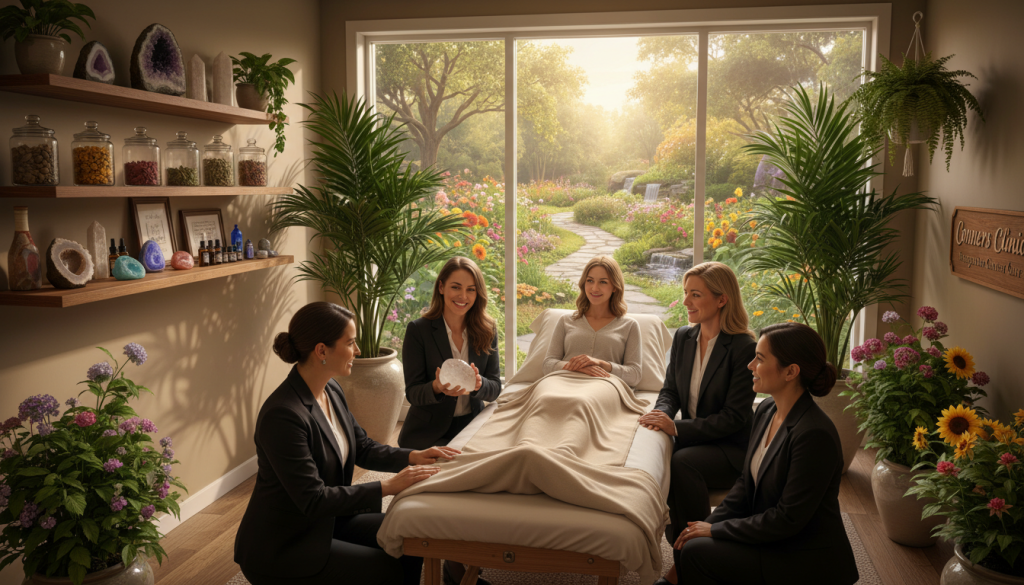
Methods like acupuncture and massage can reduce pain and physical tension. Art and music therapy offer creative outlets for emotional expression. These treatments are central to the alternative cancer treatment philosophy.
They empower individuals during their journey. Many find these practices restore a sense of control.
Incorporating Mind, Body, and Spirit in Treatment
A complete approach nurtures the mind, body, and inner self. Specialized clinics, like the Ann B. Barshinger cancer institute, tailor care for aging patients. This holistic focus is key for long-term wellness.
The programs and resources available can build a strong foundation. For a personalized path, consider exploring detailed support options here.
Effective Strategies for Managing Mental Health in Cancer Care
Modern oncology now recognizes mental wellness as a pillar of effective treatment. I see this shift firsthand. A dedicated focus on psychological support helps individuals navigate their journey with greater resilience.
Addressing Depression and Anxiety in Oncology
Feelings of depression and anxiety are common and can hinder medical plans. Pioneers like Tom J. Smith, MD, showed how integrating palliative care early improves overall health. Addressing these emotions is not secondary.
Role of Oncologists and Psychosocial Support Teams
Oncologists and social workers must work as a unified team. Dr. Ramy Sedhom, inspired by Dr. Smith, advocates for this in outpatient settings. Specialized hubs like the Center for Cancer & Aging, led by Dr. Efrat Dotan, provide tailored support for older adults.
This collaboration directly reduces negative thoughts and helps manage side effects. At Conners Clinic, our programs are built on this integrated model.
| Support Model | Key Feature | Primary Benefit |
|---|---|---|
| Traditional Referral | External mental health services | Often delayed, fragmented care |
| Integrated Team-Based | On-site psychologists & social workers | Proactive, continuous emotional support |
| Specialized Aging Programs | Focus on unique challenges in older patients | Improved treatment adherence and quality of life |
“Integrating mental health services isn’t an add-on; it’s fundamental to quality oncology care.”
A unified approach ensures patients receive comprehensive help for both symptoms and emotional challenges. This leads to better adherence to treatment and improved daily life.
Real-Life Insights and Stories in Alternative Cancer Treatment
Personal stories often reveal the profound impact of integrated support during illness. They move beyond statistics to show real human transformation.
Patient Experiences: A Journey Towards Healing
Pam Fisher, a breast cancer patient, found clarity after working with psychologist Kara Buda, PhD. Buda helped her reframe her thoughts and identify what truly mattered in her life.
This compassionate approach is central to healing. Many individuals share similar successes through holistic methods.
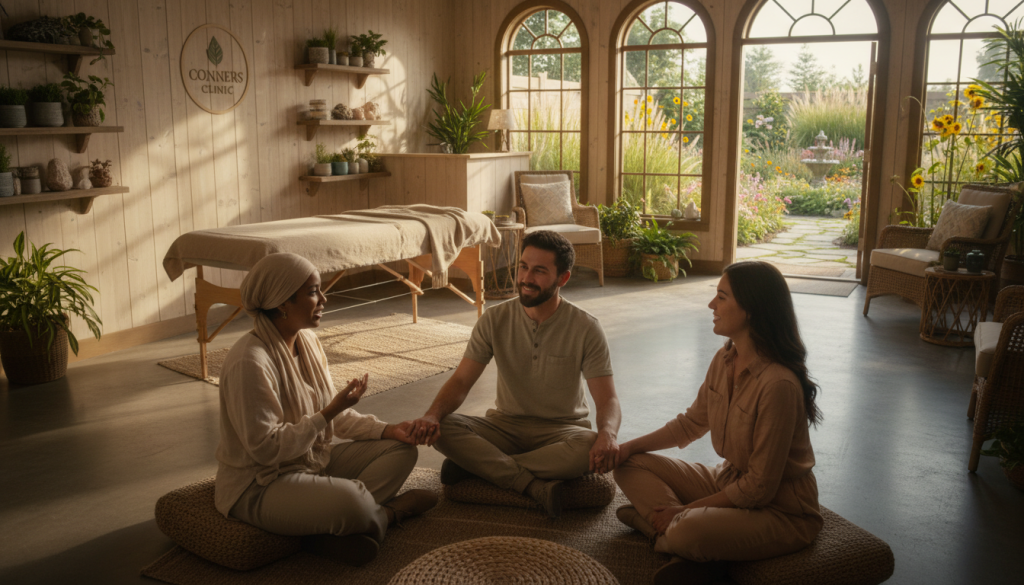
At Conners Clinic, we see people reclaim their well-being every day. Our programs focus on the whole person and complement medical treatment.
Case Study: Navigating Uncertainty with Compassionate Care
Data from the Psychosocial Oncology Clinic shows powerful results. After 6-8 sessions of therapy, 80% of patients with depression reported normal symptoms.
An impressive 100% of those with anxiety saw their symptoms return to normal. This proves the value of specialized mental health support in oncology.
Such integrated programs should be a standard for all. They provide essential tools for navigating uncertainty with strength.
Embracing a New Paradigm in Health and Wellness
The evidence is clear: a transformative shift in how we approach wellness is not just beneficial but necessary. Embracing this new paradigm requires a firm commitment to long-term well-being for every individual.
By integrating complementary methods, patients can achieve a more balanced and sustainable path to recovery. This integrated approach is the cornerstone of modern, holistic healing.
The future of oncology lies in seamless collaboration. Medical teams and mental health professionals must work as one unit to provide complete support.
I encourage you to explore the resources available to build a personalized path forward. Together, we can reshape the culture so every person feels truly supported, heard, and empowered.
FAQ
How does mind-body-spirit care complement my standard oncology treatment?
I view this approach as a vital support system for your conventional therapy. It doesn’t replace medical treatment but works alongside it to manage the emotional and physical toll. By integrating techniques to reduce stress, ease anxiety, and improve coping skills, we aim to enhance your overall resilience and potentially improve your tolerance for necessary procedures.
What specific therapies are included in a holistic program for patients?
A comprehensive program typically includes evidence-based modalities like mindfulness meditation, guided imagery, and gentle yoga to calm the nervous system. We also incorporate counseling or support groups to address emotional health, and may utilize acupuncture for symptom management. The goal is to offer a toolkit of resources tailored to your unique needs during this challenging time.
Can these approaches really help with the depression and anxiety I feel after my diagnosis?
A> Absolutely. Addressing your mental well-being is a core part of comprehensive care. The persistent worry and sadness that often accompany a diagnosis are real and impactful. Through targeted strategies like cognitive-behavioral techniques, stress-reduction training, and professional psychosocial support, we work to alleviate these burdens, helping you regain a sense of control and emotional balance.
Who is part of the care team in an integrative oncology setting?
Your team extends beyond your primary oncologist. It often includes dedicated mental health professionals, such as oncology-trained social workers or psychologists, who provide emotional support. You may also work with practitioners like nutritionists, pain specialists, and therapists trained in modalities like acupuncture or massage, all collaborating to support your whole-person health.
How do I start incorporating these wellness strategies into my daily routine?
I recommend beginning with small, manageable steps. Focus on one practice, such as a five-minute daily breathing exercise or a short walk. Many leading centers, like Memorial Sloan Kettering Cancer Center or MD Anderson, offer patient resources and programs to guide you. The key is consistency, not perfection, in building habits that support your strength and peace of mind.